Hylobates agilis
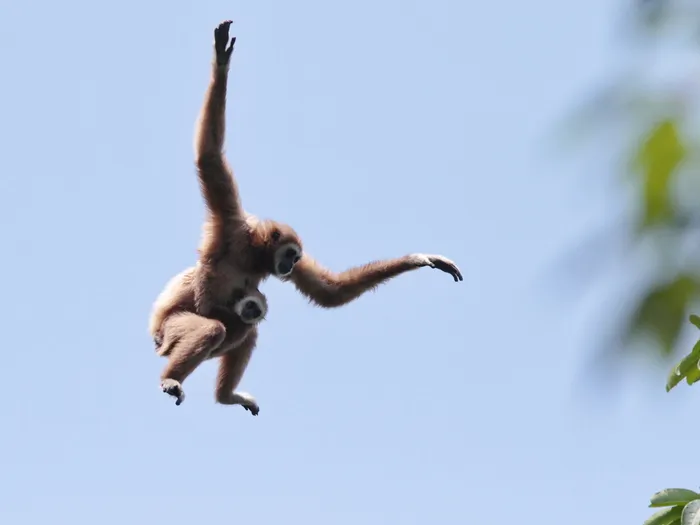
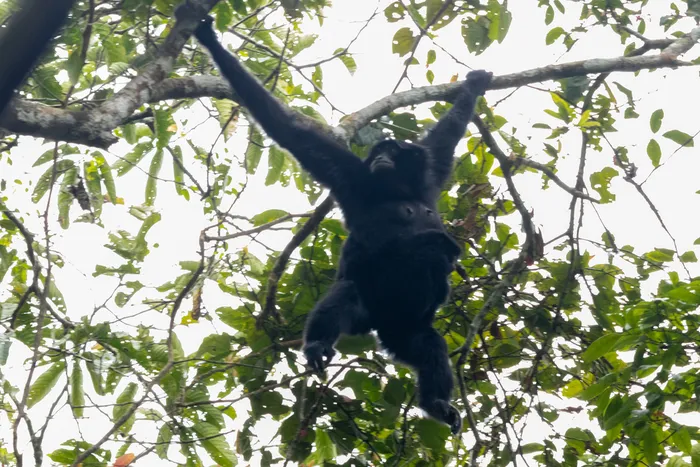
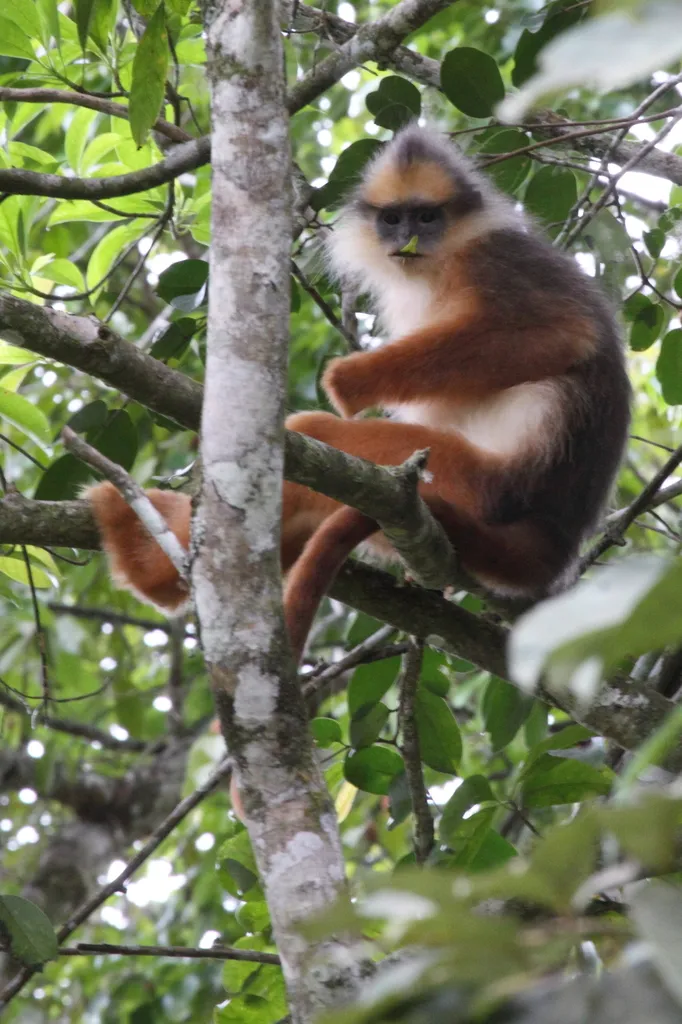
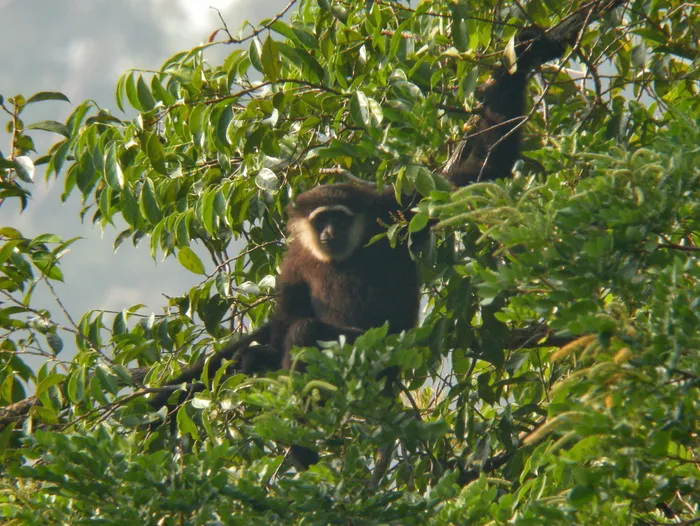
The agile gibbon (Hylobates agilis) is a tailless small ape of Sumatra's forest canopy, known for its white brow band and its dawn songs.
PANDUANHEWAN · INDONESIA
104 animals recorded in Sumatra in this guide, including the Sumatran orangutan, Sumatran tiger and Sumatran elephant, with scientific names, IUCN status (29 threatened) and sources.
PanduanHewan has 104 animal guides recorded in Sumatra: 45 birds, 36 mammals, 10 reptiles, 5 marine animals, 5 amphibians and 3 invertebrates. 29 of them are threatened on the IUCN Red List.
This list uses the ranges named in each guide and place labels in a GBIF observation sample. It means an animal has been recorded in Sumatra; it is not proof of endemism or a complete range map.
The agile gibbon (Hylobates agilis) is a tailless small ape of Sumatra's forest canopy, known for its white brow band and its dawn songs.
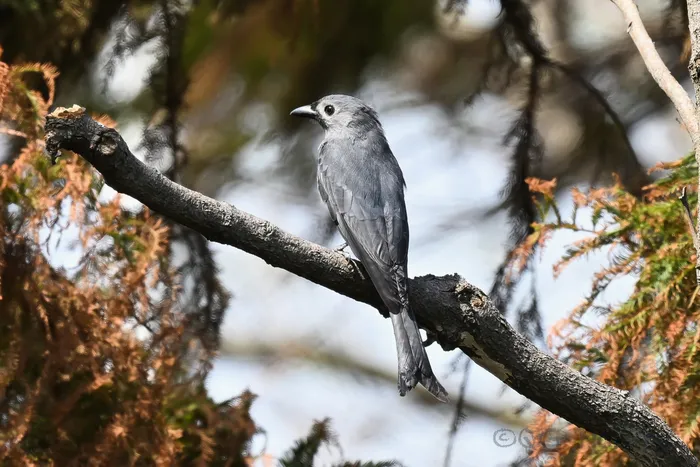
Ashy Drongo (Dicrurus leucophaeus). Ashy drongos vary across populations in grey tone and movement; photographs and dates improve the interpretation of sightings.
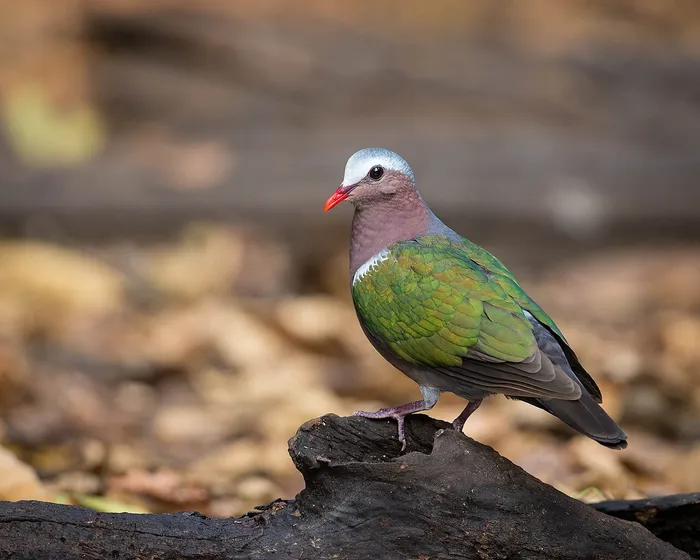
Asian Emerald Dove (Chalcophaps indica). The Asian emerald dove uses tropical forest floor and edges; its iridescent green wings are easier to judge in good light.
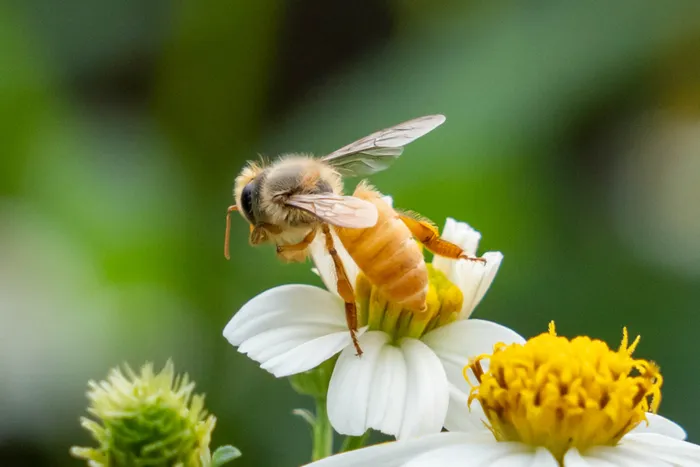
The Asian honey bee (Apis cerana) is a native Indonesian honey bee that nests in cavities, pollinates plants and is kept for honey.
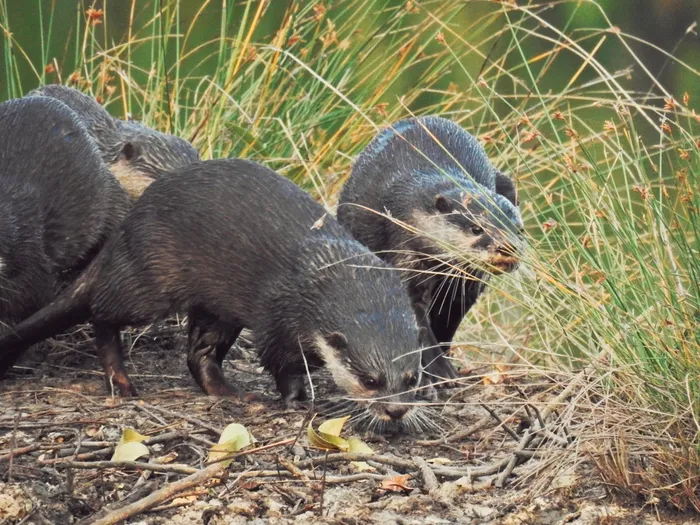
The Asian small-clawed otter (Aonyx cinereus) is the world's smallest otter, living in family groups in rivers, rice fields and mangroves in Indonesia.
The banded krait (Bungarus fasciatus) is a neurotoxic krait with full black-and-yellow rings, found in Sumatra, Java, Borneo and Bali.
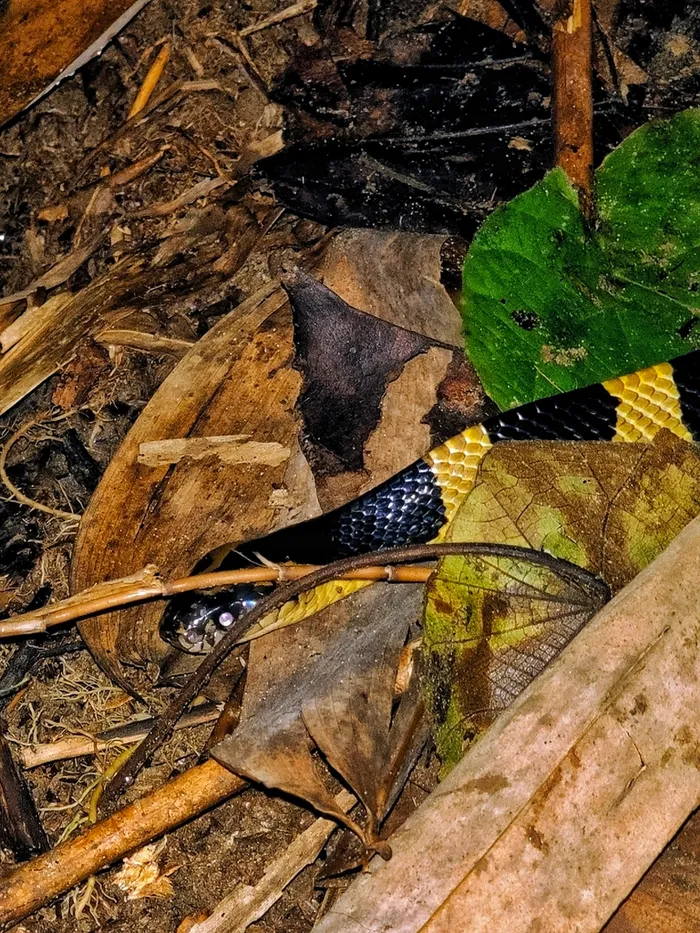
The banded Malaysian coral snake (Calliophis intestinalis) is a small venomous snake with a red tail and black-and-white belly from western Indonesia.
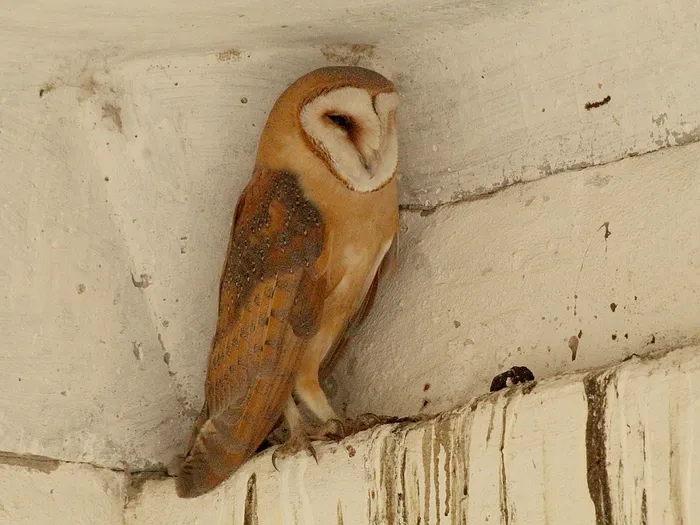
The barn owl (Tyto alba) is a pale, heart-faced owl that hunts rats in rice fields, oil palm plantations and villages across Indonesia.
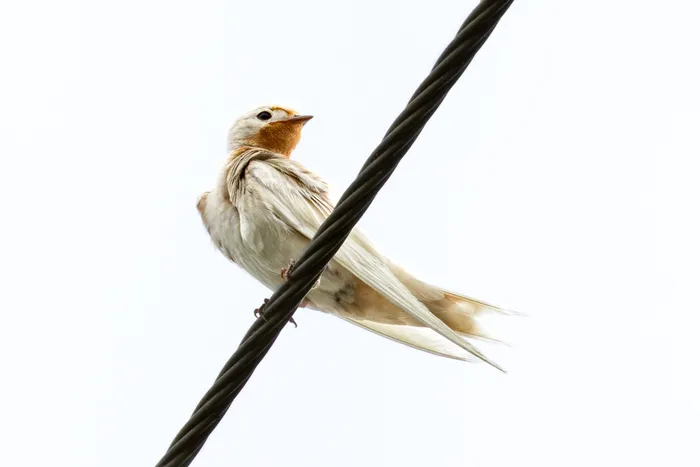
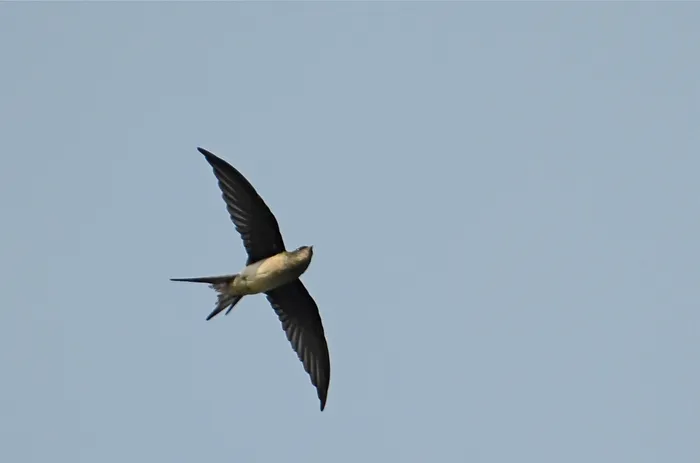
Barn Swallow (Hirundo rustica). The barn swallow has blue upperparts, pointed wings and a deeply forked tail; Indonesian records may include seasonal visitors.
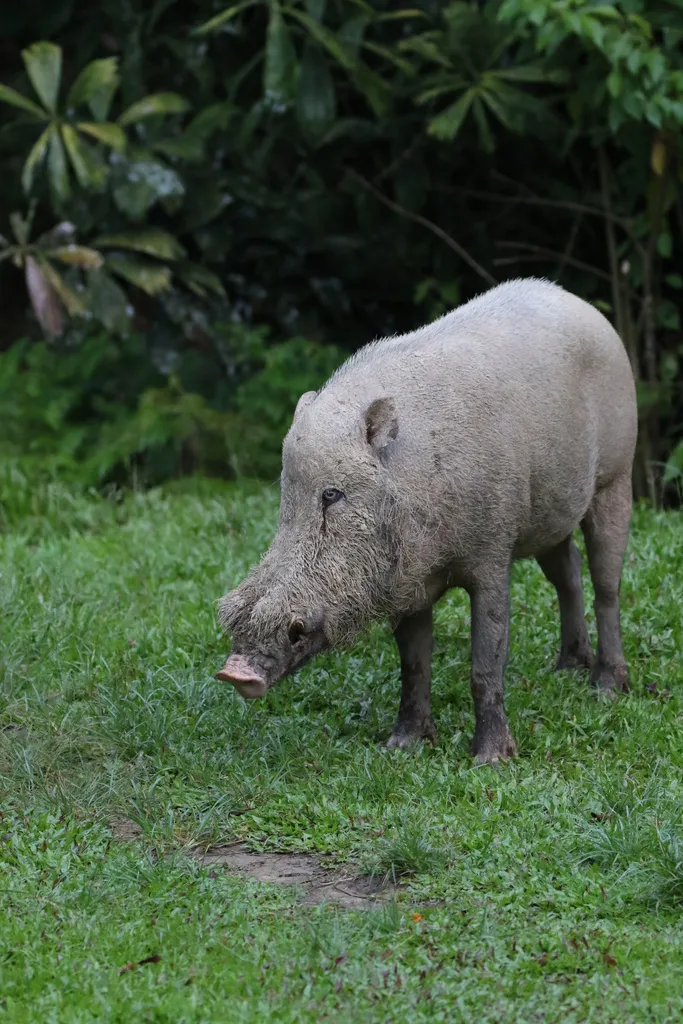
The bearded pig (Sus barbatus) is a wild pig with a bristly facial beard from the forests of Borneo and Sumatra, known for mass migrations that follow fruiting.
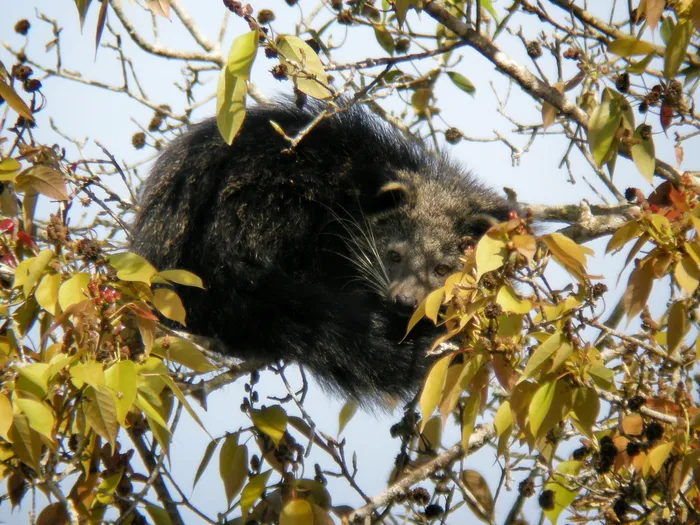
The binturong (Arctictis binturong) is the largest civet, a tree-dwelling mammal with a gripping tail, found in the forests of Sumatra, Borneo and Java.
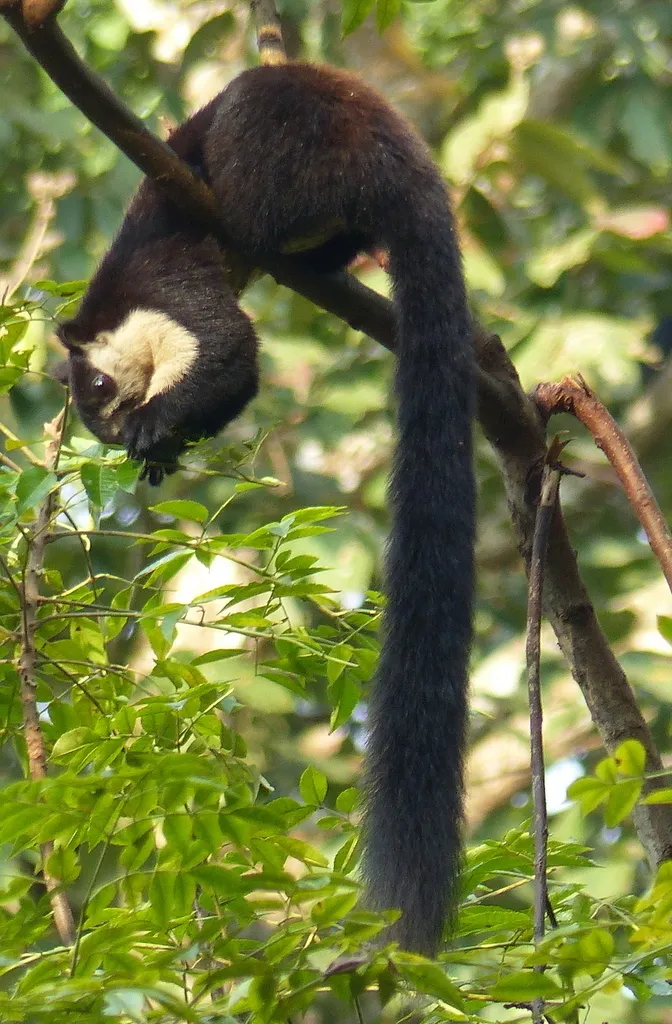
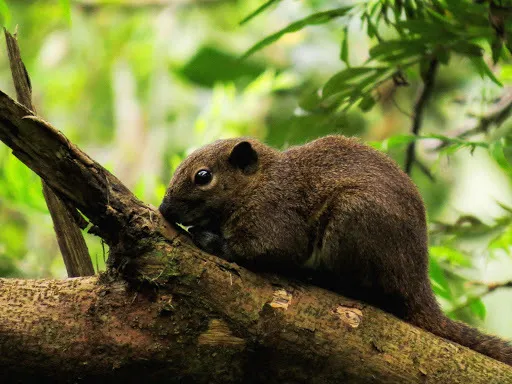
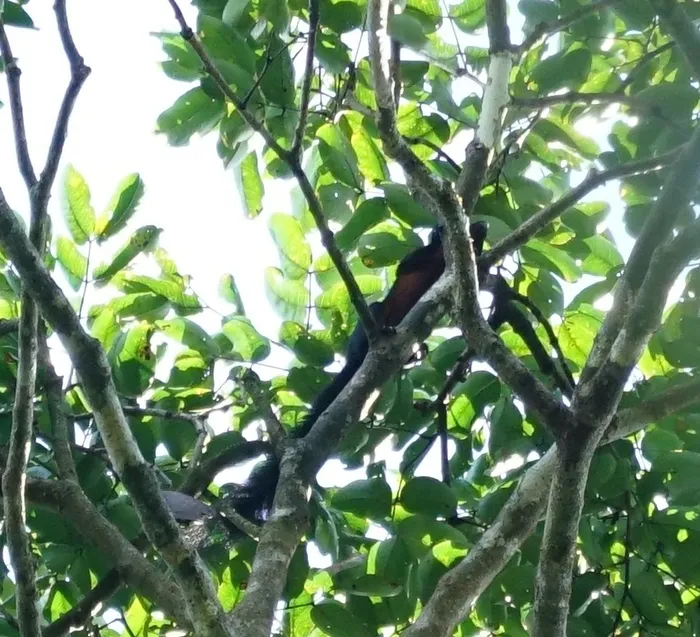
Black Giant Squirrel (Ratufa bicolor). The black giant squirrel is a large forest tree-squirrel; its size and bushy tail distinguish it from the much smaller plantain squirrel.
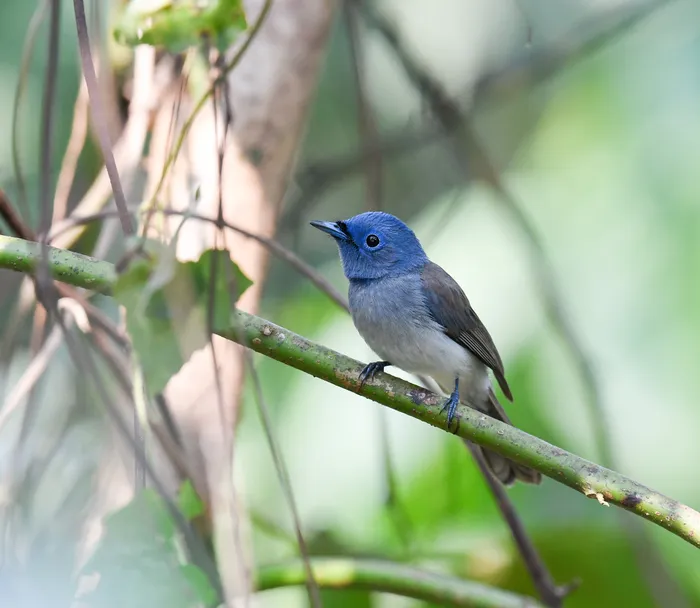
Black-naped Monarch (Hypothymis azurea). The black-naped monarch is a slim, agile flycatcher; sexes differ, and its dark nape band informs the English name.
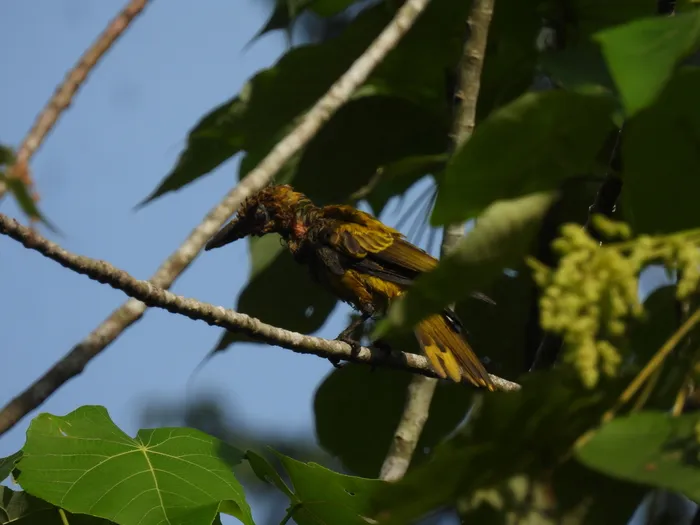
Black-naped Oriole (Oriolus chinensis). The black-naped oriole occupies wooded Asian landscapes; its dark nape pattern and voice help separate it from other yellow birds.
Black-striped Squirrel (Callosciurus nigrovittatus). The black-striped squirrel occurs on Java, Sumatra and the Malay Peninsula; its dark side stripe can assist identification in a clear view.
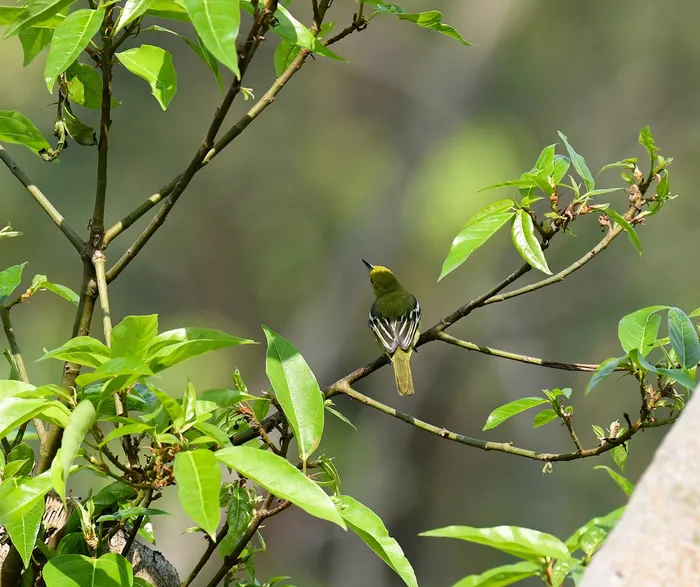
Black-winged Flycatcher-shrike (Hemipus hirundinaceus). The black-winged flycatcher-shrike belongs to a debated woodshrike lineage; citing the scientific name and taxonomic source avoids a misleading family label.
Blue Pansy (Junonia orithya). Junonia orithya has region-dependent common names and many subspecies; wing eyespots and locality should be recorded together.
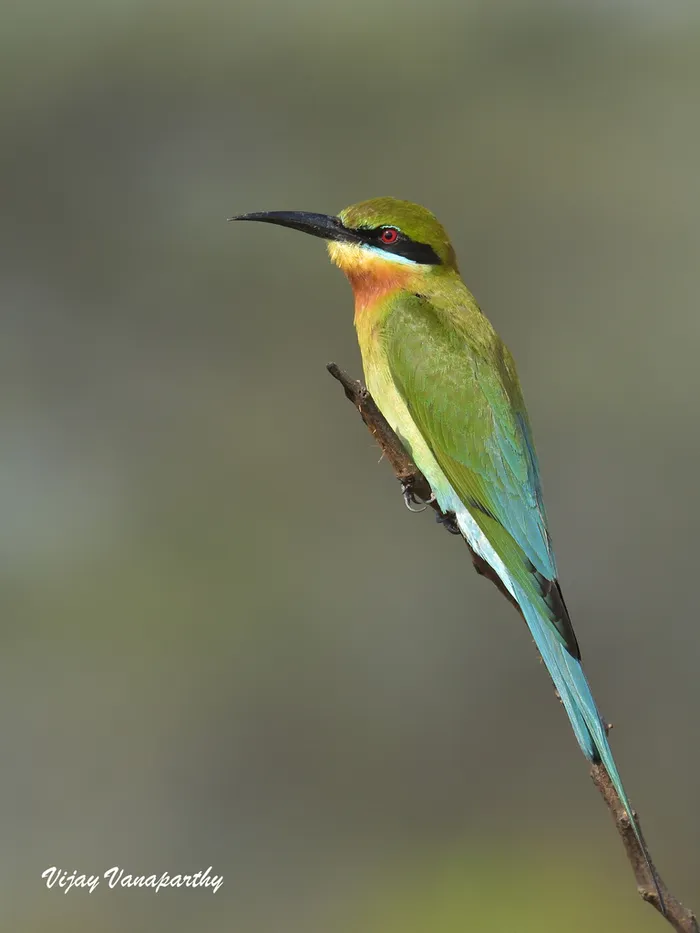
Blue-tailed Bee-eater (Merops philippinus). The blue-tailed bee-eater catches flying insects, and some populations move seasonally; a dated record is more informative than an undated sighting.
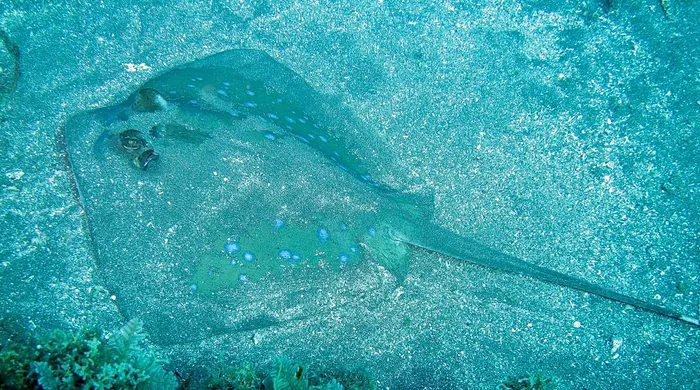
Bluespotted Maskray (Neotrygon caeruleopunctata). The bluespotted maskray belongs to a taxonomically revised Neotrygon complex; blue spots alone do not establish species identity without form and locality.
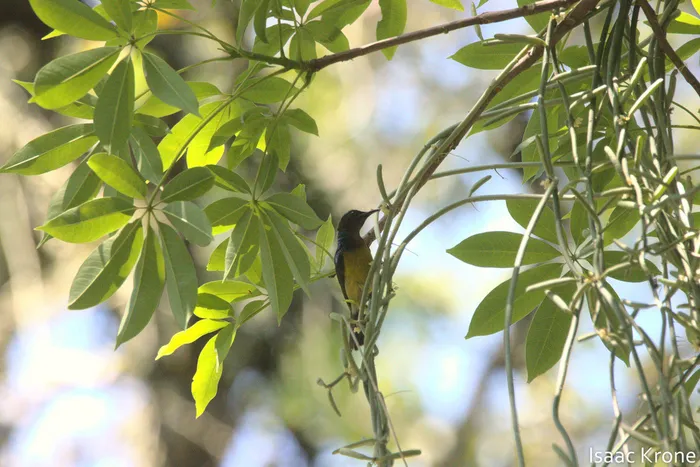
Brown-throated Sunbird (Anthreptes malacensis). The brown-throated sunbird uses semi-open Southeast Asian habitats; flower visits and bill shape can be observed without assuming every visit pollinates a plant.
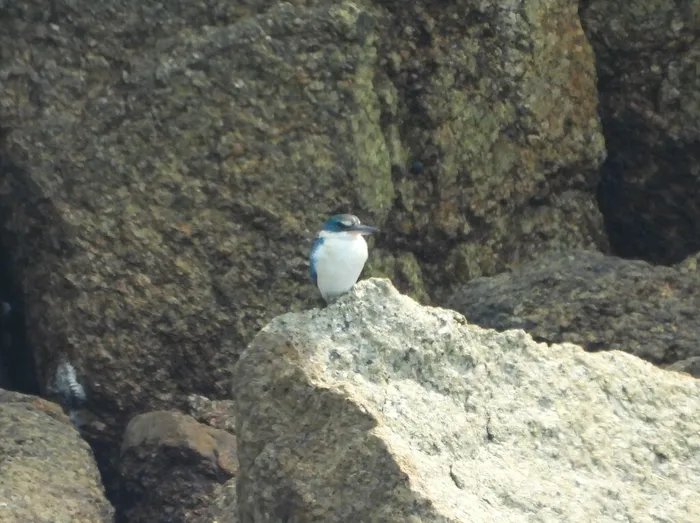
A blue-green kingfisher with a white collar, often seen in mangroves and on coasts. Numerous subspecies make older names worth checking carefully.
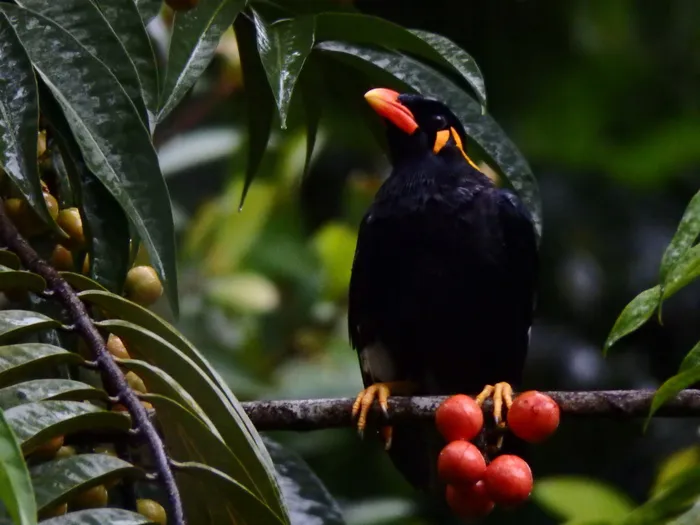
The common hill myna (Gracula religiosa) is a glossy black myna with yellow wattles, famous for its ability to mimic human speech.
Common Iora (Aegithina tiphia). The common iora uses scrub and forest edges; plumage varies among populations, so a photograph from one region may differ from another.
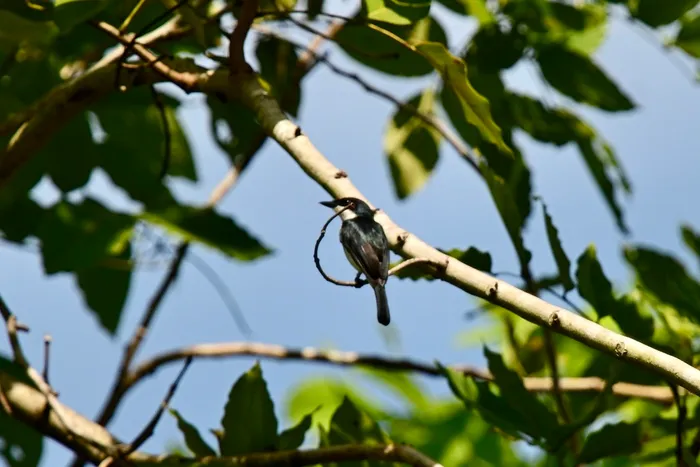
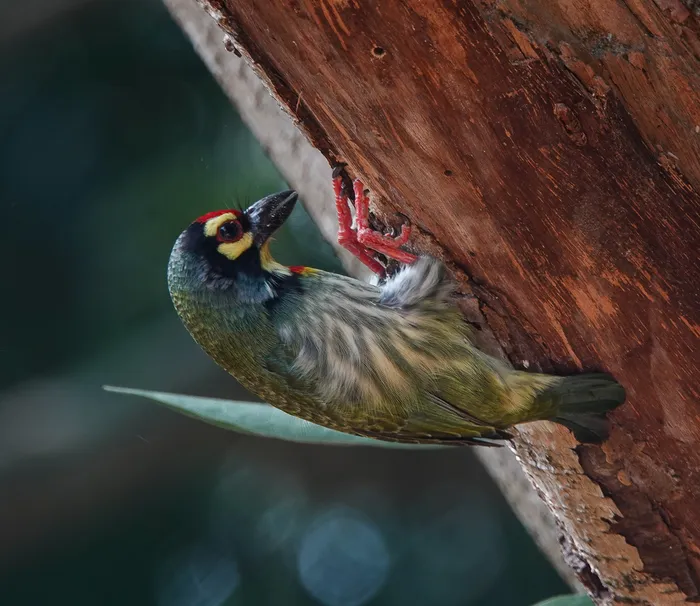
Coppersmith Barbet (Psilopogon haemacephalus). The coppersmith barbet has a red forehead and throat; its repeated metallic-sounding call may be noticed before the perched bird.
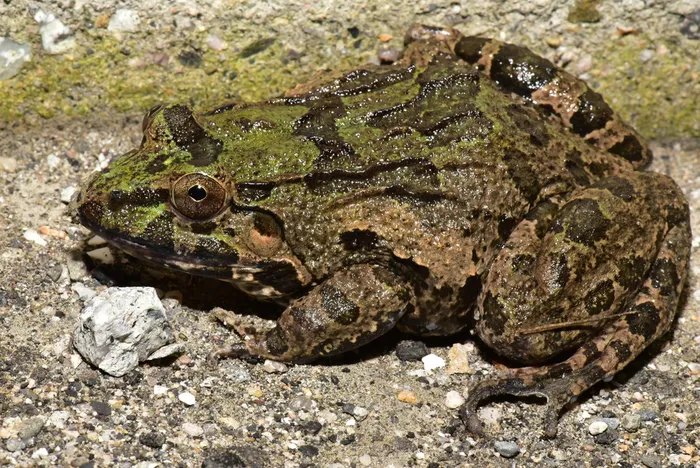
Crab-eating Frog (Fejervarya cancrivora). Crab-eating frogs use brackish habitats; salinity studies document tadpole tolerance, but laboratory limits do not justify moving animals into seawater.
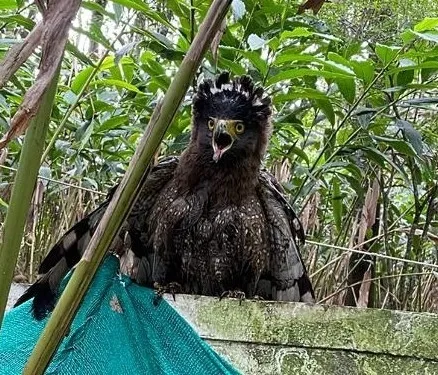
The crested serpent eagle (Spilornis cheela) is a snake-eating eagle of forest edges in Sumatra, Java, Bali and Borneo, and is protected in Indonesia.
Diadem Roundleaf Bat (Hipposideros diadema). The diadem roundleaf bat belongs to Hipposideridae, not Rhinolophidae; nose shape matters, but a single photograph may not settle identification.
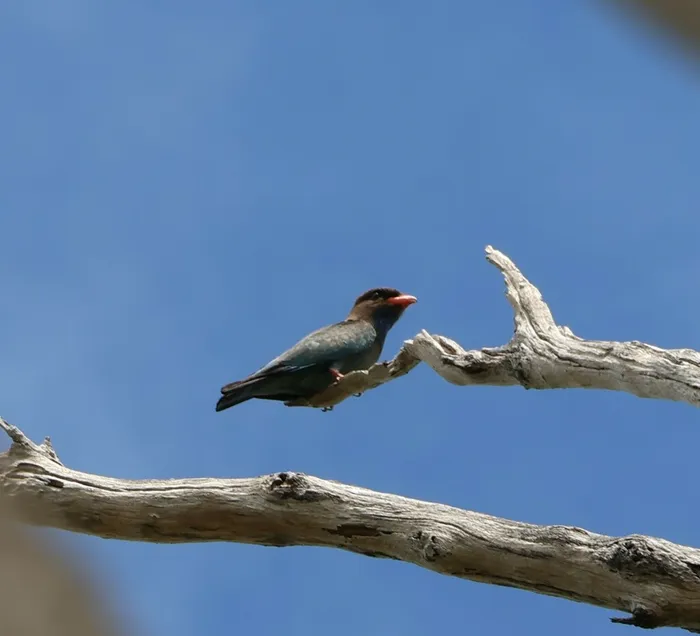
Dollarbird (Eurystomus orientalis). The Oriental dollarbird has rounded blue wing patches visible in flight, the field mark behind its English name.
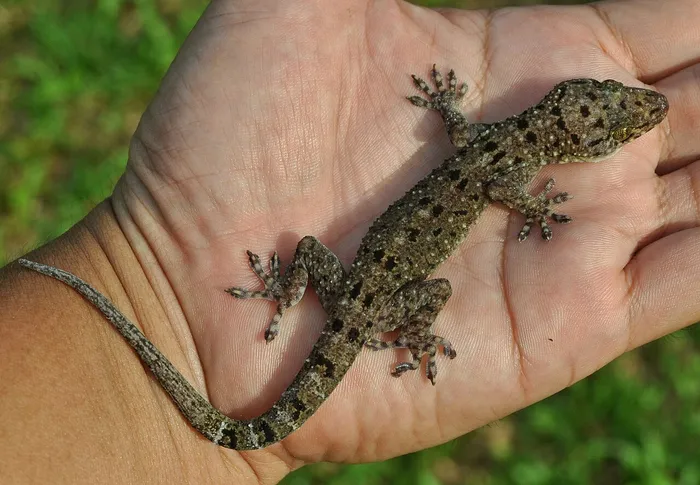
Double-spotted Gecko (Gekko monarchus). The double-spotted gecko occurs across the Malay Peninsula, Borneo and nearby islands; spots alone are insufficient without body shape and locality.
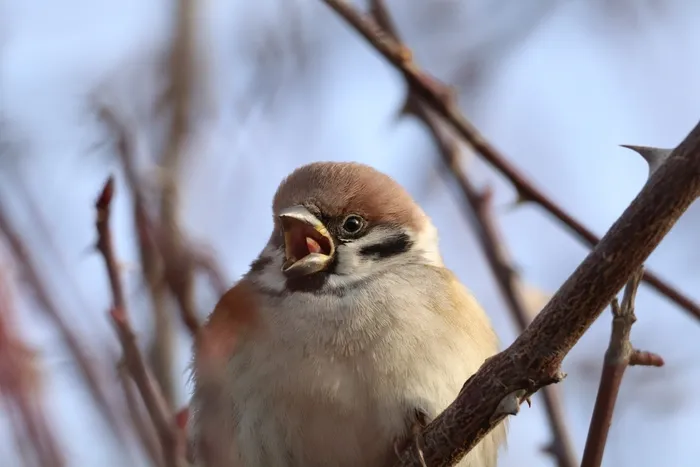
A small bird with a chestnut crown and a black spot on each white cheek. Its proximity to people makes it easy to notice, but sighting records do not measure its population.
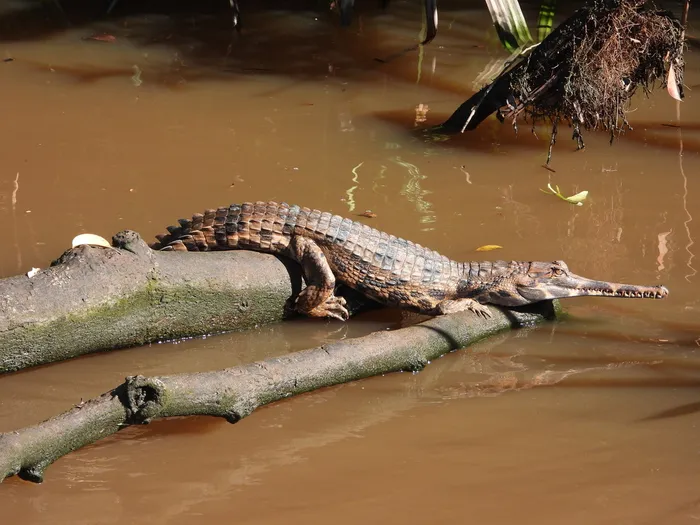
The false gharial (Tomistoma schlegelii) is a slender-snouted crocodilian of the peat swamps of Sumatra and Borneo, listed as Endangered by the IUCN.
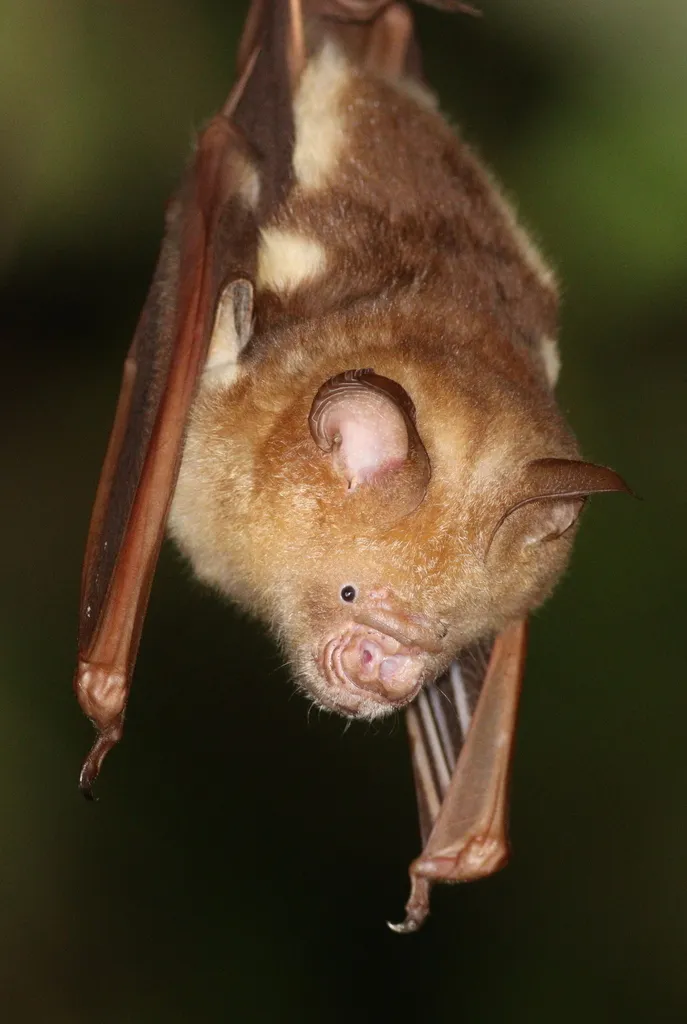
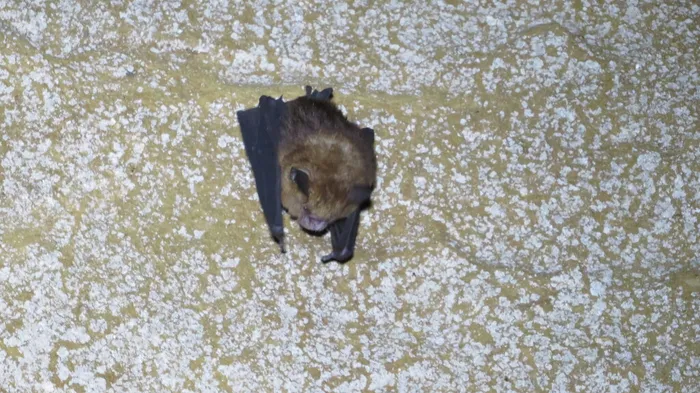
Fawn Roundleaf Bat (Hipposideros cervinus). The fawn roundleaf bat is a hipposiderid recorded across parts of Southeast Asia and Australia; colour alone is unreliable for similar bats.
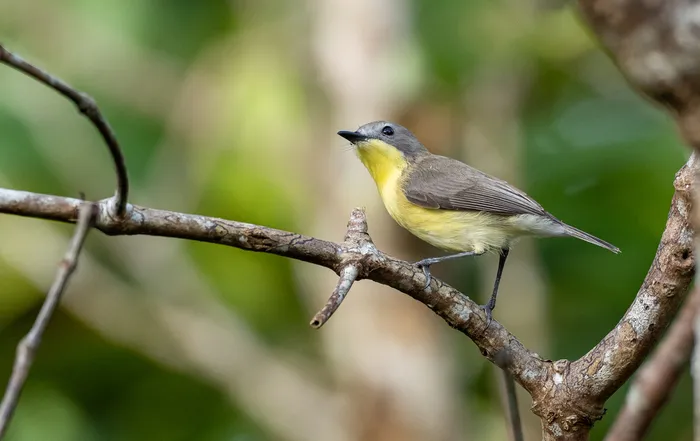
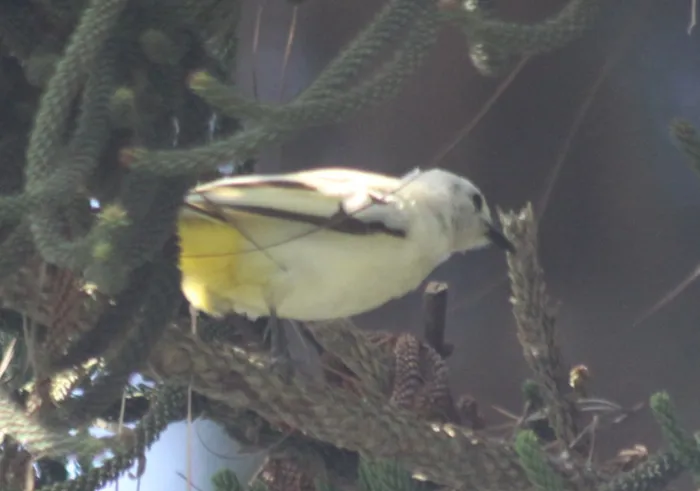
Golden-bellied Gerygone (Gerygone sulphurea). The golden-bellied gerygone is a small acanthizid occurring in Indonesia and other Southeast Asian countries; the English name describes its belly.
Gray-rumped Treeswift (Hemiprocne longipennis). The grey-rumped treeswift belongs to Hemiprocnidae rather than the true swift family and may be seen perched as well as flying.
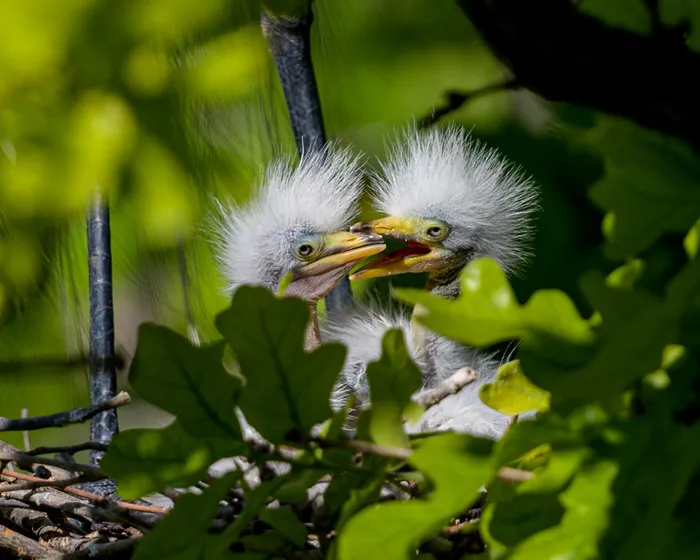
Great Egret (Ardea alba). The great egret is a widespread large white heron; compare body size, bill shape and leg colour with smaller egrets.
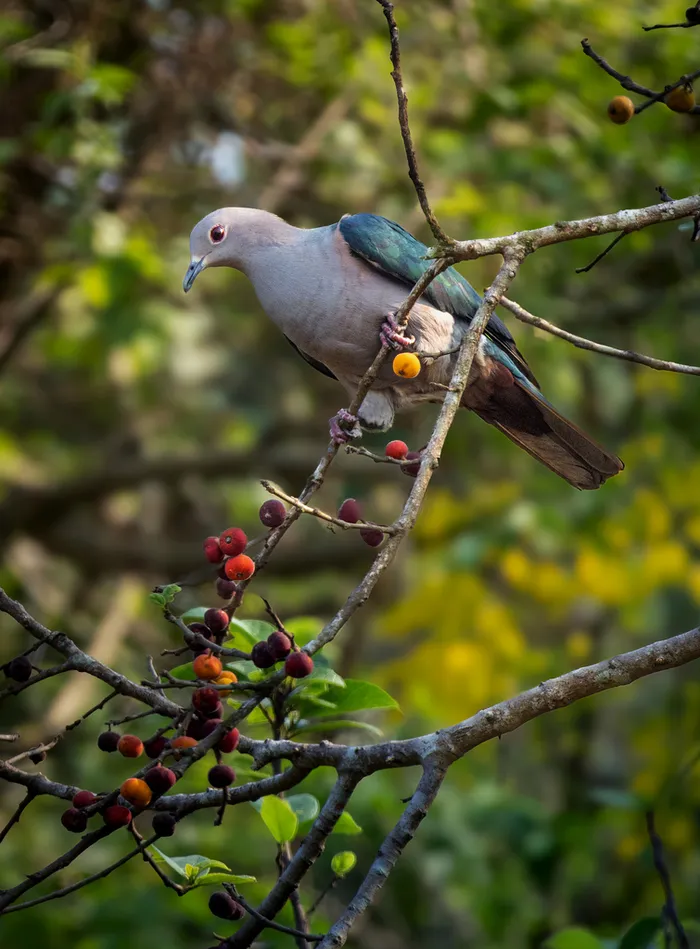
Green Imperial Pigeon (Ducula aenea). The green imperial pigeon is a large forest pigeon; its size and green wings help separate it from smaller green-pigeons.
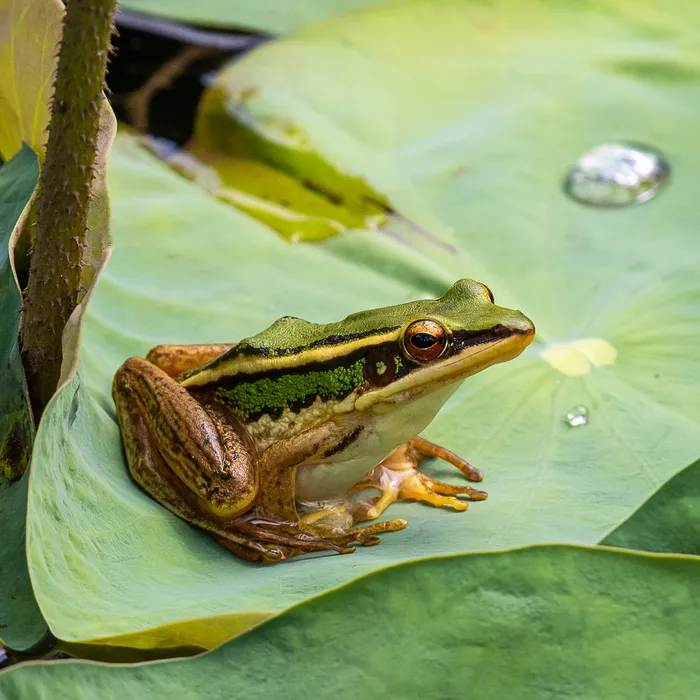
Green Paddy Frog (Hylarana erythraea). The green paddy frog occurs in Southeast Asia and formerly appeared under Rana; wetland observations do not measure local abundance or status.
Hair-crested Drongo (Dicrurus hottentottus). The hair-crested drongo is a dicrurid formerly grouped with another drongo; record the taxonomy and region used by each source.
A forest hornbill with long central tail feathers and a solid casque. Hunting for casque trade makes habitat protection and reduced demand particularly important.
House Swift (Apus nipalensis). The house swift is an apodid spending much time on the wing; wing shape and nesting context are safer clues than unverified claims about flight physiology.
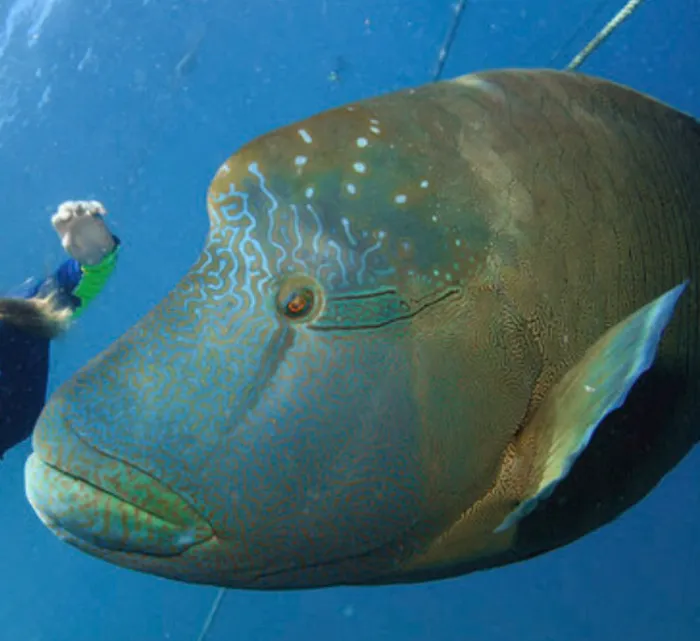
The humphead wrasse (Cheilinus undulatus) is the largest wrasse, a hump-headed reef fish threatened by the live reef fish trade.
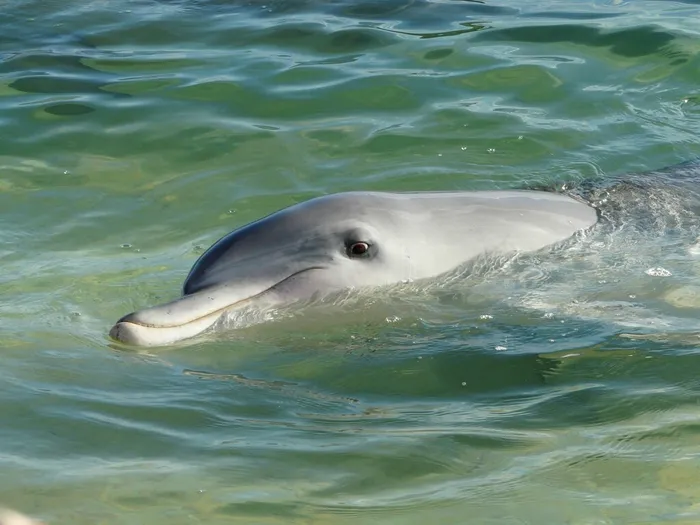
The Indo-Pacific bottlenose dolphin (Tursiops aduncus) is a coastal dolphin with a spotted belly that is fully protected in Indonesia.
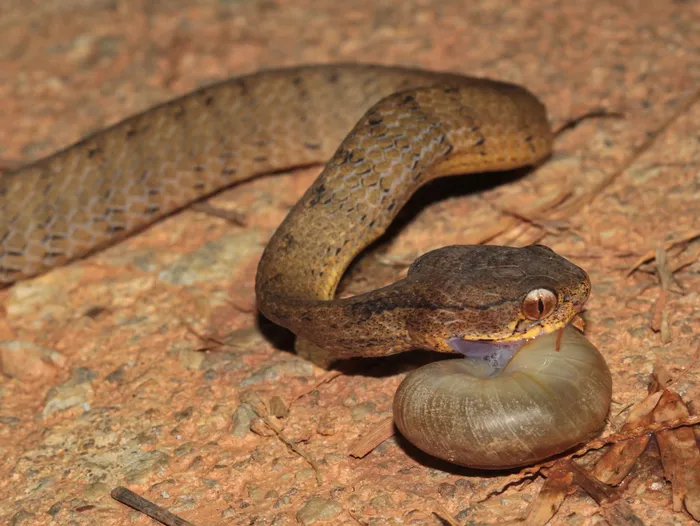
Keeled Slug Snake (Pareas carinatus). The keeled slug snake is a pareid associated with feeding on slugs and snails; a group name does not prove every individual meal.
Lar Gibbon (Hylobates lar). The lar gibbon is a tailless, long-armed canopy primate; Sumatran records need care near the ranges of other gibbons.
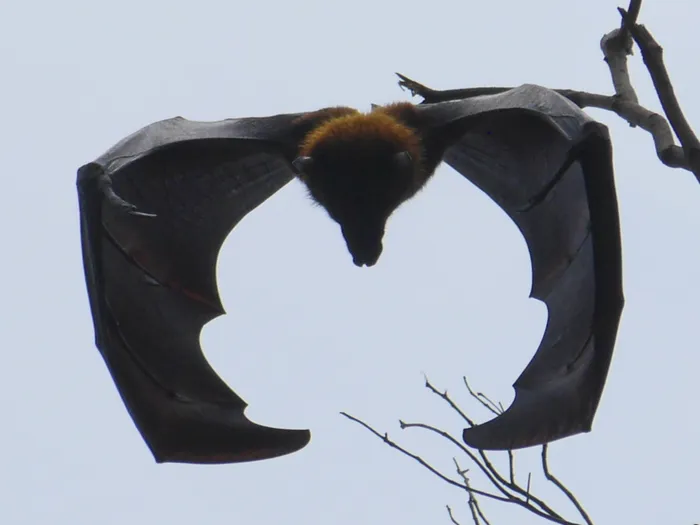
Large Flying-fox (Pteropus vampyrus). The large flying fox is a Southeast Asian fruit bat; its size and fruit-feeding ecology differ from many smaller insect-eating bats.
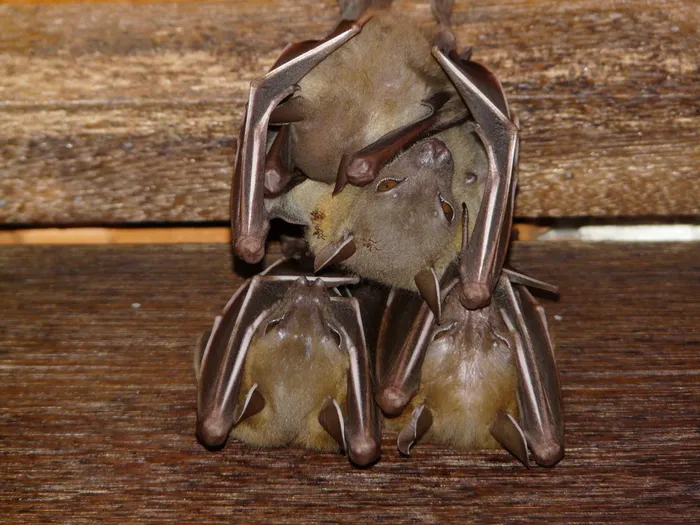
The lesser short-nosed fruit bat (Cynopterus brachyotis) is a common small fruit bat of Indonesian towns and forests that spreads seeds and pollinates flowers.
Little Egret (Egretta garzetta). The little egret is smaller than the great egret; wetland identification benefits from checking size, bill and leg characters together.
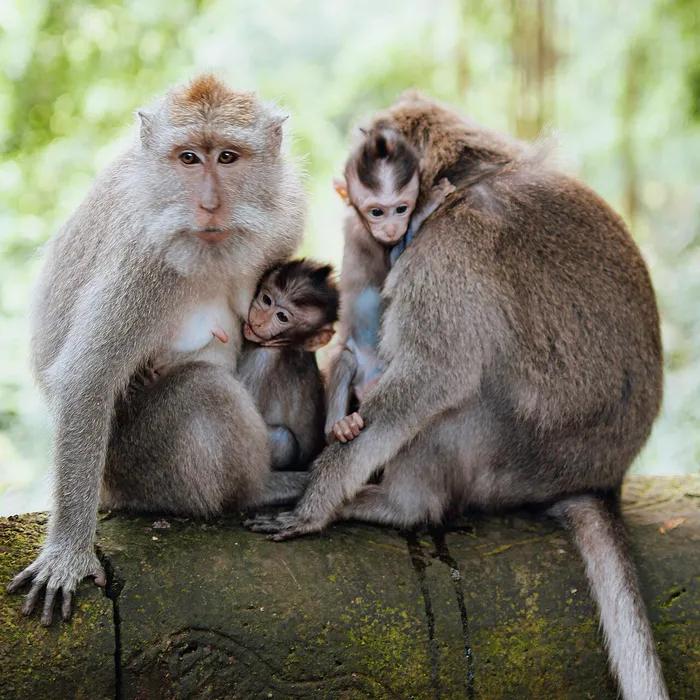
A social primate using forests, riversides, mangroves and settlement edges. Food and human encounters vary by place; frequent sightings do not describe the condition of the whole population.
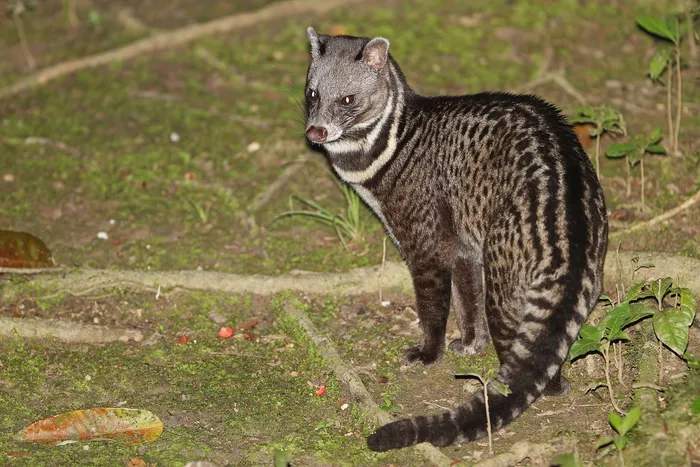
The Malay civet (Viverra tangalunga) is a ground-dwelling, black-spotted civet with a black-and-white banded tail, common in the forests of Sumatra and Borneo.
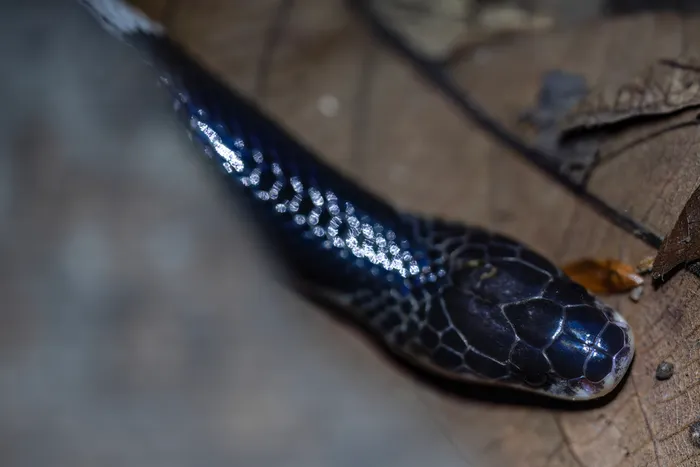
The Malayan krait (Bungarus candidus) is a highly venomous black-and-white banded krait of Sumatra, Java and Bali that is active at night.
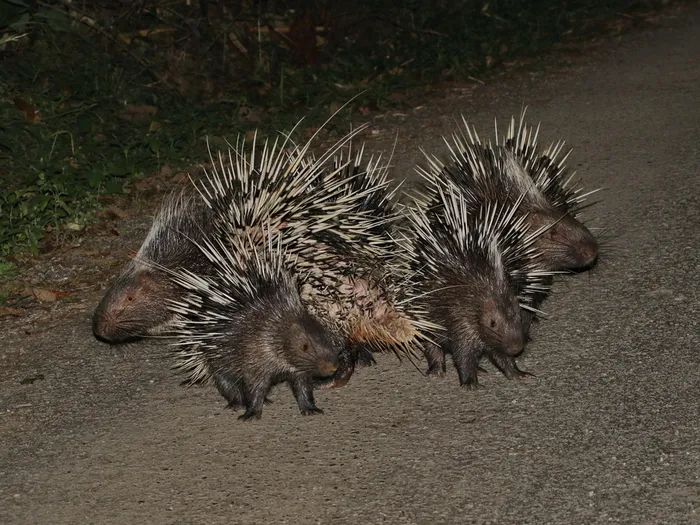
The Malayan porcupine (Hystrix brachyura) is a large, quilled, nocturnal rodent of Sumatra and Borneo that is widely hunted for meat and trade.
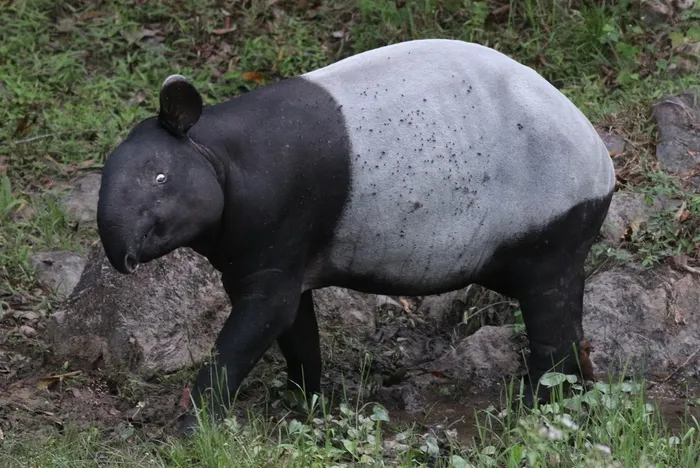
The black-and-white tapir is Asia’s only tapir. Forest, water, and safe movement space support its life in Sumatra.
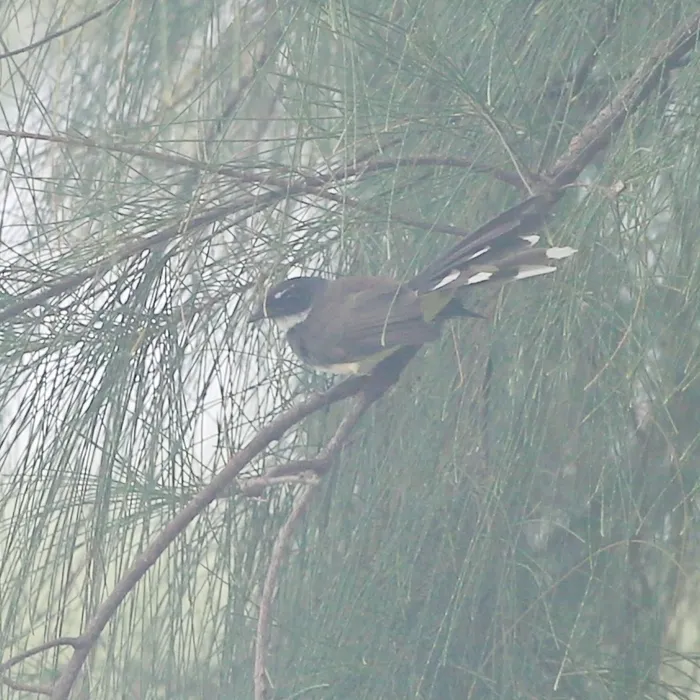
Malaysian Pied-Fantail (Rhipidura javanica). The Malaysian pied-fantail is a rhipidurid; a fanned tail and black-and-white pattern aid identification around forest edges and gardens.
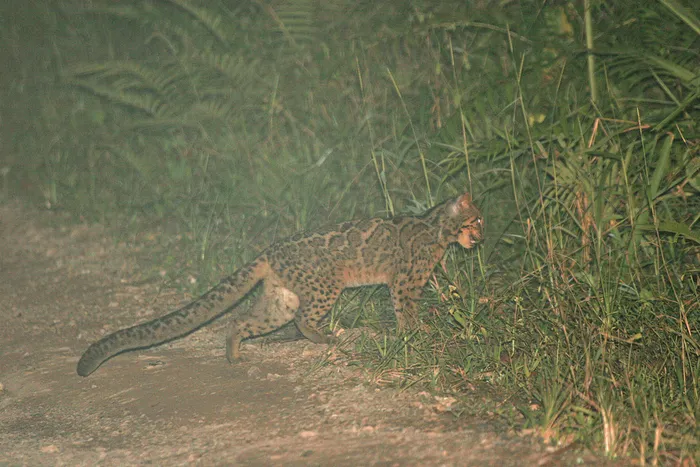
The marbled cat (Pardofelis marmorata) is a small, marble-patterned wild cat with a very long, bushy tail, living in the forests of Sumatra and Borneo.
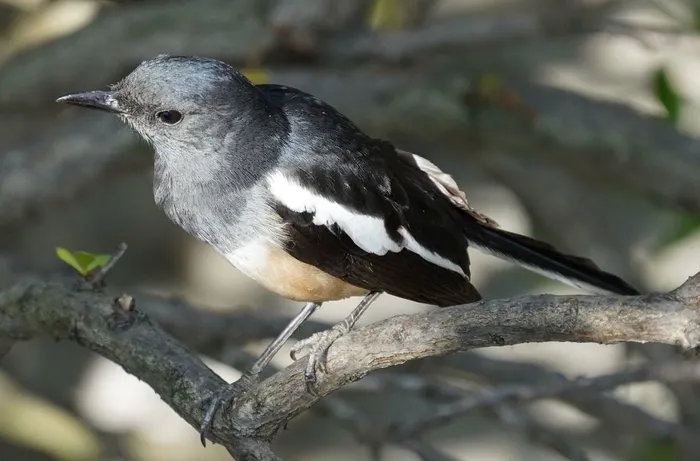
The oriental magpie-robin (Copsychus saularis) is a black-and-white songbird that was once common on Java but is now rare there because of trapping.
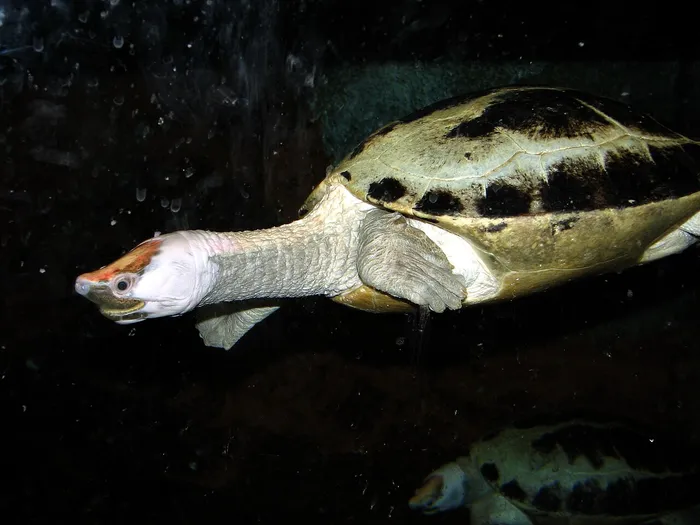
The painted terrapin (Batagur borneoensis) is a Critically Endangered estuary and mangrove turtle; breeding males show a white head with a red stripe.
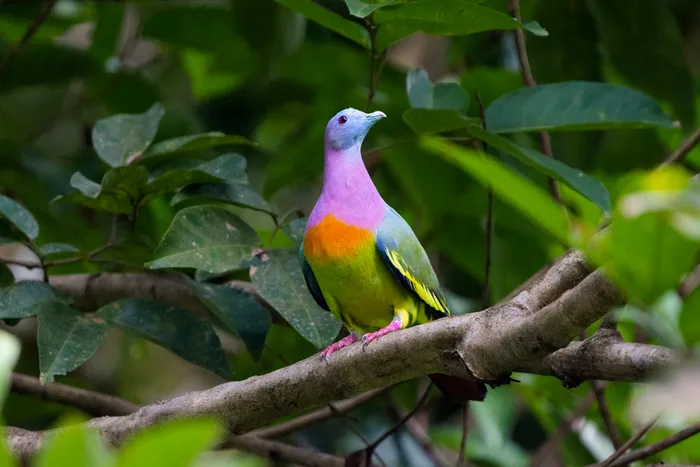
Pink-necked Green-Pigeon (Treron vernans). The pink-necked green-pigeon is a green pigeon often noticed in fruiting trees; its English name refers to the pink neck, not a parrot.
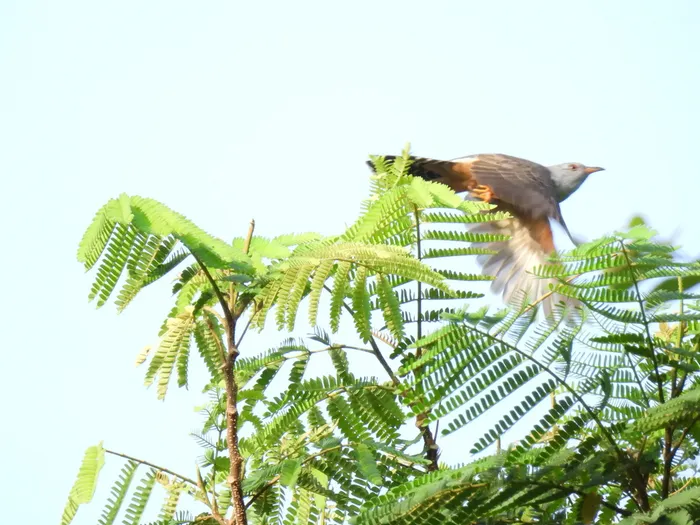
Plaintive Cuckoo (Cacomantis merulinus). The plaintive cuckoo is a widely distributed Asian cuckoo; voice and place are valuable because several small cuckoos look alike.
Poisonous Rock Frog (Odorrana hosii). Hose's frog is associated with rocky stream settings in Southeast Asia; a common name is no reason to handle an unidentified frog.
Prevost's Squirrel (Callosciurus prevostii). Prevost's squirrel shows strongly contrasting fur colours that vary regionally and occupies forests in Sumatra, Borneo and the Malay Peninsula.
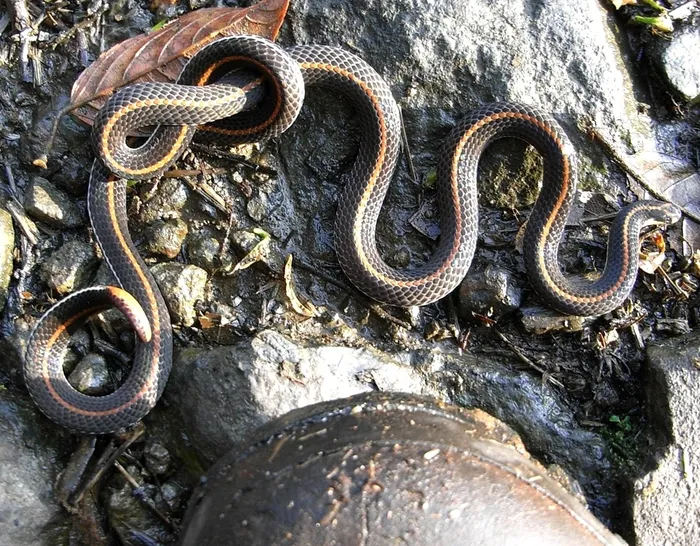
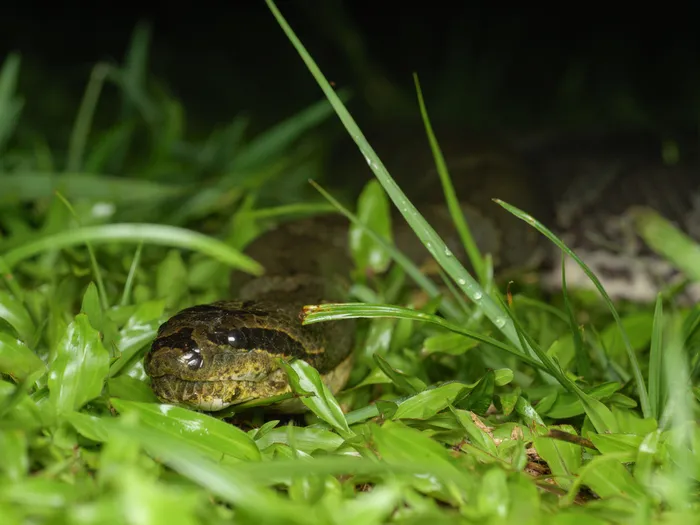
Puff-faced Water Snake (Homalopsis buccata). The puff-faced water snake occurs in tropical South and Southeast Asian waters; head shape and wet habitat matter more than colour alone.
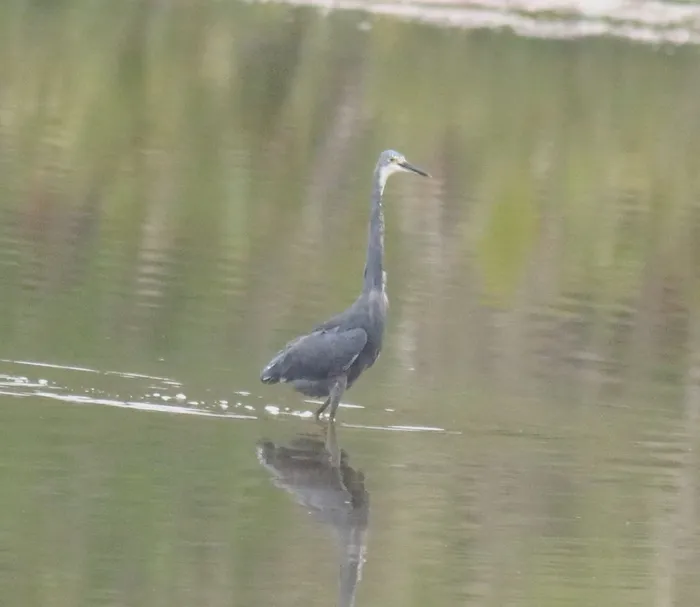
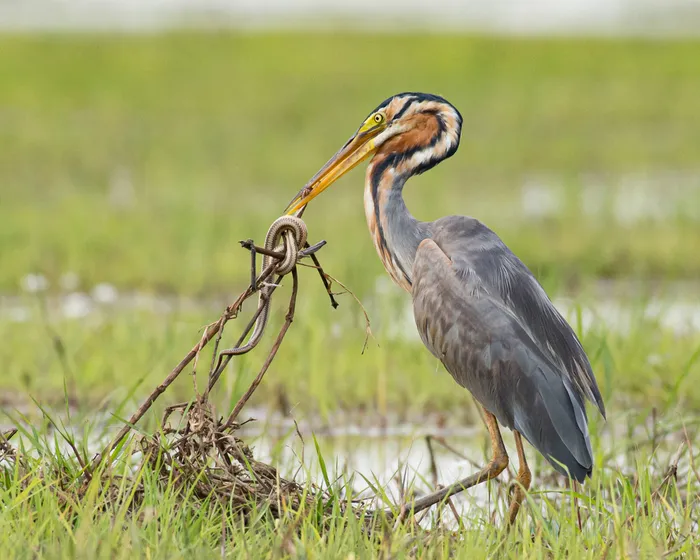
Purple Heron (Ardea purpurea). The purple heron is a long-necked heron associated with marsh vegetation; brownish colour alone is insufficient without checking shape.
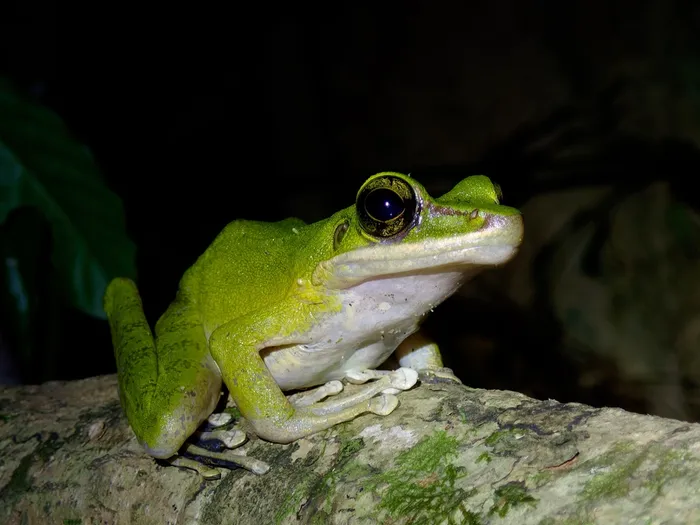
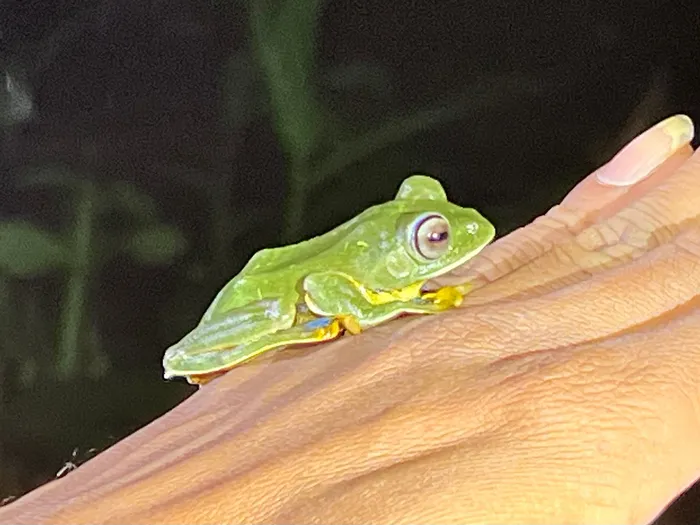
Reinwardt's flying frog (Rhacophorus reinwardtii) is a green, broadly webbed tree frog of the forests of Java and Sumatra that lays eggs in foam nests.
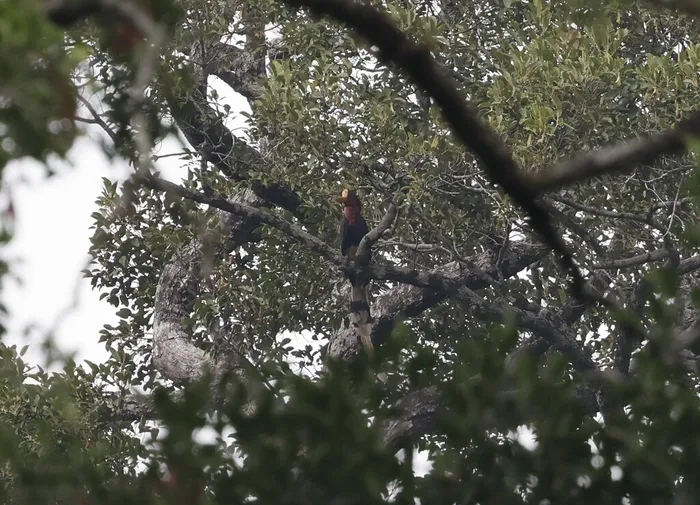
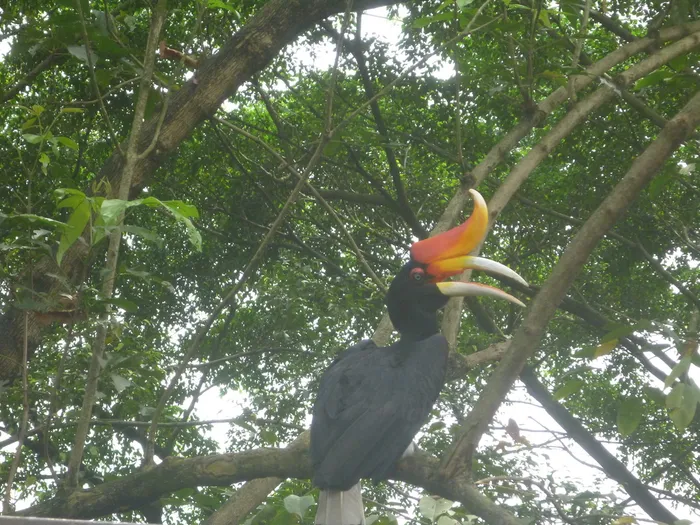
The rhinoceros hornbill (Buceros rhinoceros) is a large hornbill with an upturned orange-red casque, found in Sumatra, Java and Borneo; Vulnerable.
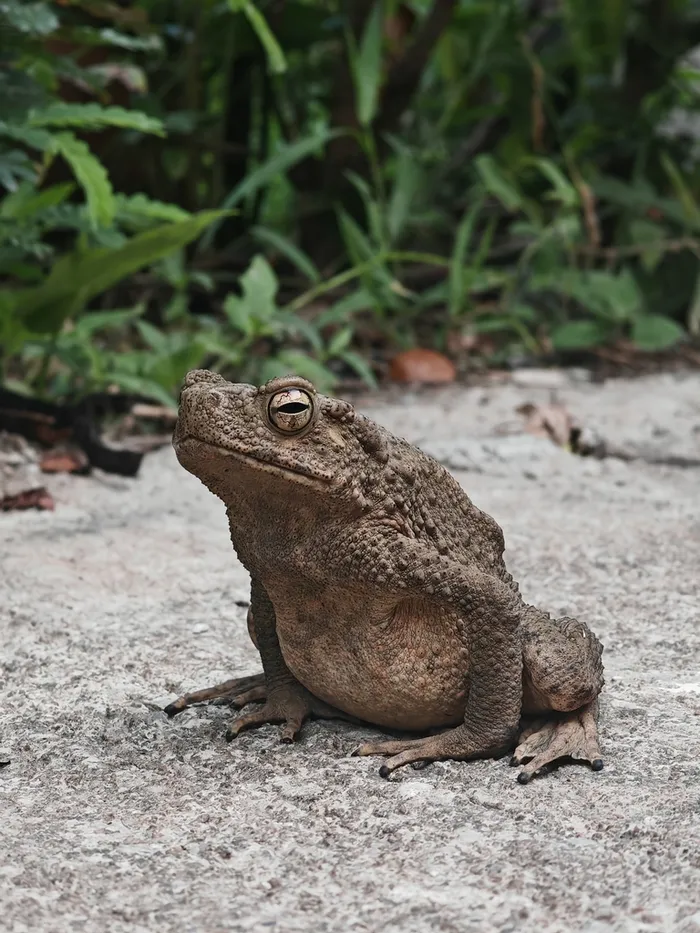
River Toad (Phrynoidis asper). The river toad is a Southeast Asian bufonid; 'giant' is a relative common name, not a fixed size for every individual.
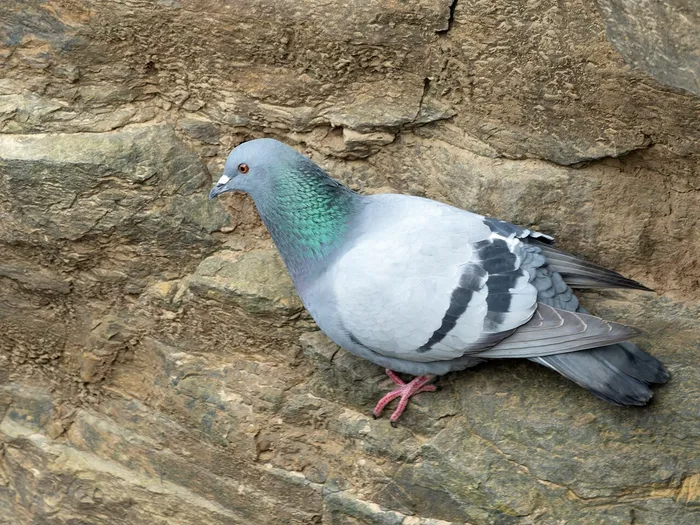
Rock Pigeon (Columba livia). Rock pigeons include wild-type birds and free-living domestic descendants; an urban record need not represent an original wild population.
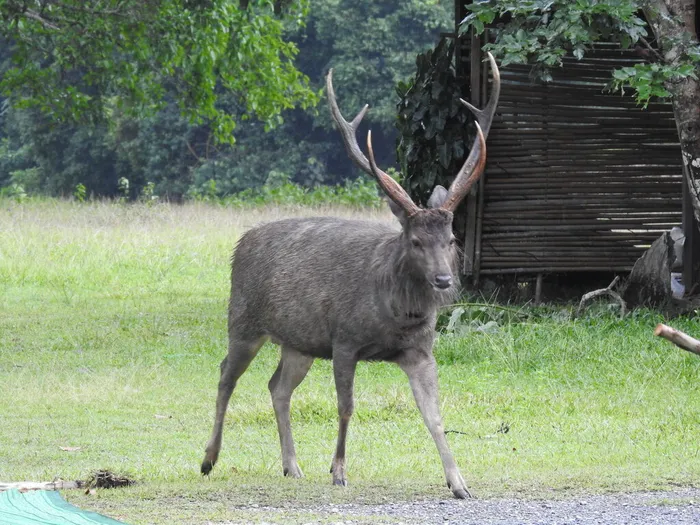
The sambar (Rusa unicolor) is Indonesia's largest deer, found in the forests of Sumatra and Borneo; it is Vulnerable and protected in Indonesia.
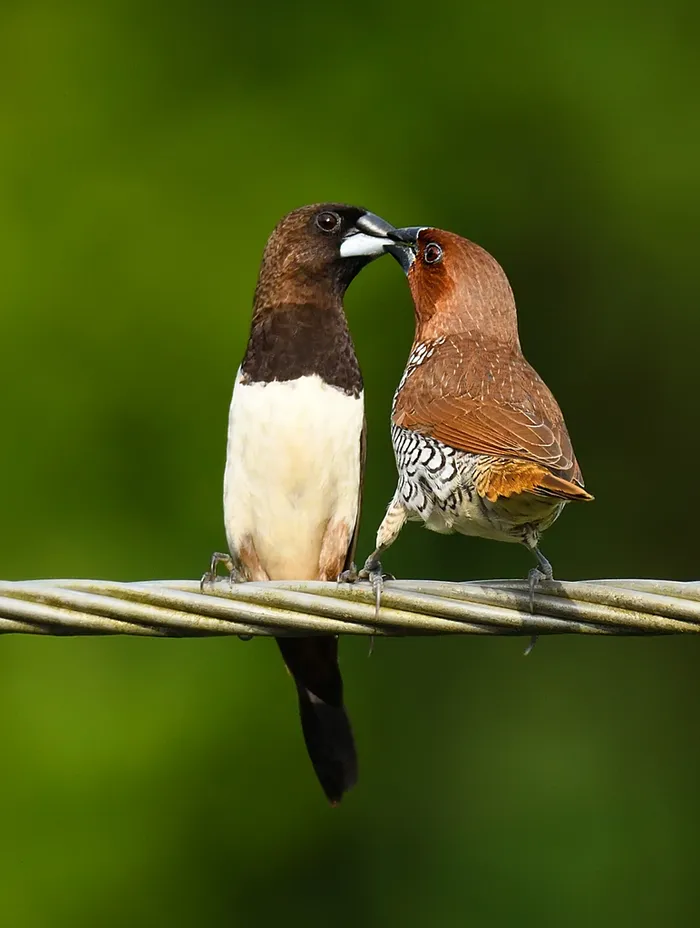
Scaly-breasted Munia (Lonchura punctulata). Adults show scale-like marks across the breast and belly, a brown back and a stout dark bill; young birds are plainer.
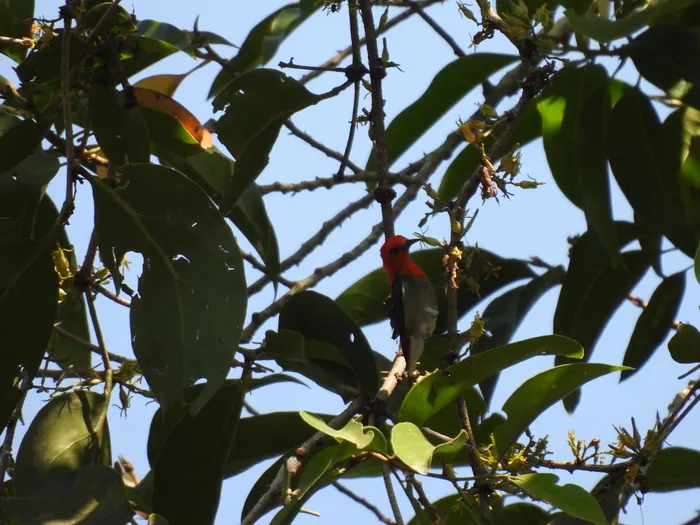
Scarlet-headed Flowerpecker (Dicaeum trochileum). The scarlet-headed flowerpecker is an Indonesian-endemic dicaeid; the male's red head is a clue, making sex and age relevant to identification.
The largest gibbon, with a throat sac that amplifies its calls. Group life connects communication, infant care, and connected forest.
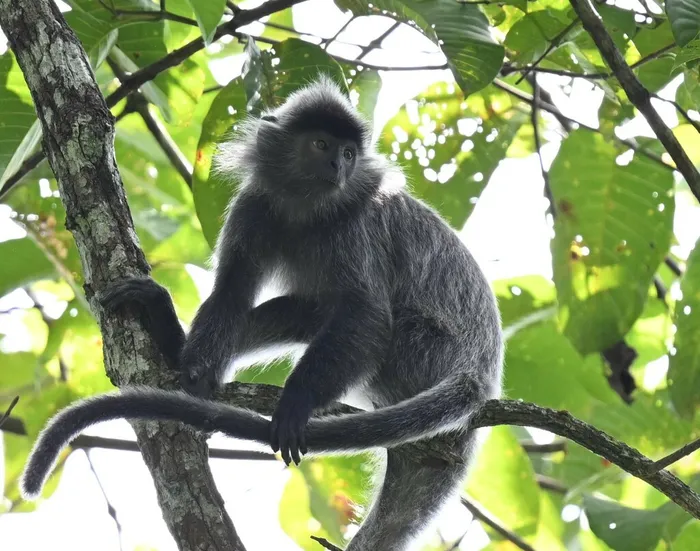
Silvered Leaf Monkey (Trachypithecus cristatus). Silvered leaf monkeys use coastal, mangrove and riverine forest; presence at one site cannot stand for their status across Borneo or Sumatra.
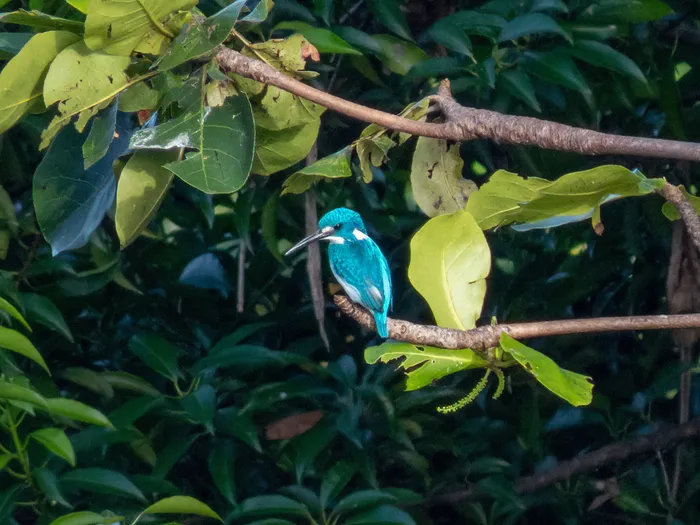
Small Blue Kingfisher (Alcedo coerulescens). This Indonesian kingfisher is metallic blue and white; size and pattern matter because other kingfishers also appear blue.
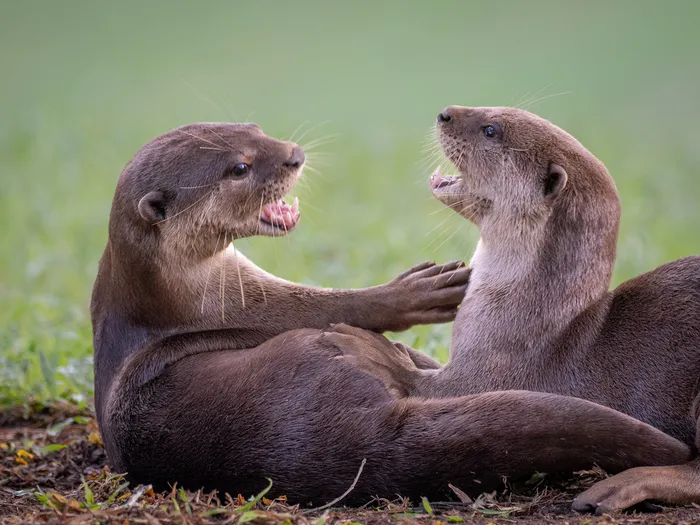
The smooth-coated otter (Lutrogale perspicillata) is Indonesia's largest otter, with short sleek fur, living in family groups in rivers, swamps and mangroves.
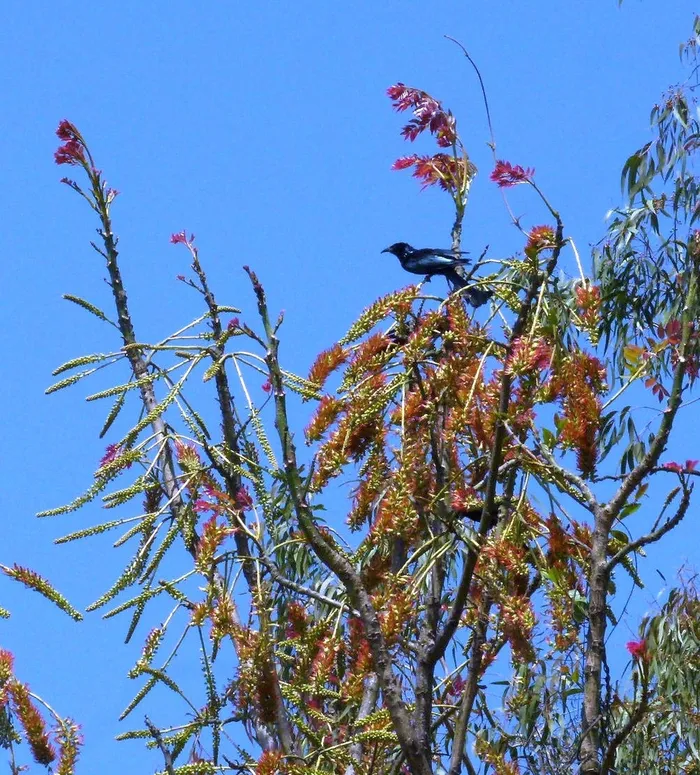
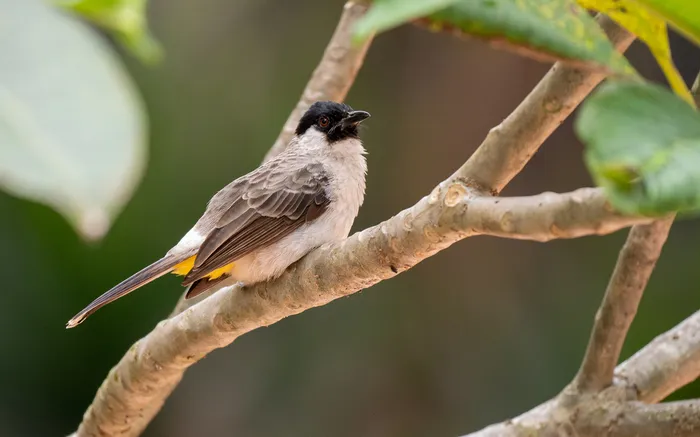
The sooty-headed bulbul (Pycnonotus aurigaster) is a black-capped bulbul native to Java and Bali, common in gardens and towns but widely trapped for sale.
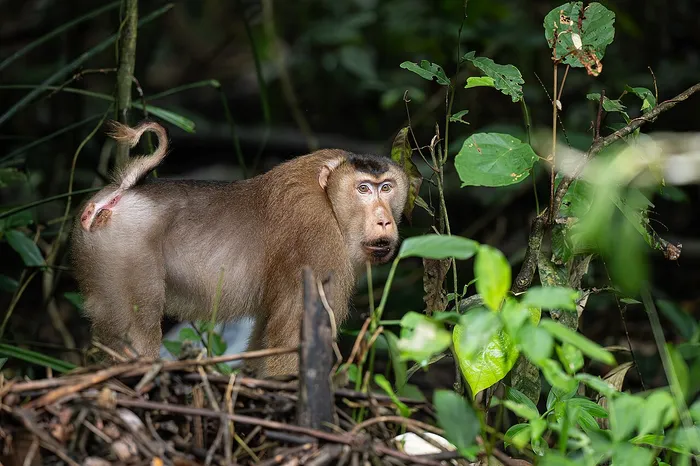
Southern Pig-tailed Macaque (Macaca nemestrina). The southern pig-tailed macaque has a relatively short pig-like tail; it differs from long-tailed macaques and occurs across mainland Southeast Asia and Indonesia.
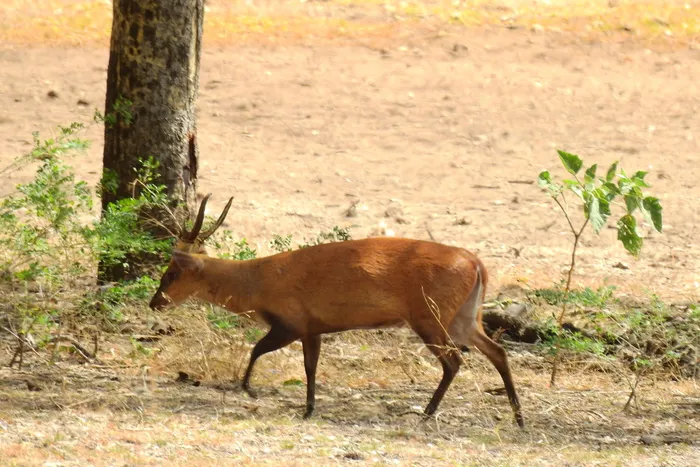
The southern red muntjac (Muntiacus muntjak) is a small deer with short antlers and tusks, found in Sumatra, Borneo, Java, Bali and Lombok.
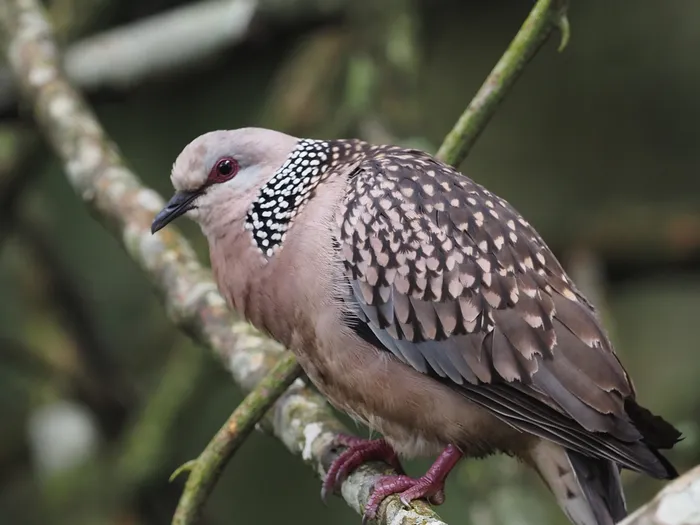
A small, long-tailed dove with white spots on a black neck patch. It uses open land, gardens and forest edges while searching for seeds.
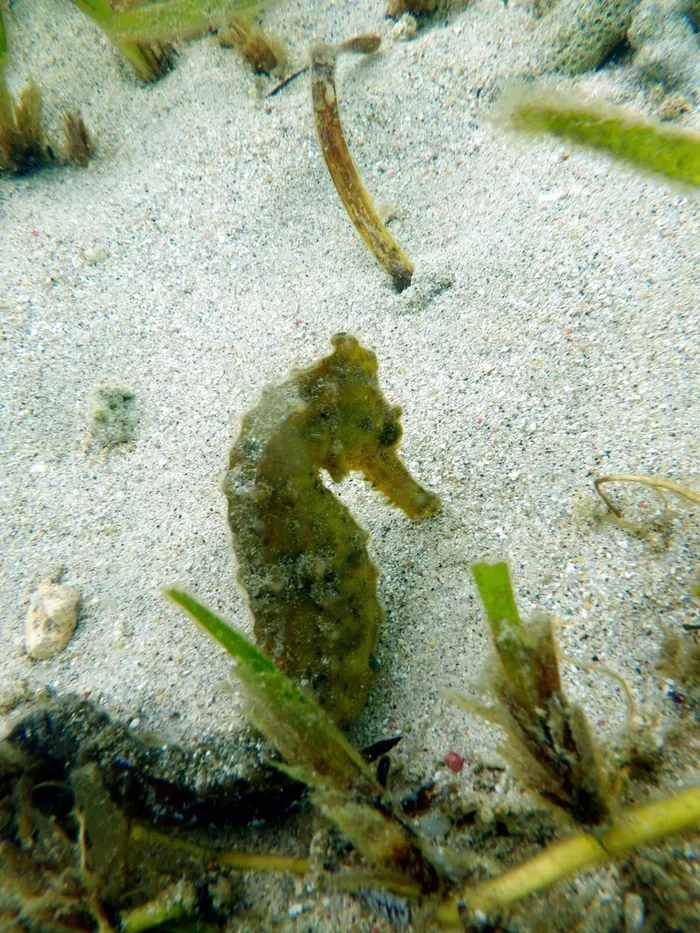
The spotted seahorse (Hippocampus kuda) is a small horse-headed fish whose males carry the young; it lives in seagrass and estuaries and is widely traded.
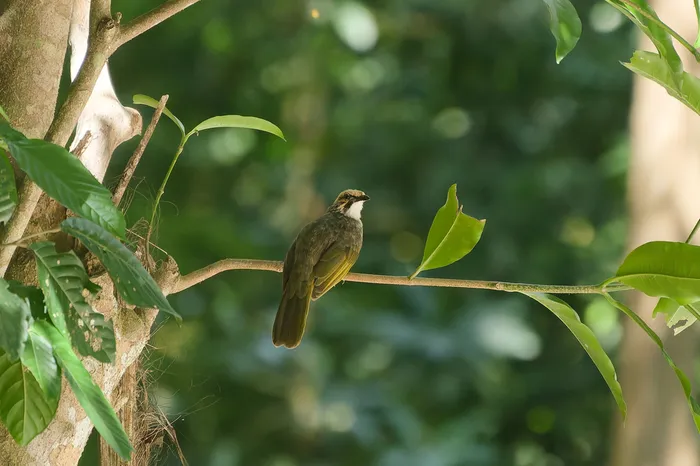
The straw-headed bulbul (Pycnonotus zeylanicus) is a large, straw-crowned bulbul now Critically Endangered because of trapping for the bird trade.
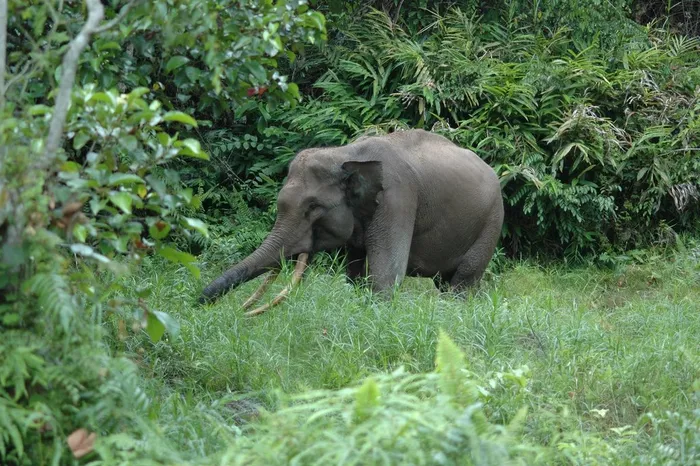
A large herbivore that disperses seeds and shapes forests. Its conservation needs connected movement space and solutions developed with communities living nearby.
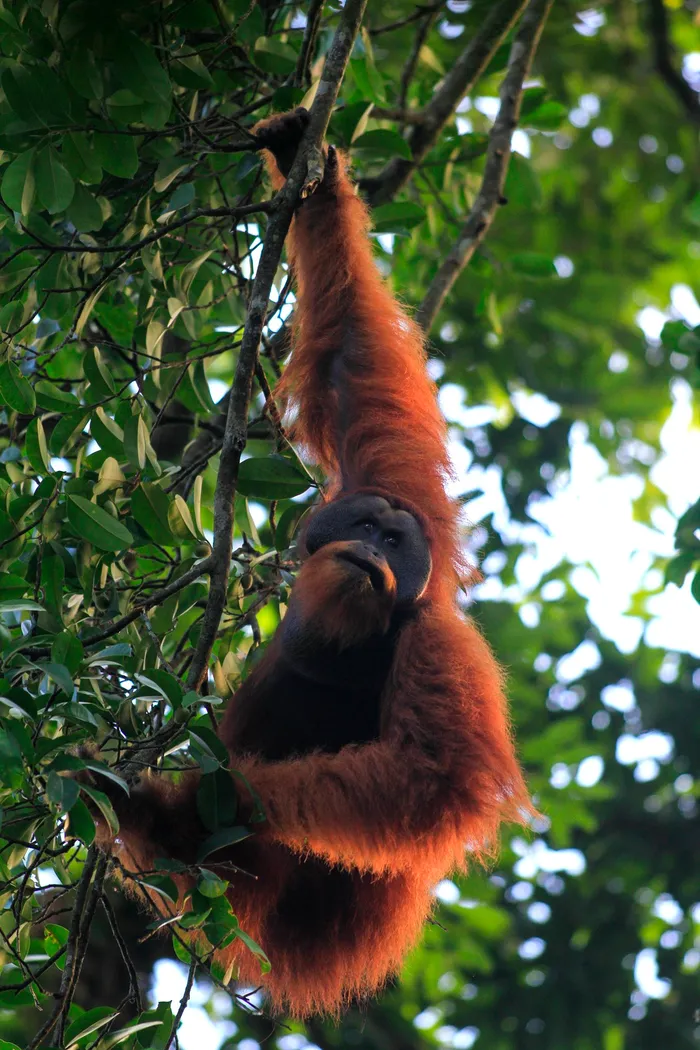
A great ape of northern Sumatra’s forest canopy. Its future depends on connected forests, regenerating trees, and safe coexistence with people.
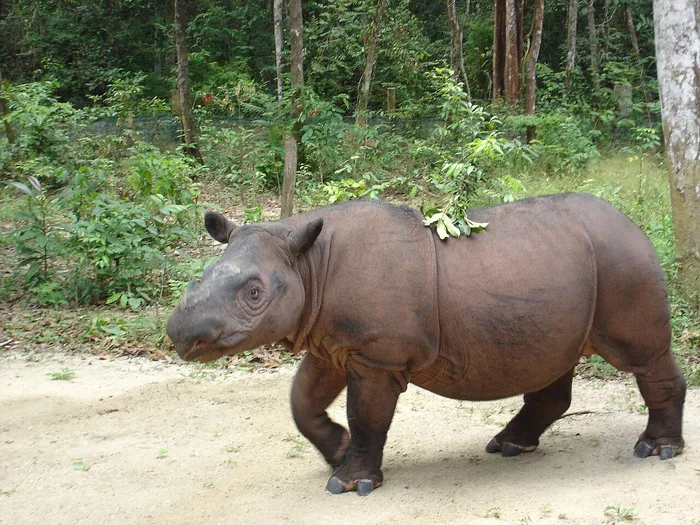
The smallest living rhino and the only two-horned Asian rhino. Isolated populations make finding mates and protecting habitat particular challenges.
Sumatran Surili (Presbytis melalophos). The Sumatran surili is a forest primate endemic to Sumatra, with forest loss and fragmentation reported as pressures in parts of its range.
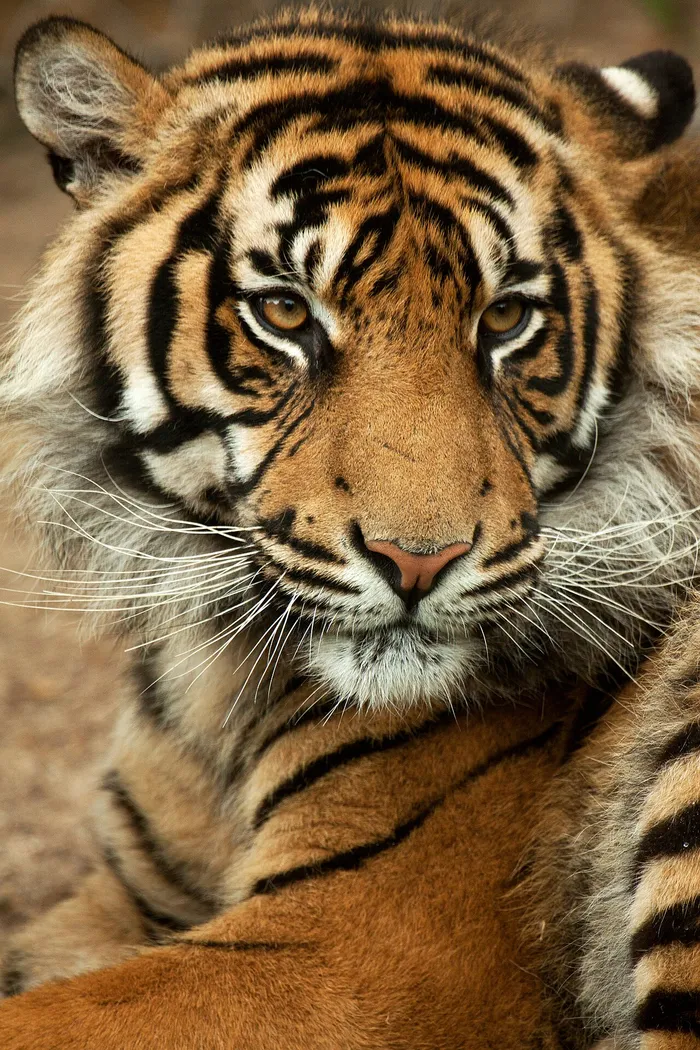
The last surviving Sunda Island tiger population lives in Sumatra. Protecting forest, prey, and movement routes supports a whole living landscape.
The world’s smallest bear climbs trees and uses varied forest foods. Its Indonesian name, honey bear, does not describe its entire diet.
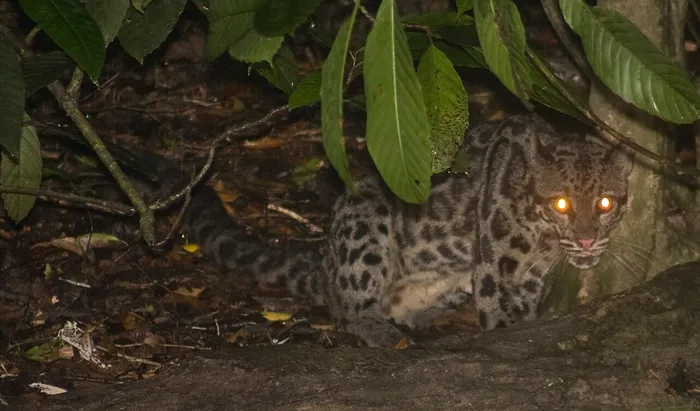
A cloud-patterned forest cat from Sumatra and Borneo. Long-term research helps reveal the life of this rarely seen animal.
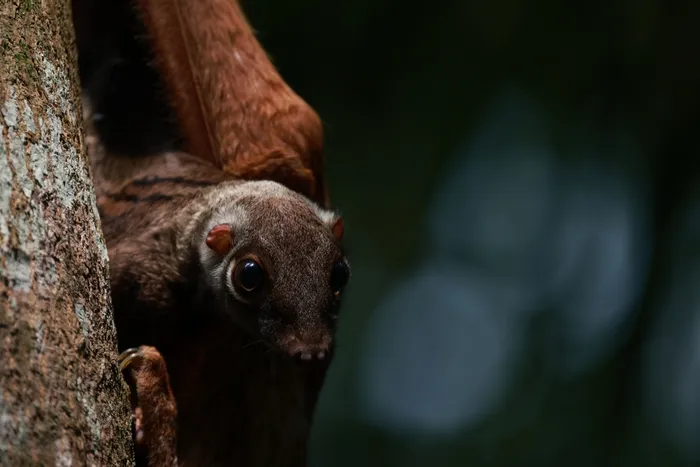
Sunda Colugo (Galeopterus variegatus). The Sunda colugo is neither lemur nor bat; a skin membrane between its limbs lets it glide between trees.
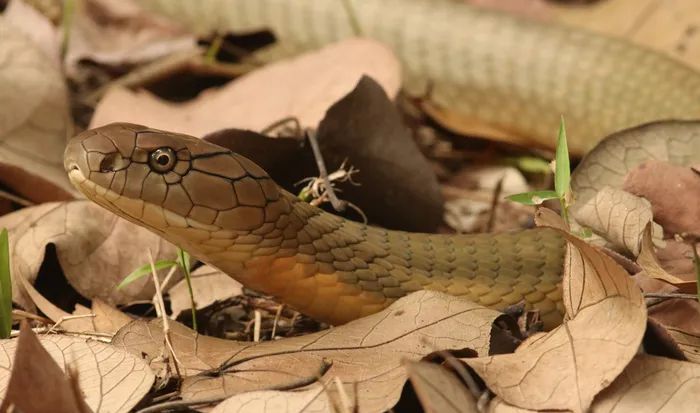
The Sunda king cobra (Ophiophagus bungarus) is a venomous snake-eater of Sumatra, Java, Borneo and Bali, separated from O. hannah in 2024.
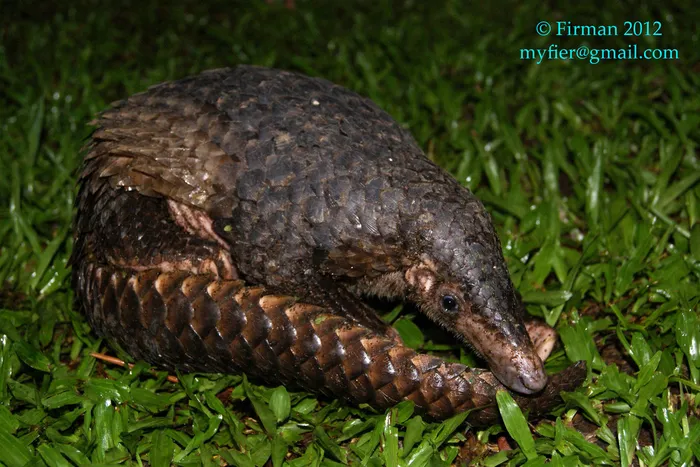
A scaled, ant- and termite-eating mammal threatened by illegal trade. Climbing and secretive behaviour make direct observation difficult.
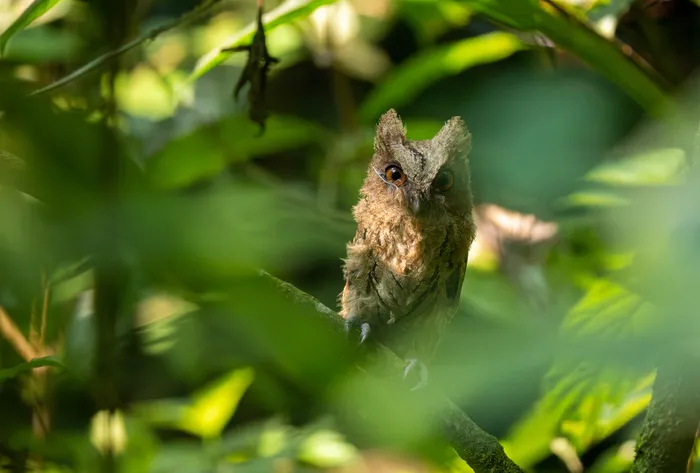
The Sunda scops owl (Otus lempiji) is a small owl with short ear tufts that lives in forest, gardens and wooded parks in Sumatra, Java, Borneo and Bali.
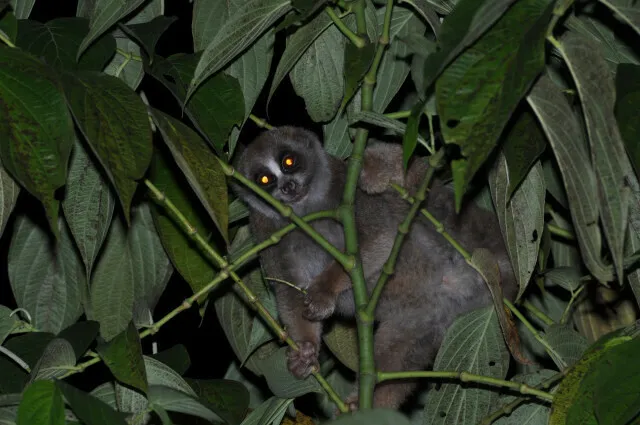
The Sunda slow loris (Nycticebus coucang) is a slow, venomous nocturnal primate of Sumatra, threatened by the pet trade and protected in Indonesia.
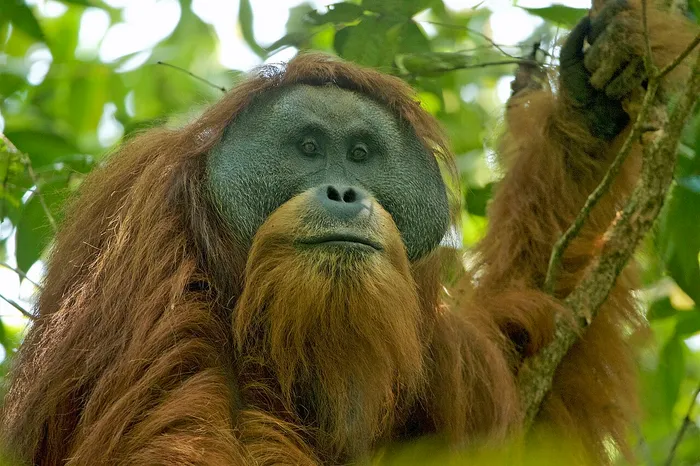
An orangutan species described in 2017 from Batang Toru. Its exceptionally restricted range makes protection of remaining forest especially important.
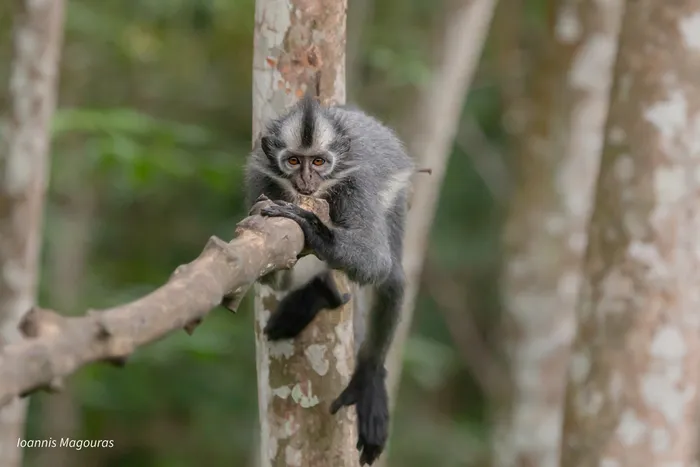
Thomas’s Langur (Presbytis thomasi). Thomas's langur is restricted to northern Sumatra; habitat loss is reported as a pressure, while each local group needs separate assessment.
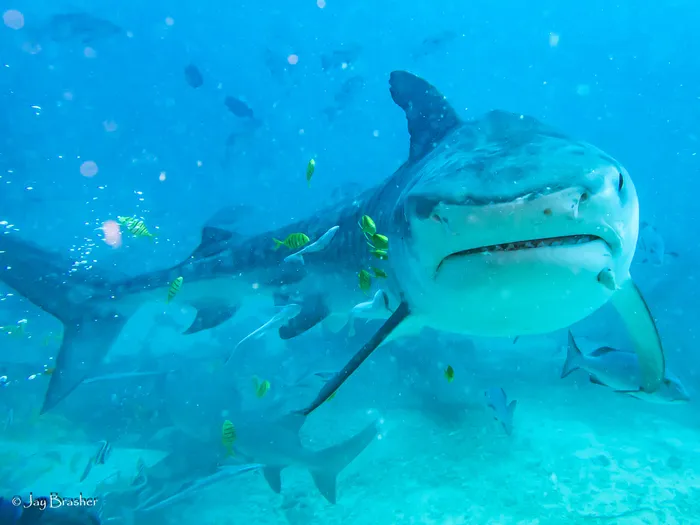
The tiger shark (Galeocerdo cuvier) is a large striped shark that eats almost anything and is among the sharks most often involved in bites on people.
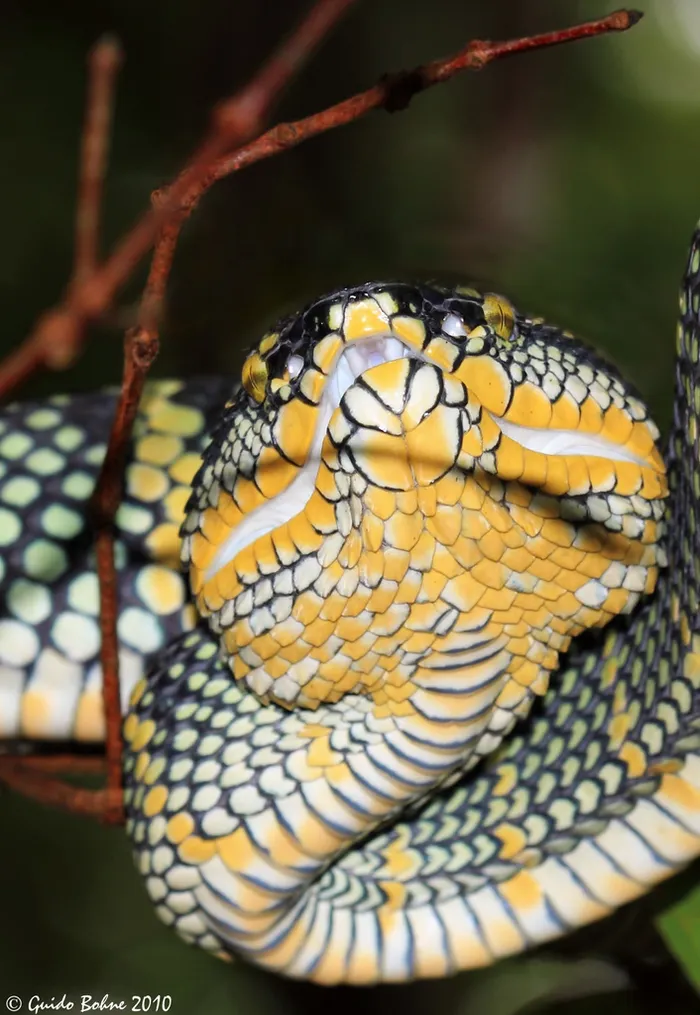
Wagler's Pit Viper (Tropidolaemus wagleri). Wagler's pitviper is a venomous Southeast Asian snake; the 'temple' nickname comes from a well-known site, not every habitat.
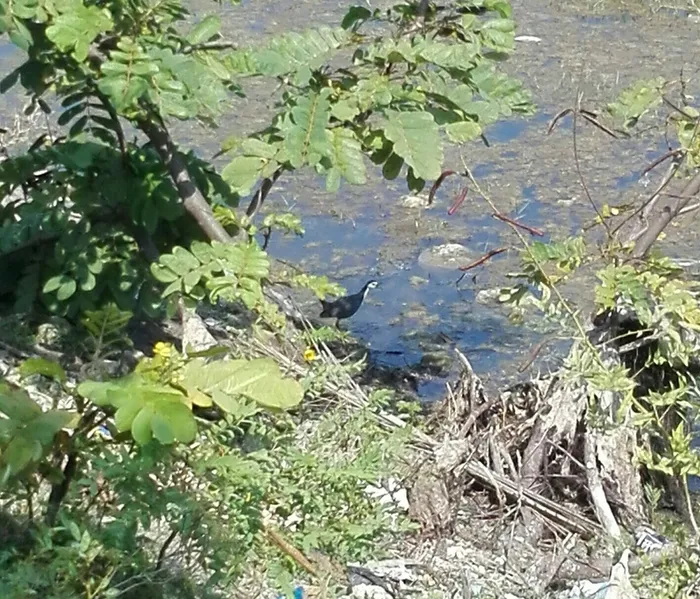
White-breasted Waterhen (Amaurornis phoenicurus). This waterhen has a dark body and conspicuously white face and breast; records should include the waterside vegetation where it was seen.
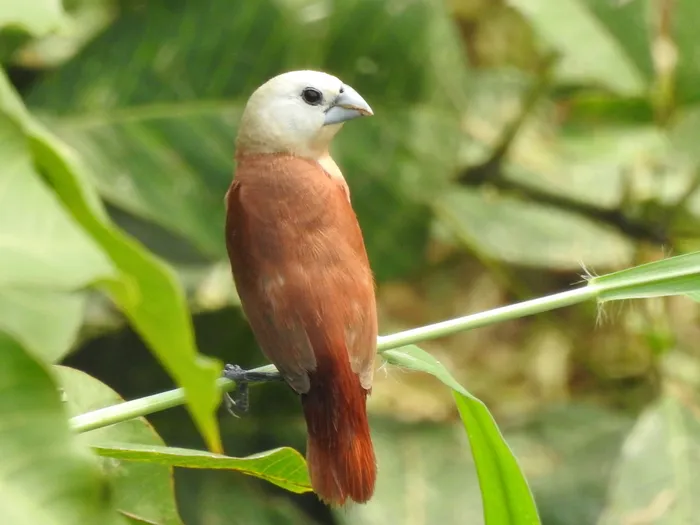
White-headed Munia (Lonchura maja). The white-headed munia uses wetlands and grassy places; the adult's white head helps identification, while young birds are harder to separate.
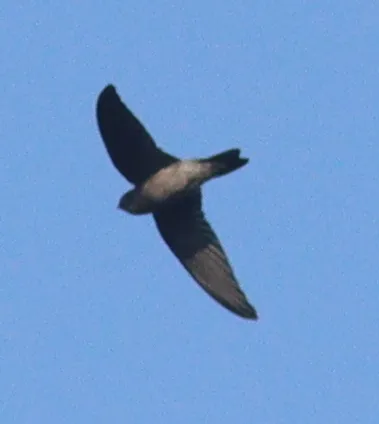
White-nest Swiftlet (Aerodramus fuciphagus). The edible-nest swiftlet makes a nest largely of hardened saliva; nest harvesting is a human activity separate from the bird's own life cycle.
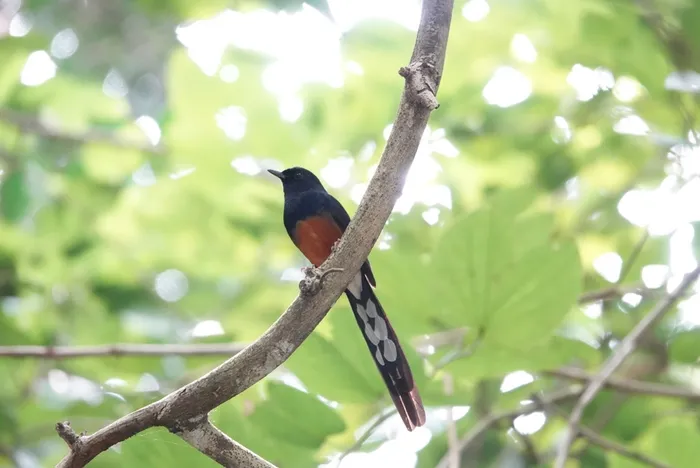
The white-rumped shama (Copsychus malabaricus) is a forest songbird with a rich song whose Indonesian populations have fallen through trapping for trade.
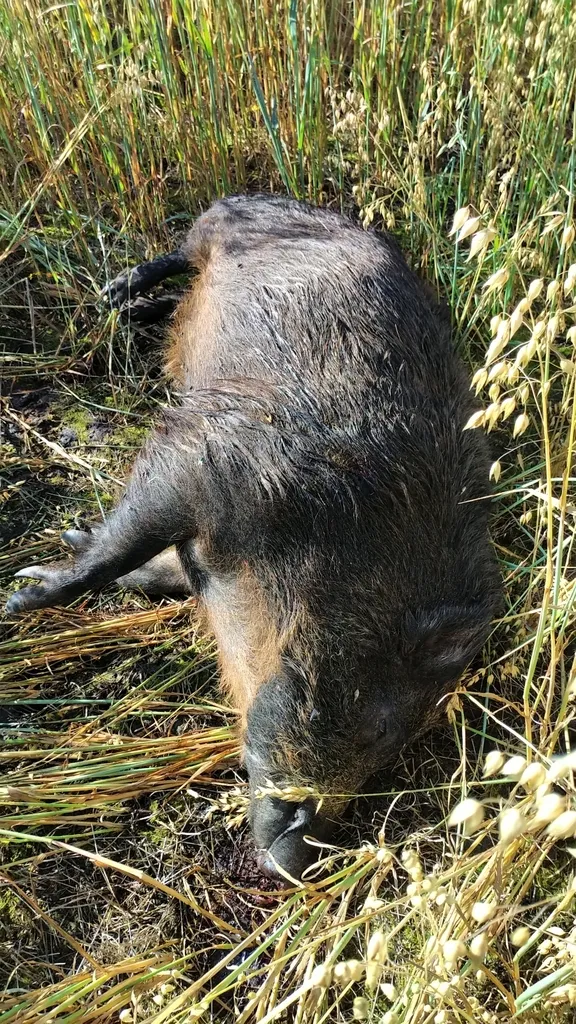
Wild Boar (Sus scrofa). Wild boar have both native and human-transported populations; wild, domestic and feral animals must not be combined into a single population claim.
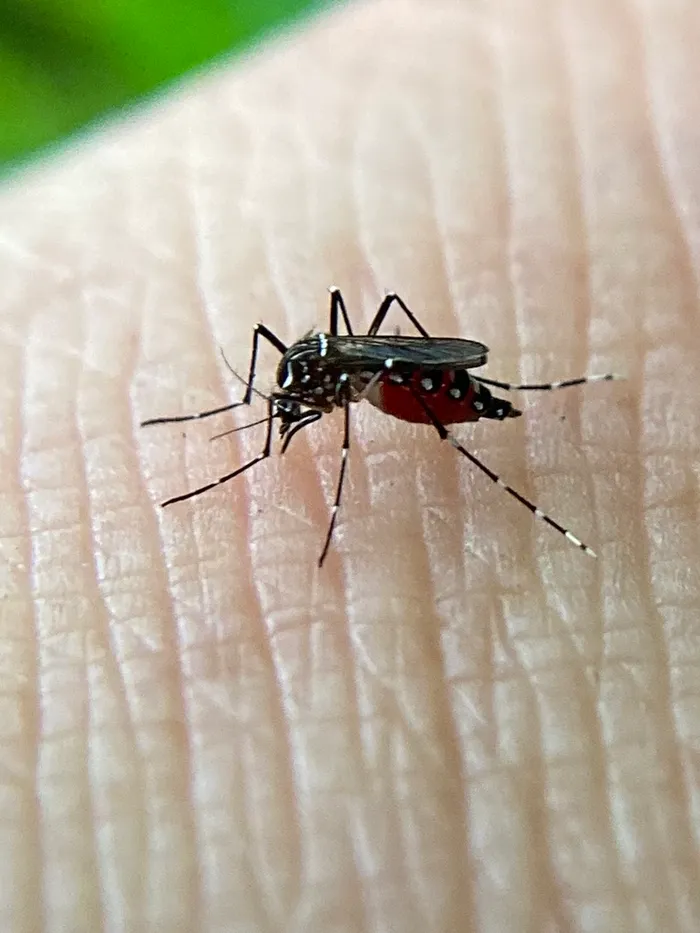
The yellow fever mosquito (Aedes aegypti) is a black-and-white, day-biting mosquito and the main carrier of dengue virus in Indonesia.
A songbird with a conspicuous yellow vent that often uses gardens, parks and forest edges. Local studies document fruit and insect feeding.
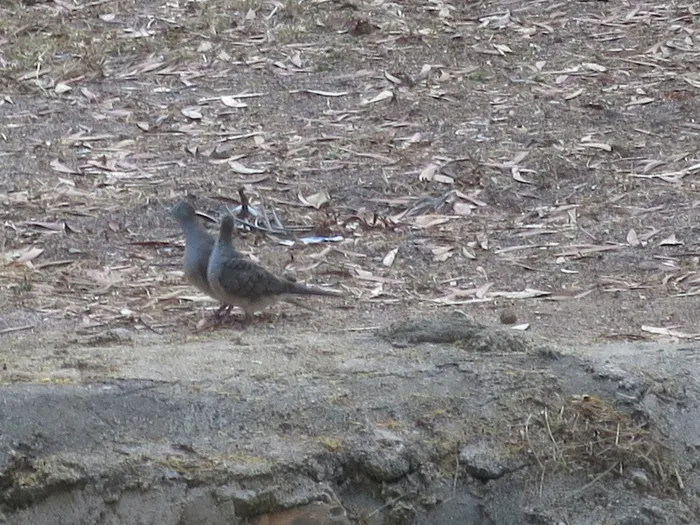
Zebra Dove (Geopelia striata). This small dove has a relatively long tail, fine black-and-white barring over grey-brown plumage and a soft repeated coo.
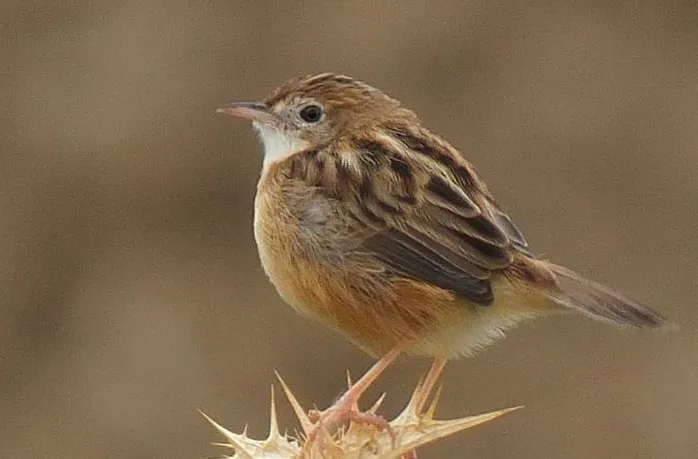
Zitting Cisticola (Cisticola juncidis). The zitting cisticola uses open grassy cover; its repeated short call in flight can reveal it before plumage details are clear.
| Name | Scientific name | Group | Conservation status |
|---|---|---|---|
| Agile gibbon | Hylobates agilis | Mammals | Endangered |
| Ashy Drongo | Dicrurus leucophaeus | Birds | Least Concern |
| Asian Emerald Dove | Chalcophaps indica | Birds | Least Concern |
| Asian honey bee | Apis cerana | Invertebrates | Not recorded |
| Asian small-clawed otter | Aonyx cinereus | Mammals | Not recorded |
| Banded krait | Bungarus fasciatus | Reptiles | Least Concern |
| Banded Malaysian coral snake | Calliophis intestinalis | Reptiles | Least Concern |
| Barn owl | Tyto alba | Birds | Least Concern |
| Barn Swallow | Hirundo rustica | Birds | Least Concern |
| Bearded pig | Sus barbatus | Mammals | Vulnerable |
| Binturong | Arctictis binturong | Mammals | Vulnerable |
| Black Giant Squirrel | Ratufa bicolor | Mammals | Near Threatened |
| Black-naped Monarch | Hypothymis azurea | Birds | Least Concern |
| Black-naped Oriole | Oriolus chinensis | Birds | Least Concern |
| Black-striped Squirrel | Callosciurus nigrovittatus | Mammals | Least Concern |
| Black-winged Flycatcher-shrike | Hemipus hirundinaceus | Birds | Least Concern |
| Blue Pansy | Junonia orithya | Invertebrates | Least Concern |
| Blue-tailed Bee-eater | Merops philippinus | Birds | Least Concern |
| Bluespotted Maskray | Neotrygon caeruleopunctata | Marine | Least Concern |
| Brown-throated Sunbird | Anthreptes malacensis | Birds | Least Concern |
| Collared kingfisher | Todiramphus chloris | Birds | Least Concern |
| Common hill myna | Gracula religiosa | Birds | Least Concern |
| Common Iora | Aegithina tiphia | Birds | Least Concern |
| Coppersmith Barbet | Psilopogon haemacephalus | Birds | Least Concern |
| Crab-eating Frog | Fejervarya cancrivora | Amphibians | Least Concern |
| Crested serpent eagle | Spilornis cheela | Birds | Least Concern |
| Diadem Roundleaf Bat | Hipposideros diadema | Mammals | Least Concern |
| Dollarbird | Eurystomus orientalis | Birds | Least Concern |
| Double-spotted Gecko | Gekko monarchus | Reptiles | Least Concern |
| Eurasian tree sparrow | Passer montanus | Birds | Least Concern |
| False gharial | Tomistoma schlegelii | Reptiles | Endangered |
| Fawn Roundleaf Bat | Hipposideros cervinus | Mammals | Least Concern |
| Golden-bellied Gerygone | Gerygone sulphurea | Birds | Least Concern |
| Gray-rumped Treeswift | Hemiprocne longipennis | Birds | Least Concern |
| Great Egret | Ardea alba | Birds | Least Concern |
| Green Imperial Pigeon | Ducula aenea | Birds | Near Threatened |
| Green Paddy Frog | Hylarana erythraea | Amphibians | Least Concern |
| Hair-crested Drongo | Dicrurus hottentottus | Birds | Least Concern |
| Helmeted hornbill | Rhinoplax vigil | Birds | Not recorded |
| House Swift | Apus nipalensis | Birds | Least Concern |
| Humphead wrasse | Cheilinus undulatus | Marine | Endangered |
| Indo-Pacific bottlenose dolphin | Tursiops aduncus | Marine | Near Threatened |
| Keeled Slug Snake | Pareas carinatus | Reptiles | Least Concern |
| Lar Gibbon | Hylobates lar | Mammals | Endangered |
| Large Flying-fox | Pteropus vampyrus | Mammals | Endangered |
| Lesser short-nosed fruit bat | Cynopterus brachyotis | Mammals | Least Concern |
| Little Egret | Egretta garzetta | Birds | Least Concern |
| Long-tailed macaque | Macaca fascicularis | Mammals | Endangered |
| Malay civet | Viverra tangalunga | Mammals | Least Concern |
| Malayan krait | Bungarus candidus | Reptiles | Least Concern |
| Malayan porcupine | Hystrix brachyura | Mammals | Least Concern |
| Malayan tapir | Tapirus indicus | Mammals | Endangered |
| Malaysian Pied-Fantail | Rhipidura javanica | Birds | Least Concern |
| Marbled cat | Pardofelis marmorata | Mammals | Near Threatened |
| Oriental magpie-robin | Copsychus saularis | Birds | Least Concern |
| Painted terrapin | Batagur borneoensis | Reptiles | Critically Endangered |
| Pink-necked Green-Pigeon | Treron vernans | Birds | Least Concern |
| Plaintive Cuckoo | Cacomantis merulinus | Birds | Least Concern |
| Poisonous Rock Frog | Odorrana hosii | Amphibians | Least Concern |
| Prevost's Squirrel | Callosciurus prevostii | Mammals | Least Concern |
| Puff-faced Water Snake | Homalopsis buccata | Reptiles | Least Concern |
| Purple Heron | Ardea purpurea | Birds | Least Concern |
| Reinwardt's flying frog | Rhacophorus reinwardtii | Amphibians | Least Concern |
| Rhinoceros hornbill | Buceros rhinoceros | Birds | Vulnerable |
| River Toad | Phrynoidis asper | Amphibians | Least Concern |
| Rock Pigeon | Columba livia | Birds | Least Concern |
| Sambar deer | Rusa unicolor | Mammals | Vulnerable |
| Scaly-breasted Munia | Lonchura punctulata | Birds | Least Concern |
| Scarlet-headed Flowerpecker | Dicaeum trochileum | Birds | Least Concern |
| Siamang | Symphalangus syndactylus | Mammals | Endangered |
| Silvered Leaf Monkey | Trachypithecus cristatus | Mammals | Vulnerable |
| Small Blue Kingfisher | Alcedo coerulescens | Birds | Least Concern |
| Smooth-coated otter | Lutrogale perspicillata | Mammals | Vulnerable |
| Sooty-headed bulbul | Pycnonotus aurigaster | Birds | Least Concern |
| Southern Pig-tailed Macaque | Macaca nemestrina | Mammals | Endangered |
| Southern red muntjac | Muntiacus muntjak | Mammals | Least Concern |
| Spotted dove | Spilopelia chinensis | Birds | Least Concern |
| Spotted seahorse | Hippocampus kuda | Marine | Vulnerable |
| Straw-headed bulbul | Pycnonotus zeylanicus | Birds | Critically Endangered |
| Sumatran elephant | Elephas maximus sumatranus | Mammals | Critically Endangered |
| Sumatran orangutan | Pongo abelii | Mammals | Critically Endangered |
| Sumatran rhinoceros | Dicerorhinus sumatrensis | Mammals | Critically Endangered |
| Sumatran Surili | Presbytis melalophos | Mammals | Endangered |
| Sumatran tiger | Panthera tigris sondaica | Mammals | Critically Endangered |
| Sun bear | Helarctos malayanus | Mammals | Vulnerable |
| Sunda clouded leopard | Neofelis diardi | Mammals | Vulnerable |
| Sunda Colugo | Galeopterus variegatus | Mammals | Least Concern |
| Sunda king cobra | Ophiophagus bungarus | Reptiles | Not recorded |
| Sunda pangolin | Manis javanica | Mammals | Critically Endangered |
| Sunda scops owl | Otus lempiji | Birds | Least Concern |
| Sunda slow loris | Nycticebus coucang | Mammals | Endangered |
| Tapanuli orangutan | Pongo tapanuliensis | Mammals | Critically Endangered |
| Thomas’s Langur | Presbytis thomasi | Mammals | Vulnerable |
| Tiger shark | Galeocerdo cuvier | Marine | Near Threatened |
| Wagler's Pit Viper | Tropidolaemus wagleri | Reptiles | Least Concern |
| White-breasted Waterhen | Amaurornis phoenicurus | Birds | Least Concern |
| White-headed Munia | Lonchura maja | Birds | Least Concern |
| White-nest Swiftlet | Aerodramus fuciphagus | Birds | Least Concern |
| White-rumped shama | Copsychus malabaricus | Birds | Least Concern |
| Wild Boar | Sus scrofa | Mammals | Least Concern |
| Yellow fever mosquito | Aedes aegypti | Invertebrates | Not recorded |
| Yellow-vented bulbul | Pycnonotus goiavier | Birds | Least Concern |
| Zebra Dove | Geopelia striata | Birds | Least Concern |
| Zitting Cisticola | Cisticola juncidis | Birds | Least Concern |
Search by name, habitat or island in the animal directory.