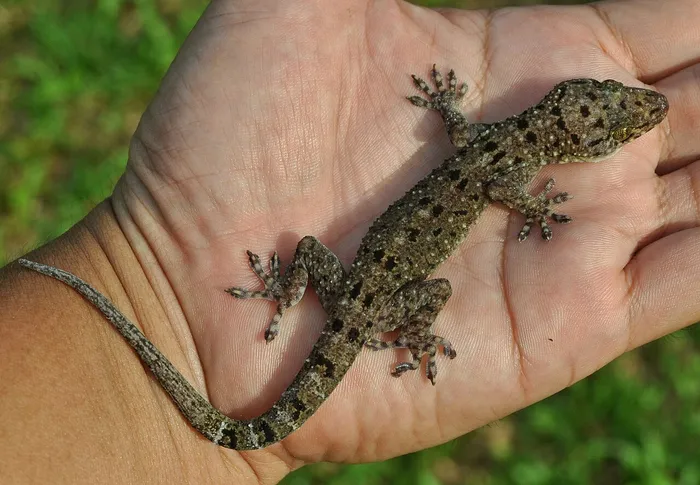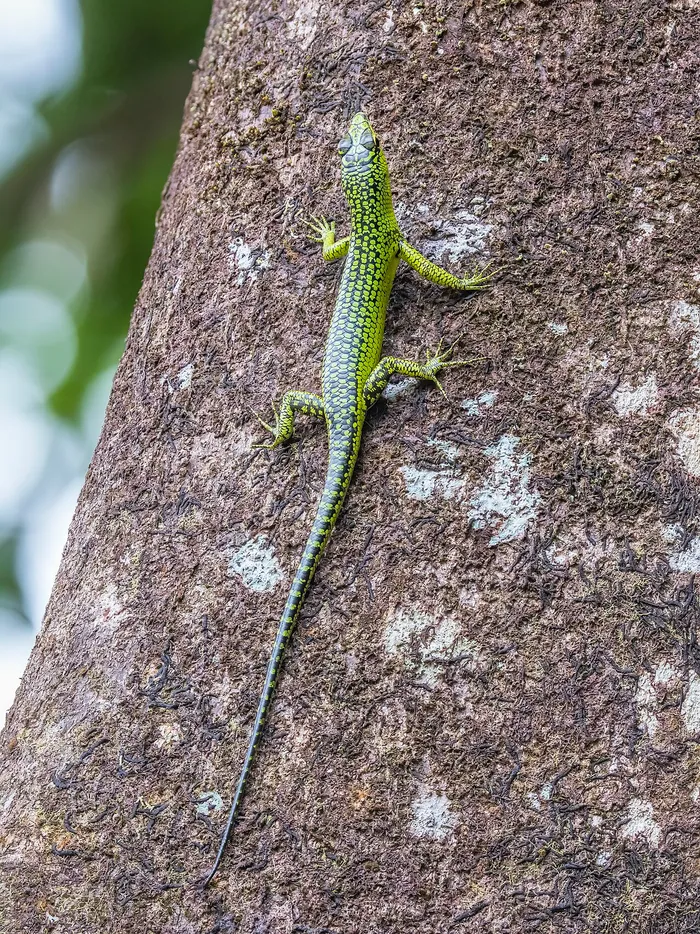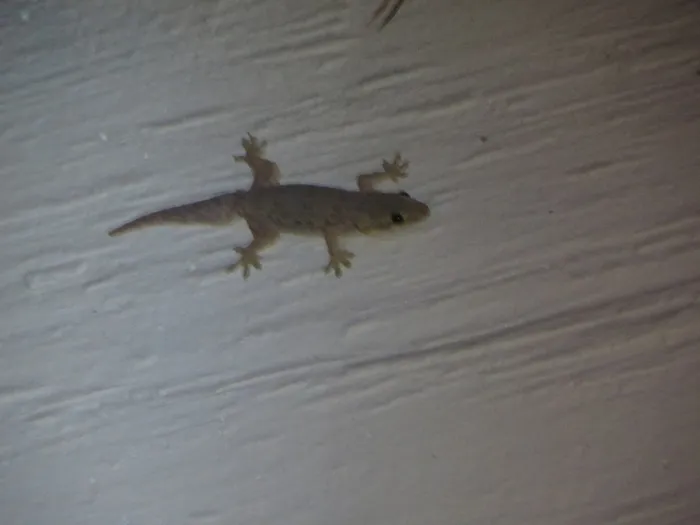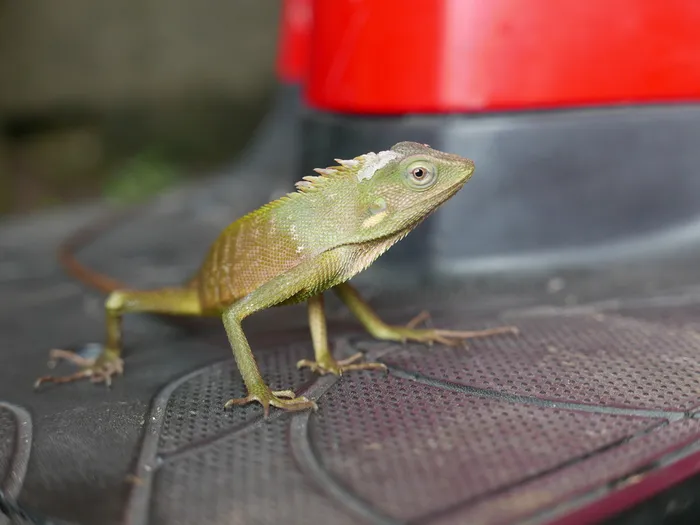
Hemidactylus frenatus
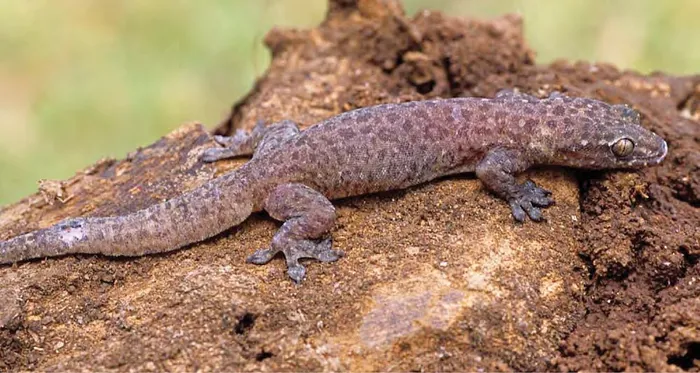
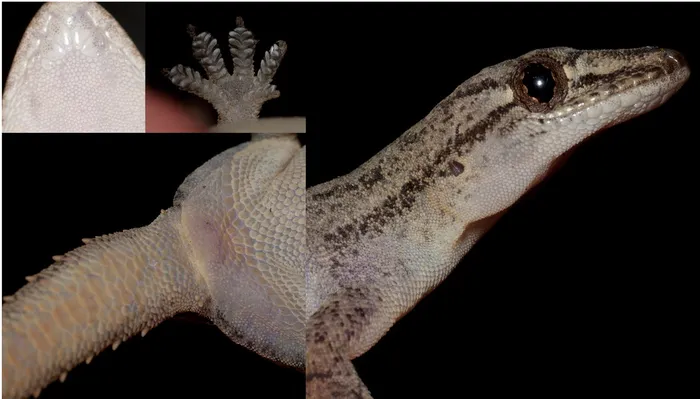
Asian House Gecko (Hemidactylus frenatus). The Asian house gecko often lives on buildings and hunts insects around lights; separate it from flat-tailed house geckos.
PANDUANHEWAN · INDONESIA
Meet 27 reptile species recorded in Indonesia, including the Komodo dragon, Saltwater crocodile and Asian water monitor, with scientific names, families, IUCN status (1 threatened) and sources.
PanduanHewan has 27 guides to reptile species recorded in Indonesia, across 12 families. Each guide lists the scientific name, traceable sources and, where available, the IUCN Red List category. 1 of them are threatened (Critically Endangered, Endangered or Vulnerable).
This list covers animals that already have a guide on this site; it is not a complete list of Indonesia’s reptile species.
Asian House Gecko (Hemidactylus frenatus). The Asian house gecko often lives on buildings and hunts insects around lights; separate it from flat-tailed house geckos.
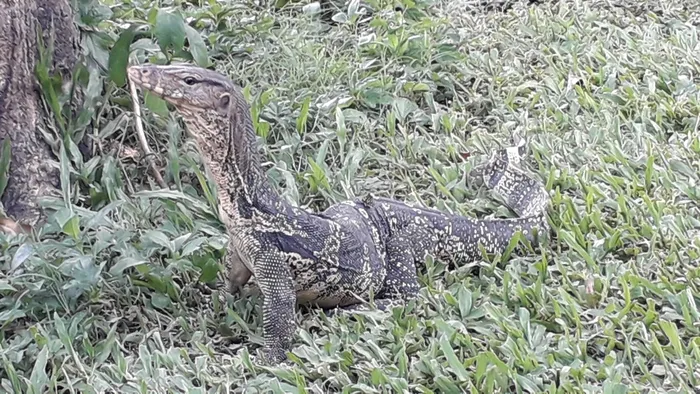
A large semi-aquatic lizard living near rivers, swamps, mangroves and some human-used areas. As both predator and scavenger, it connects aquatic and terrestrial food webs.
Common Four-clawed Gecko (Gehyra mutilata). The four-clawed gecko is widespread; its common name points to foot structure, while species identification still needs toe detail and locality.
Common Sun Skink (Eutropis multifasciata). The common sun skink uses open basking places; smooth scales and lengthwise pattern should be compared with other skinks.
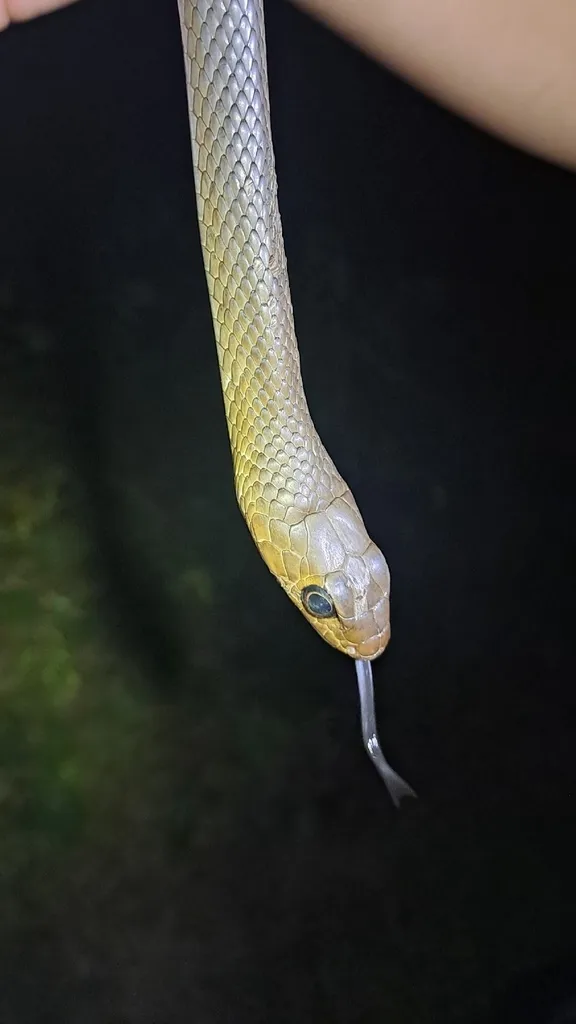
Common Wolf Snake (Lycodon capucinus). The common wolf snake is named for enlarged front teeth, not kinship with wolves; building encounters are often misidentified.
Double-spotted Gecko (Gekko monarchus). The double-spotted gecko occurs across the Malay Peninsula, Borneo and nearby islands; spots alone are insufficient without body shape and locality.
Emerald Tree Skink (Lamprolepis smaragdina). The emerald tree skink is a bright green arboreal skink; green colour alone cannot distinguish it from other green lizards.
Flat-tailed House Gecko (Hemidactylus platyurus). The flat-tailed house gecko has a noticeably flattened tail; tail and body form help distinguish it from other building-dwelling geckos.
Great Crested Canopy Lizard (Bronchocela jubata). The maned forest lizard is a slender arboreal agamid with a crest along the neck and back; its local 'chameleon' label is not a taxonomic classification.
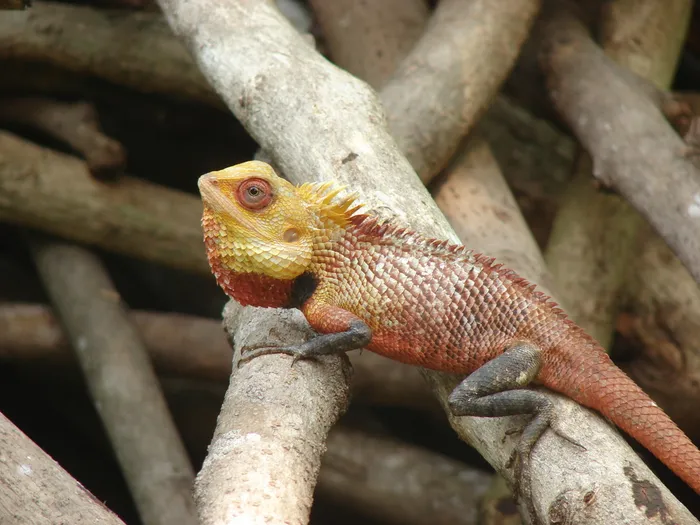
Indian Garden Lizard (Calotes versicolor). The oriental garden lizard can change colour with condition and behaviour; that does not make it a true chameleon.
Indo-Chinese Rat Snake (Ptyas korros). The Indo-Chinese rat snake is a Southeast Asian ratsnake; the common name does not imply every individual eats only rodents.
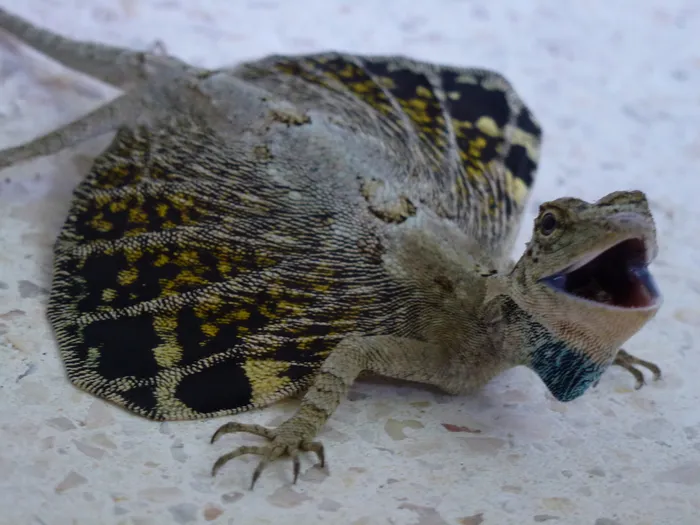
Javan Flying Dragon (Draco volans). The Javan flying dragon glides on rib-supported skin membranes; it has neither bird wings nor bat wings.
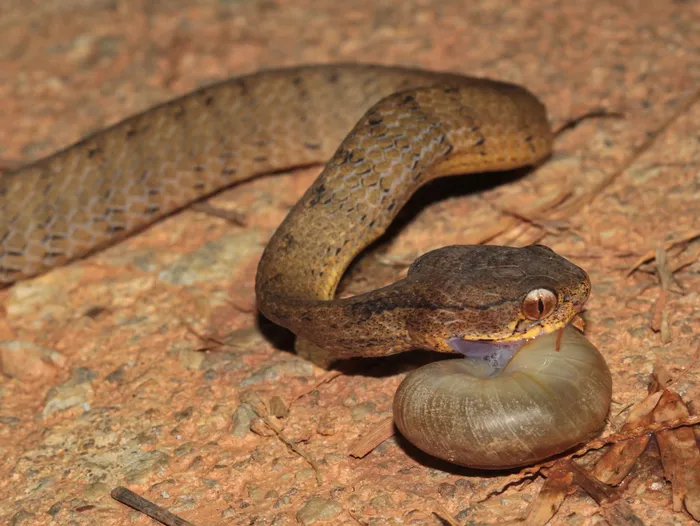
Keeled Slug Snake (Pareas carinatus). The keeled slug snake is a pareid associated with feeding on slugs and snails; a group name does not prove every individual meal.
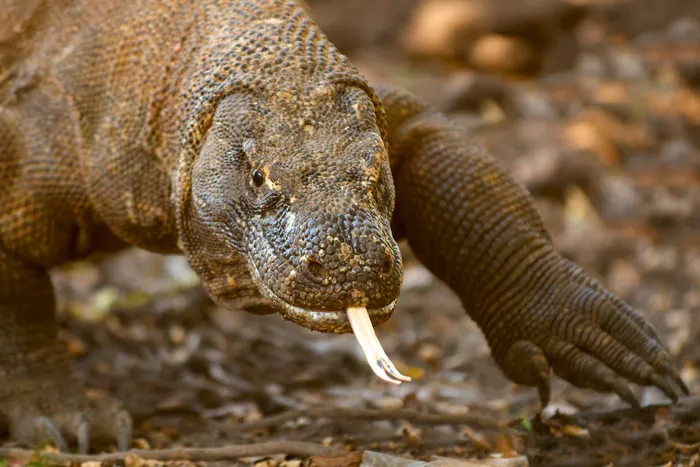
The largest living lizard, native to a small group of islands in East Nusa Tenggara. Explore its links with prey, dry habitats, and island-specific conservation.
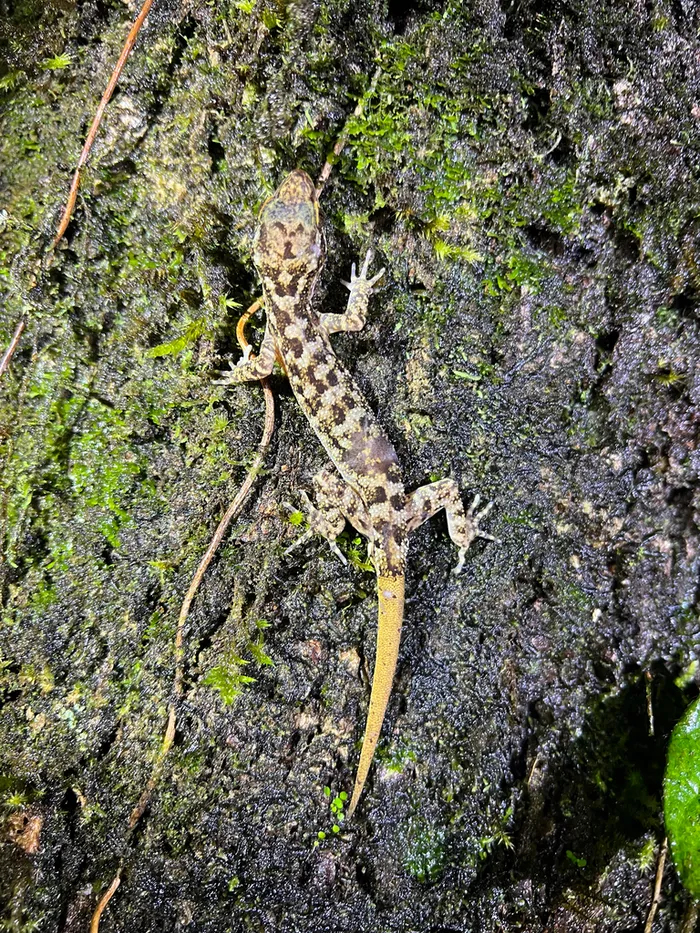
Marbled Bow-fingered Gecko (Cyrtodactylus marmoratus). The marbled bent-toed gecko occurs in Java and Southeast Asia; mottled pattern should be considered with toe shape and photo locality.
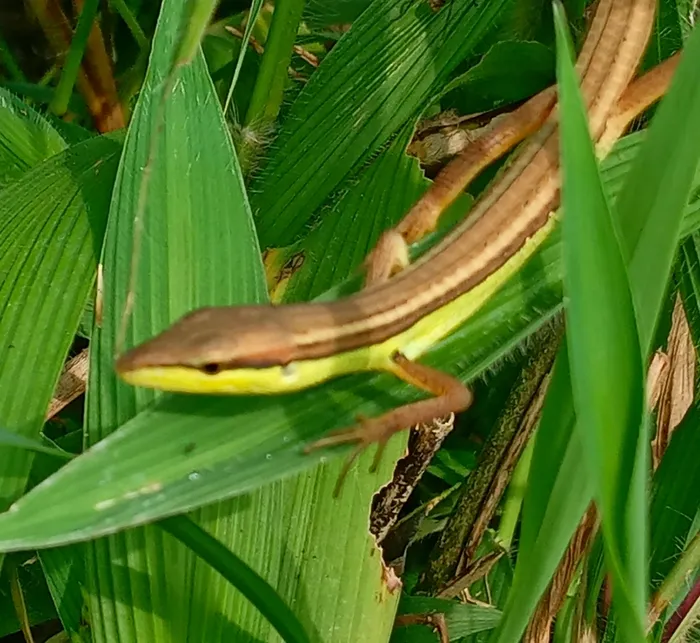
Oriental Long-tailed Grass Lizard (Takydromus sexlineatus). The long-tailed grass lizard often has a tail several times its body length; never pull it by the tail, which can be shed.
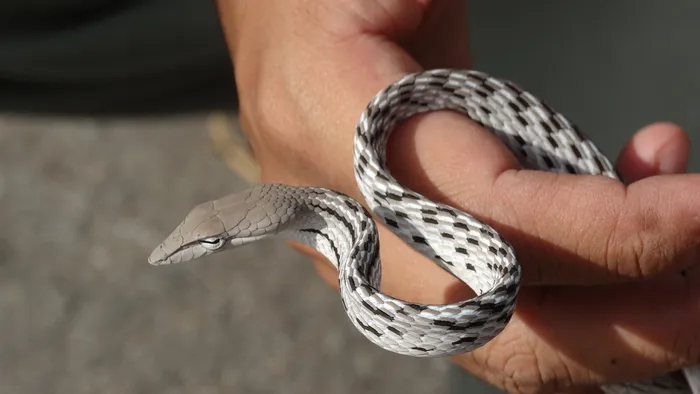
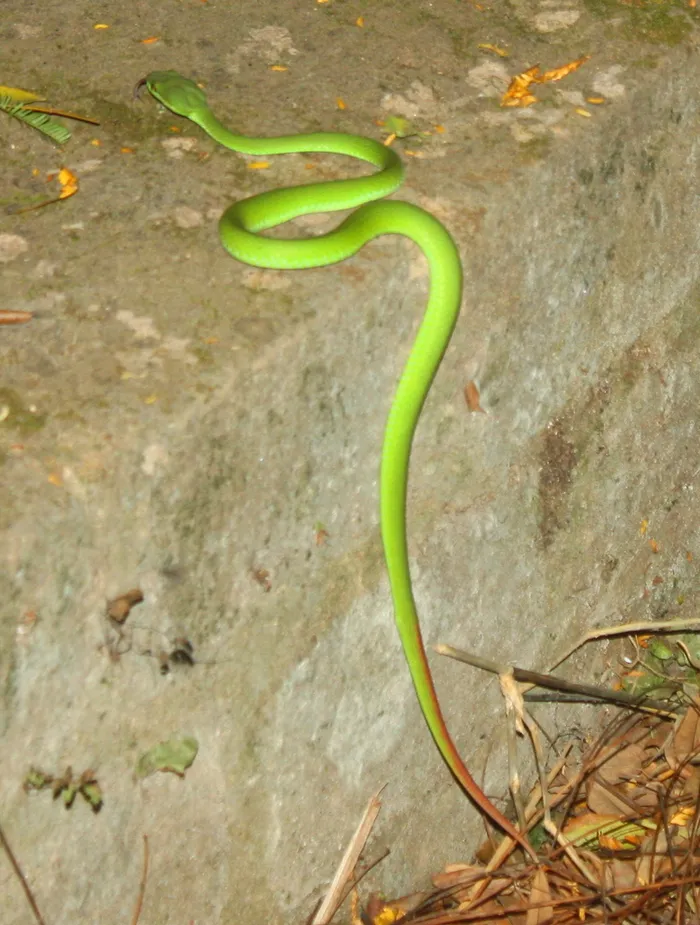
Oriental Whipsnake (Ahaetulla prasina). The oriental whipsnake is exceptionally slender and often found in vegetation; green colour alone cannot separate it from other tree snakes.
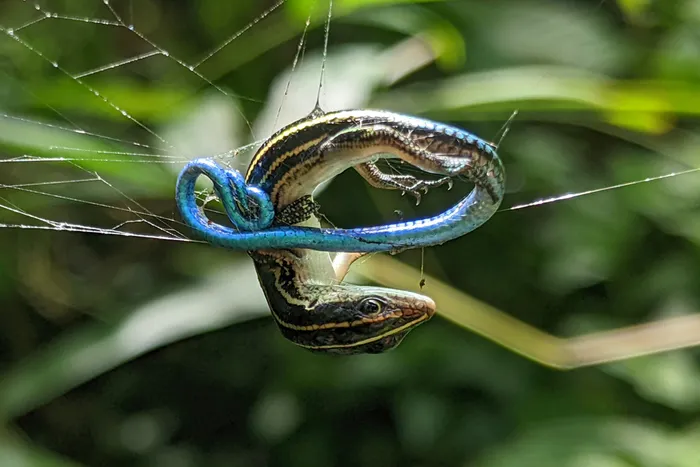
Pacific Bluetail Skink (Emoia caeruleocauda). The Pacific bluetail skink can show a blue tail, especially at some ages; colour changes and other skinks also have blue tails.
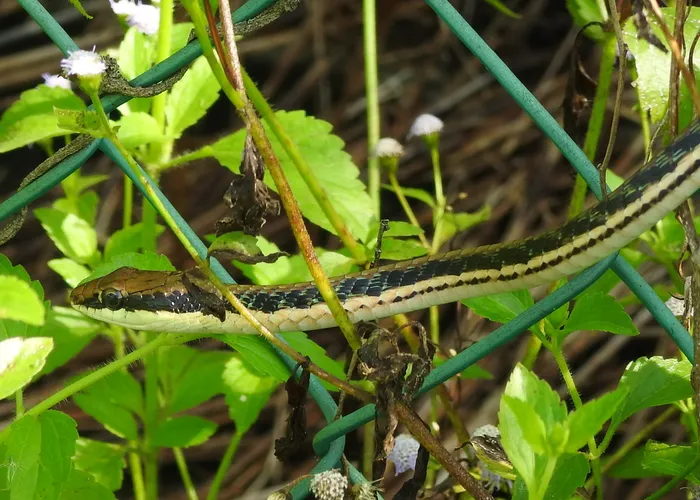
Painted Bronzeback (Dendrelaphis pictus). The painted bronzeback is a slender active snake ranging from South to Southeast Asia; side pattern must be checked with head shape.
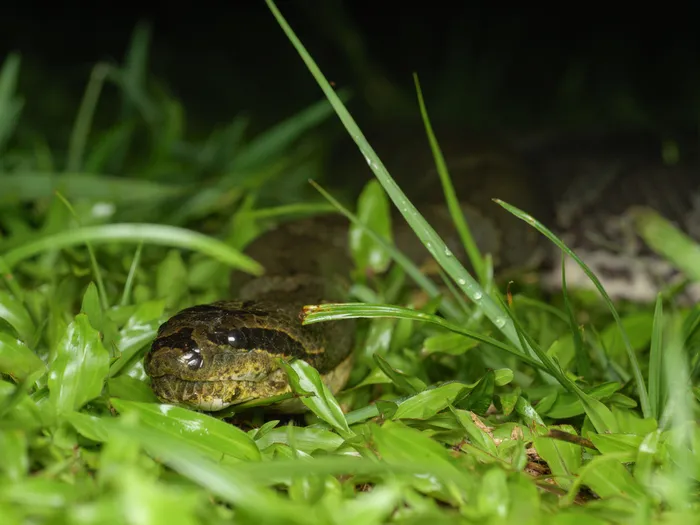
Puff-faced Water Snake (Homalopsis buccata). The puff-faced water snake occurs in tropical South and Southeast Asian waters; head shape and wet habitat matter more than colour alone.
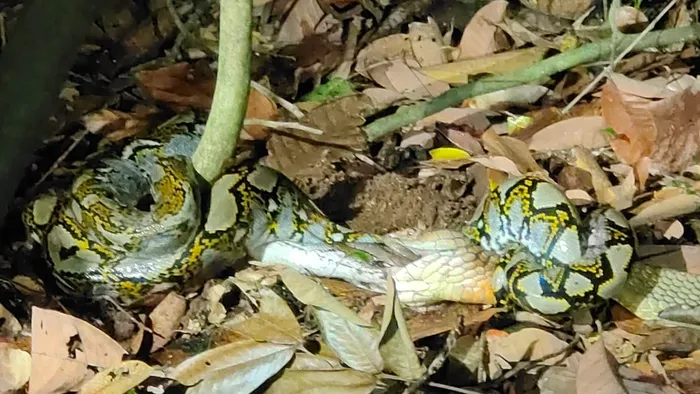
Reticulated Python (Malayopython reticulatus). The reticulated python can grow exceptionally long and subdues prey by constriction; it is nonvenomous but large animals still require distance.
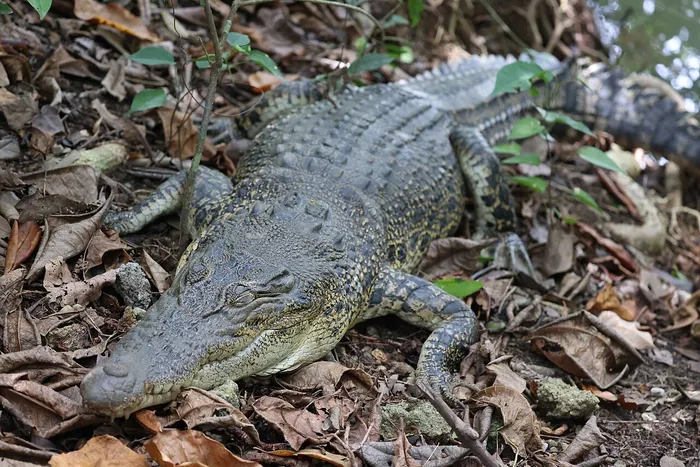
A large reptile capable of using both salt and fresh water. Understanding its habitat and respecting its space matters for community safety and conservation.
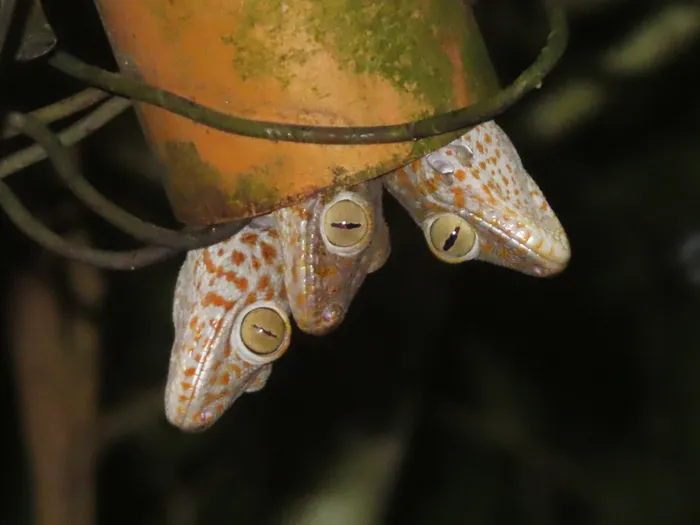
Tokay Gecko (Gekko gecko). The tokay gecko is a large mostly nocturnal tree gecko with a conspicuous call; a call need not reveal the animal's exact position.
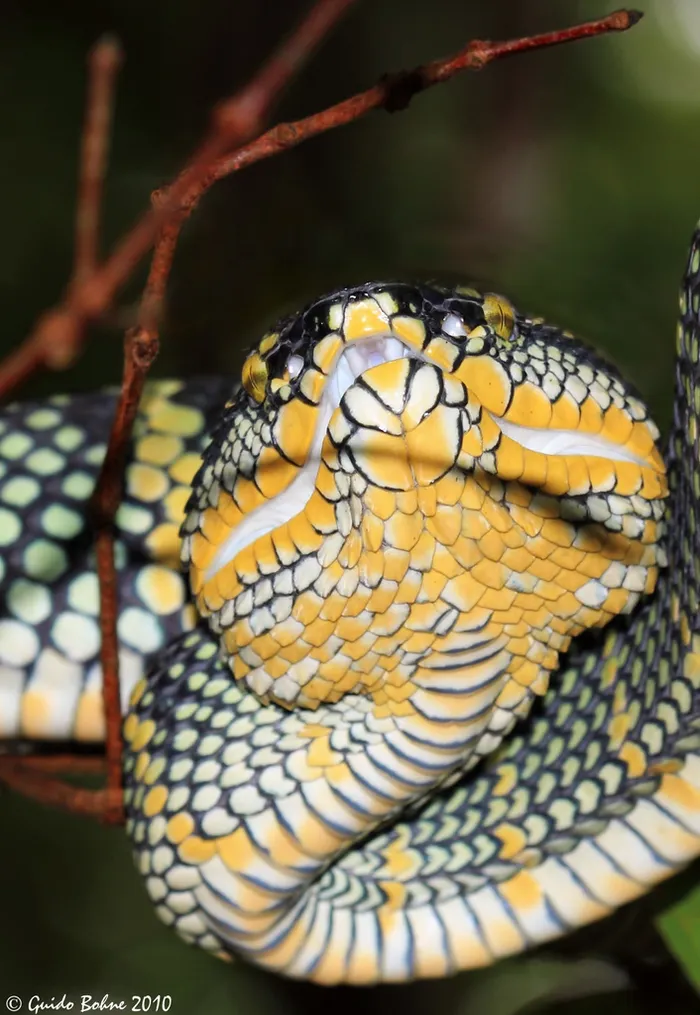
Wagler's Pit Viper (Tropidolaemus wagleri). Wagler's pitviper is a venomous Southeast Asian snake; the 'temple' nickname comes from a well-known site, not every habitat.
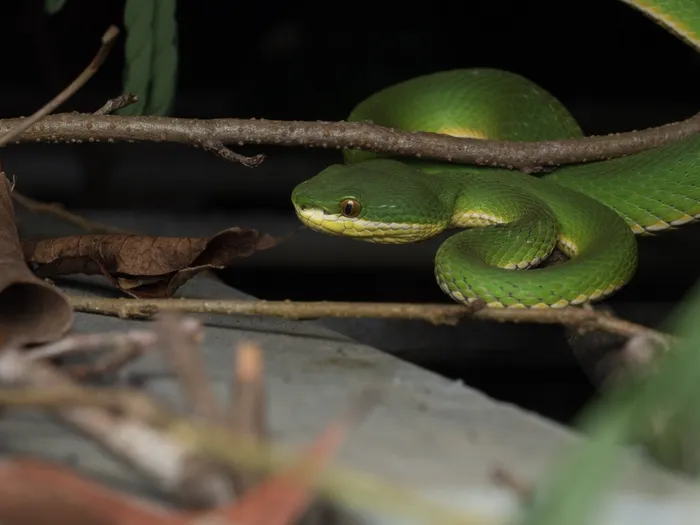
White-lipped Island Pitviper (Trimeresurus insularis). The Sunda island pitviper is venomous; older sources treated it as a white-lipped pitviper subspecies, so taxon names need checking.
White-lipped Pit Viper (Trimeresurus albolabris). The white-lipped pitviper is venomous and has lookalike relatives; safe-distance photographs and locality are better than handling for identification.
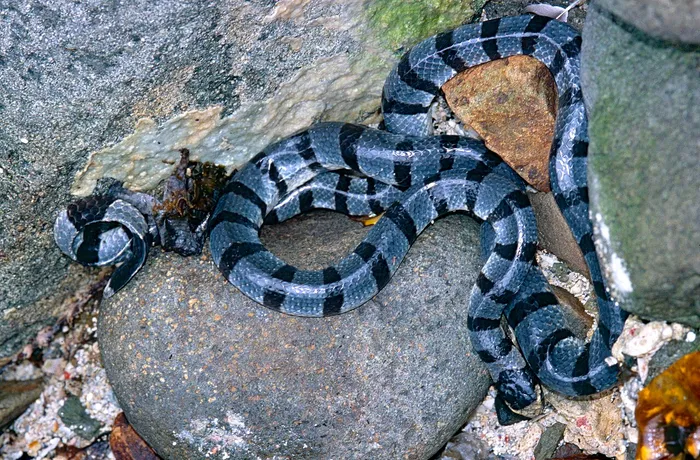
Yellow-lipped Sea Krait (Laticauda colubrina). The yellow-lipped sea krait has dark-and-light bands and uses both sea and land during its life cycle; it is venomous and should not be handled.
| Name | Scientific name | Family | Conservation status |
|---|---|---|---|
| Asian House Gecko | Hemidactylus frenatus | Gekkonidae | Not recorded |
| Asian water monitor | Varanus salvator | Varanidae | Least Concern |
| Common Four-clawed Gecko | Gehyra mutilata | Gekkonidae | Least Concern |
| Common Sun Skink | Eutropis multifasciata | Scincidae | Least Concern |
| Common Wolf Snake | Lycodon capucinus | Colubridae | Least Concern |
| Double-spotted Gecko | Gekko monarchus | Gekkonidae | Least Concern |
| Emerald Tree Skink | Lamprolepis smaragdina | Scincidae | Least Concern |
| Flat-tailed House Gecko | Hemidactylus platyurus | Gekkonidae | Least Concern |
| Great Crested Canopy Lizard | Bronchocela jubata | Agamidae | Least Concern |
| Indian Garden Lizard | Calotes versicolor | Agamidae | Least Concern |
| Indo-Chinese Rat Snake | Ptyas korros | Colubridae | Near Threatened |
| Javan Flying Dragon | Draco volans | Agamidae | Least Concern |
| Keeled Slug Snake | Pareas carinatus | Pareidae | Least Concern |
| Komodo dragon | Varanus komodoensis | Varanidae | Endangered |
| Marbled Bow-fingered Gecko | Cyrtodactylus marmoratus | Gekkonidae | Least Concern |
| Oriental Long-tailed Grass Lizard | Takydromus sexlineatus | Lacertidae | Least Concern |
| Oriental Whipsnake | Ahaetulla prasina | Colubridae | Least Concern |
| Pacific Bluetail Skink | Emoia caeruleocauda | Scincidae | Least Concern |
| Painted Bronzeback | Dendrelaphis pictus | Colubridae | Least Concern |
| Puff-faced Water Snake | Homalopsis buccata | Homalopsidae | Least Concern |
| Reticulated Python | Malayopython reticulatus | Pythonidae | Least Concern |
| Saltwater crocodile | Crocodylus porosus | Crocodylidae | Least Concern |
| Tokay Gecko | Gekko gecko | Gekkonidae | Least Concern |
| Wagler's Pit Viper | Tropidolaemus wagleri | Viperidae | Least Concern |
| White-lipped Island Pitviper | Trimeresurus insularis | Viperidae | Least Concern |
| White-lipped Pit Viper | Trimeresurus albolabris | Viperidae | Least Concern |
| Yellow-lipped Sea Krait | Laticauda colubrina | Elapidae | Least Concern |
Search by name, habitat or island in the animal directory.