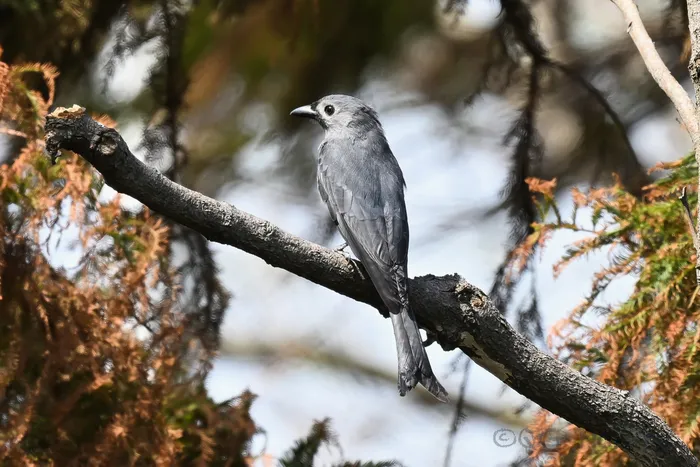
Dicrurus leucophaeus
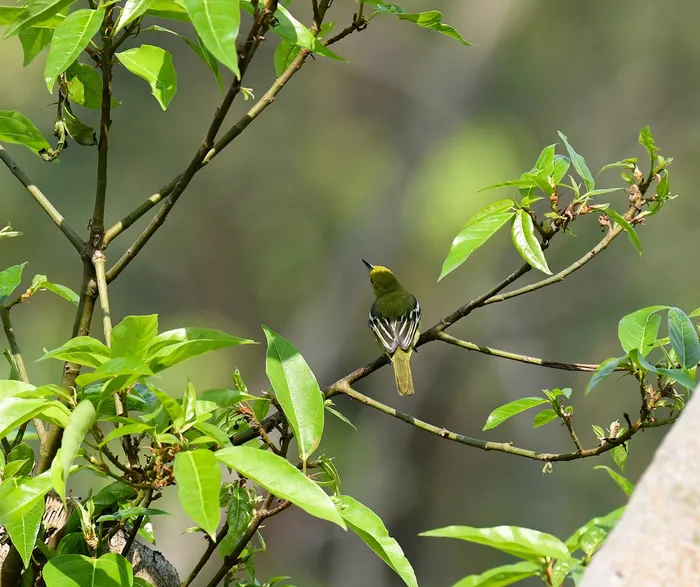
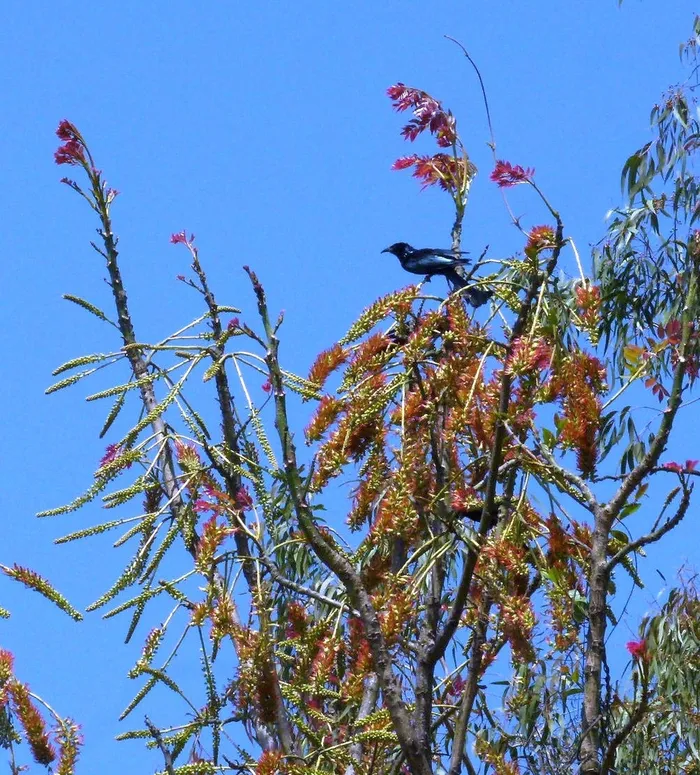
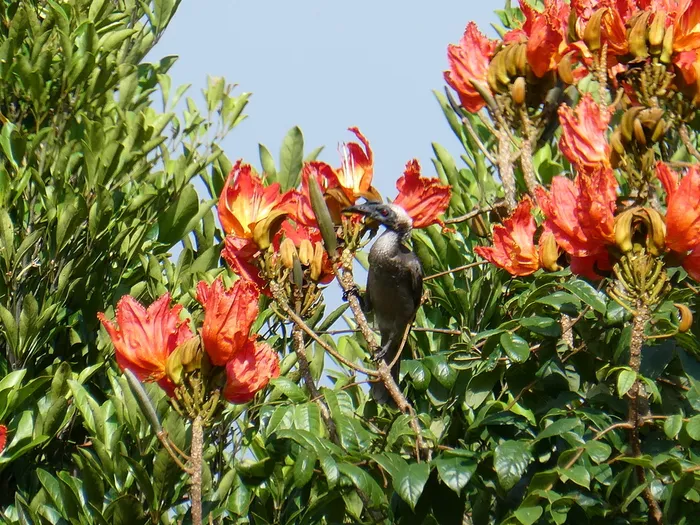
Ashy Drongo (Dicrurus leucophaeus). Ashy drongos vary across populations in grey tone and movement; photographs and dates improve the interpretation of sightings.
PANDUANHEWAN · INDONESIA
Meet 78 bird species recorded in Indonesia, including the Red bird-of-paradise, Bali myna and Javan hawk-eagle, with scientific names, families, IUCN status (5 threatened) and sources.
PanduanHewan has 78 guides to bird species recorded in Indonesia, across 40 families. Each guide lists the scientific name, traceable sources and, where available, the IUCN Red List category. 5 of them are threatened (Critically Endangered, Endangered or Vulnerable).
This list covers animals that already have a guide on this site; it is not a complete list of Indonesia’s bird species.
Ashy Drongo (Dicrurus leucophaeus). Ashy drongos vary across populations in grey tone and movement; photographs and dates improve the interpretation of sightings.
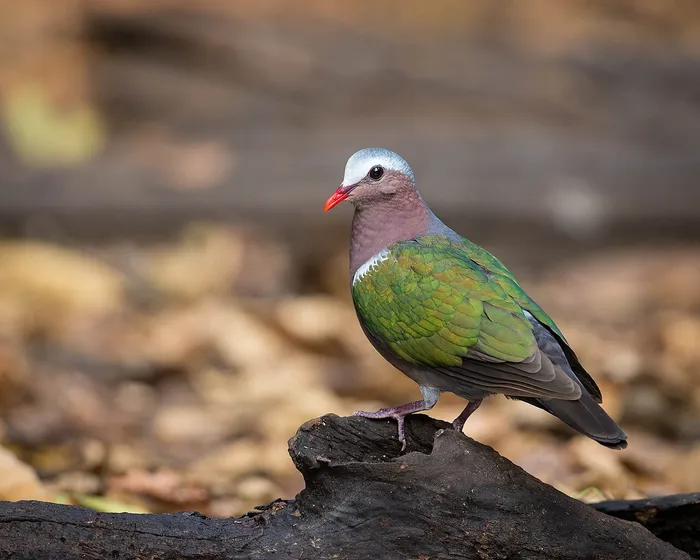
Asian Emerald Dove (Chalcophaps indica). The Asian emerald dove uses tropical forest floor and edges; its iridescent green wings are easier to judge in good light.
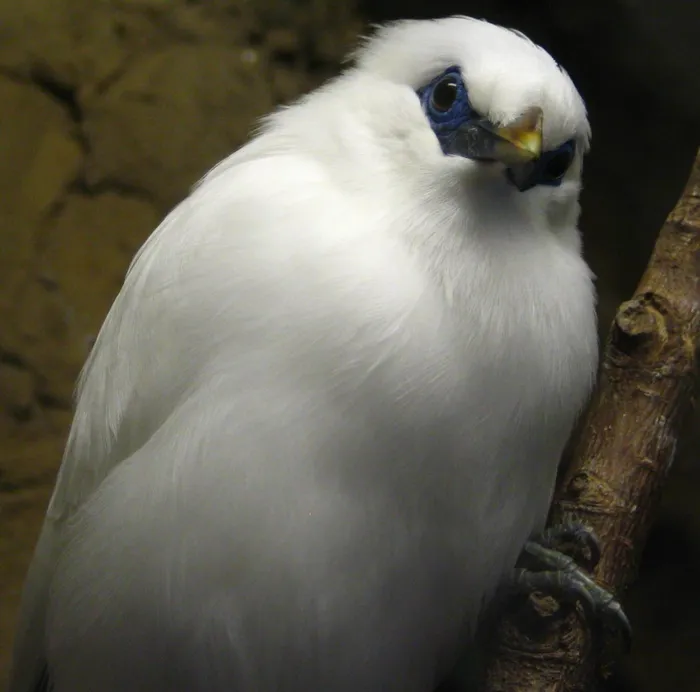
A distinctive white bird of Bali with blue skin around the eyes. Its story connects the bird trade, habitat, conservation breeding, and community stewardship.
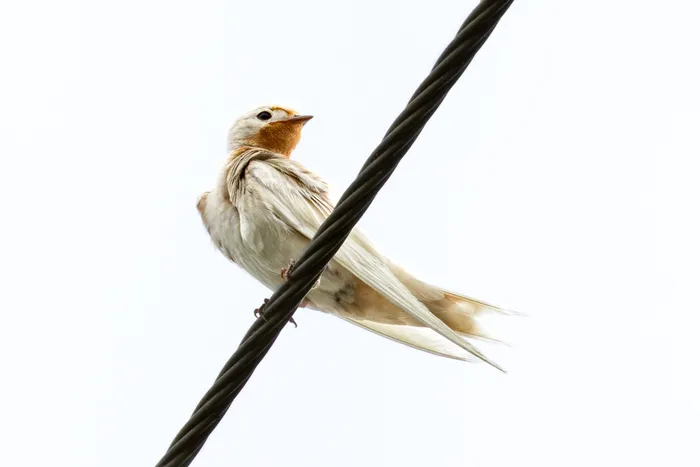
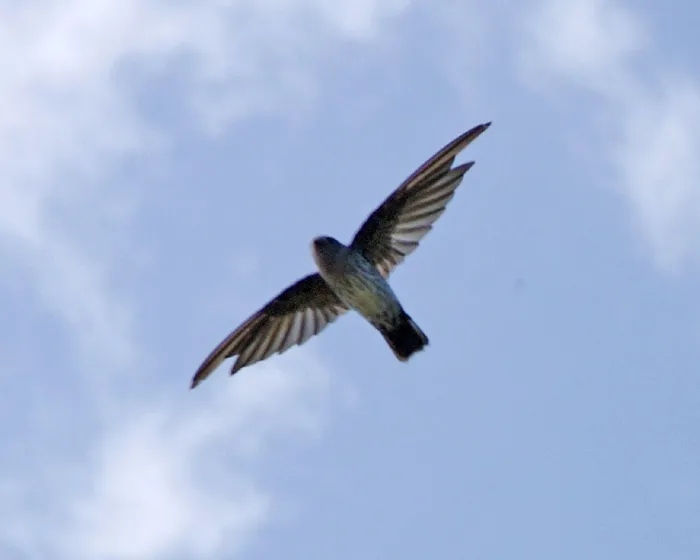
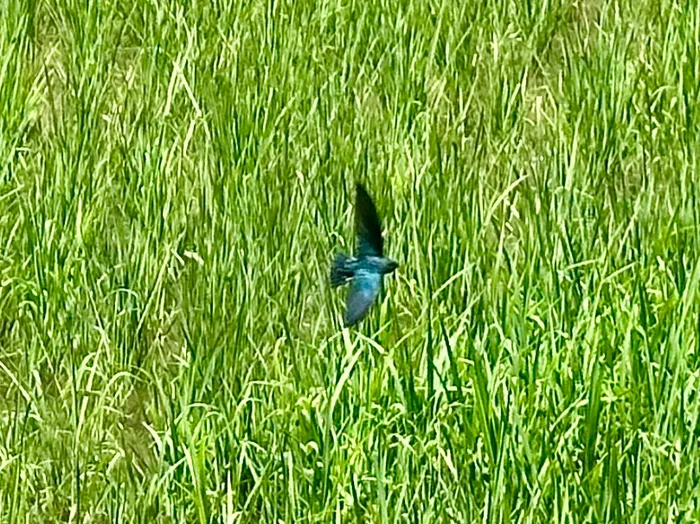
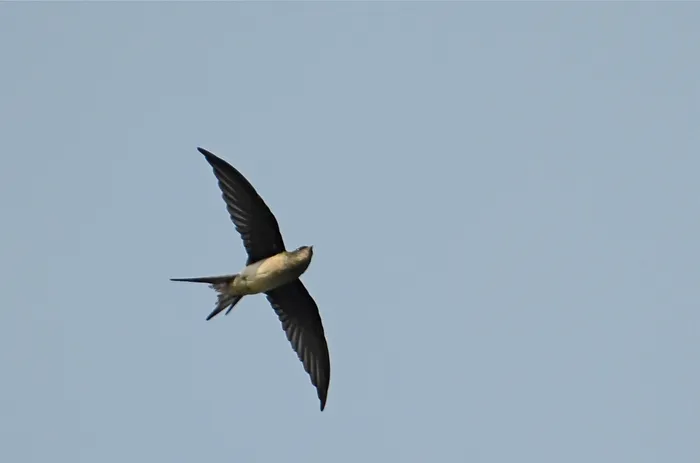
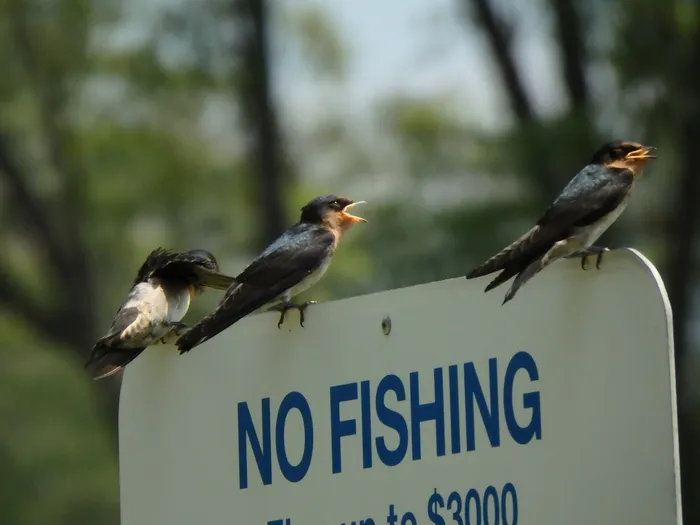
Barn Swallow (Hirundo rustica). The barn swallow has blue upperparts, pointed wings and a deeply forked tail; Indonesian records may include seasonal visitors.
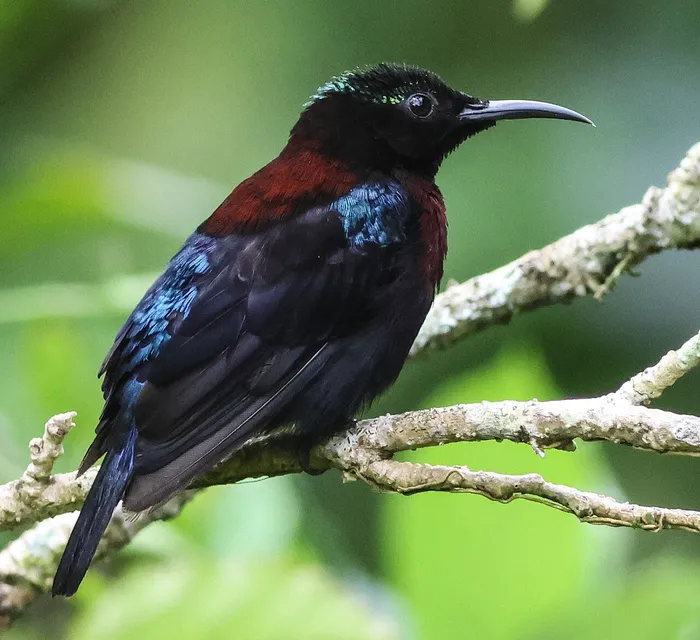
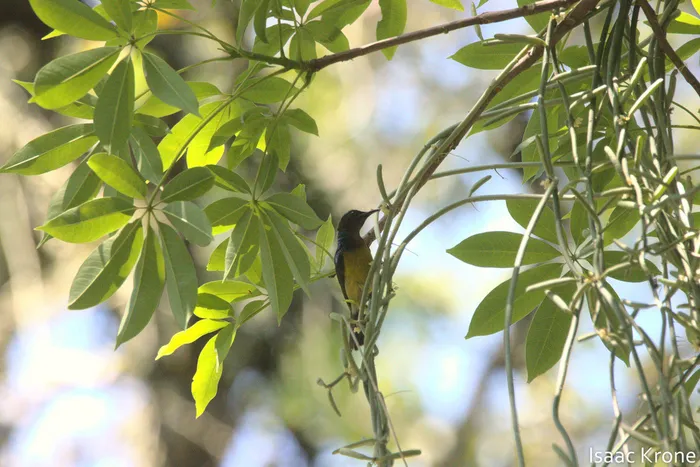
Black Sunbird (Leptocoma sericea). The black sunbird is a nectariniid; its scientific name follows GBIF here, while common names and species limits should be checked against current bird lists.
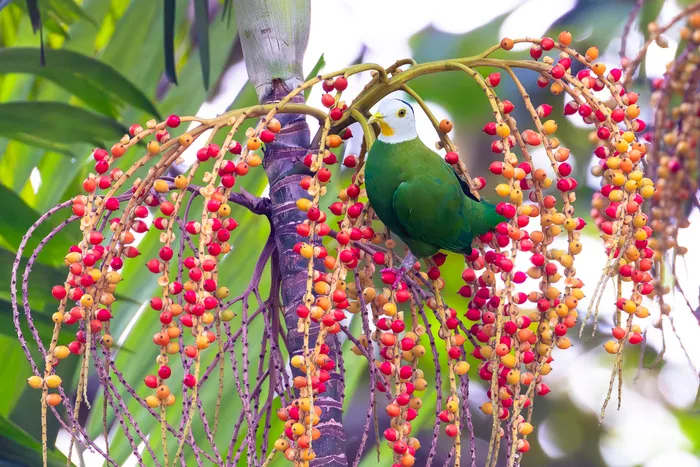
Black-naped Fruit Dove (Ptilinopus melanospilus). Male black-naped fruit-doves have a pale grey head, dark nape and mostly green body; females may look different.
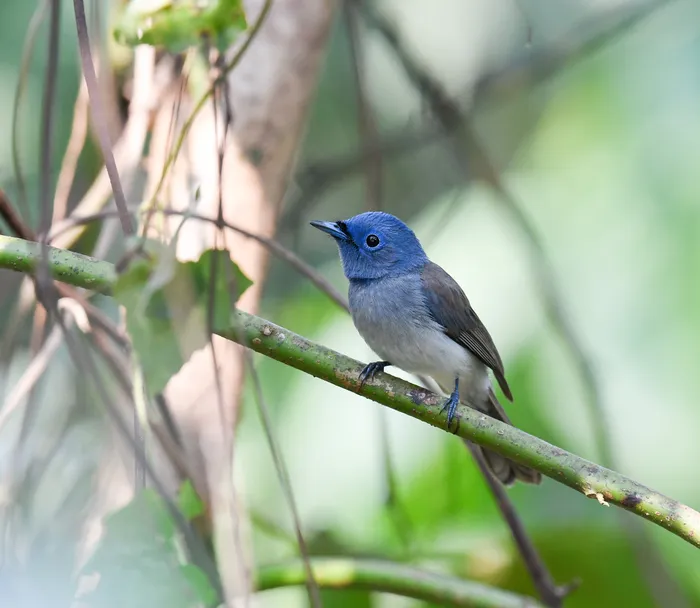
Black-naped Monarch (Hypothymis azurea). The black-naped monarch is a slim, agile flycatcher; sexes differ, and its dark nape band informs the English name.
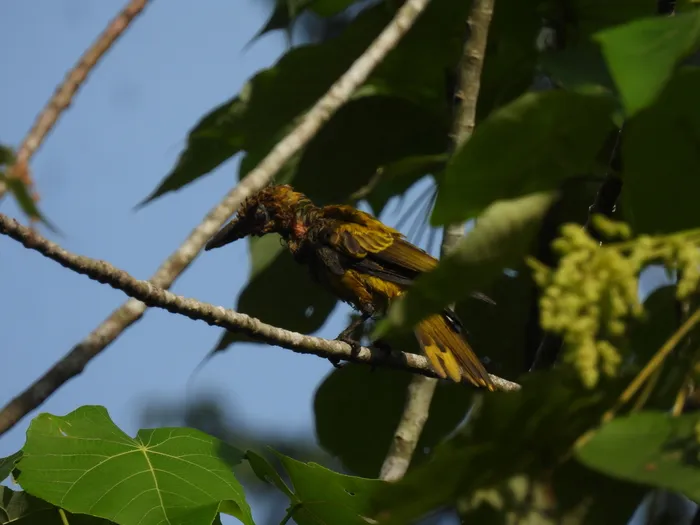
Black-naped Oriole (Oriolus chinensis). The black-naped oriole occupies wooded Asian landscapes; its dark nape pattern and voice help separate it from other yellow birds.
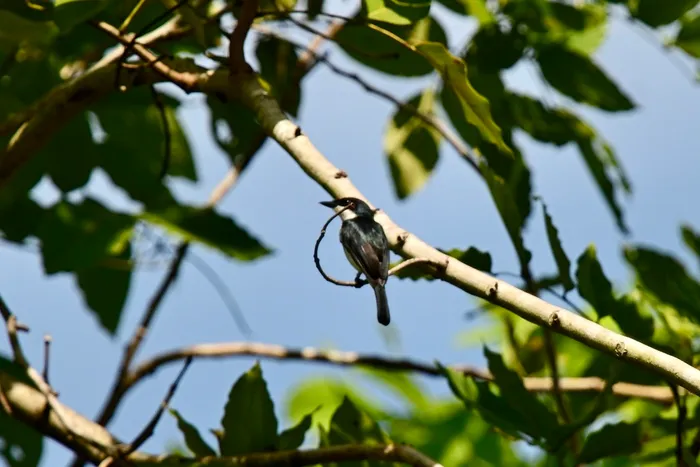
Black-winged Flycatcher-shrike (Hemipus hirundinaceus). The black-winged flycatcher-shrike belongs to a debated woodshrike lineage; citing the scientific name and taxonomic source avoids a misleading family label.
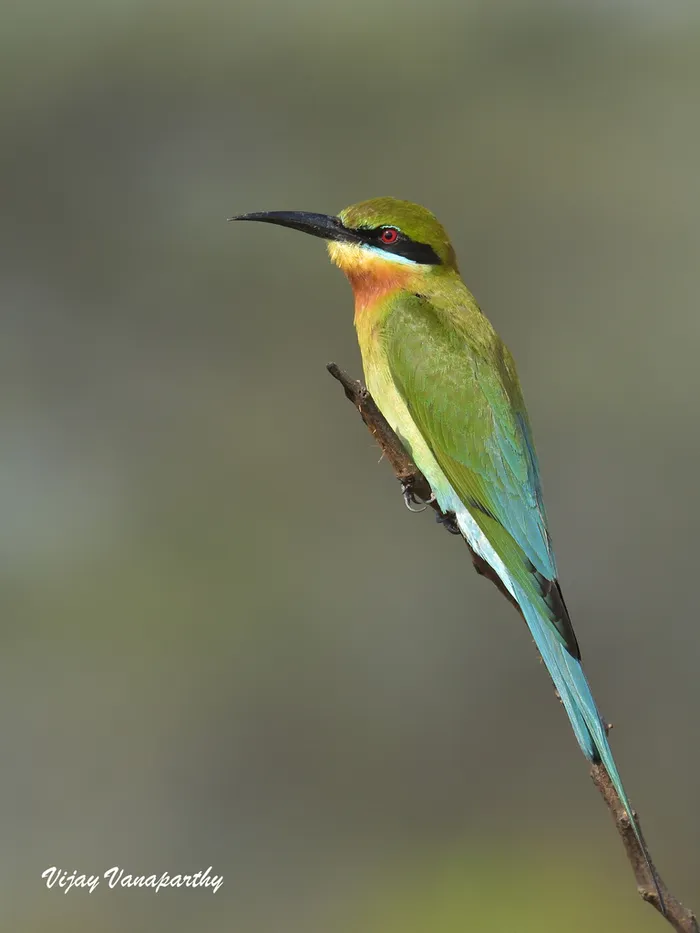
Blue-tailed Bee-eater (Merops philippinus). The blue-tailed bee-eater catches flying insects, and some populations move seasonally; a dated record is more informative than an undated sighting.
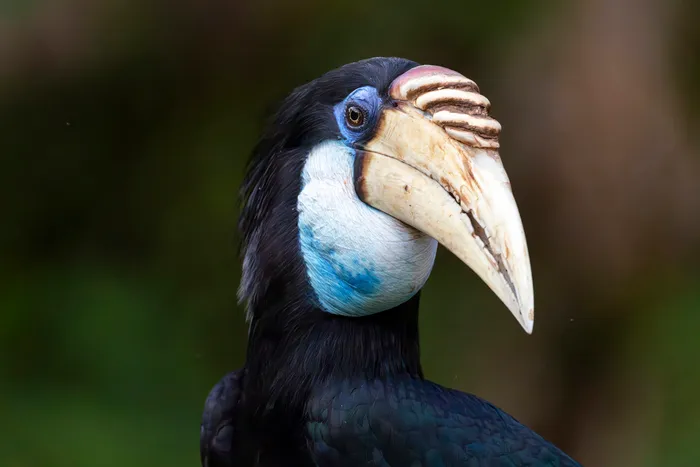
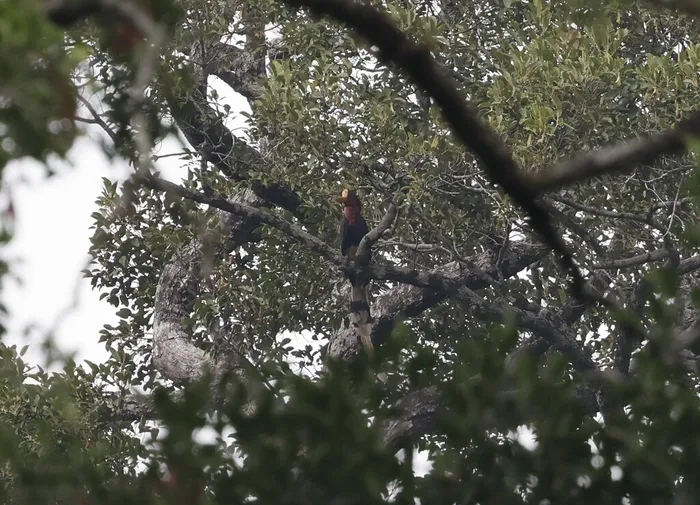
Blyth's Hornbill (Rhyticeros plicatus). Blyth's hornbill is a large canopy hornbill of Wallacea and Melanesia; ground observations may reveal only its silhouette or calls.
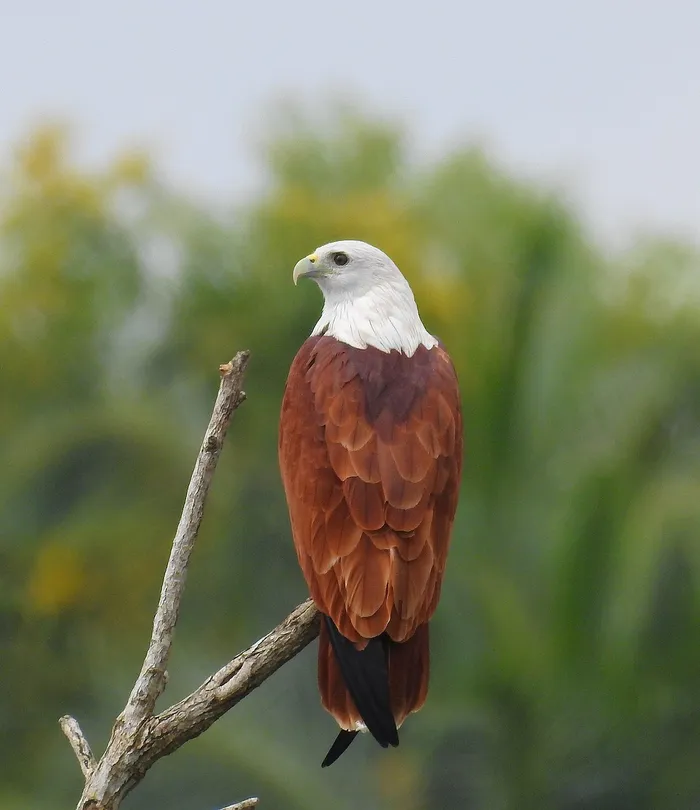
Brahminy Kite (Haliastur indus). The brahminy kite is an accipitrid raptor often associated with coastal landscapes; its pale head and breast contrast with a reddish-brown body.
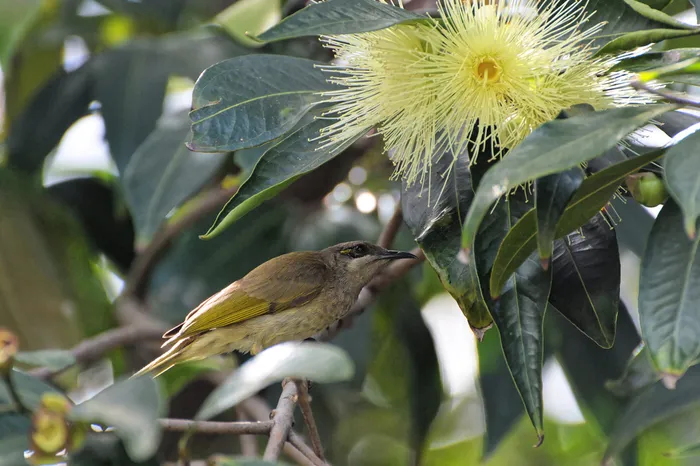
Brown Honeyeater (Lichmera indistincta). The brown honeyeater is a meliphagid with a brush-tipped tongue adapted to nectar; flower visits should not automatically be counted as pollination.
Brown-throated Sunbird (Anthreptes malacensis). The brown-throated sunbird uses semi-open Southeast Asian habitats; flower visits and bill shape can be observed without assuming every visit pollinates a plant.
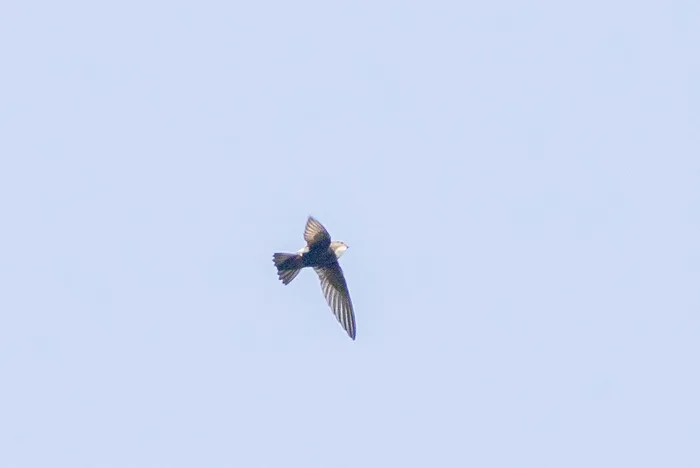
Cave Swiftlet (Collocalia linchi). This swiftlet occurs on Sumatra, Java and Bali; species accounts describe woodland foraging and cave nesting.
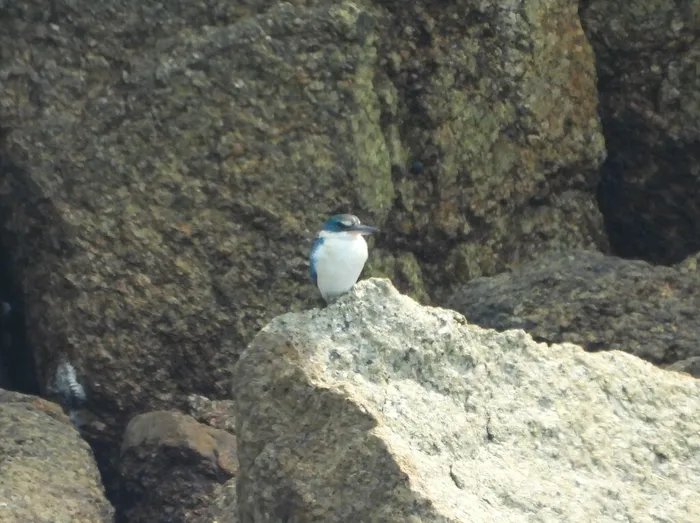
A blue-green kingfisher with a white collar, often seen in mangroves and on coasts. Numerous subspecies make older names worth checking carefully.
Common Iora (Aegithina tiphia). The common iora uses scrub and forest edges; plumage varies among populations, so a photograph from one region may differ from another.
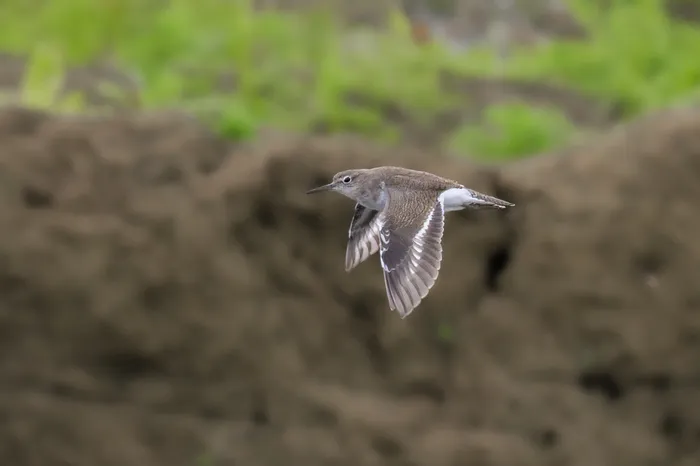
Common Sandpiper (Actitis hypoleucos). This small sandpiper uses water edges and moves between regions; an Indonesian sighting does not by itself indicate local breeding.
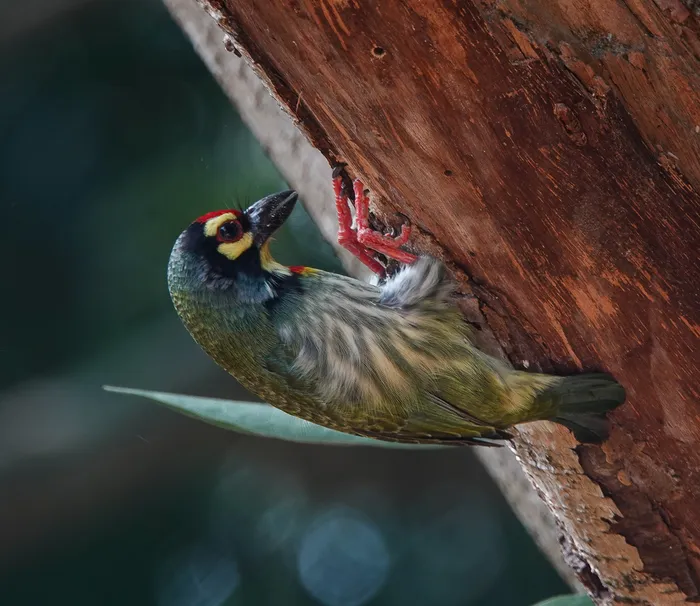
Coppersmith Barbet (Psilopogon haemacephalus). The coppersmith barbet has a red forehead and throat; its repeated metallic-sounding call may be noticed before the perched bird.
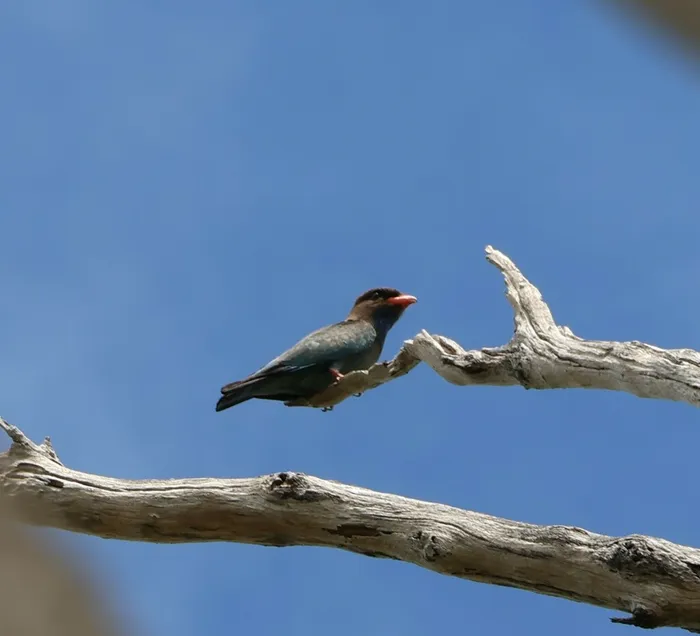
Dollarbird (Eurystomus orientalis). The Oriental dollarbird has rounded blue wing patches visible in flight, the field mark behind its English name.
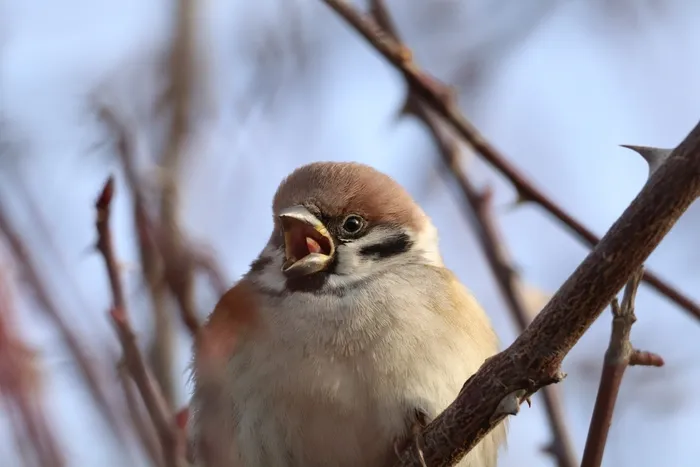
A small bird with a chestnut crown and a black spot on each white cheek. Its proximity to people makes it easy to notice, but sighting records do not measure its population.
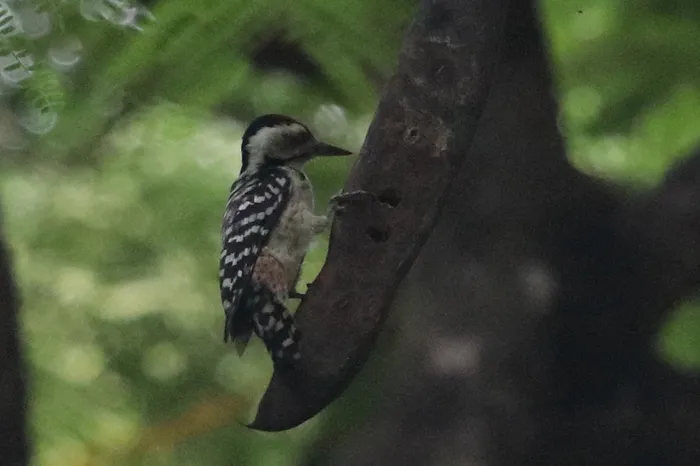
Freckle-breasted Woodpecker (Dendrocopos analis). The freckle-breasted woodpecker is a picid; Indonesian records should use head and wing pattern plus locality to distinguish lookalikes.
Glossy Swiftlet (Collocalia esculenta). The glossy swiftlet is an apodid that searches for food in flight and ranges across Indonesia and neighbouring islands.
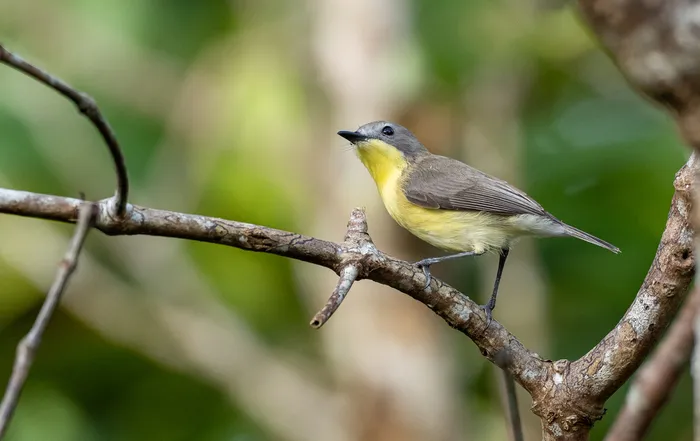
Golden-bellied Gerygone (Gerygone sulphurea). The golden-bellied gerygone is a small acanthizid occurring in Indonesia and other Southeast Asian countries; the English name describes its belly.
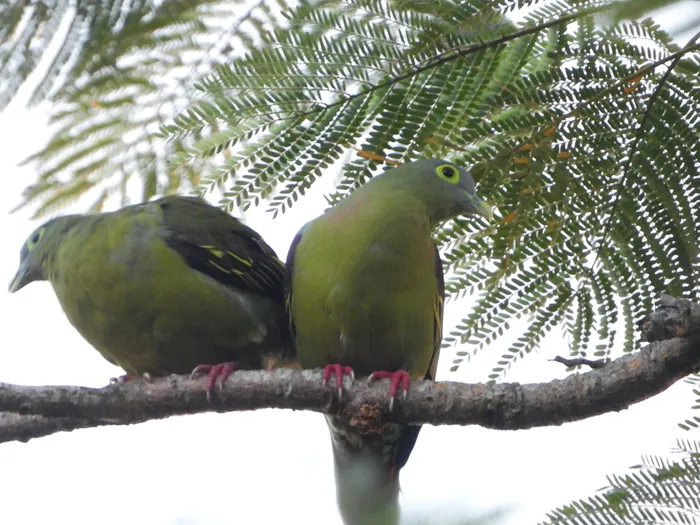
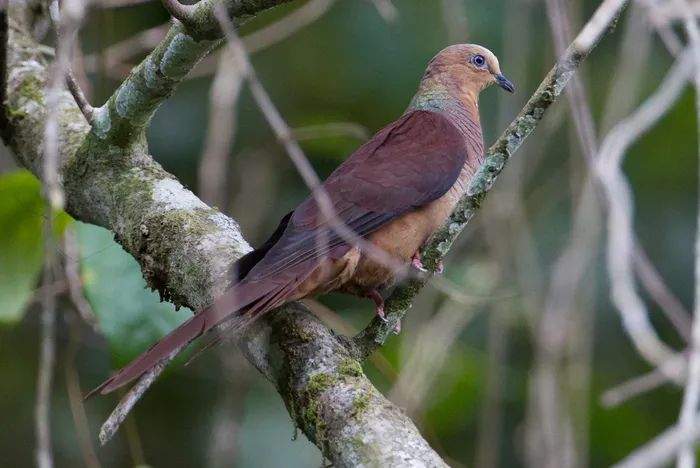
Gray-cheeked Green-Pigeon (Treron griseicauda). The grey-cheeked green-pigeon is Indonesian-endemic; cheek and nape colour help separate it from other green-pigeons in fruiting trees.
Gray-rumped Treeswift (Hemiprocne longipennis). The grey-rumped treeswift belongs to Hemiprocnidae rather than the true swift family and may be seen perched as well as flying.
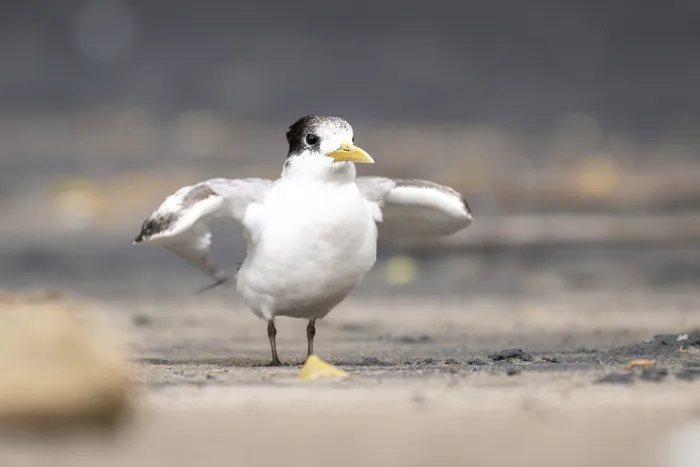
Great Crested Tern (Thalasseus bergii). The great crested tern forages over coastal sea and nests in colonies on coasts and islands; disturbance at a colony can affect many nests.
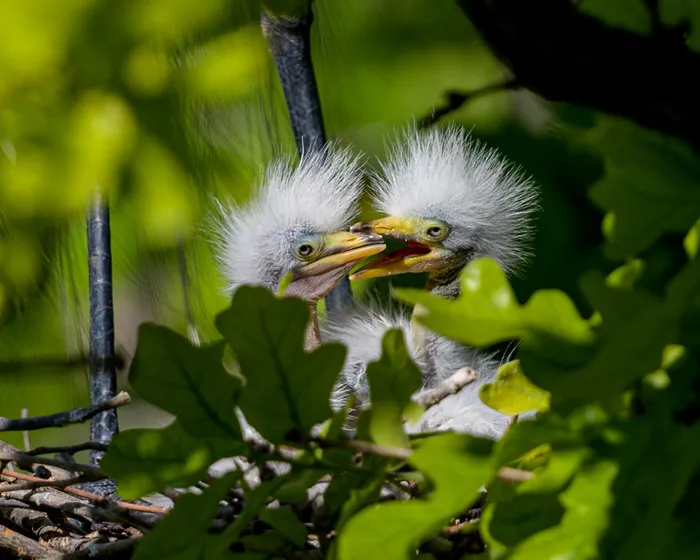
Great Egret (Ardea alba). The great egret is a widespread large white heron; compare body size, bill shape and leg colour with smaller egrets.
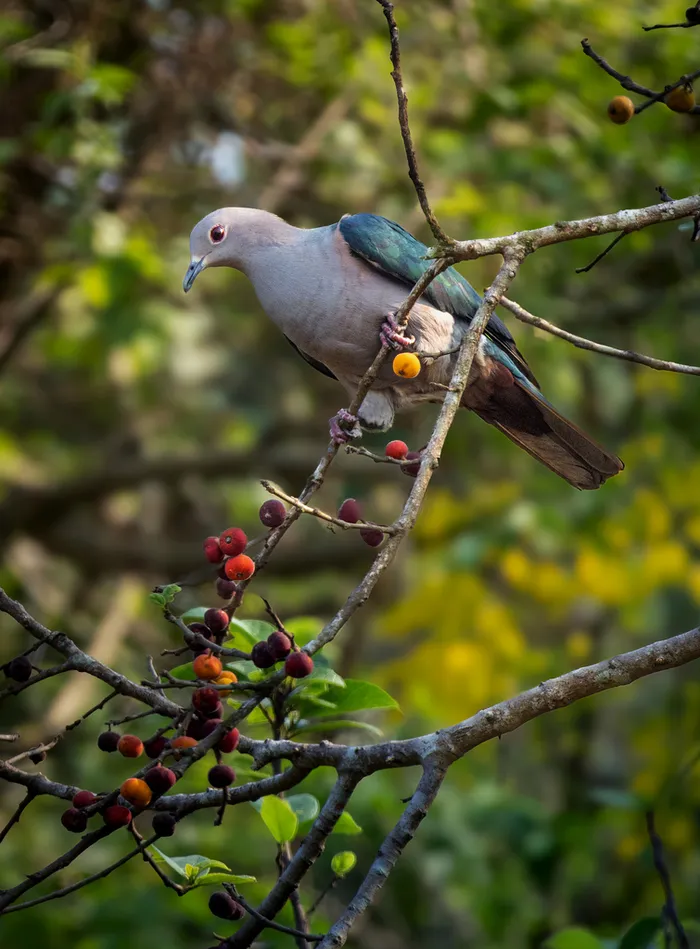
Green Imperial Pigeon (Ducula aenea). The green imperial pigeon is a large forest pigeon; its size and green wings help separate it from smaller green-pigeons.
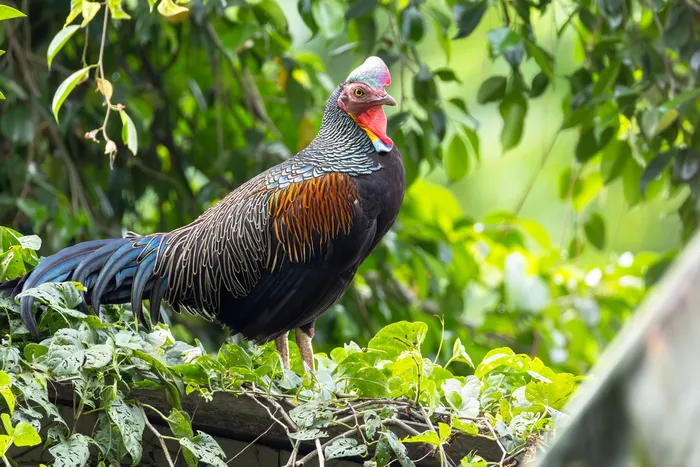
Green Junglefowl (Gallus varius). The green junglefowl is a Javan-region pheasant relative; males are more conspicuous than females, and domestic chickens should be distinguished.
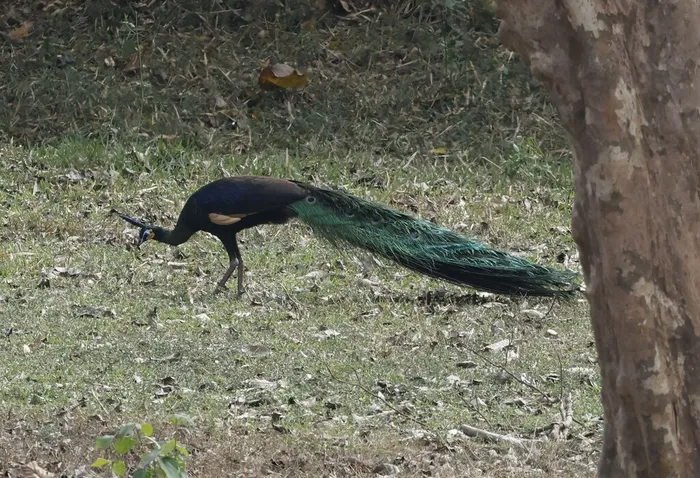
A large bird with a shimmering green neck that uses wooded landscapes and openings. Green peafowl are distinct from the blue peafowl often seen in captivity.
Hair-crested Drongo (Dicrurus hottentottus). The hair-crested drongo is a dicrurid formerly grouped with another drongo; record the taxonomy and region used by each source.
Helmeted Friarbird (Philemon buceroides). The helmeted friarbird belongs to the honeyeater family Meliphagidae; its helmet-like head does not make it a hornbill.
A forest hornbill with long central tail feathers and a solid casque. Hunting for casque trade makes habitat protection and reduced demand particularly important.
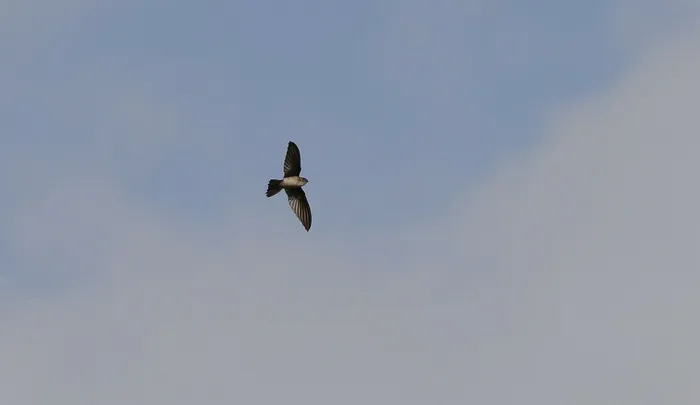
House Swift (Apus nipalensis). The house swift is an apodid spending much time on the wing; wing shape and nesting context are safer clues than unverified claims about flight physiology.
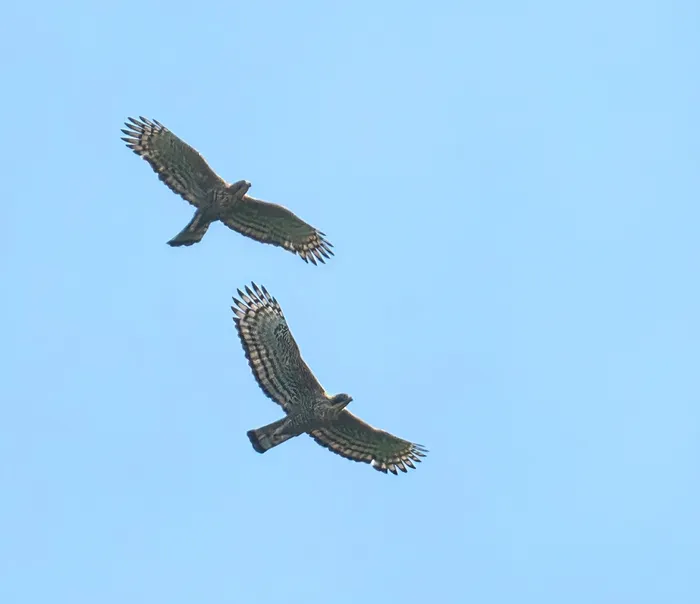
A crested eagle endemic to Java and dependent on forest. Nest trees, parental care, and movement space make its protection a long-term commitment.
Javan Munia (Lonchura leucogastroides). The Javan munia occurs in southern Sumatra, Java, Bali and Lombok, while some populations elsewhere reflect human introduction.
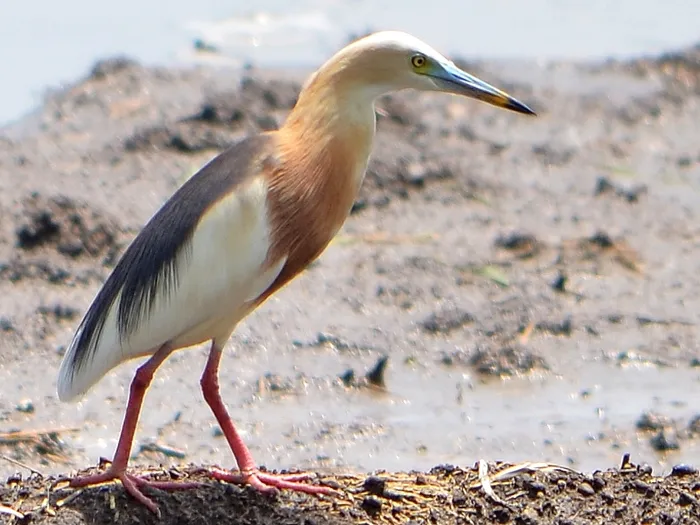
Javan Pond-Heron (Ardeola speciosa). The Javan pond-heron forages in shallow freshwater and coastal wetlands, taking small fish, insects and crabs.
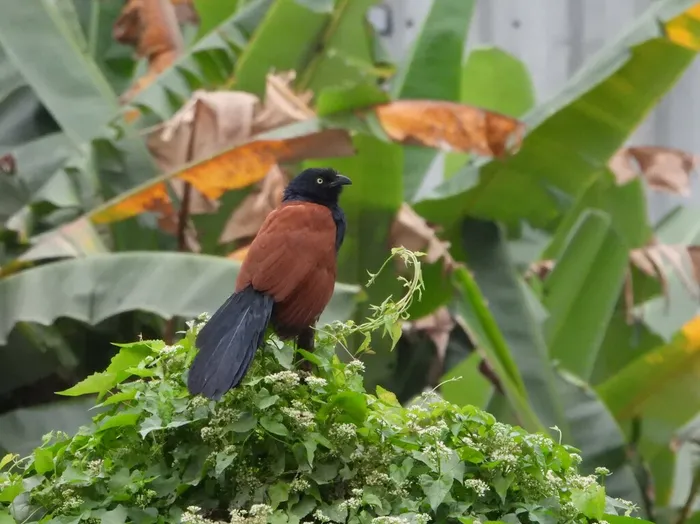
Lesser Coucal (Centropus bengalensis). The lesser coucal often uses dense low vegetation, including marsh edges; brief distant views can be confused with other coucals.
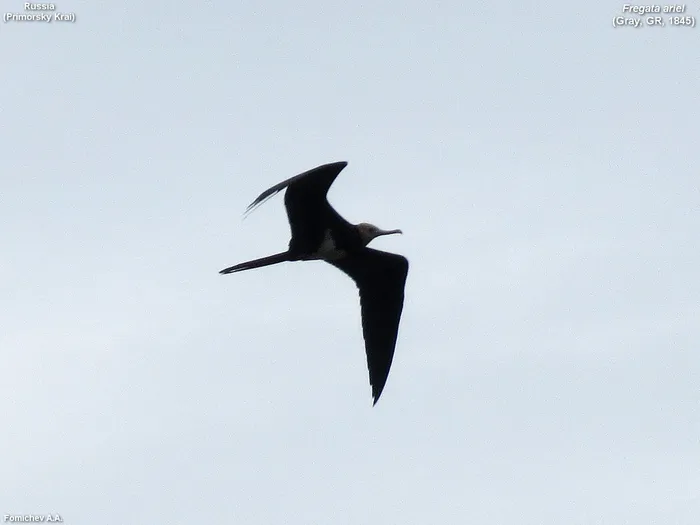
Lesser Frigatebird (Fregata ariel). The lesser frigatebird is relatively small for a frigatebird and spends much of its time airborne above tropical seas.
Little Egret (Egretta garzetta). The little egret is smaller than the great egret; wetland identification benefits from checking size, bill and leg characters together.
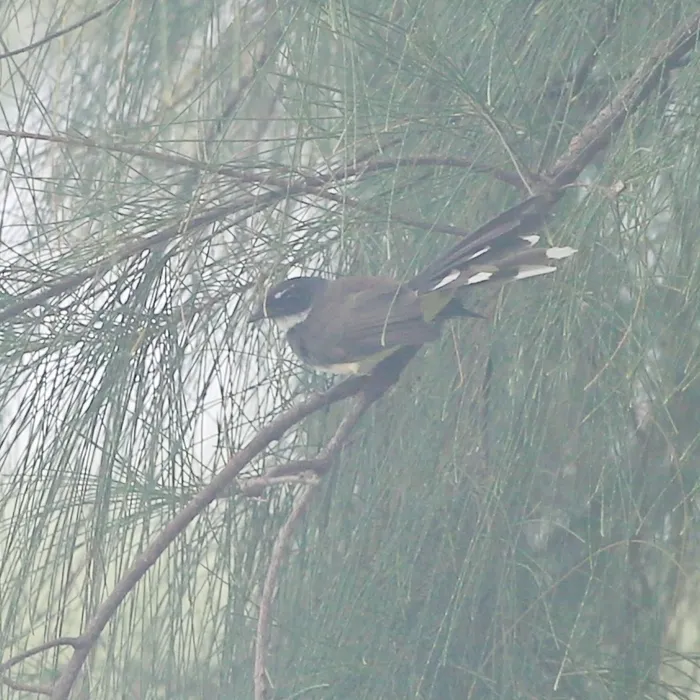
Malaysian Pied-Fantail (Rhipidura javanica). The Malaysian pied-fantail is a rhipidurid; a fanned tail and black-and-white pattern aid identification around forest edges and gardens.
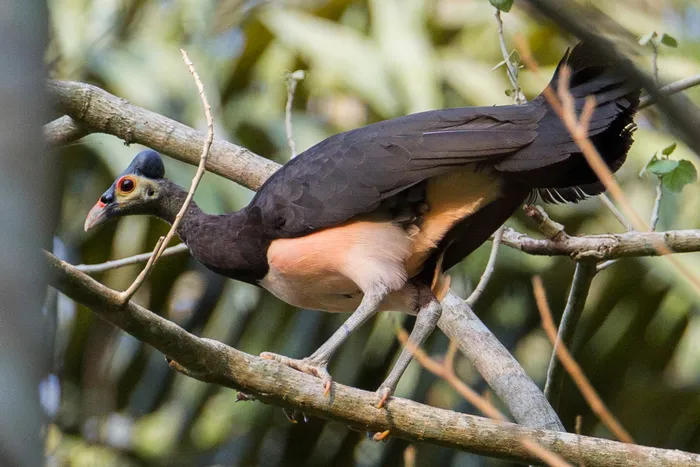
A Sulawesi bird that uses environmental heat to incubate its eggs. Its survival connects forest living areas with highly specialised nesting grounds.
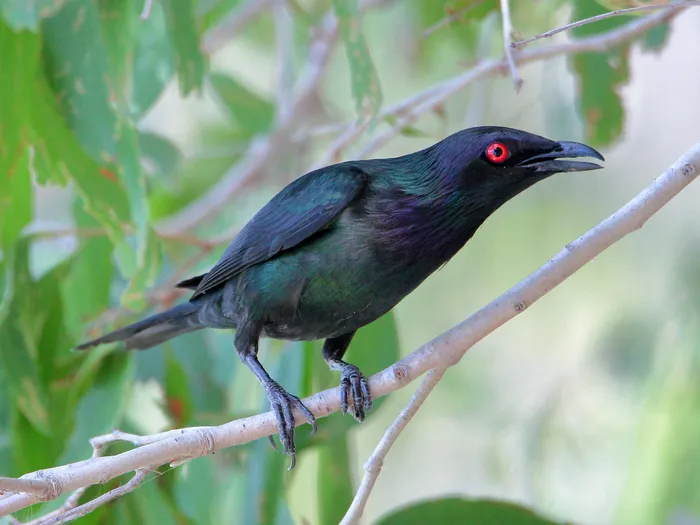
Metallic Starling (Aplonis metallica). The metallic starling ranges from the Moluccas and New Guinea to northern Australia; its apparent iridescence changes with light.
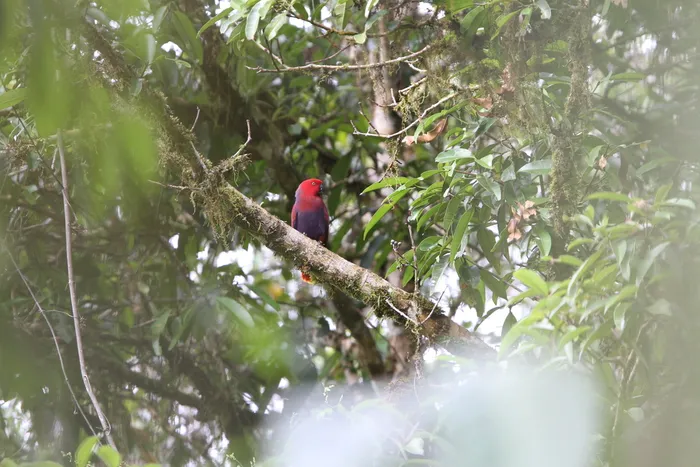
Moluccan Eclectus (Eclectus roratus). Eclectus parrots show striking male-female colour differences; island origin also matters because species limits in the eclectus complex have changed.
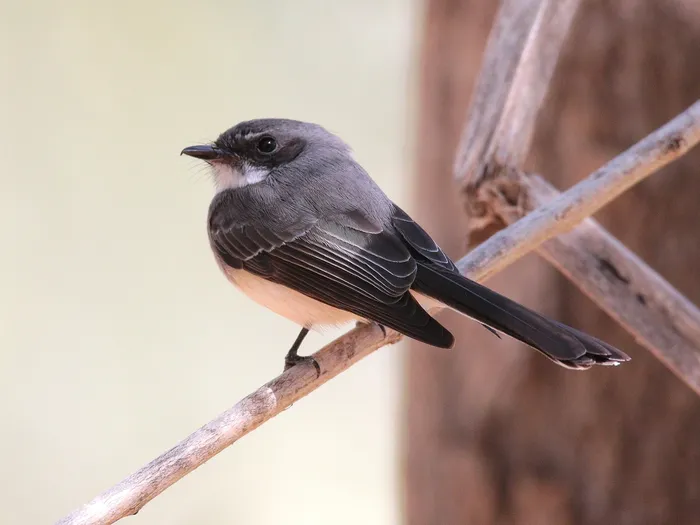
Northern Fantail (Rhipidura rufiventris). The northern fantail occurs in eastern Indonesian lowland and moist forest; a fanned tail identifies the family but not the species by itself.
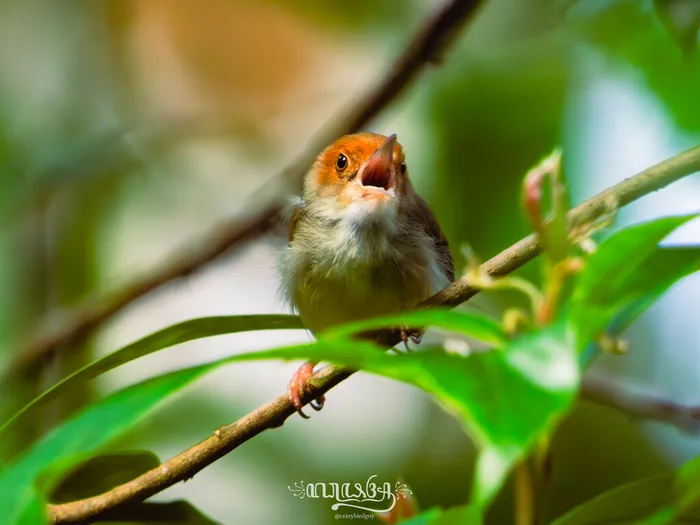
Olive-backed Tailorbird (Orthotomus sepium). The olive-backed tailorbird is now placed in Cisticolidae rather than the older broad Old World warbler grouping; names should follow current taxonomy.
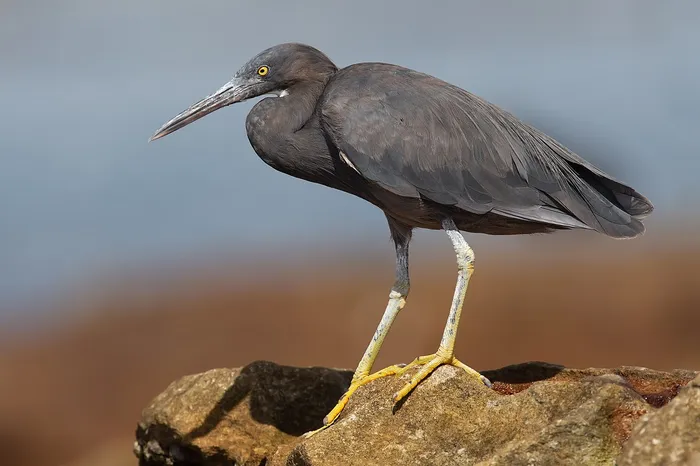
Pacific Reef Heron (Egretta sacra). The Pacific reef heron uses rocky coasts and reefs; pale and dark colour forms make habitat and shape important in identification.
A small swallow that catches insects in flight and builds a mud nest. Its scientific name matters because Pacific swallow taxonomy has changed.
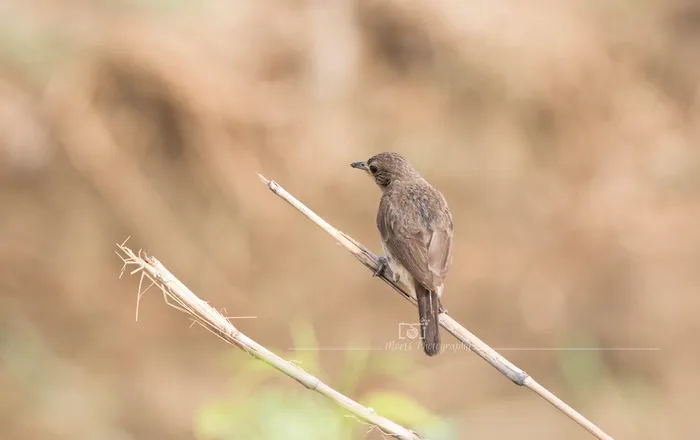
Pied Bushchat (Saxicola caprata). The pied bush chat uses open country; male and female plumage differs, so black-and-white appearance alone does not describe every bird.
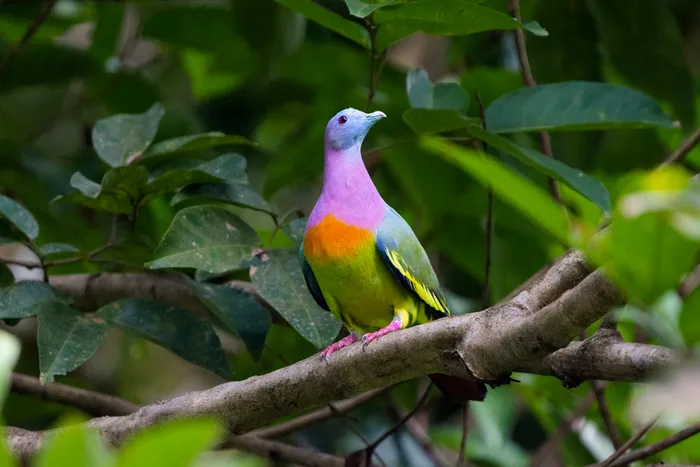
Pink-necked Green-Pigeon (Treron vernans). The pink-necked green-pigeon is a green pigeon often noticed in fruiting trees; its English name refers to the pink neck, not a parrot.
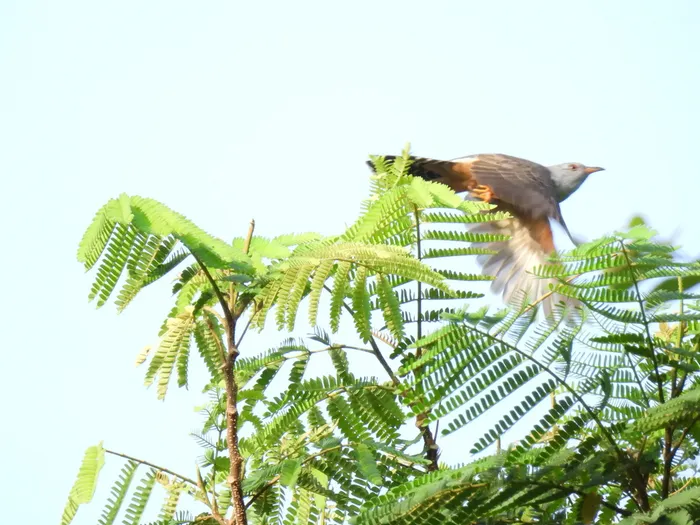
Plaintive Cuckoo (Cacomantis merulinus). The plaintive cuckoo is a widely distributed Asian cuckoo; voice and place are valuable because several small cuckoos look alike.
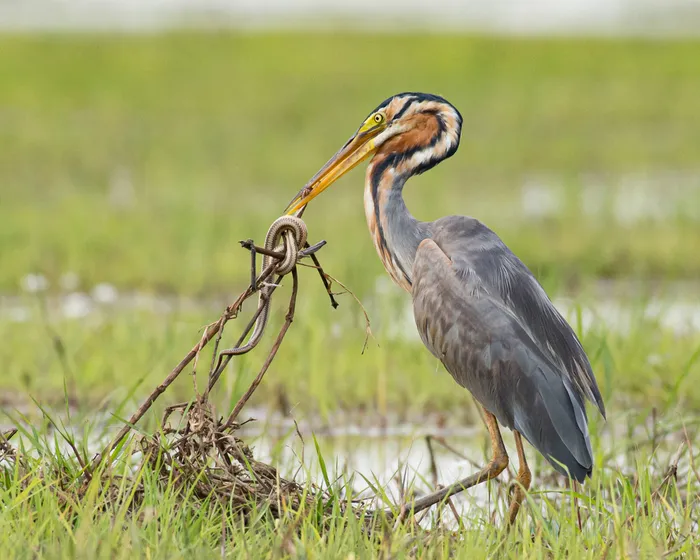
Purple Heron (Ardea purpurea). The purple heron is a long-necked heron associated with marsh vegetation; brownish colour alone is insufficient without checking shape.
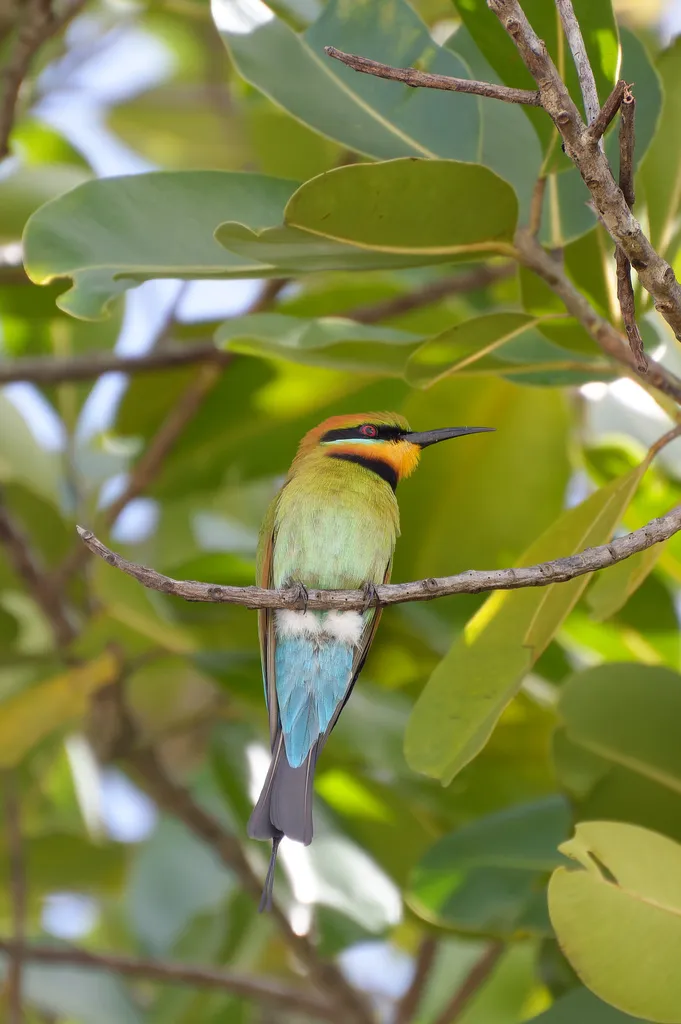
Rainbow Bee-eater (Merops ornatus). The rainbow bee-eater catches flying insects and is well known from Australia and nearby regions; Indonesian records need locality and movement context.
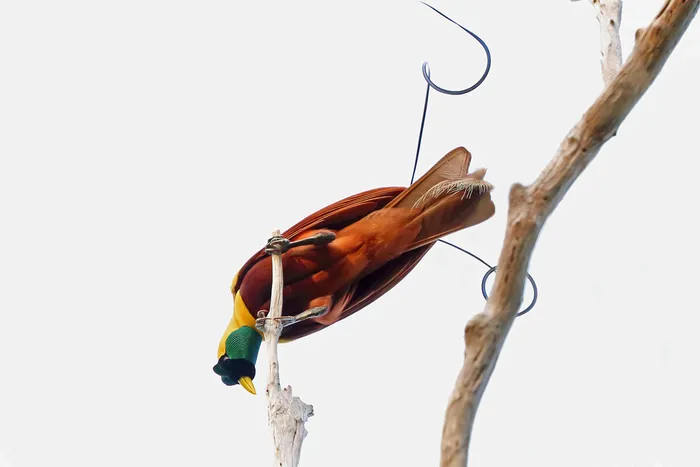
A forest bird of Raja Ampat whose males carry red plumes and two long tail ribbons. Its striking displays connect birdwatching with forest conservation.
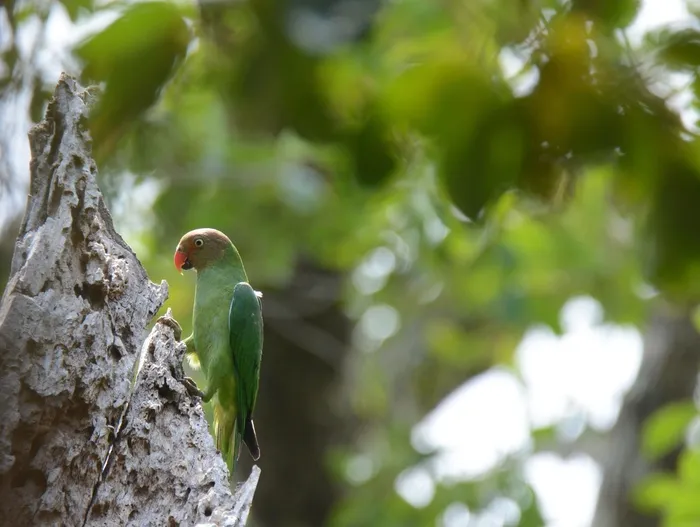
Red-cheeked Parrot (Geoffroyus geoffroyi). The red-cheeked parrot is a stout parrot of eastern Indonesia and New Guinea; subspecies labels should not be treated as evidence for every population's range.
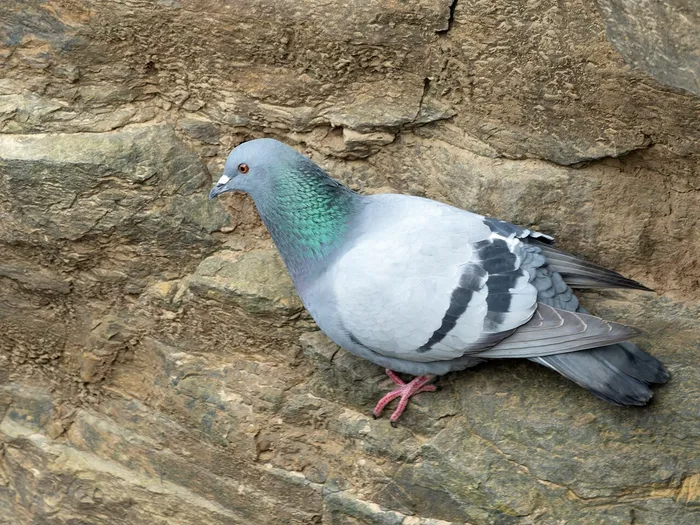
Rock Pigeon (Columba livia). Rock pigeons include wild-type birds and free-living domestic descendants; an urban record need not represent an original wild population.
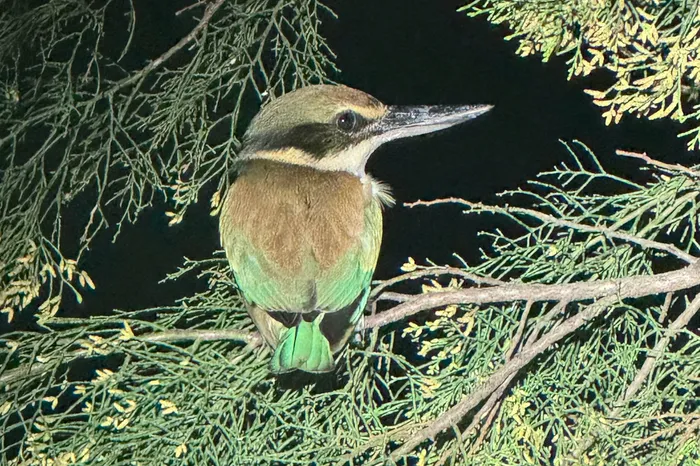
Sacred Kingfisher (Todiramphus sanctus). The sacred kingfisher uses mangroves, open woodland and river valleys; movement in some populations makes date and locality useful.
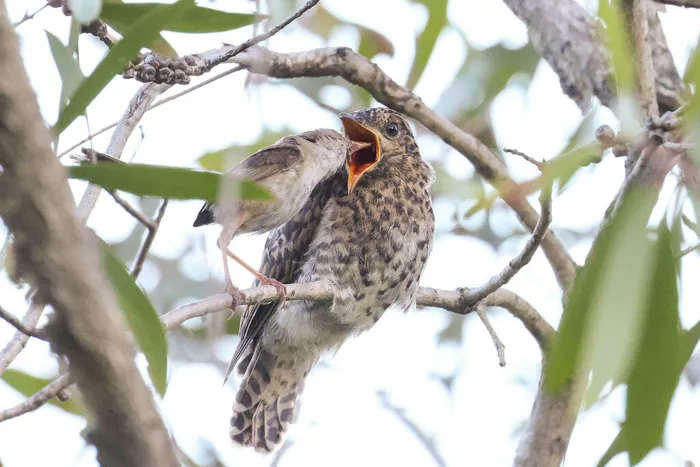
Sahul Brush Cuckoo (Cacomantis variolosus). The Sahul brush cuckoo belongs to Cuculidae; voice, plumage and locality matter because common names and species limits in this group change.
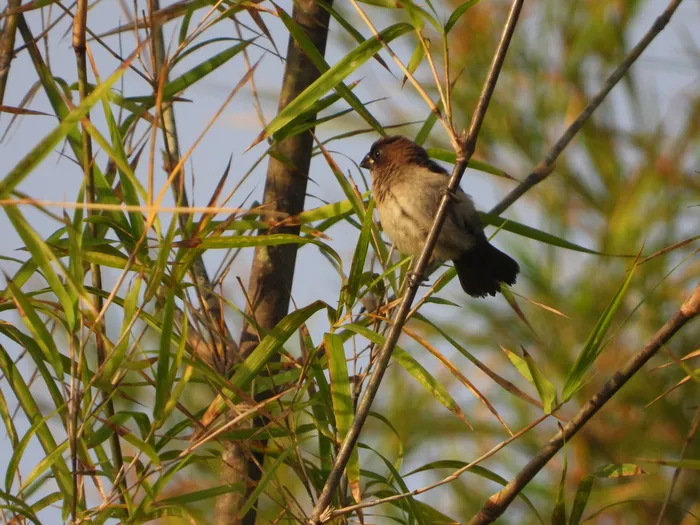
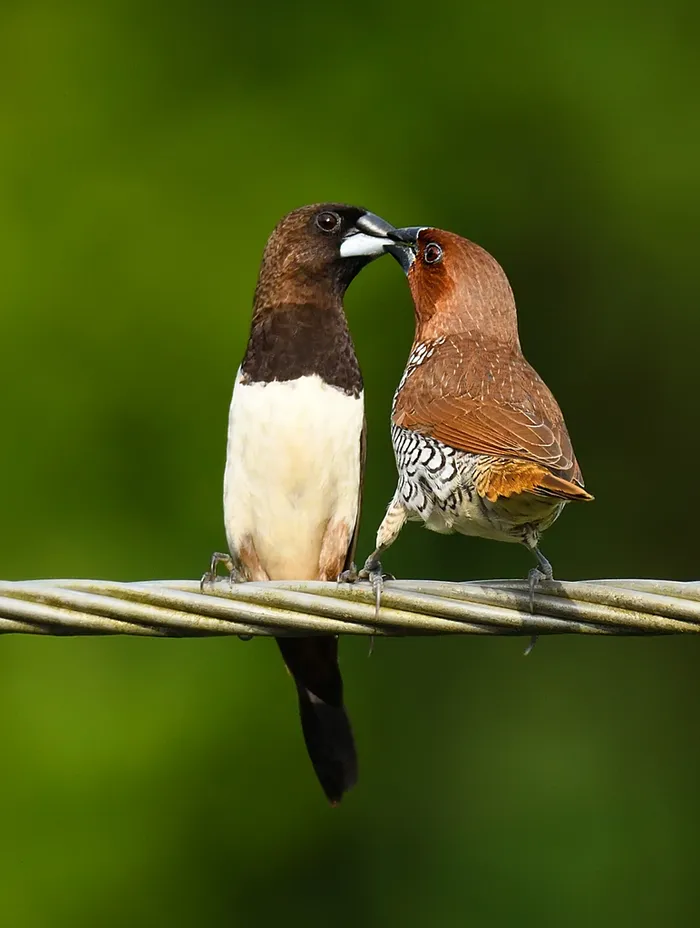
Scaly-breasted Munia (Lonchura punctulata). Adults show scale-like marks across the breast and belly, a brown back and a stout dark bill; young birds are plainer.
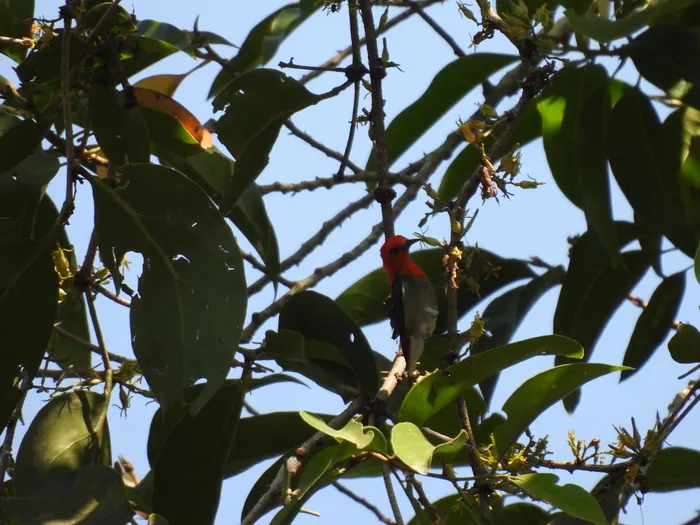
Scarlet-headed Flowerpecker (Dicaeum trochileum). The scarlet-headed flowerpecker is an Indonesian-endemic dicaeid; the male's red head is a clue, making sex and age relevant to identification.
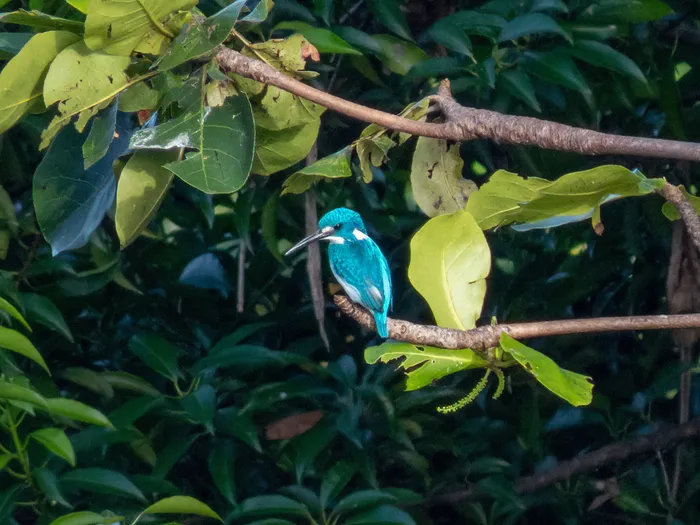
Small Blue Kingfisher (Alcedo coerulescens). This Indonesian kingfisher is metallic blue and white; size and pattern matter because other kingfishers also appear blue.
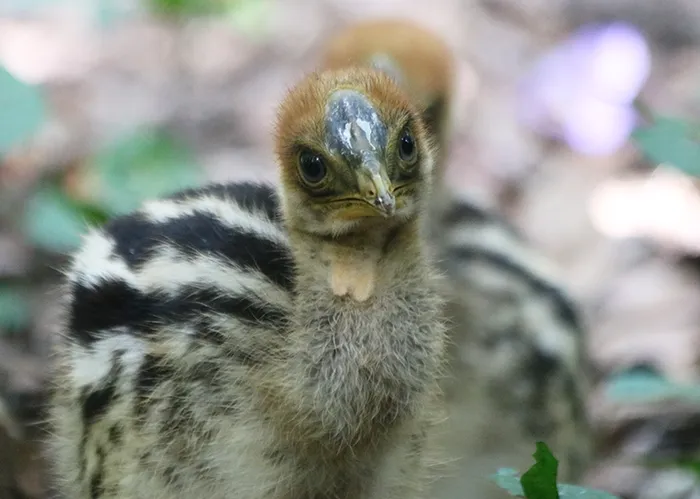
A large flightless bird that disperses seeds through its feeding. This profile concerns Casuarius casuarius, one of the cassowary species in the New Guinea region.
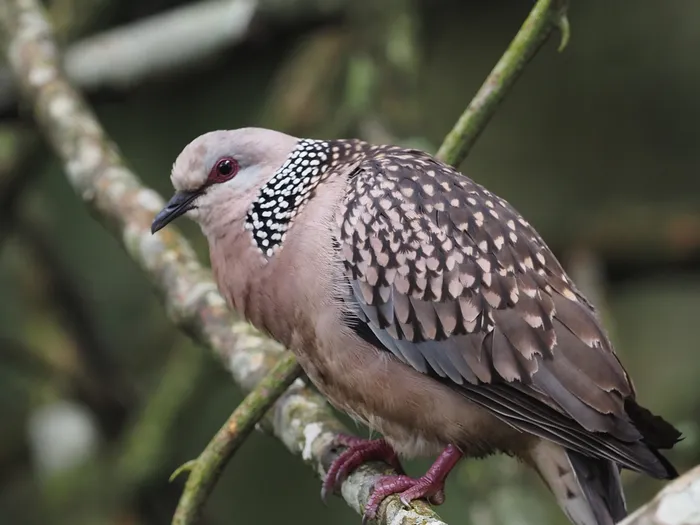
A small, long-tailed dove with white spots on a black neck patch. It uses open land, gardens and forest edges while searching for seeds.
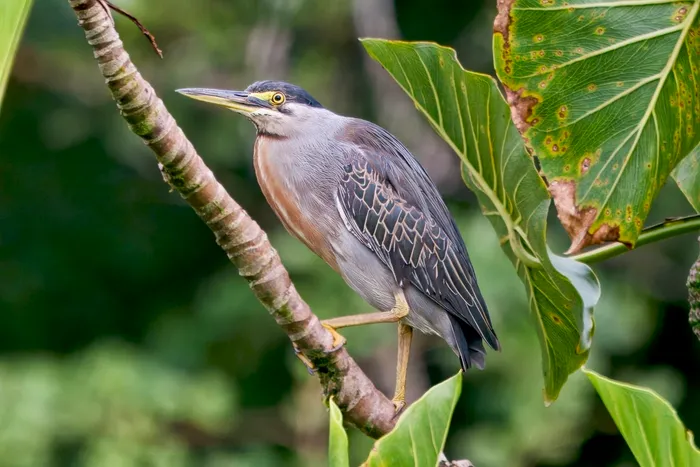
Striated Heron (Butorides striata). The striated heron is a small heron often using mangrove edges and shallow water; its current name distinguishes it from the American green heron.
Sultan's Cuckoo-Dove (Macropygia doreya). Sultan's cuckoo-dove ranges from the northern Moluccas and Sulawesi towards New Guinea; its taxonomy reflects a split from a former cuckoo-dove complex.
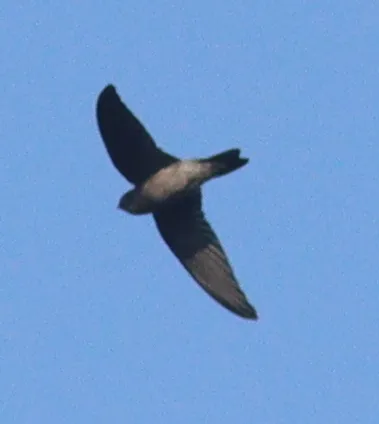
Uniform Swiftlet (Aerodramus vanikorensis). The uniform swiftlet has grey-brown plumage, darker upperparts and a shallow forked tail; lookalike swiftlets make clear photos and locality valuable.
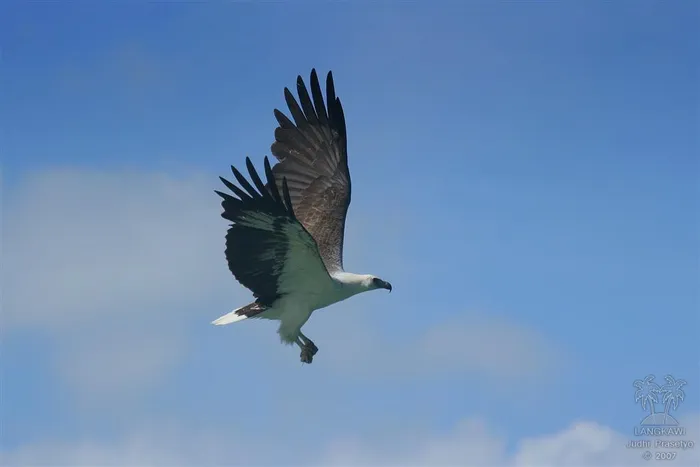
White-bellied Sea Eagle (Haliaeetus leucogaster). The white-bellied sea eagle has a white head, rump and underside with dark-grey upperwings; it uses coasts and major rivers.
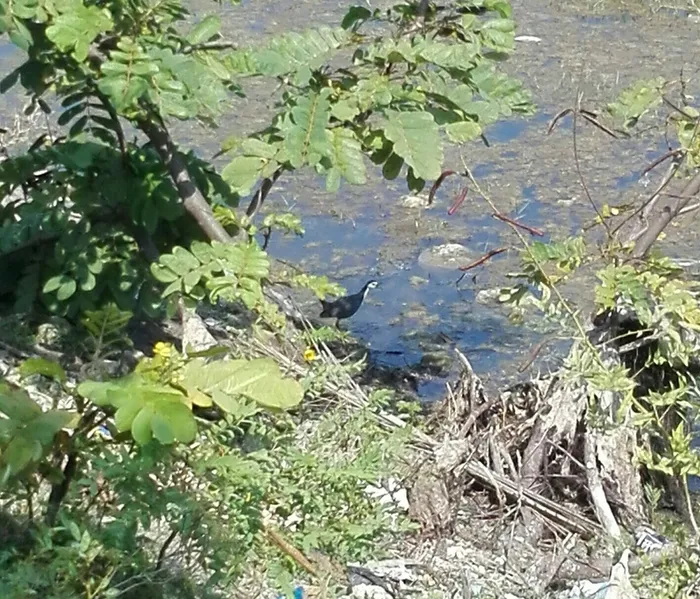
White-breasted Waterhen (Amaurornis phoenicurus). This waterhen has a dark body and conspicuously white face and breast; records should include the waterside vegetation where it was seen.
White-breasted Woodswallow (Artamus leucorhynchos). GBIF's spelling differs from the BirdLife Australia name for the white-breasted woodswallow; its white chest contrasts with a dark-grey head.
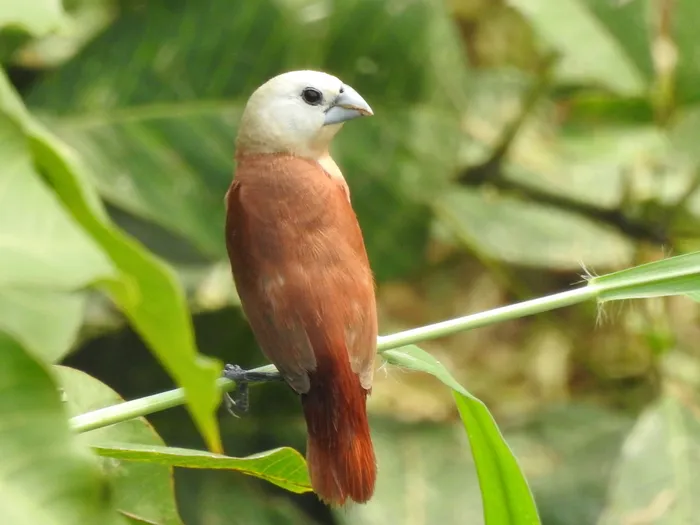
White-headed Munia (Lonchura maja). The white-headed munia uses wetlands and grassy places; the adult's white head helps identification, while young birds are harder to separate.
White-nest Swiftlet (Aerodramus fuciphagus). The edible-nest swiftlet makes a nest largely of hardened saliva; nest harvesting is a human activity separate from the bird's own life cycle.
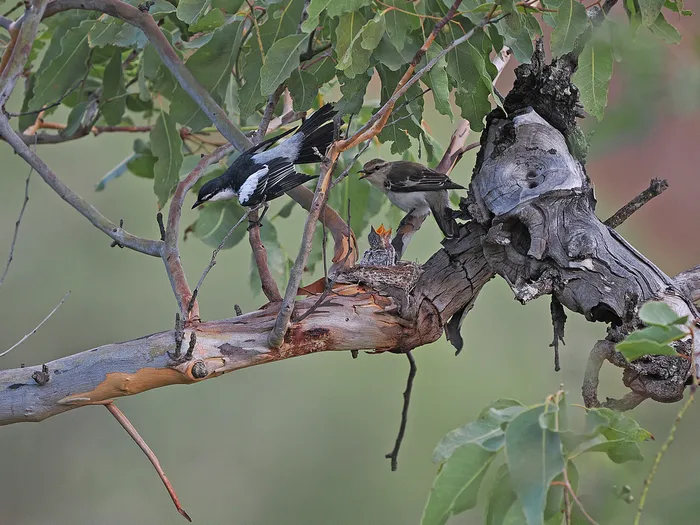
White-shouldered Triller (Lalage sueurii). The white-shouldered triller is a campephagid of Indonesia and Timor-Leste; its white wing markings should be read alongside body shape.
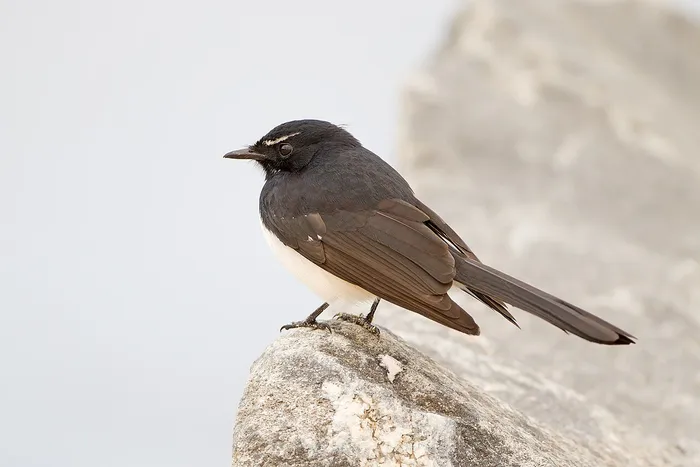
Willie Wagtail (Rhipidura leucophrys). The willie wagtail actively flicks its tail while foraging; locality matters across its Australian, New Guinean and eastern Indonesian range.
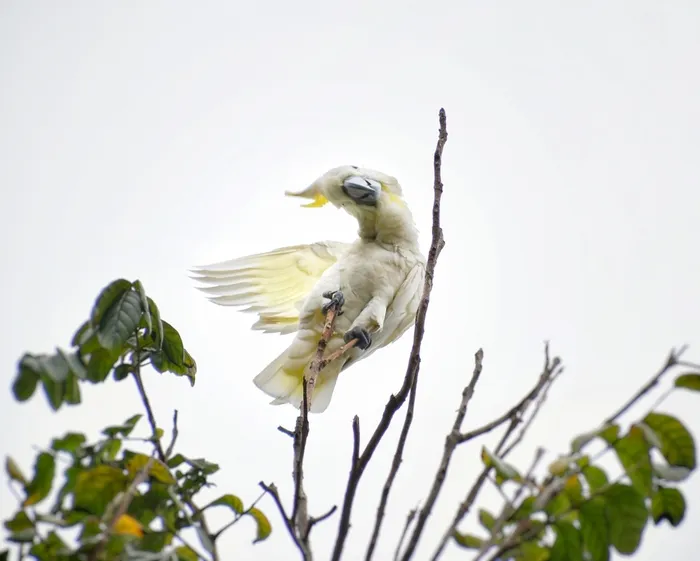
A white, yellow-crested cockatoo whose island populations need careful distinction. Feeding, nesting, and roosting trees complement efforts to prevent harmful trade.
A songbird with a conspicuous yellow vent that often uses gardens, parks and forest edges. Local studies document fruit and insect feeding.
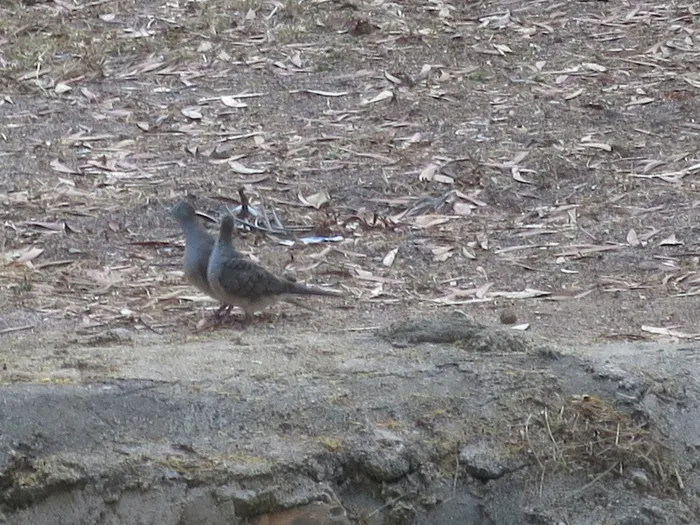
Zebra Dove (Geopelia striata). This small dove has a relatively long tail, fine black-and-white barring over grey-brown plumage and a soft repeated coo.
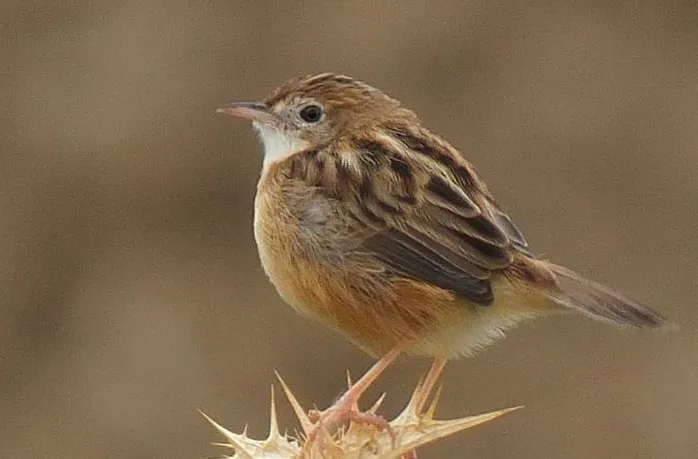
Zitting Cisticola (Cisticola juncidis). The zitting cisticola uses open grassy cover; its repeated short call in flight can reveal it before plumage details are clear.
| Name | Scientific name | Family | Conservation status |
|---|---|---|---|
| Ashy Drongo | Dicrurus leucophaeus | Dicruridae | Least Concern |
| Asian Emerald Dove | Chalcophaps indica | Columbidae | Least Concern |
| Bali myna | Leucopsar rothschildi | Sturnidae | Critically Endangered |
| Barn Swallow | Hirundo rustica | Hirundinidae | Least Concern |
| Black Sunbird | Leptocoma sericea | Nectariniidae | Least Concern |
| Black-naped Fruit Dove | Ptilinopus melanospilus | Columbidae | Least Concern |
| Black-naped Monarch | Hypothymis azurea | Monarchidae | Least Concern |
| Black-naped Oriole | Oriolus chinensis | Oriolidae | Least Concern |
| Black-winged Flycatcher-shrike | Hemipus hirundinaceus | Tephrodornithidae | Least Concern |
| Blue-tailed Bee-eater | Merops philippinus | Meropidae | Least Concern |
| Blyth's Hornbill | Rhyticeros plicatus | Bucerotidae | Least Concern |
| Brahminy Kite | Haliastur indus | Accipitridae | Least Concern |
| Brown Honeyeater | Lichmera indistincta | Meliphagidae | Least Concern |
| Brown-throated Sunbird | Anthreptes malacensis | Nectariniidae | Least Concern |
| Cave Swiftlet | Collocalia linchi | Apodidae | Least Concern |
| Collared kingfisher | Todiramphus chloris | Alcedinidae | Least Concern |
| Common Iora | Aegithina tiphia | Aegithinidae | Least Concern |
| Common Sandpiper | Actitis hypoleucos | Scolopacidae | Least Concern |
| Coppersmith Barbet | Psilopogon haemacephalus | Megalaimidae | Least Concern |
| Dollarbird | Eurystomus orientalis | Coraciidae | Least Concern |
| Eurasian tree sparrow | Passer montanus | Passeridae | Least Concern |
| Freckle-breasted Woodpecker | Dendrocopos analis | Picidae | Least Concern |
| Glossy Swiftlet | Collocalia esculenta | Apodidae | Least Concern |
| Golden-bellied Gerygone | Gerygone sulphurea | Acanthizidae | Least Concern |
| Gray-cheeked Green-Pigeon | Treron griseicauda | Columbidae | Not recorded |
| Gray-rumped Treeswift | Hemiprocne longipennis | Hemiprocnidae | Least Concern |
| Great Crested Tern | Thalasseus bergii | Laridae | Least Concern |
| Great Egret | Ardea alba | Ardeidae | Least Concern |
| Green Imperial Pigeon | Ducula aenea | Columbidae | Near Threatened |
| Green Junglefowl | Gallus varius | Phasianidae | Least Concern |
| Green peafowl | Pavo muticus | Phasianidae | Endangered |
| Hair-crested Drongo | Dicrurus hottentottus | Dicruridae | Least Concern |
| Helmeted Friarbird | Philemon buceroides | Meliphagidae | Least Concern |
| Helmeted hornbill | Rhinoplax vigil | Bucerotidae | Not recorded |
| House Swift | Apus nipalensis | Apodidae | Least Concern |
| Javan hawk-eagle | Nisaetus bartelsi | Accipitridae | Endangered |
| Javan Munia | Lonchura leucogastroides | Estrildidae | Least Concern |
| Javan Pond-Heron | Ardeola speciosa | Ardeidae | Least Concern |
| Lesser Coucal | Centropus bengalensis | Cuculidae | Least Concern |
| Lesser Frigatebird | Fregata ariel | Fregatidae | Least Concern |
| Little Egret | Egretta garzetta | Ardeidae | Least Concern |
| Malaysian Pied-Fantail | Rhipidura javanica | Rhipiduridae | Least Concern |
| Maleo | Macrocephalon maleo | Megapodiidae | Critically Endangered |
| Metallic Starling | Aplonis metallica | Sturnidae | Least Concern |
| Moluccan Eclectus | Eclectus roratus | Psittacidae | Least Concern |
| Northern Fantail | Rhipidura rufiventris | Rhipiduridae | Least Concern |
| Olive-backed Tailorbird | Orthotomus sepium | Cisticolidae | Least Concern |
| Pacific Reef Heron | Egretta sacra | Ardeidae | Least Concern |
| Pacific swallow | Hirundo javanica | Hirundinidae | Least Concern |
| Pied Bushchat | Saxicola caprata | Muscicapidae | Least Concern |
| Pink-necked Green-Pigeon | Treron vernans | Columbidae | Least Concern |
| Plaintive Cuckoo | Cacomantis merulinus | Cuculidae | Least Concern |
| Purple Heron | Ardea purpurea | Ardeidae | Least Concern |
| Rainbow Bee-eater | Merops ornatus | Meropidae | Least Concern |
| Red bird-of-paradise | Paradisaea rubra | Paradisaeidae | Near Threatened |
| Red-cheeked Parrot | Geoffroyus geoffroyi | Psittacidae | Least Concern |
| Rock Pigeon | Columba livia | Columbidae | Least Concern |
| Sacred Kingfisher | Todiramphus sanctus | Alcedinidae | Least Concern |
| Sahul Brush Cuckoo | Cacomantis variolosus | Cuculidae | Least Concern |
| Scaly-breasted Munia | Lonchura punctulata | Estrildidae | Least Concern |
| Scarlet-headed Flowerpecker | Dicaeum trochileum | Dicaeidae | Least Concern |
| Small Blue Kingfisher | Alcedo coerulescens | Alcedinidae | Least Concern |
| Southern cassowary | Casuarius casuarius | Casuariidae | Least Concern |
| Spotted dove | Spilopelia chinensis | Columbidae | Least Concern |
| Striated Heron | Butorides striata | Ardeidae | Least Concern |
| Sultan's Cuckoo-Dove | Macropygia doreya | Columbidae | Not recorded |
| Uniform Swiftlet | Aerodramus vanikorensis | Apodidae | Least Concern |
| White-bellied Sea Eagle | Haliaeetus leucogaster | Accipitridae | Least Concern |
| White-breasted Waterhen | Amaurornis phoenicurus | Rallidae | Least Concern |
| White-breasted Woodswallow | Artamus leucorhynchos | Artamidae | Not recorded |
| White-headed Munia | Lonchura maja | Estrildidae | Least Concern |
| White-nest Swiftlet | Aerodramus fuciphagus | Apodidae | Least Concern |
| White-shouldered Triller | Lalage sueurii | Campephagidae | Least Concern |
| Willie Wagtail | Rhipidura leucophrys | Rhipiduridae | Least Concern |
| Yellow-crested cockatoo | Cacatua sulphurea | Psittacidae | Critically Endangered |
| Yellow-vented bulbul | Pycnonotus goiavier | Pycnonotidae | Least Concern |
| Zebra Dove | Geopelia striata | Columbidae | Least Concern |
| Zitting Cisticola | Cisticola juncidis | Cisticolidae | Least Concern |
Search by name, habitat or island in the animal directory.