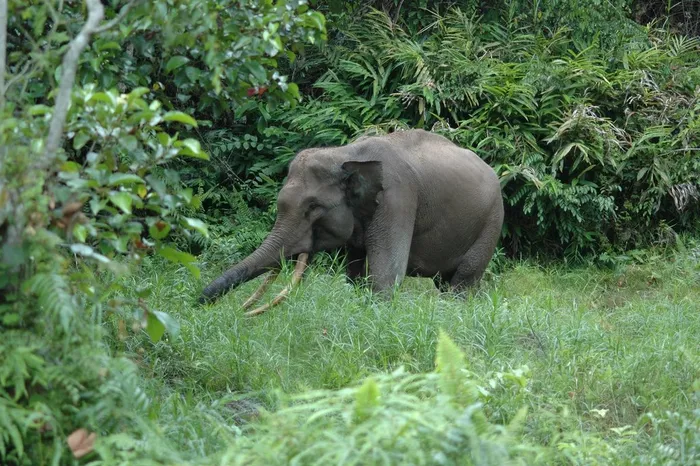
Elephas maximus sumatranus
A large herbivore that disperses seeds and shapes forests. Its conservation needs connected movement space and solutions developed with communities living nearby.
PANDUANHEWAN · INDONESIA
How Indonesia’s animals are distributed across the Wallace and Weber lines, with features and examples of Asian, Wallacean and Australian fauna.
In Indonesian geography lessons, land animals are grouped into three zones: Asian-type (Asiatis) fauna in the west, transitional (peralihan) fauna in the middle and Australian-type (Australis) fauna in the east. The split follows the country's geology: the Sunda shelf in the west, a transition area in the middle and the Sahul shelf in the east.
The boundaries are drawn as imaginary lines: Wallace's line, Weber's line and Lydekker's line. Alfred Russel Wallace published the first line in 1863, based on where land mammals and land birds live. Scientists soon realised that every such line is leaky to some degree, which led to the idea of a transition zone, now called Wallacea.
Evidence: Kemendikbud, Direktorat SMA (2020) Modul Geografi Kelas XI KD 3.2 dan 4.2: Persebaran flora dan fauna ↗ · Ali & Heaney (2021) Wallace's line, Wallacea, and associated divides and areas: history of a tortuous tangle of ideas and labels. Biological Reviews 96: 922-942 (abstract) ↗ · Struebig et al. (2022) Safeguarding imperiled biodiversity and evolutionary processes in the Wallacea center of endemism. BioScience 72(11): 1118-1130 ↗
Wallace's line marks the boundary between the Oriental (Asian) and Australian faunal regions. From the Indian Ocean it runs through the Lombok Strait between Bali and Lombok, north through the Makassar Strait between Borneo and Sulawesi, then east, south of Mindanao, into the Philippine Sea. The Indonesian education ministry's geography module describes its northern part as crossing the Celebes Sea through the gap between Mindanao and the Sangihe Islands.
Wallace saw a sharp change across the Lombok Strait. He wrote that Bali has barbets, fruit-thrushes and woodpeckers, but on Lombok these disappear and cockatoos, honeyeaters and brush-turkeys (megapodes) take their place.
There is more than one version of the line. T. H. Huxley (1868) moved its northern part to the west of the Philippines, leaving Palawan on the Asian side. In 1910 Wallace himself moved his line from the west side of Sulawesi to the east side.
Evidence: Britannica: Wallace Line (archived snapshot, 5 Jan 2026) ↗ · Kemendikbud, Direktorat SMA (2020) Modul Geografi Kelas XI KD 3.2 dan 4.2: Persebaran flora dan fauna ↗ · Wallace (1863) On the physical geography of the Malay Archipelago. J. Royal Geographical Society 33 (full text, Wallace Page, Western Kentucky University) ↗ · Britannica (C. P. Groves): Biogeographic region - Oriental region, Wallacea, Notogaean and Australian regions (archived snapshot, 7 Sep 2025) ↗ · Ali & Heaney (2021) Wallace's line, Wallacea, and associated divides and areas: history of a tortuous tangle of ideas and labels. Biological Reviews 96: 922-942 (abstract) ↗ · Natural History Museum, London: Who was Alfred Russel Wallace? ↗
Weber's line, named after Max Weber, is a line of faunal balance: around it, Asian and Australian elements are roughly equal (50:50). To the west, more than half of the fauna is Asian in character; to the east, more than half is Australian.
Britannica places Weber's line to the west of the Maluku Islands. In line with this, some school modules use Weber's line to separate Maluku and Papua in the east from the rest of Indonesia.
Evidence: Britannica (C. P. Groves): Biogeographic region - Oriental region, Wallacea, Notogaean and Australian regions (archived snapshot, 7 Sep 2025) ↗ · Kemendikbud, Direktorat Pembinaan SMA (2018) e-Modul Persebaran Flora-Fauna di Indonesia dan Dunia (Geografi Kelas XI KD 3.2) ↗ · Kemendikbud, Direktorat SMA (2020) Modul Geografi Kelas XI KD 3.2 dan 4.2: Persebaran flora dan fauna ↗
Lydekker's line follows the edge of the Sahul shelf, the continental shelf of Australia and New Guinea. It runs west of New Guinea (Papua) and north of Australia. West of it lies the Wallacea transition zone; east of it are Australian-type plants and animals.
Lydekker published the line in 1896. Some specialists suggest calling it the Heilprin-Lydekker line, because Angelo Heilprin proposed a similar divide in 1887.
Evidence: Britannica: Lydekker's Line (archived snapshot, 15 Oct 2025) ↗ · Britannica (C. P. Groves): Biogeographic region - Oriental region, Wallacea, Notogaean and Australian regions (archived snapshot, 7 Sep 2025) ↗ · Doorenweerd et al. (2020) The Dacini fruit fly fauna of Sulawesi fits Lydekker's line but also supports Wallacea as a biogeographic region. ZooKeys ↗ · Kemendikbud, Direktorat SMA (2020) Modul Geografi Kelas XI KD 3.2 dan 4.2: Persebaran flora dan fauna ↗ · Ali & Heaney (2021) Wallace's line, Wallacea, and associated divides and areas: history of a tortuous tangle of ideas and labels. Biological Reviews 96: 922-942 (abstract) ↗
Asian zone (Sunda shelf): Sumatra, Java, Kalimantan (Indonesian Borneo) and Bali, plus nearby small islands. Its eastern limit is Wallace's line, so Bali is still in the Asian zone while Lombok is already in the transition zone.
Transition zone (Wallacea): Sulawesi, the Nusa Tenggara (Lesser Sunda) islands from Lombok eastward including Timor, and the Maluku Islands. Scientists include Sulawesi, Maluku, Nusa Tenggara and Timor-Leste in Wallacea, the area between Wallace's line and Lydekker's line.
Australian zone (Sahul shelf): Papua, the Aru Islands and nearby small islands. Wallace (1863) noted that the Aru Islands, Misool and Waigeo share their mammals and birds with New Guinea far more than with Maluku, because a shallow sea links them to New Guinea.
Evidence: Kemendikbud, Direktorat SMA (2020) Modul Geografi Kelas XI KD 3.2 dan 4.2: Persebaran flora dan fauna ↗ · Kemendikbud, Direktorat Pembinaan SMA (2018) e-Modul Persebaran Flora-Fauna di Indonesia dan Dunia (Geografi Kelas XI KD 3.2) ↗ · Britannica: Wallace Line (archived snapshot, 5 Jan 2026) ↗ · Struebig et al. (2022) Safeguarding imperiled biodiversity and evolutionary processes in the Wallacea center of endemism. BioScience 72(11): 1118-1130 ↗ · Wallace (1863) On the physical geography of the Malay Archipelago. J. Royal Geographical Society 33 (full text, Wallace Page, Western Kentucky University) ↗
School books do not agree on Maluku. The education ministry's 2020 module puts the Maluku Islands in the transition zone, while its 2018 module groups Maluku with Papua east of Weber's line. Biogeographers generally include Maluku in Wallacea, although Britannica notes that the faunal links of the Moluccas are clearly with New Guinea.
The Aru Islands are a special case. Administratively, Aru is a regency of Maluku Province, but the islands rise from the Sahul shelf. In the faunal division, Aru therefore belongs to the Australian zone together with Papua.
Evidence: Kemendikbud, Direktorat SMA (2020) Modul Geografi Kelas XI KD 3.2 dan 4.2: Persebaran flora dan fauna ↗ · Kemendikbud, Direktorat Pembinaan SMA (2018) e-Modul Persebaran Flora-Fauna di Indonesia dan Dunia (Geografi Kelas XI KD 3.2) ↗ · Struebig et al. (2022) Safeguarding imperiled biodiversity and evolutionary processes in the Wallacea center of endemism. BioScience 72(11): 1118-1130 ↗ · Britannica (C. P. Groves): Biogeographic region - Oriental region, Wallacea, Notogaean and Australian regions (archived snapshot, 7 Sep 2025) ↗ · Portal resmi Pemerintah Kabupaten Kepulauan Aru ↗ · Wallace (1863) On the physical geography of the Malay Archipelago. J. Royal Geographical Society 33 (full text, Wallace Page, Western Kentucky University) ↗
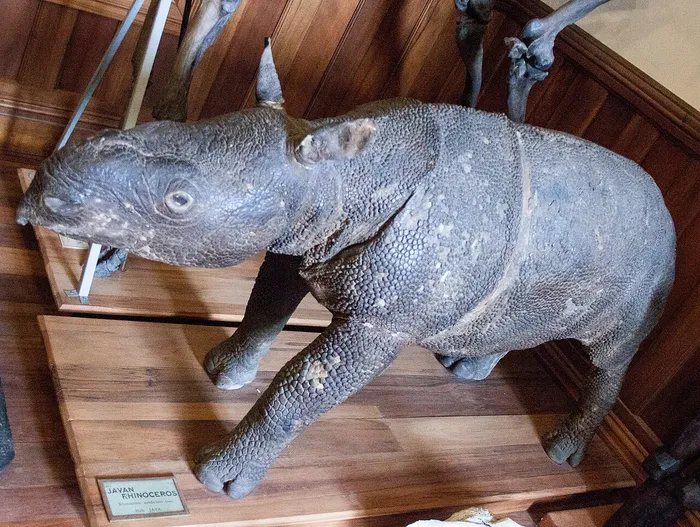
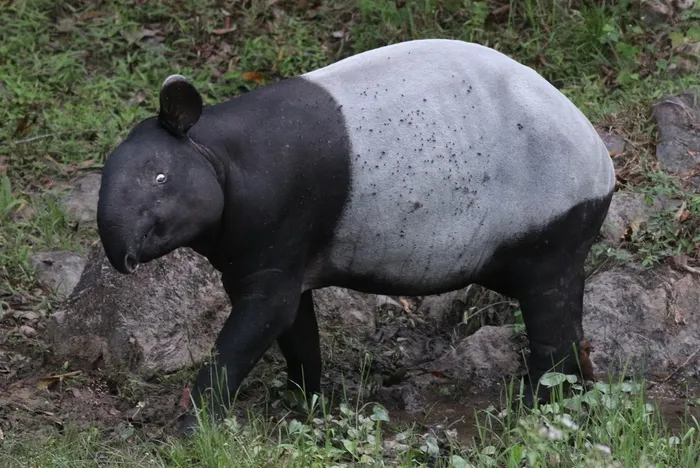
Asian-type fauna resembles the fauna of mainland Asia. Its most obvious feature is large placental mammals. Wallace (1863) gave the elephant and tapir of Sumatra, the rhinoceroses of Sumatra and Java, and the wild cattle of Borneo as examples.
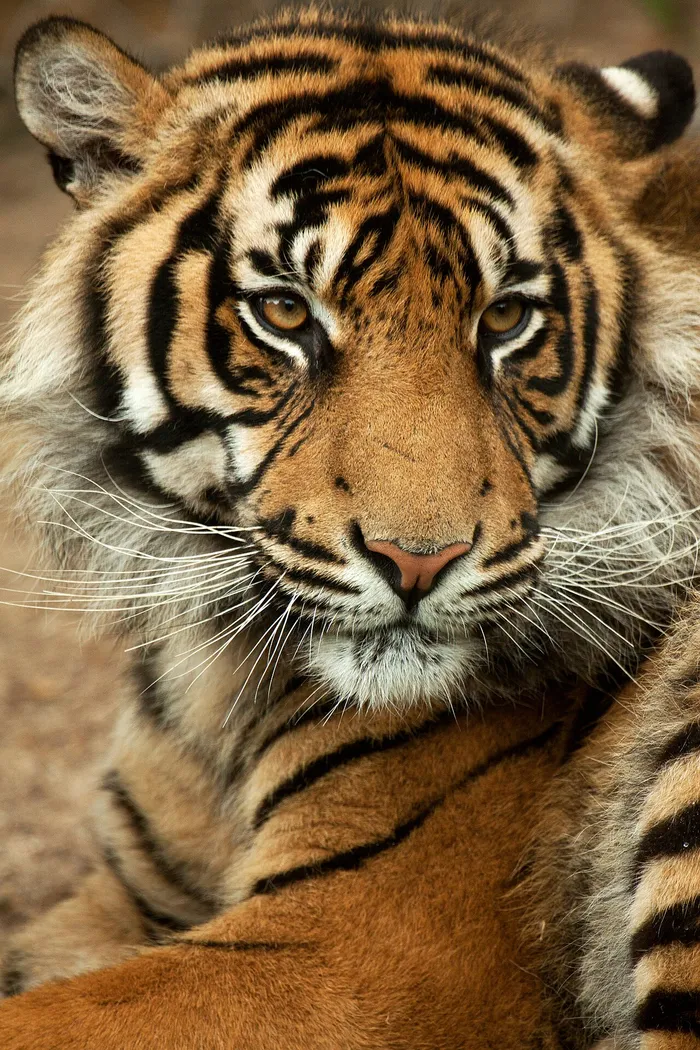
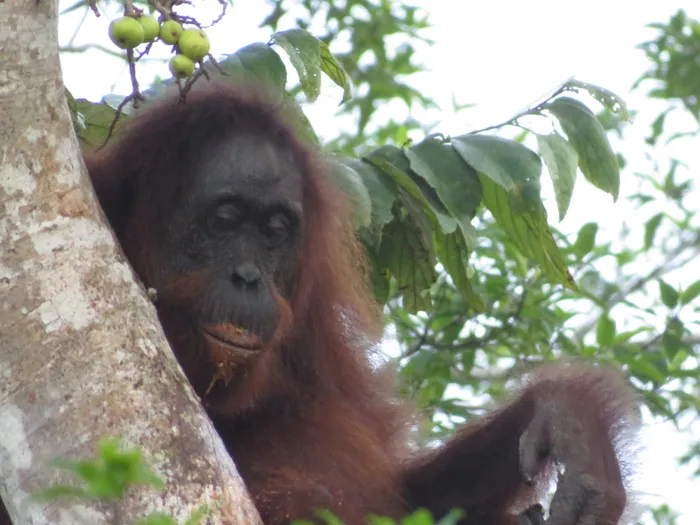
Other typical groups are great apes and gibbons, such as orangutans in Sumatra and Borneo and the siamang in Sumatra, and big cats such as the Sumatran tiger. Britannica lists the gibbon family (Hylobatidae) and the treeshrew family (Tupaiidae) among the families endemic to the Oriental region.
Evidence: Wallace (1863) On the physical geography of the Malay Archipelago. J. Royal Geographical Society 33 (full text, Wallace Page, Western Kentucky University) ↗ · Britannica (C. P. Groves): Biogeographic region - Oriental region, Wallacea, Notogaean and Australian regions (archived snapshot, 7 Sep 2025) ↗ · Britannica: orangutan (archived snapshot, 26 Dec 2025) ↗ · Britannica: siamang (archived snapshot, 18 Sep 2025) ↗ · Britannica: tiger (archived snapshot, 28 Dec 2025) ↗ · Kemendikbud, Direktorat SMA (2020) Modul Geografi Kelas XI KD 3.2 dan 4.2: Persebaran flora dan fauna ↗
Transitional fauna is the fauna of Wallacea, the meeting point of Asian and Australian animals. Its features are a mix of Asian and Australian groups and one of the highest levels of endemism in the world: Wallacea has 62 endemic vertebrate genera.
Sulawesi is the clearest example. At least 61 of its 63 non-flying land mammal species are endemic. It has animals of Asian descent, such as the anoa (related to native bovids of the Philippines and East Asia) and seven species of Macaca, a monkey genus whose members are almost all Asian. Yet the same island is home to the bear cuscus, a marsupial from the Australasian group.
Other iconic animals are the babirusa and the maleo of Sulawesi, and the Komodo dragon of Komodo Island and a few neighbouring islands in the Lesser Sundas (Nusa Tenggara).
Evidence: Struebig et al. (2022) Safeguarding imperiled biodiversity and evolutionary processes in the Wallacea center of endemism. BioScience 72(11): 1118-1130 ↗ · Frantz et al. (2018) Synchronous diversification of Sulawesi's iconic artiodactyls driven by recent geological events. Proc. R. Soc. B 285: 20172566 ↗ · Britannica: macaque (archived snapshot, 5 Dec 2025) ↗ · Animal Diversity Web (University of Michigan): Ailurops ursinus, bear cuscus ↗ · Britannica: cuscus (archived snapshot, 19 Jul 2025) ↗ · Britannica (C. P. Groves): Biogeographic region - Oriental region, Wallacea, Notogaean and Australian regions (archived snapshot, 7 Sep 2025) ↗ · Britannica: Komodo dragon (archived snapshot, 6 Jan 2026) ↗ · Indonesia.go.id (Portal Informasi Indonesia, 18 Dec 2020): Melestarikan Maleo yang Hanya Ada di Sulawesi (archived snapshot) ↗
Australian-type fauna resembles the fauna of Australia. Britannica places New Guinea, including Papua, in the Australian region and describes New Guinea's fauna as the rainforest side of Australian fauna.
Its features are many marsupials, such as cuscuses and tree-kangaroos, and typical birds such as cassowaries and birds-of-paradise. Britannica lists cassowaries (Casuariiformes) and birds-of-paradise (Paradisaeidae) as groups endemic to the Australian region. Wallace (1863) noted that Australia has no apes, monkeys, cats or tigers, and instead has marsupials such as kangaroos and opossums.
Evidence: Britannica (C. P. Groves): Biogeographic region - Oriental region, Wallacea, Notogaean and Australian regions (archived snapshot, 7 Sep 2025) ↗ · Britannica: cuscus (archived snapshot, 19 Jul 2025) ↗ · Kemendikbud, Direktorat Pembinaan SMA (2018) e-Modul Persebaran Flora-Fauna di Indonesia dan Dunia (Geografi Kelas XI KD 3.2) ↗ · Wallace (1863) On the physical geography of the Malay Archipelago. J. Royal Geographical Society 33 (full text, Wallace Page, Western Kentucky University) ↗ · Britannica: cassowary (archived snapshot, 28 Dec 2025) ↗ · Britannica: bird-of-paradise (archived snapshot, 29 Dec 2025) ↗
The key is sea depth. The Asian zone sits on the Sunda shelf, a continental shelf joined to Asia. Wallace (1863) noted that the seas linking Java, Sumatra and Borneo with the Malay Peninsula and Siam are under 50 fathoms (about 90 metres) deep. Papua and the Aru Islands sit on the Sahul shelf, which is joined to Australia.
During the Pleistocene ice ages, glaciation lowered sea levels, and the islands of the Sunda shelf were repeatedly joined to mainland Asia. Voris (2000) mapped ancient shorelines for sea levels 75, 100 and 120 metres below today's. The lowest levels lasted only relatively short periods, but for more than half of each period Voris studied, sea level was at least 40 metres below today's.
The islands of Wallacea were never joined to the Sunda or Sahul shelves; deep trenches and straits have separated them for at least the last 23 million years. Wallace's line also marks where many fish, bird and mammal groups are abundant on one side but scarce or absent on the other.
Evidence: Wallace (1863) On the physical geography of the Malay Archipelago. J. Royal Geographical Society 33 (full text, Wallace Page, Western Kentucky University) ↗ · Kemendikbud, Direktorat SMA (2020) Modul Geografi Kelas XI KD 3.2 dan 4.2: Persebaran flora dan fauna ↗ · Kemendikbud, Direktorat Pembinaan SMA (2018) e-Modul Persebaran Flora-Fauna di Indonesia dan Dunia (Geografi Kelas XI KD 3.2) ↗ · Voris (2000) Maps of Pleistocene sea levels in Southeast Asia: shorelines, river systems and time durations. Journal of Biogeography 27: 1153-1167 (abstract) ↗ · Field Museum: Pleistocene sea level maps (H. K. Voris) ↗ · Doorenweerd et al. (2020) The Dacini fruit fly fauna of Sulawesi fits Lydekker's line but also supports Wallacea as a biogeographic region. ZooKeys ↗ · Struebig et al. (2022) Safeguarding imperiled biodiversity and evolutionary processes in the Wallacea center of endemism. BioScience 72(11): 1118-1130 ↗ · Britannica: Wallace Line (archived snapshot, 5 Jan 2026) ↗
Many zoogeographers no longer treat Wallace's line as a strict regional boundary. Even so, it still marks a sharp distribution limit for many major animal groups.
Researchers have not agreed on exactly where the lines and zones should run, even with modern analytical methods. That is not surprising, because each group of organisms has its own history of spread. A 2021 review by Ali and Heaney also notes that much secondary literature portrays these lines incorrectly, so each line should be cited according to its original definition.
Evidence: Britannica: Wallace Line (archived snapshot, 5 Jan 2026) ↗ · Ali & Heaney (2021) Wallace's line, Wallacea, and associated divides and areas: history of a tortuous tangle of ideas and labels. Biological Reviews 96: 922-942 (abstract) ↗
A large herbivore that disperses seeds and shapes forests. Its conservation needs connected movement space and solutions developed with communities living nearby.
The last surviving Sunda Island tiger population lives in Sumatra. Protecting forest, prey, and movement routes supports a whole living landscape.
A one-horned rhinoceros with a single surviving wild population in Ujung Kulon. Strong protection and careful habitat management underpin its future.
The black-and-white tapir is Asia’s only tapir. Forest, water, and safe movement space support its life in Sumatra.
A great ape of Borneo’s forests, including Kalimantan’s peat swamps. Population diversity and connections between habitats are central to its conservation.
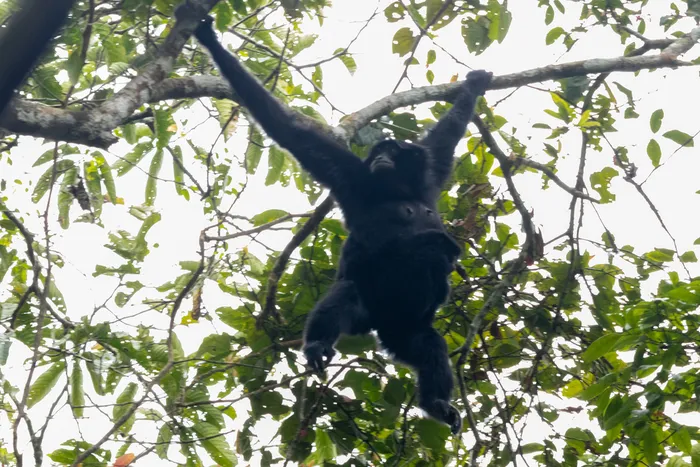
The largest gibbon, with a throat sac that amplifies its calls. Group life connects communication, infant care, and connected forest.
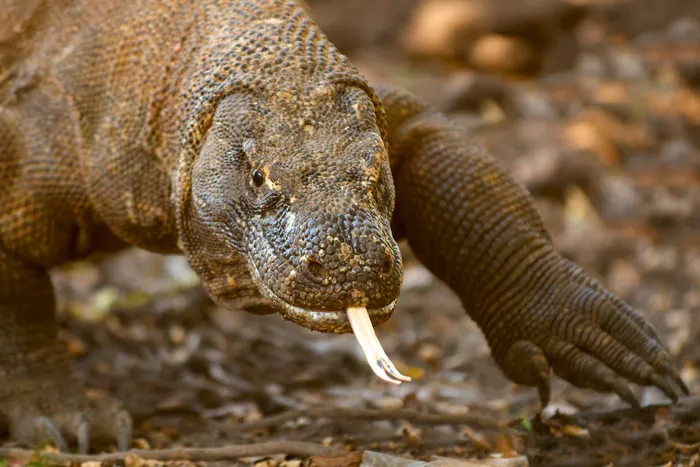
The largest living lizard, native to a small group of islands in East Nusa Tenggara. Explore its links with prey, dry habitats, and island-specific conservation.
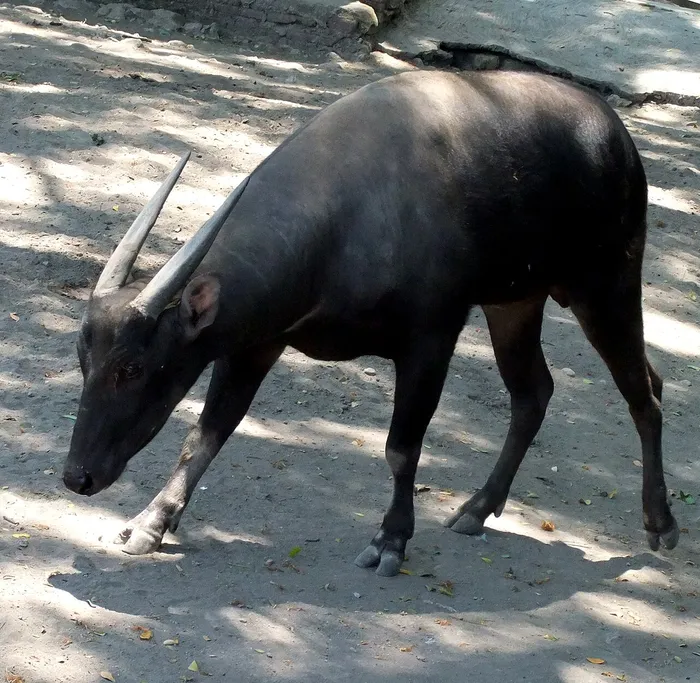
A small buffalo relative from Sulawesi and Buton. Forest life, water sources, and hunting pressures are central to the anoa’s conservation story.
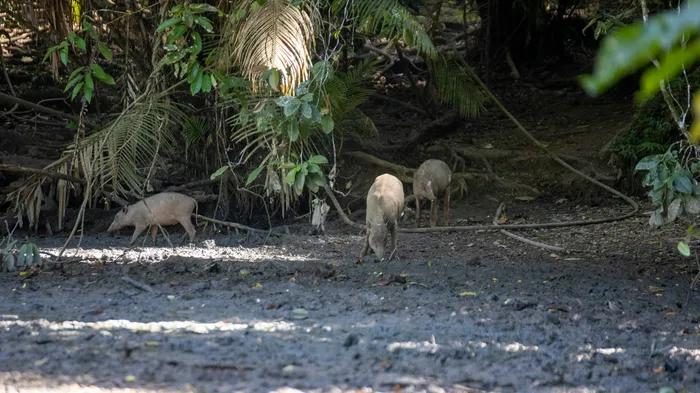
A Sulawesi wild pig whose males have upper tusks curving through the snout’s skin. This profile distinguishes it from babirusas on other islands.
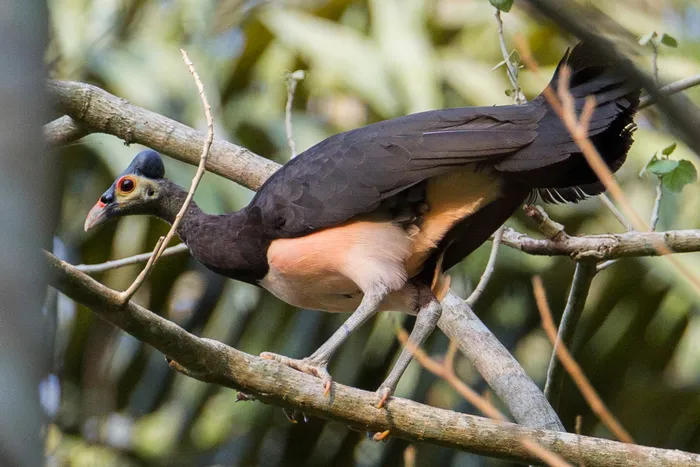
A Sulawesi bird that uses environmental heat to incubate its eggs. Its survival connects forest living areas with highly specialised nesting grounds.
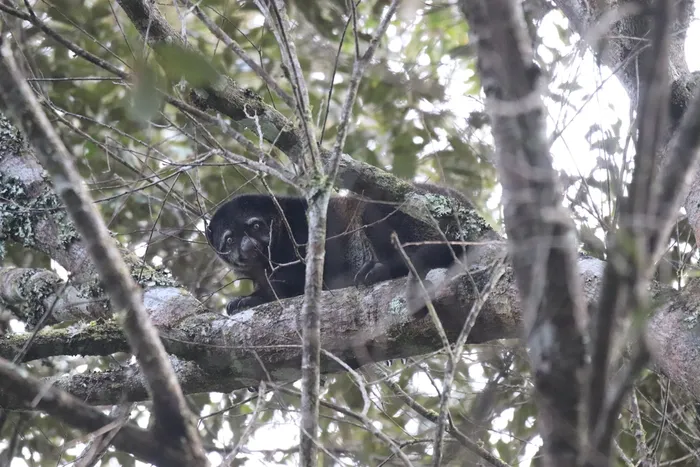
A tree-dwelling marsupial of Sulawesi. Leaves, connected canopy, and low human disturbance matter to this often slow-moving forest animal.
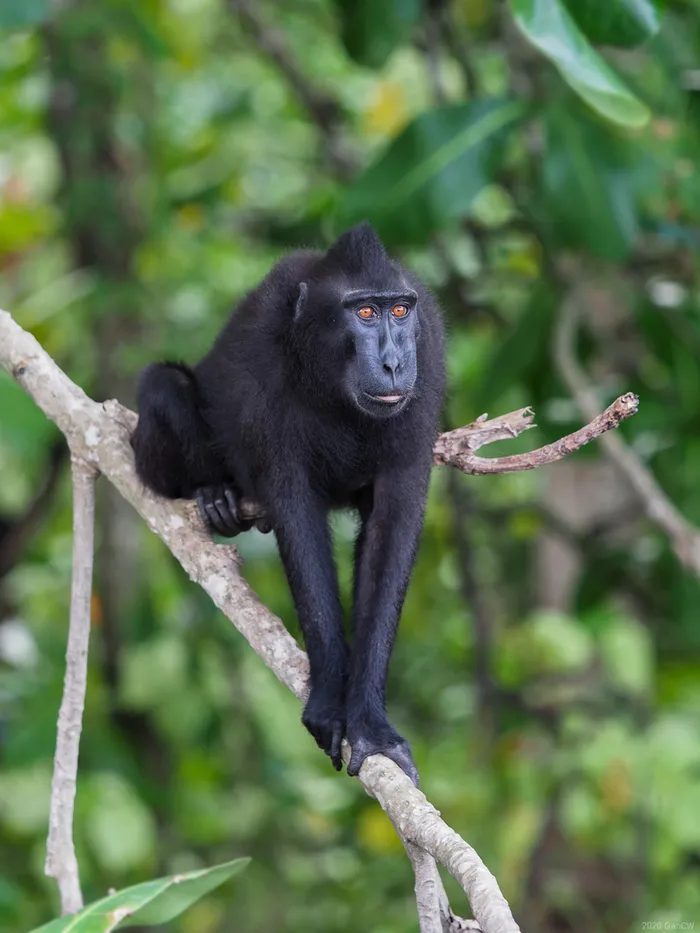
The crested black macaque is a distinctive North Sulawesi primate. Tangkoko field studies connect fruit availability, ranging and the future of its forest habitat.
The greater bird-of-paradise (Paradisaea apoda) is a yellow-plumed bird-of-paradise of the Aru Islands and the southern lowlands of New Guinea.
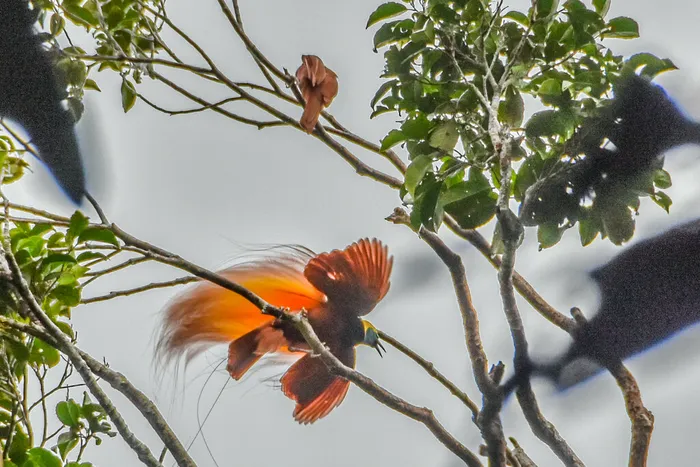
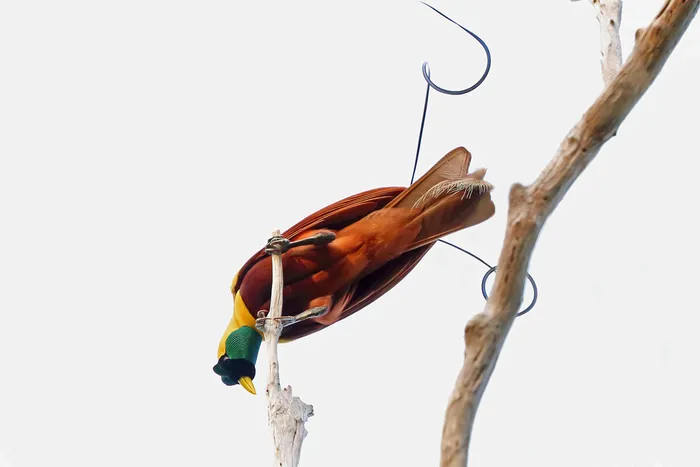
A forest bird of Raja Ampat whose males carry red plumes and two long tail ribbons. Its striking displays connect birdwatching with forest conservation.
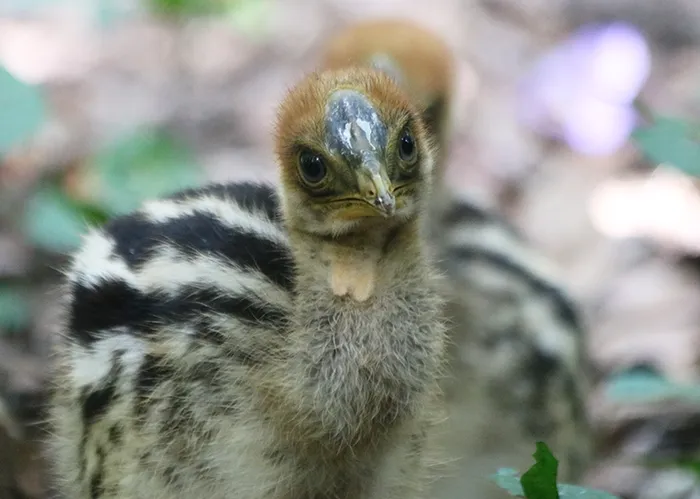
A large flightless bird that disperses seeds through its feeding. This profile concerns Casuarius casuarius, one of the cassowary species in the New Guinea region.
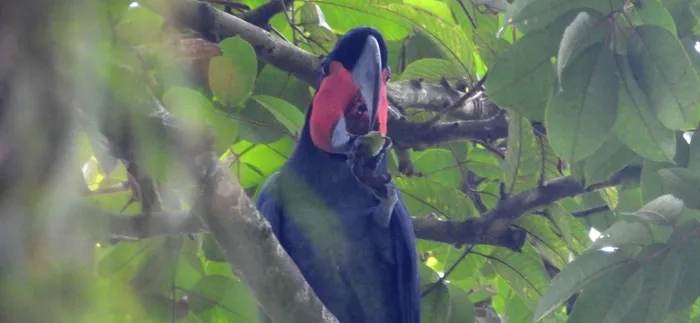
The palm cockatoo (Probosciger aterrimus) is a large black cockatoo with red cheek patches from New Guinea and the Aru Islands, known for drumming.
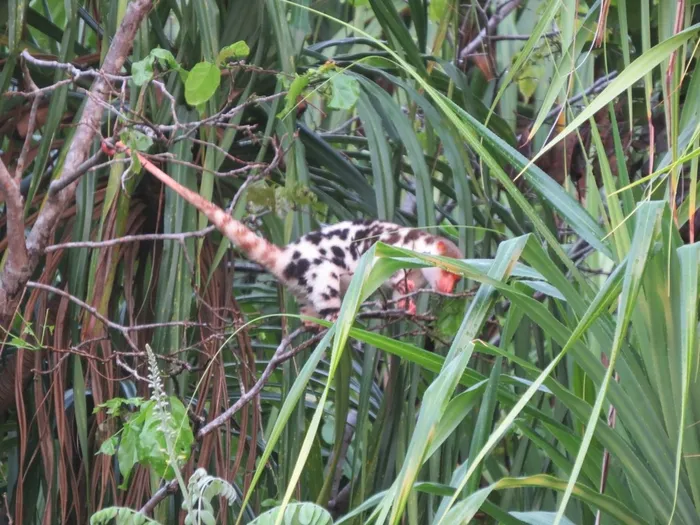
Waigeo Spotted Cuscus (Spilocuscus papuensis). The Waigeo spotted cuscus is a marsupial native to Waigeo Island; outlying records need scrutiny before being treated as natural range.
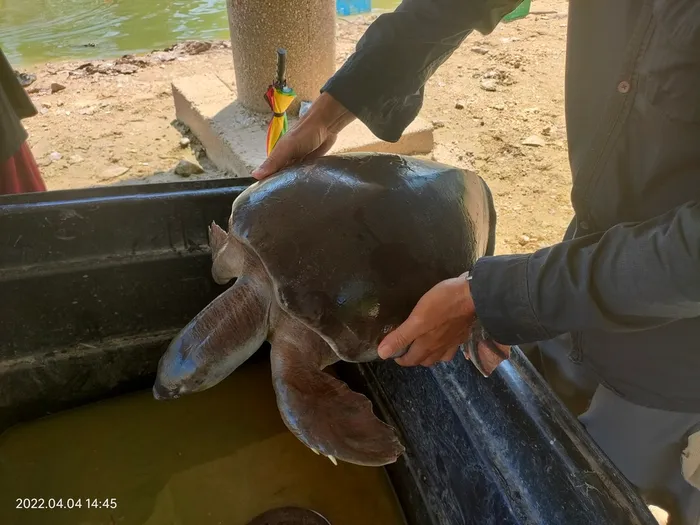
The pig-nosed turtle (Carettochelys insculpta) is a flipper-limbed freshwater turtle of southern Papua, threatened by egg harvest and hatchling smuggling.
Wallace's line (from the Lombok Strait to the Makassar Strait) separates the Asian-type fauna of Sumatra, Java, Kalimantan and Bali from the transitional fauna to the east. Weber's line, west of Maluku, is a line of balance: to its west Asian-type animals are the majority, to its east Australian-type animals are. The area between Wallace's line and Lydekker's line is Wallacea (Sulawesi, Nusa Tenggara, Maluku), while Papua and the Aru Islands have Australian-type fauna.
Examples are the Sumatran elephant, Sumatran tiger, Javan rhinoceros, Malayan tapir, orangutans, the siamang and the banteng. They live in Sumatra, Java, Kalimantan or Bali, west of Wallace's line, and are related to animals of mainland Asia.
Transitional fauna is the fauna of Wallacea (Sulawesi, Nusa Tenggara and Maluku), the area between Wallace's line and Lydekker's line. It mixes Asian and Australian groups and has many endemic species, such as anoas, babirusas, the maleo, the bear cuscus and the Komodo dragon.
Australian-type fauna resembles Australia's: many marsupials such as cuscuses and tree-kangaroos, and typical birds such as cassowaries and birds-of-paradise. In Indonesia it is found in Papua, the Aru Islands and nearby small islands on the Sahul shelf.
Wallace's line separates the Asian (Oriental) faunal region from the transitional and Australian fauna; in Indonesia it runs between Bali and Lombok and between Borneo and Sulawesi. Weber's line is a line of faunal balance west of Maluku, where Asian and Australian elements are roughly equal.
Search by name, habitat or island in the animal directory.