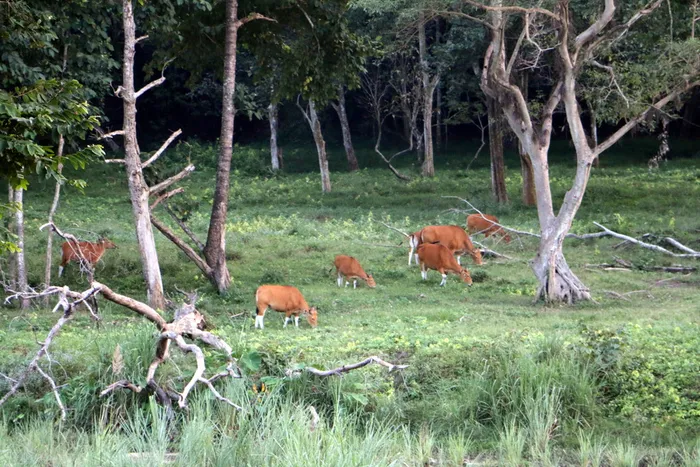
Bos javanicus
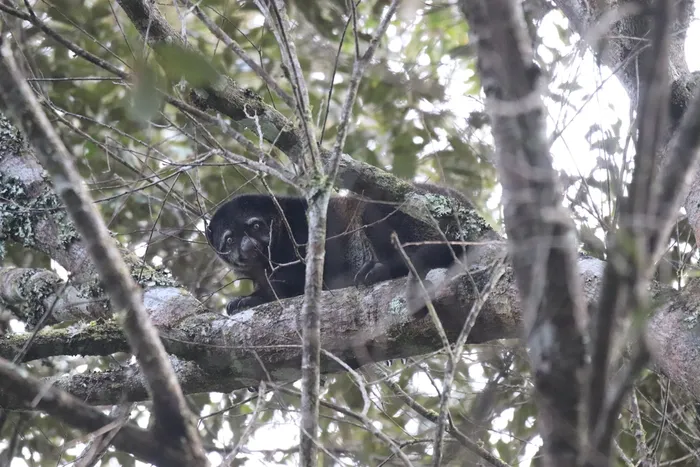
An Asian wild cattle species related to Bali cattle. Its global status changed to Critically Endangered in 2024, underlining the need to protect wild populations.
PANDUANHEWAN · INDONESIA
Meet 56 mammal species recorded in Indonesia, including the Sumatran orangutan, Sumatran tiger and Sumatran elephant, with scientific names, families, IUCN status (37 threatened) and sources.
PanduanHewan has 56 guides to mammal species recorded in Indonesia, across 25 families. Each guide lists the scientific name, traceable sources and, where available, the IUCN Red List category. 37 of them are threatened (Critically Endangered, Endangered or Vulnerable).
This list covers animals that already have a guide on this site; it is not a complete list of Indonesia’s mammal species.
An Asian wild cattle species related to Bali cattle. Its global status changed to Critically Endangered in 2024, underlining the need to protect wild populations.
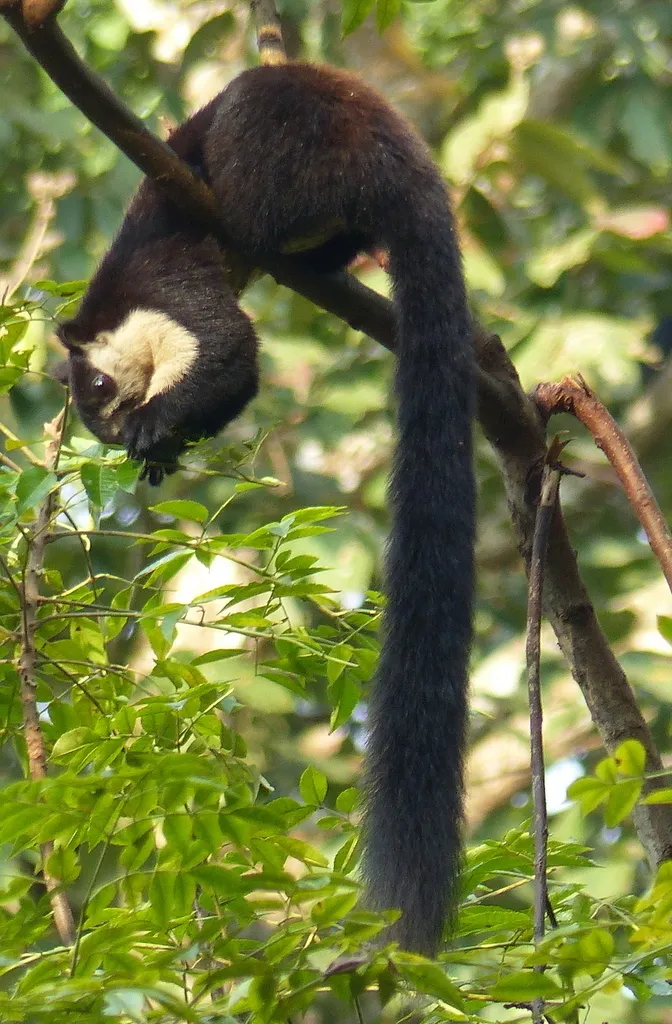
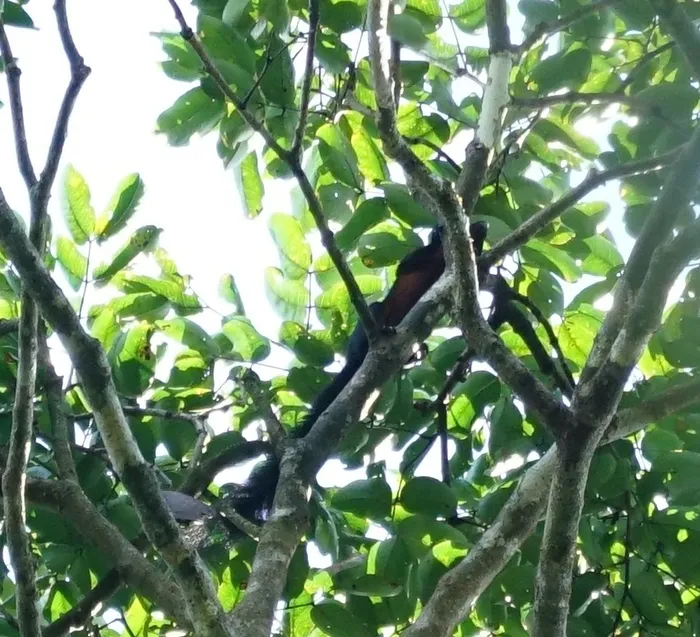
Black Giant Squirrel (Ratufa bicolor). The black giant squirrel is a large forest tree-squirrel; its size and bushy tail distinguish it from the much smaller plantain squirrel.
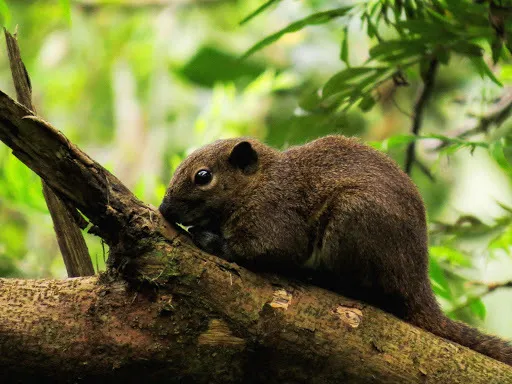
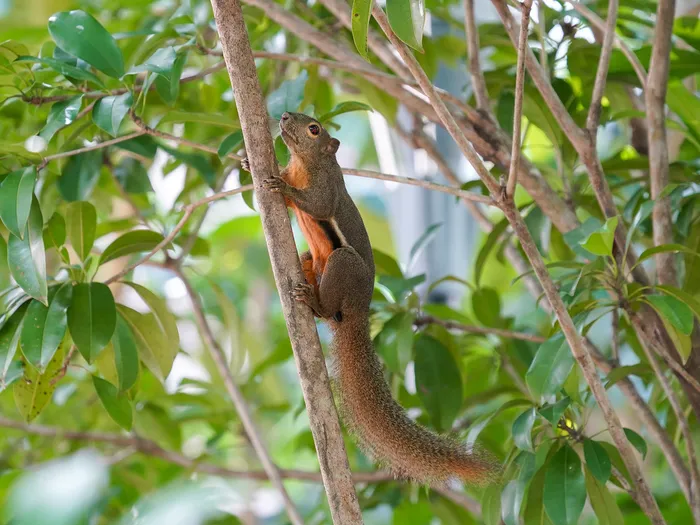
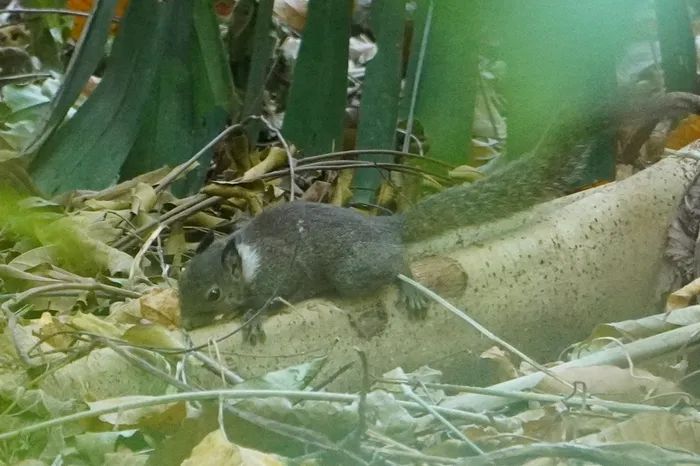
Black-striped Squirrel (Callosciurus nigrovittatus). The black-striped squirrel occurs on Java, Sumatra and the Malay Peninsula; its dark side stripe can assist identification in a clear view.
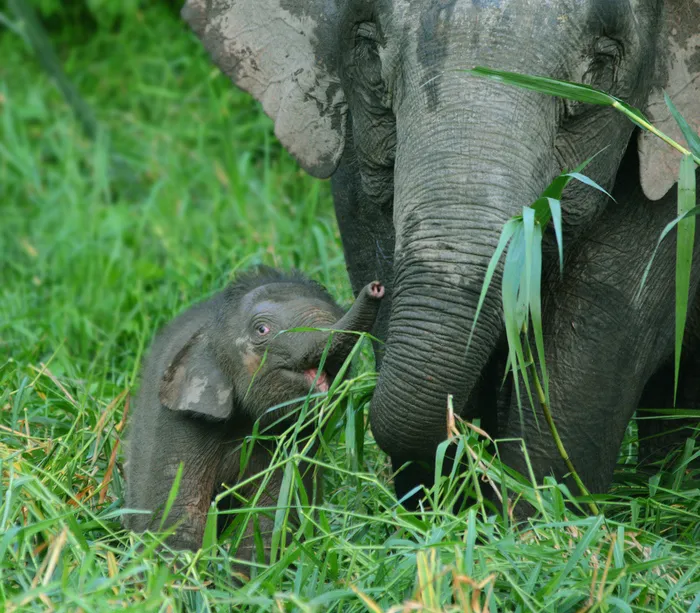
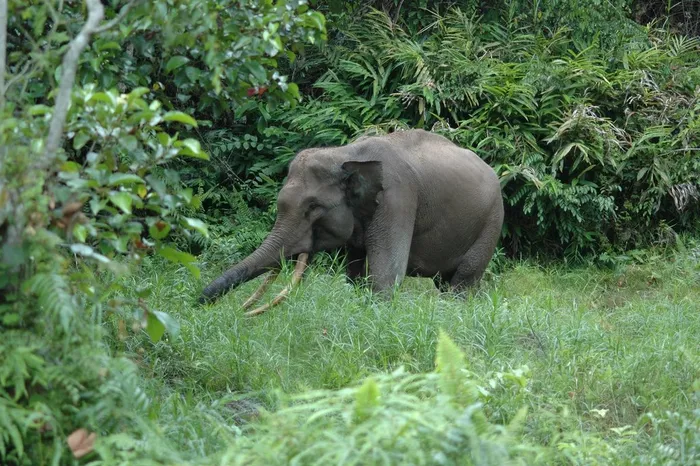
A northern Borneo population of Asian elephant shared by North Kalimantan and Sabah. Its future depends on a connected cross-border landscape and reducing conflict with people.
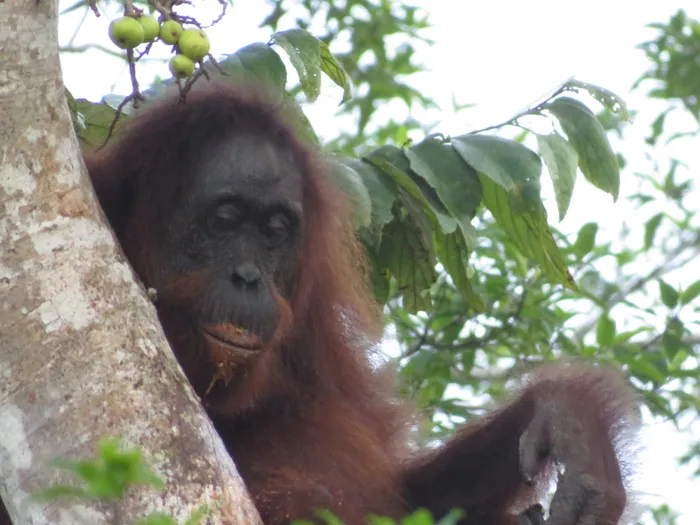
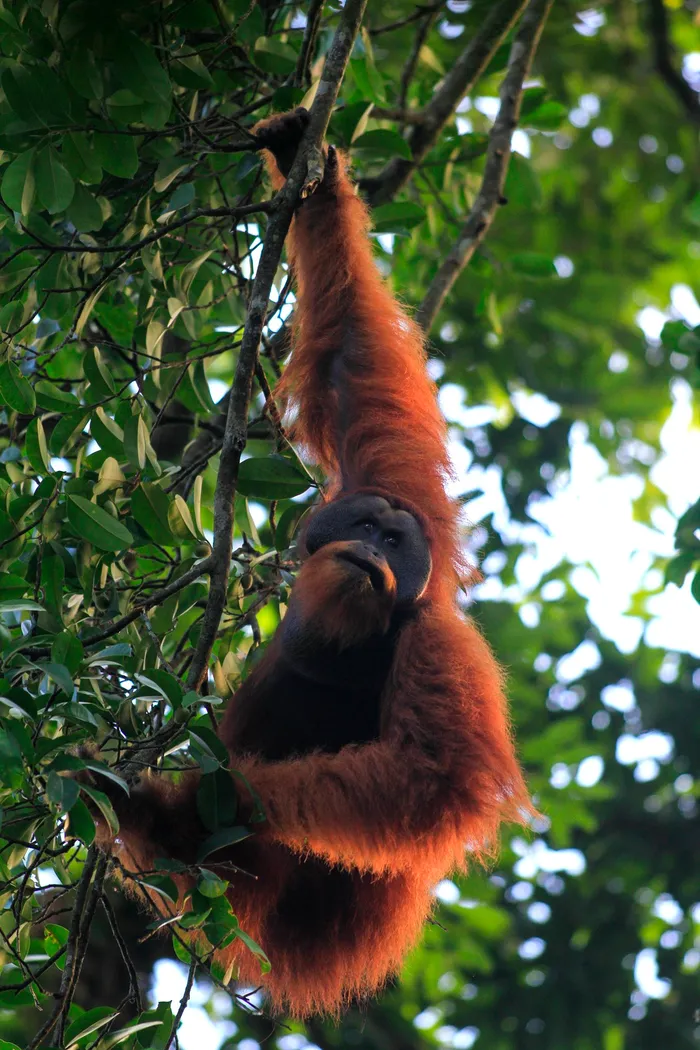
A great ape of Borneo’s forests, including Kalimantan’s peat swamps. Population diversity and connections between habitats are central to its conservation.
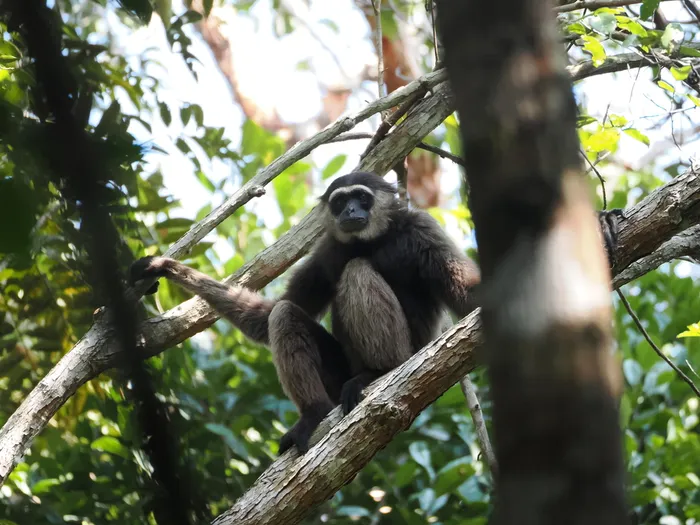
Bornean White-bearded Gibbon (Hylobates albibarbis). The Bornean white-bearded gibbon inhabits southern Borneo and is separated from the agile gibbon by some taxonomies; sources place it between the Kapuas and Barito rivers.
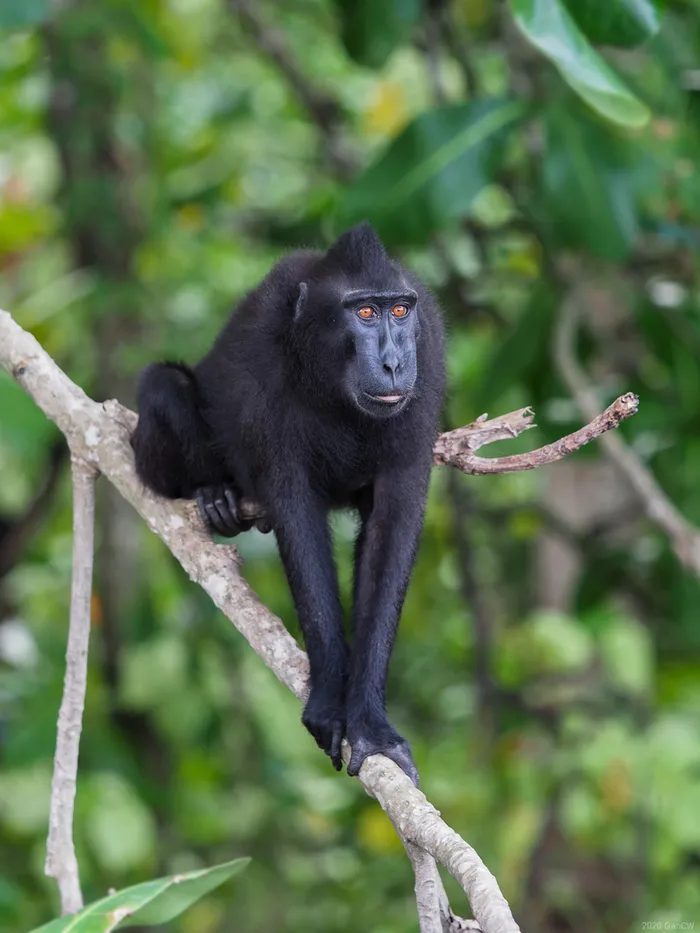
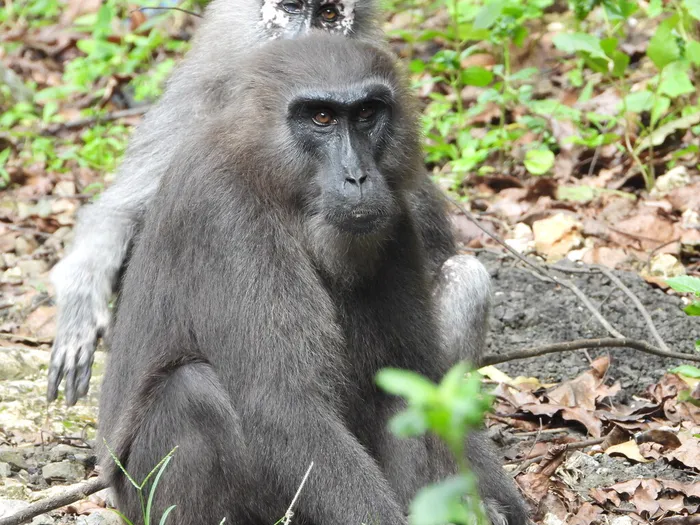
The crested black macaque is a distinctive North Sulawesi primate. Tangkoko field studies connect fruit availability, ranging and the future of its forest habitat.
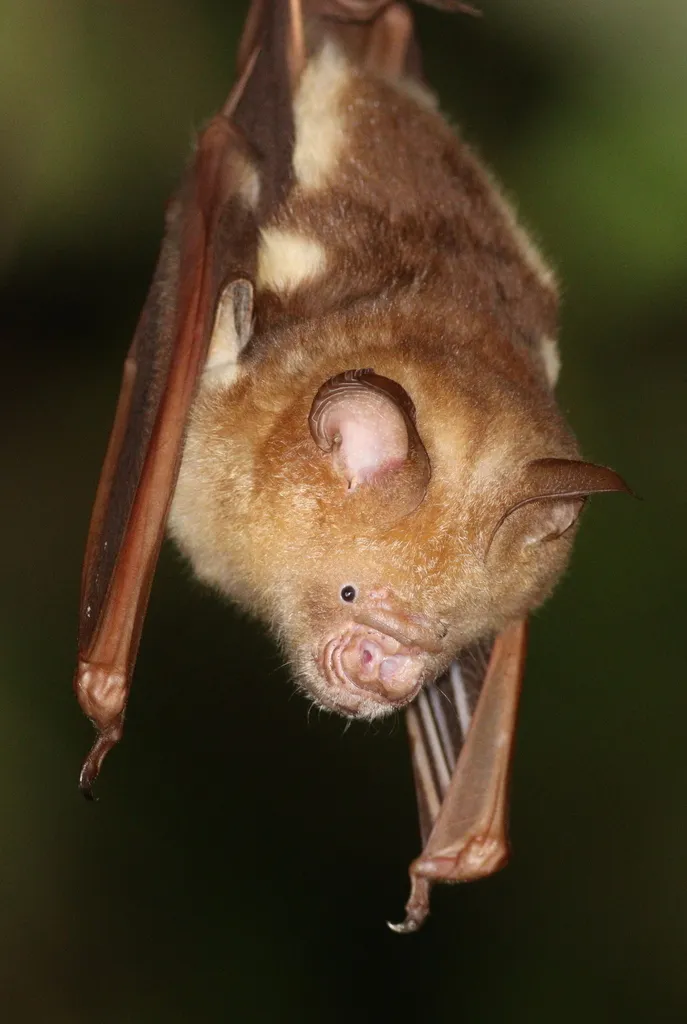
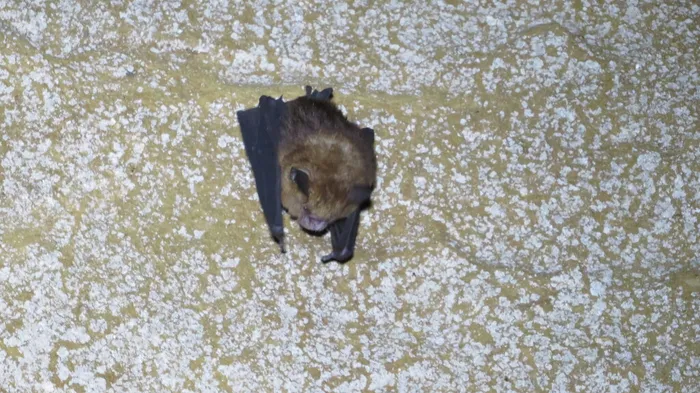
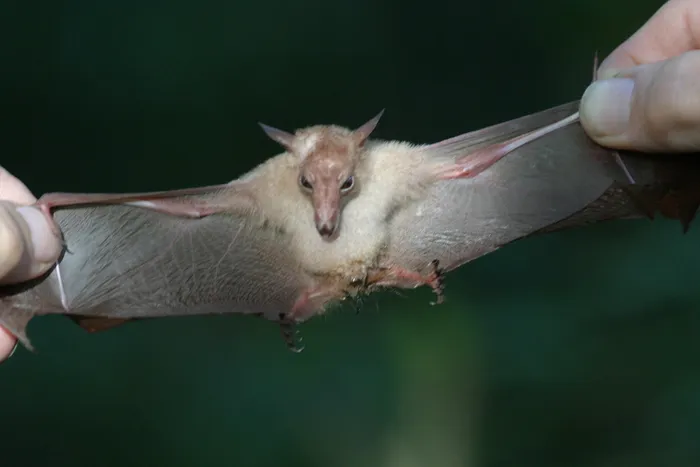
Diadem Roundleaf Bat (Hipposideros diadema). The diadem roundleaf bat belongs to Hipposideridae, not Rhinolophidae; nose shape matters, but a single photograph may not settle identification.
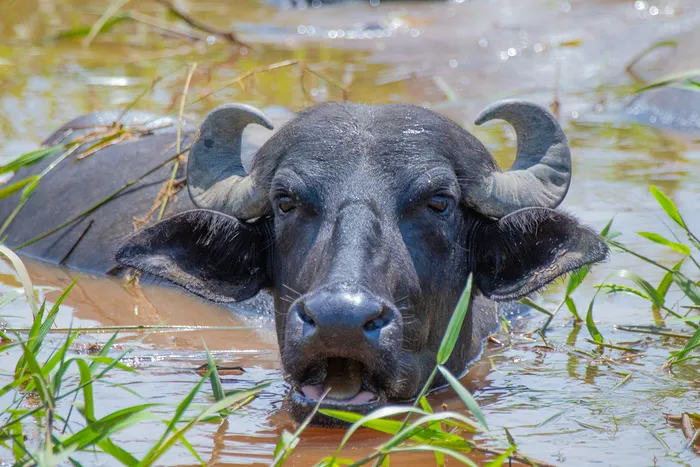
Domestic Water Buffalo (Bubalus bubalis). Water buffalo are domesticated bovids with a long Asian husbandry history; Indonesian records should not be mapped as an original wild-buffalo range.
Fawn Roundleaf Bat (Hipposideros cervinus). The fawn roundleaf bat is a hipposiderid recorded across parts of Southeast Asia and Australia; colour alone is unreliable for similar bats.
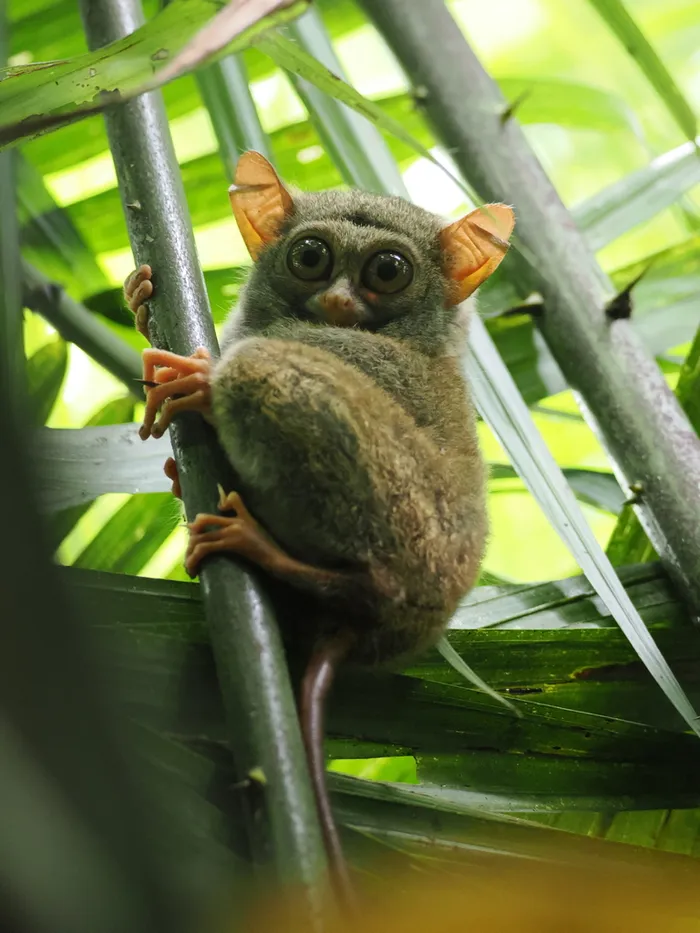
Gursky's Spectral Tarsier (Tarsius spectrumgurskyae). Gursky's spectral tarsier was separated from a broader spectral-tarsier concept on Sulawesi; older records may use a different name.
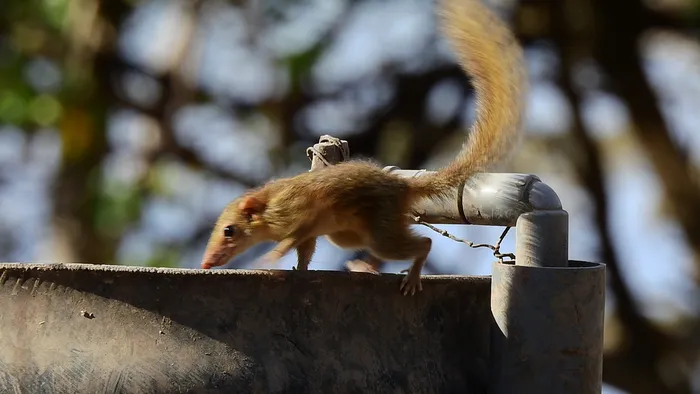
Horsfield's Treeshrew (Tupaia javanica). Horsfield's treeshrew belongs to Tupaiidae rather than the squirrel family and is reported from Sumatra, Java, Bali and Nias.
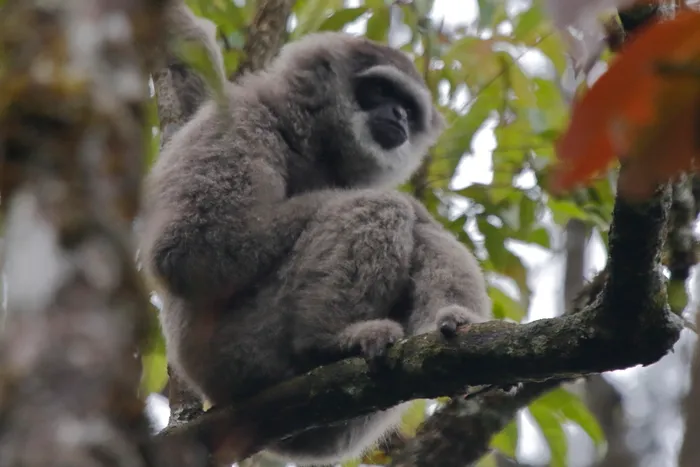
A silvery small ape dependent on Java’s forest canopy. Calls, family relationships, and routes through the trees shape its life.
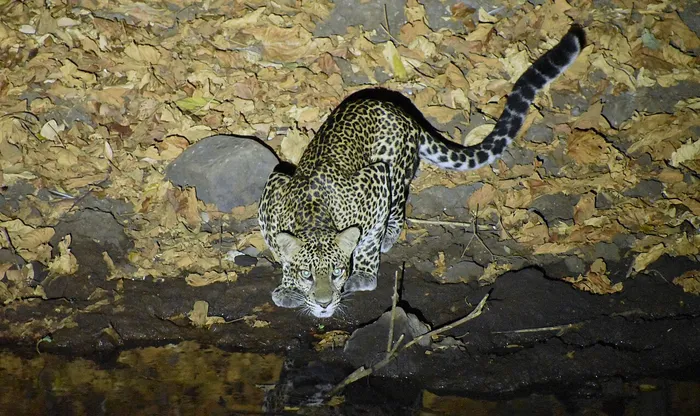
A big cat endemic to Java with spotted and black forms. Connected forests and careful management of human encounters matter for its survival.
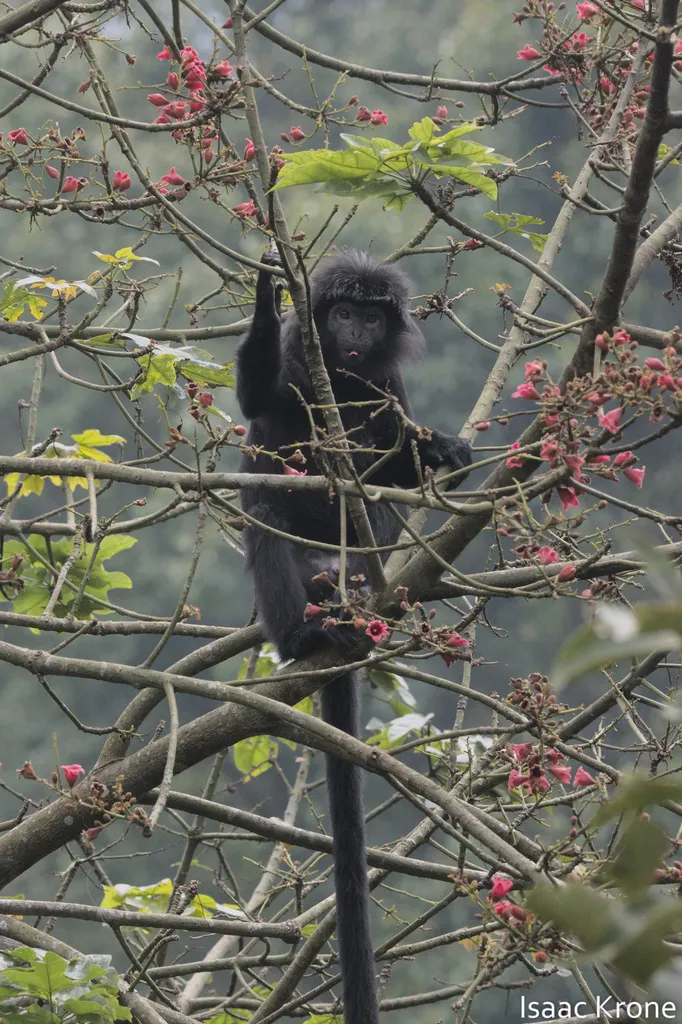
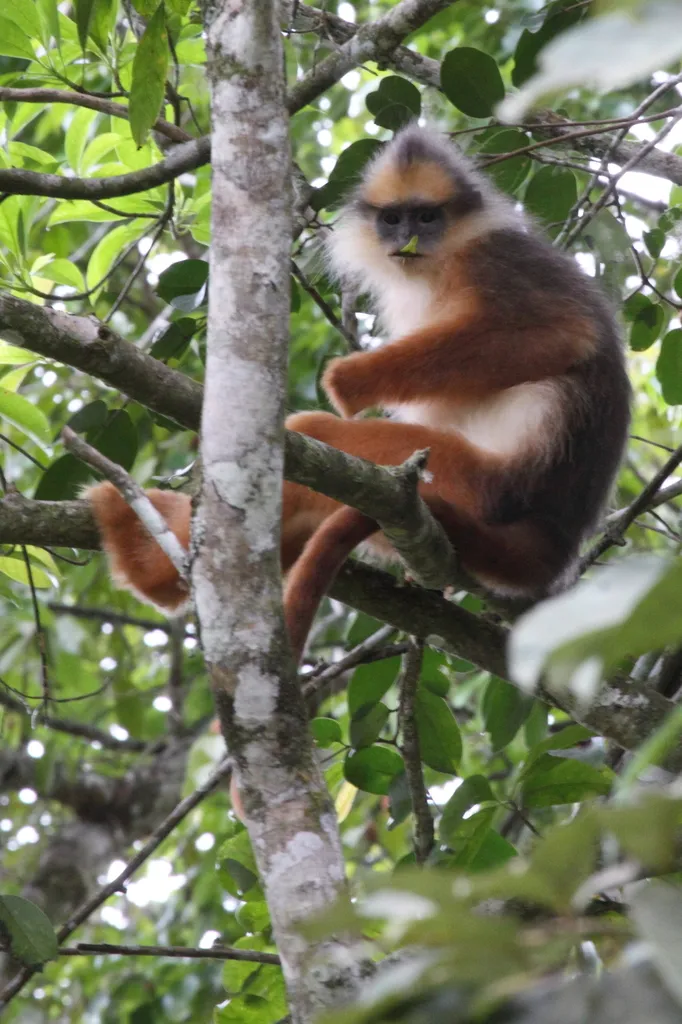
Javan Lutung (Trachypithecus auratus). Javan lutungs are usually glossy dark as adults, while young may be orange; age-related colour should not be mistaken for another species.
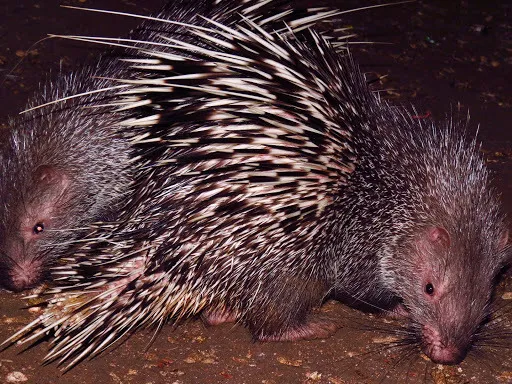
Javan Porcupine (Hystrix javanica). The Javan or Sunda porcupine is an Indonesian rodent with defensive quills; West Java research records secondary forest and land near farms.
A one-horned rhinoceros with a single surviving wild population in Ujung Kulon. Strong protection and careful habitat management underpin its future.
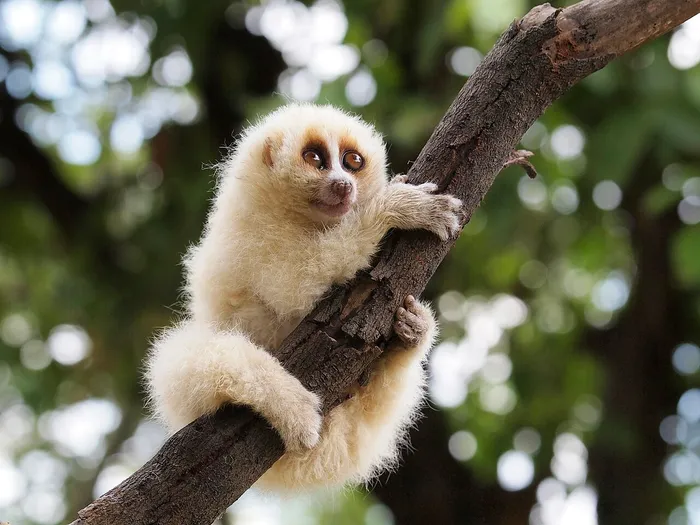
A nocturnal, tree-dwelling primate of Java threatened by wildlife trade. Understanding its behaviour helps turn curiosity into respectful observation.
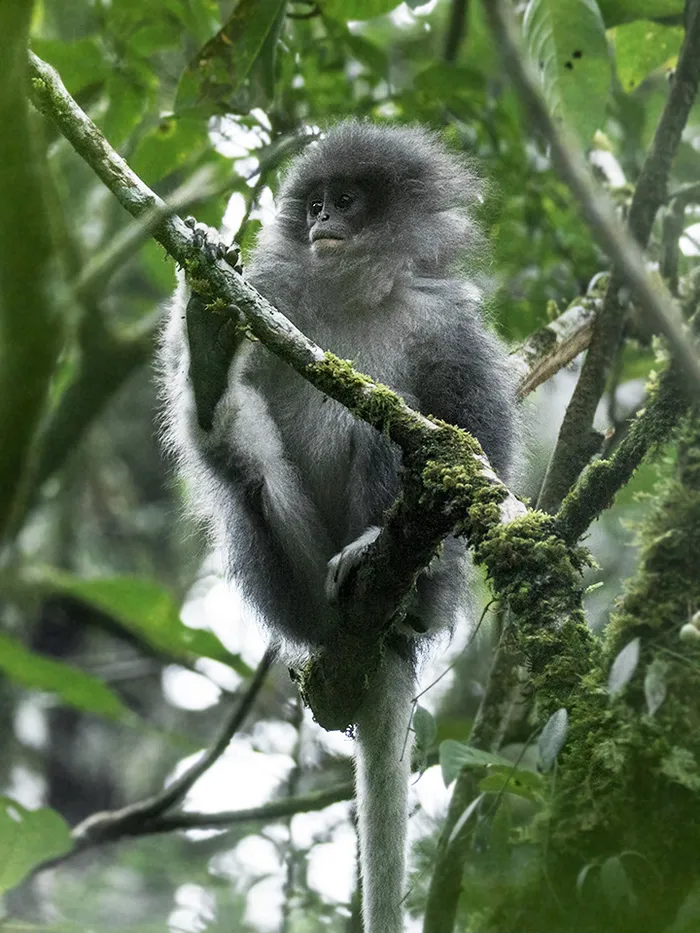
Javan Surili (Presbytis comata). The Javan surili is endemic to western Java; the word 'Javan' should not be read as an even range across the whole island.
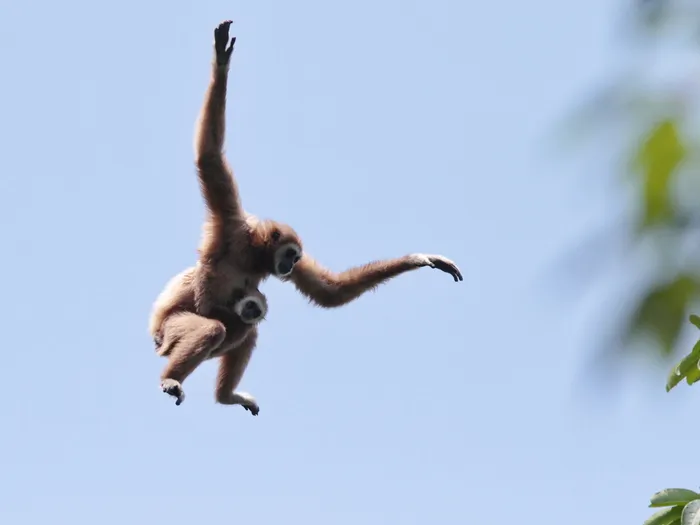
Lar Gibbon (Hylobates lar). The lar gibbon is a tailless, long-armed canopy primate; Sumatran records need care near the ranges of other gibbons.
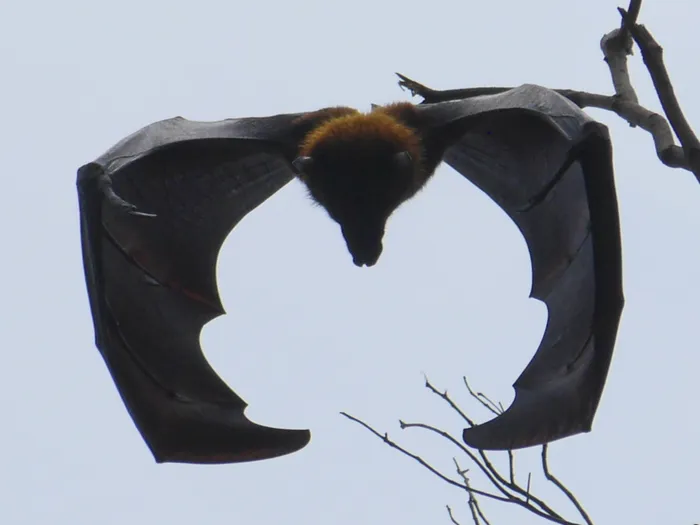
Large Flying-fox (Pteropus vampyrus). The large flying fox is a Southeast Asian fruit bat; its size and fruit-feeding ecology differ from many smaller insect-eating bats.
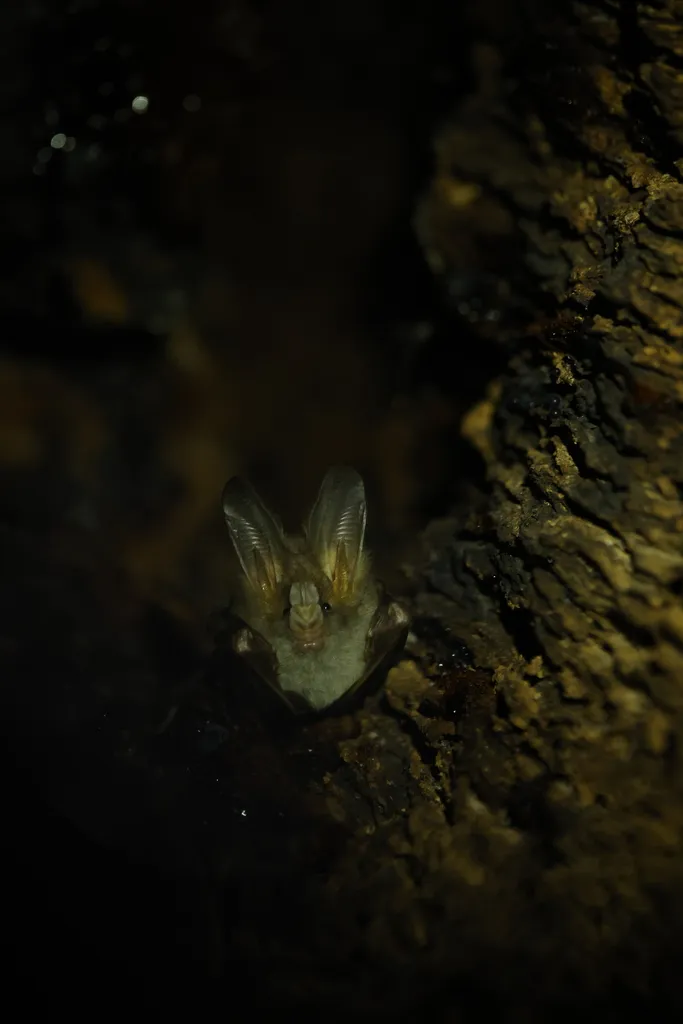
Lesser false vampire bat (Megaderma spasma). The lesser false vampire bat does not drink blood; accounts describe cave and tree-hollow roosts and an insect diet.
Lesser Long-tongued Fruit Bat (Macroglossus minimus). The lesser long-tongued fruit bat feeds at flowers and is much smaller than large flying foxes; size alone cannot identify it reliably.
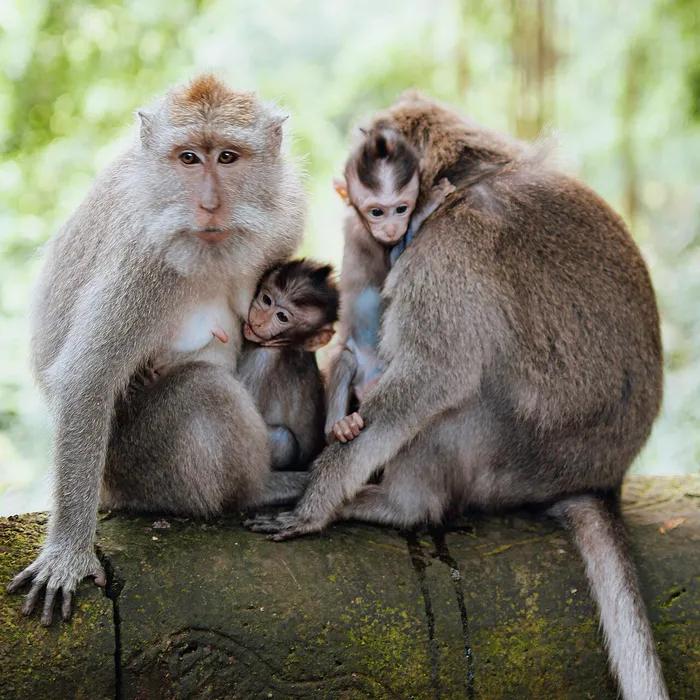
A social primate using forests, riversides, mangroves and settlement edges. Food and human encounters vary by place; frequent sightings do not describe the condition of the whole population.
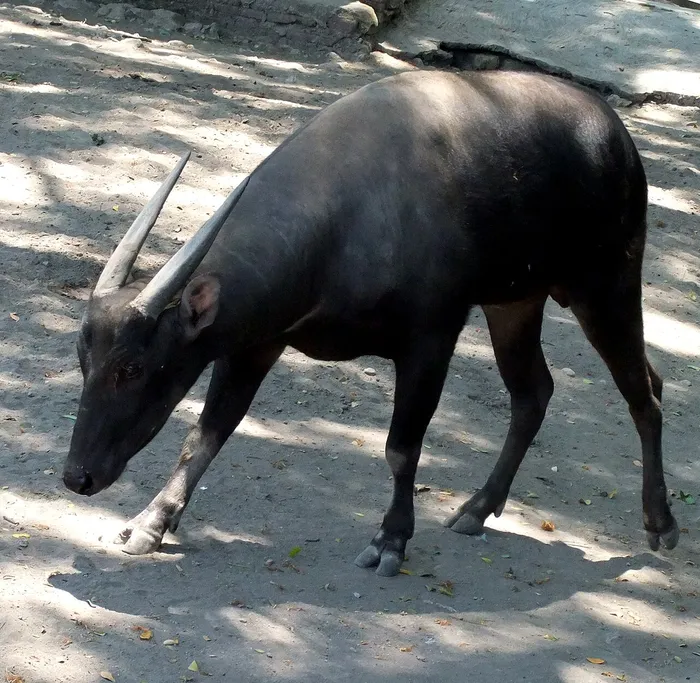
A small buffalo relative from Sulawesi and Buton. Forest life, water sources, and hunting pressures are central to the anoa’s conservation story.
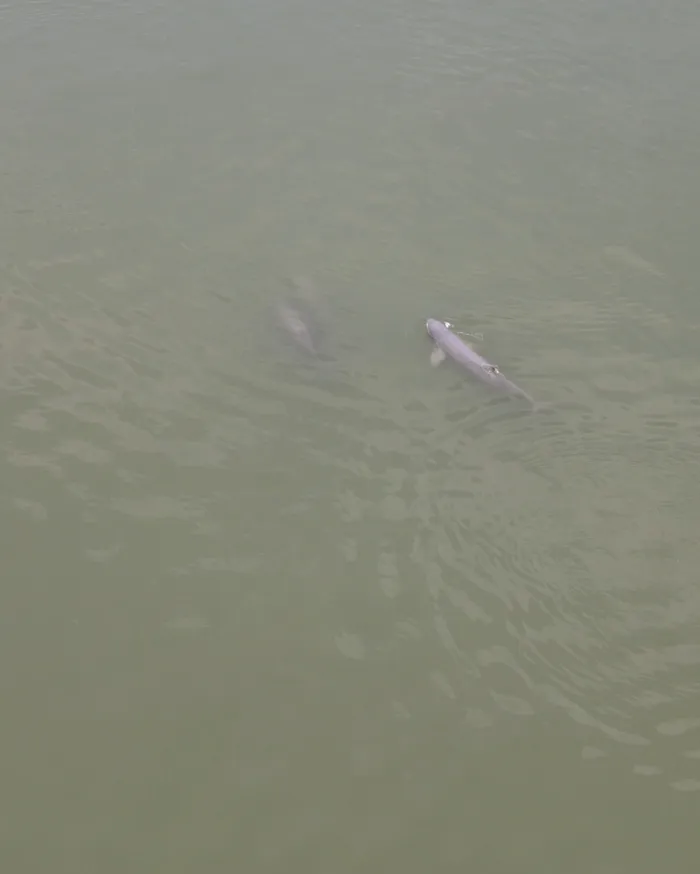
A profile of the Mahakam River dolphin population, rather than all Irrawaddy dolphins worldwide. Its future is connected to fish, wetlands, river traffic, and local livelihoods.
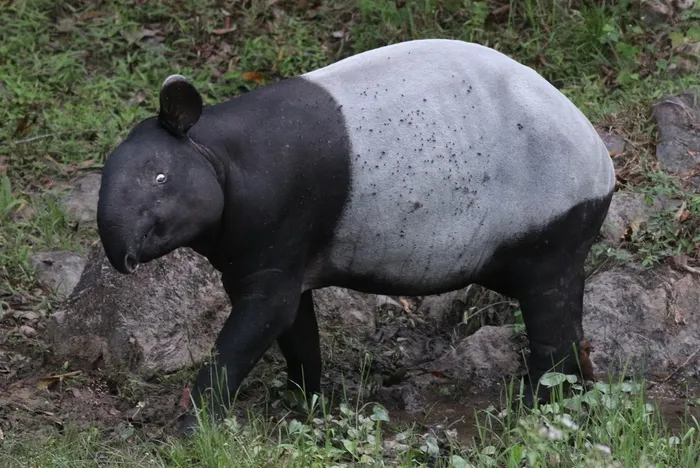
The black-and-white tapir is Asia’s only tapir. Forest, water, and safe movement space support its life in Sumatra.
Moor Macaque (Macaca maura). The moor macaque has dark brown-to-black fur and a paler rump patch; it differs from the crested macaque of northern Sulawesi.
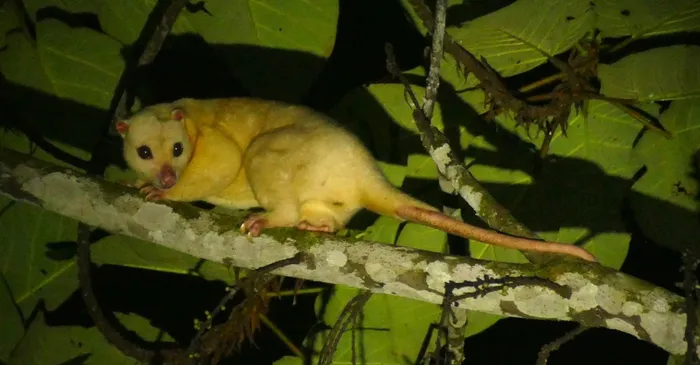
Northern Common Cuscus (Phalanger orientalis). The northern common cuscus is a New Guinean-region marsupial; some island populations may reflect human movement.
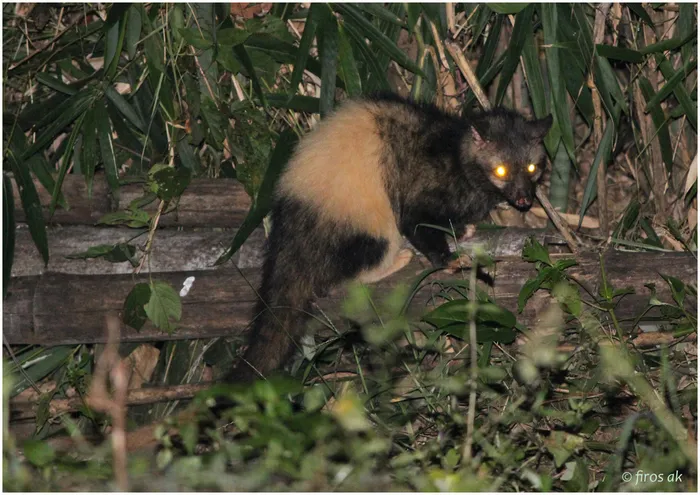
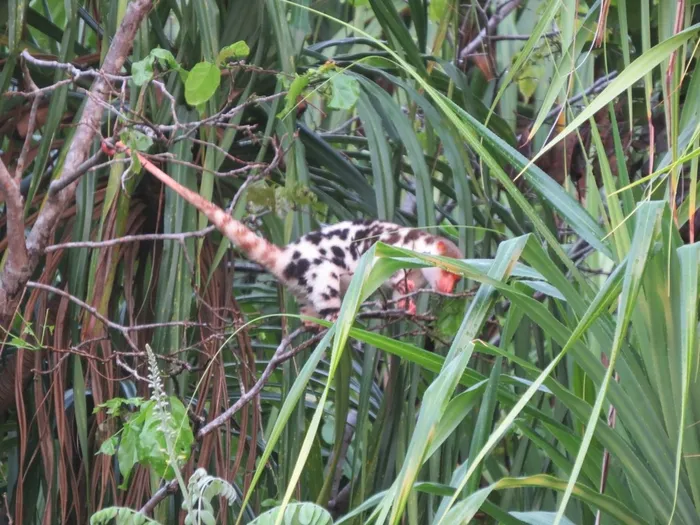
Northern Palm Civet (Paradoxurus hermaphroditus). The Asian palm civet can use varied habitats; captivity and civet-coffee production should be distinguished from its wild behaviour.
Plantain Squirrel (Callosciurus notatus). The plantain squirrel uses trees in Southeast Asian forests, gardens and settlements; body stripes and colour help separate similar squirrels.
Prevost's Squirrel (Callosciurus prevostii). Prevost's squirrel shows strongly contrasting fur colours that vary regionally and occupies forests in Sumatra, Borneo and the Malay Peninsula.
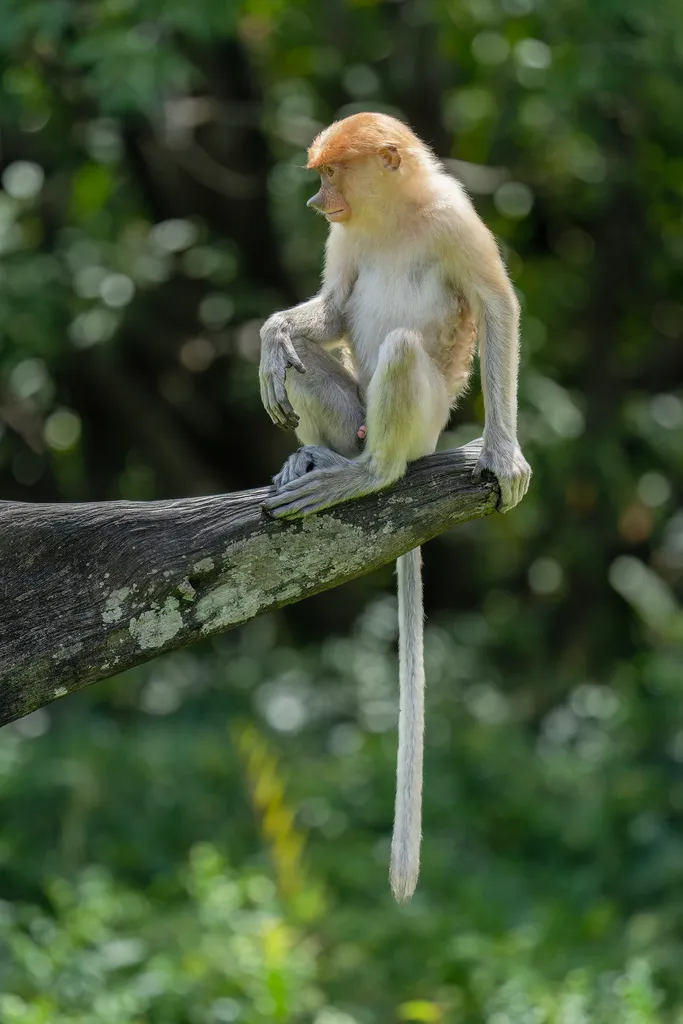
A Borneo-endemic primate closely linked to river forests, mangroves, and swamps. The male’s large nose is only one of its distinctive adaptations.
A small primate of Central Sulawesi’s mountain forest. Live animals found again in 2008 enabled new research, while much of its ecology and population remains poorly known.
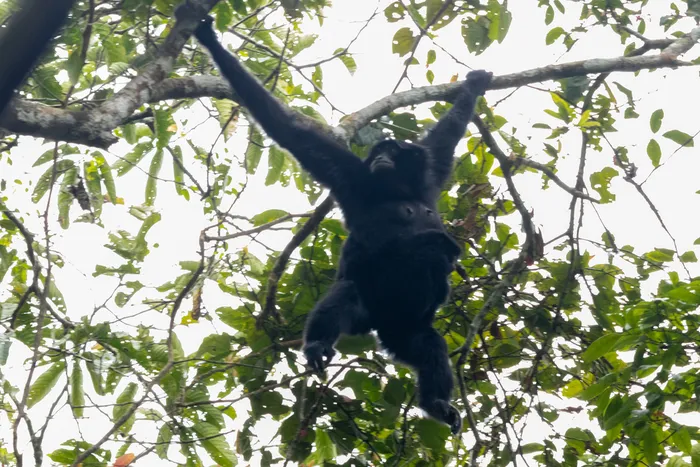
The largest gibbon, with a throat sac that amplifies its calls. Group life connects communication, infant care, and connected forest.
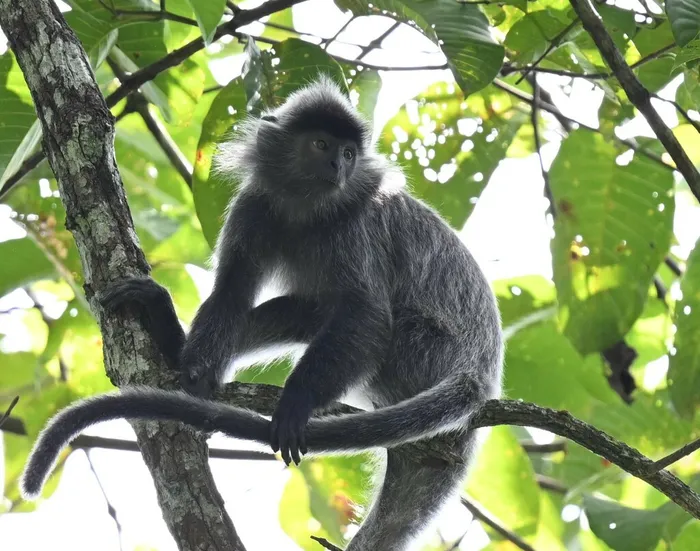
Silvered Leaf Monkey (Trachypithecus cristatus). Silvered leaf monkeys use coastal, mangrove and riverine forest; presence at one site cannot stand for their status across Borneo or Sumatra.
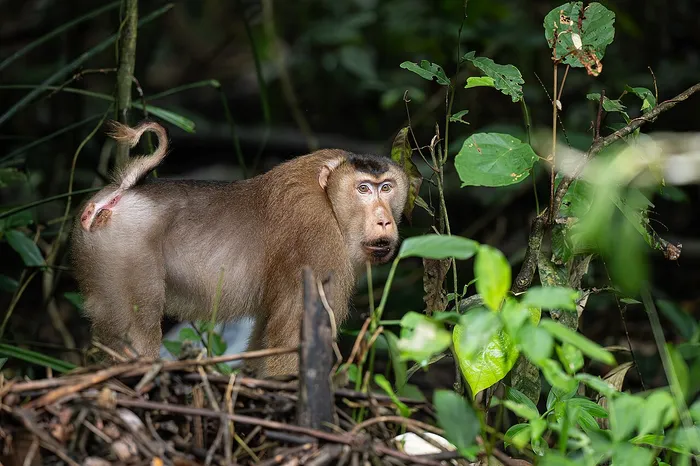
Southern Pig-tailed Macaque (Macaca nemestrina). The southern pig-tailed macaque has a relatively short pig-like tail; it differs from long-tailed macaques and occurs across mainland Southeast Asia and Indonesia.
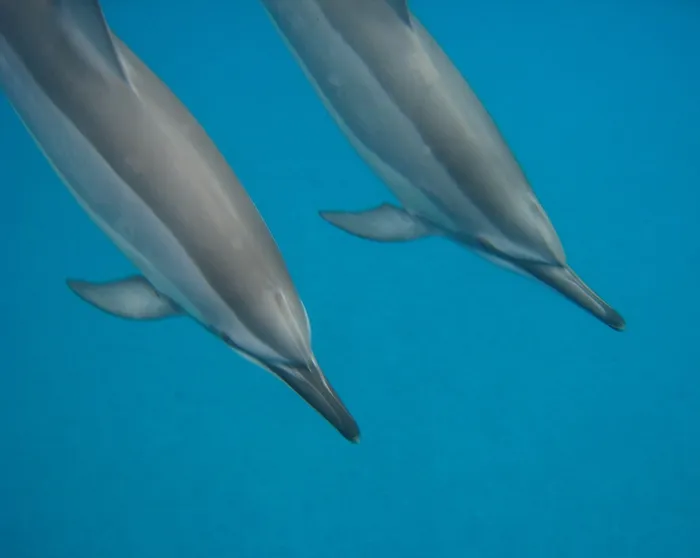
Spinner Dolphin (Stenella longirostris). Spinner dolphins are known for rotating leaps, but each leap need not have the same function; vessel encounters should maintain distance.
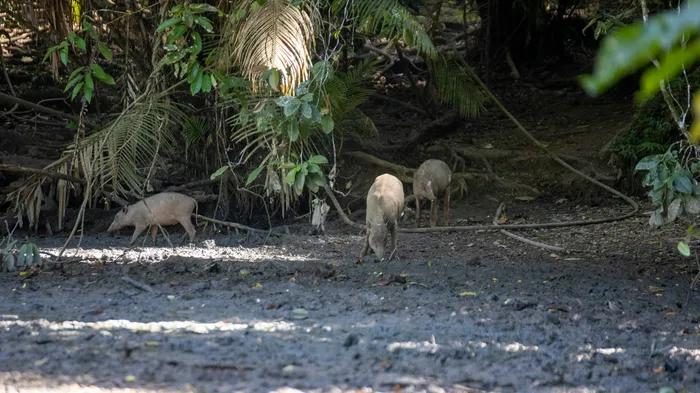
A Sulawesi wild pig whose males have upper tusks curving through the snout’s skin. This profile distinguishes it from babirusas on other islands.
A tree-dwelling marsupial of Sulawesi. Leaves, connected canopy, and low human disturbance matter to this often slow-moving forest animal.
A large herbivore that disperses seeds and shapes forests. Its conservation needs connected movement space and solutions developed with communities living nearby.
A great ape of northern Sumatra’s forest canopy. Its future depends on connected forests, regenerating trees, and safe coexistence with people.
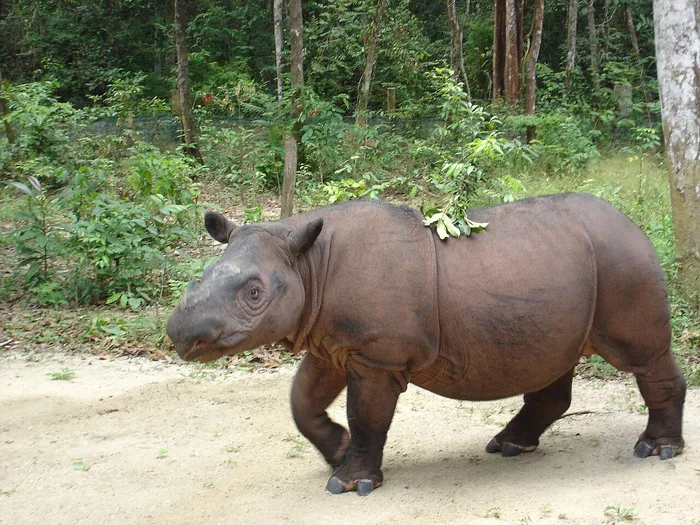
The smallest living rhino and the only two-horned Asian rhino. Isolated populations make finding mates and protecting habitat particular challenges.
Sumatran Surili (Presbytis melalophos). The Sumatran surili is a forest primate endemic to Sumatra, with forest loss and fragmentation reported as pressures in parts of its range.
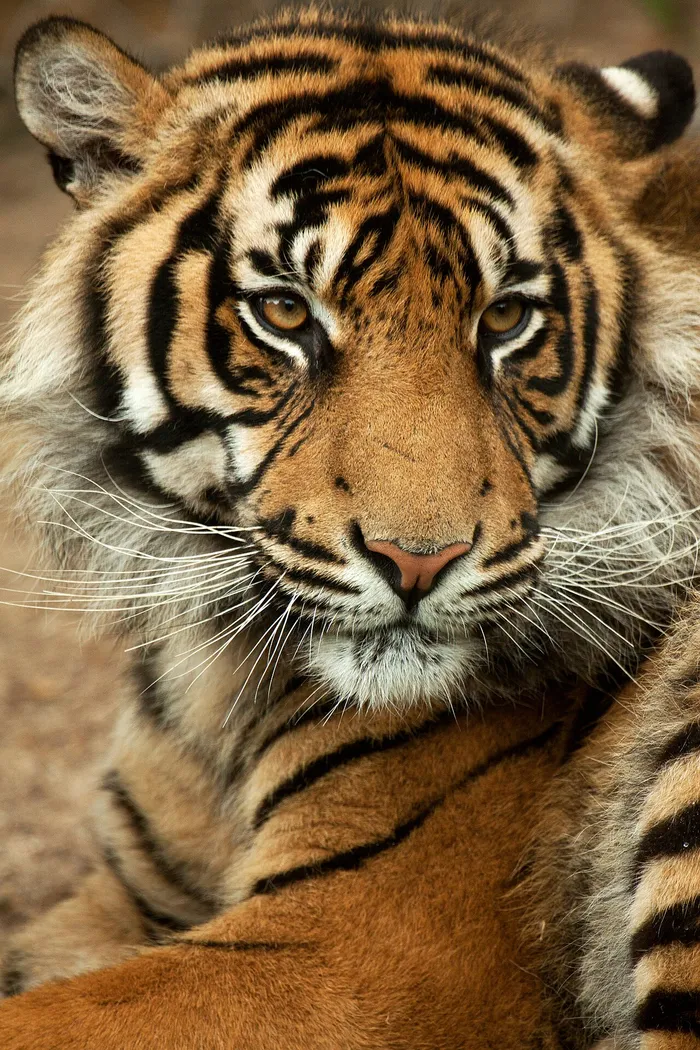
The last surviving Sunda Island tiger population lives in Sumatra. Protecting forest, prey, and movement routes supports a whole living landscape.
The world’s smallest bear climbs trees and uses varied forest foods. Its Indonesian name, honey bear, does not describe its entire diet.
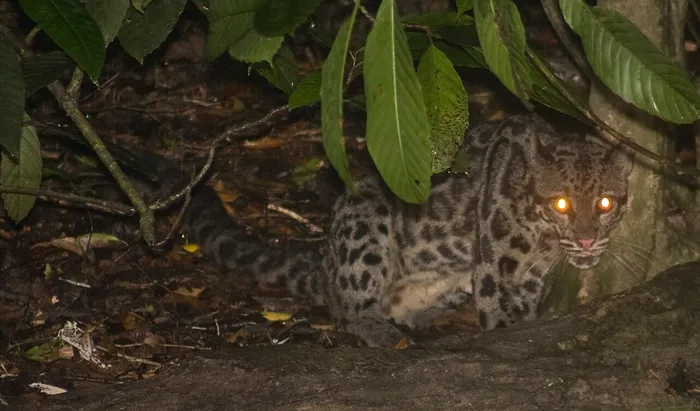
A cloud-patterned forest cat from Sumatra and Borneo. Long-term research helps reveal the life of this rarely seen animal.
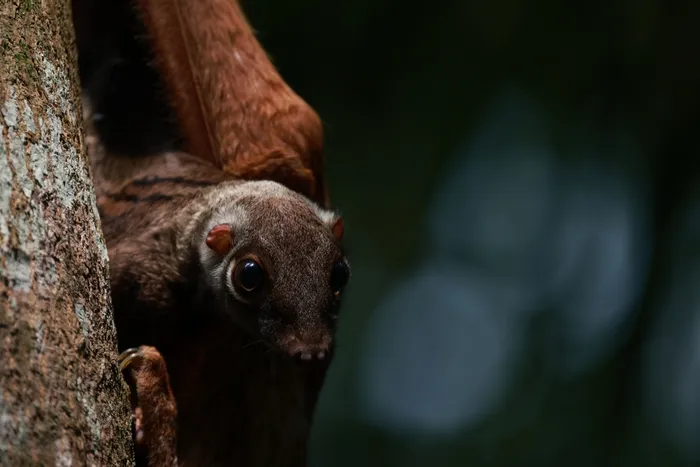
Sunda Colugo (Galeopterus variegatus). The Sunda colugo is neither lemur nor bat; a skin membrane between its limbs lets it glide between trees.
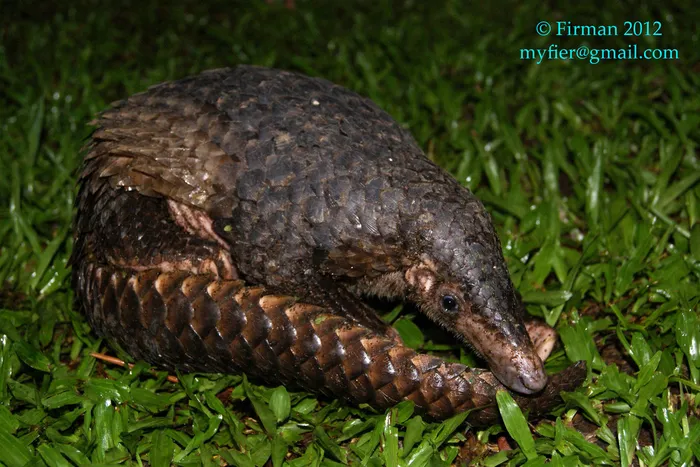
A scaled, ant- and termite-eating mammal threatened by illegal trade. Climbing and secretive behaviour make direct observation difficult.
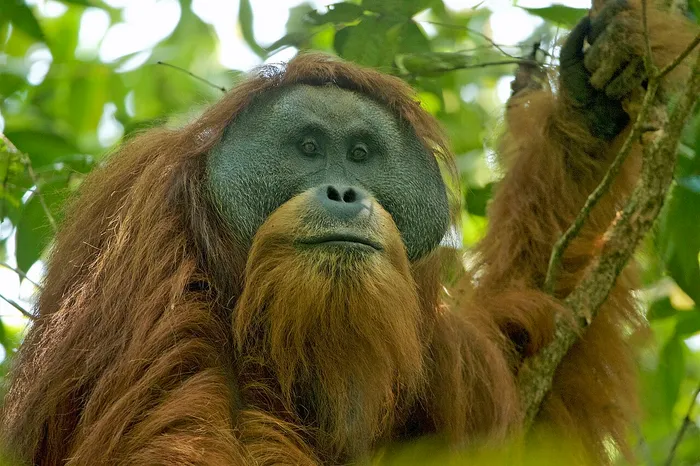
An orangutan species described in 2017 from Batang Toru. Its exceptionally restricted range makes protection of remaining forest especially important.
Tatar Horseshoe Bat (Rhinolophus tatar). Tatar horseshoe bats are known from Sulawesi; public species accounts are sparse, so field identification needs expert and acoustic evidence.
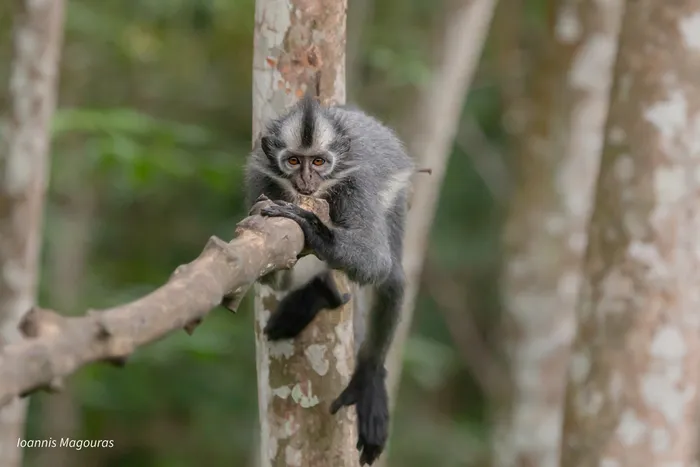
Thomas’s Langur (Presbytis thomasi). Thomas's langur is restricted to northern Sumatra; habitat loss is reported as a pressure, while each local group needs separate assessment.
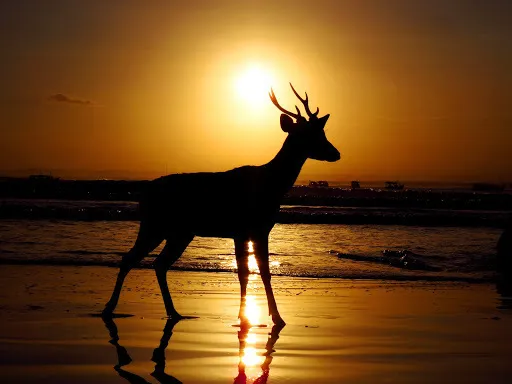
A plant-eating deer using grasslands and wooded areas. Population origins matter because people have introduced this species to many locations.
Waigeo Spotted Cuscus (Spilocuscus papuensis). The Waigeo spotted cuscus is a marsupial native to Waigeo Island; outlying records need scrutiny before being treated as natural range.
Whitish Dwarf Squirrel (Prosciurillus leucomus). The whitish dwarf squirrel is endemic to Sulawesi and nearby islands; its scientific name separates it from wider-ranging striped squirrels.
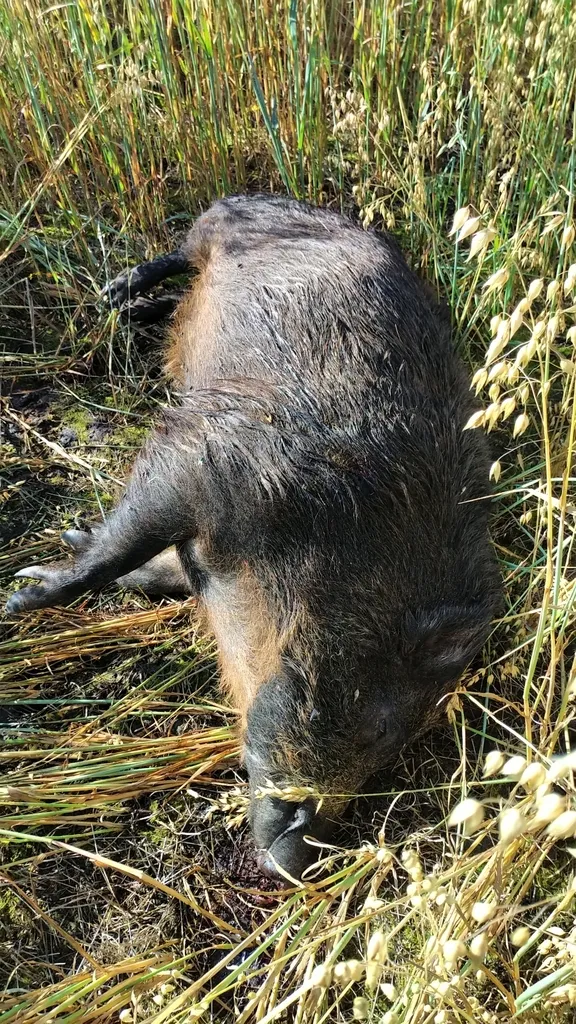
Wild Boar (Sus scrofa). Wild boar have both native and human-transported populations; wild, domestic and feral animals must not be combined into a single population claim.
| Name | Scientific name | Family | Conservation status |
|---|---|---|---|
| Banteng | Bos javanicus | Bovidae | Critically Endangered |
| Black Giant Squirrel | Ratufa bicolor | Sciuridae | Near Threatened |
| Black-striped Squirrel | Callosciurus nigrovittatus | Sciuridae | Least Concern |
| Bornean elephant | Elephas maximus borneensis | — | Not recorded |
| Bornean orangutan | Pongo pygmaeus | Hominidae | Critically Endangered |
| Bornean White-bearded Gibbon | Hylobates albibarbis | Hylobatidae | Endangered |
| Crested black macaque | Macaca nigra | Cercopithecidae | Critically Endangered |
| Diadem Roundleaf Bat | Hipposideros diadema | Hipposideridae | Least Concern |
| Domestic Water Buffalo | Bubalus bubalis | Bovidae | Not recorded |
| Fawn Roundleaf Bat | Hipposideros cervinus | Hipposideridae | Least Concern |
| Gursky's Spectral Tarsier | Tarsius spectrumgurskyae | Tarsiidae | Vulnerable |
| Horsfield's Treeshrew | Tupaia javanica | Tupaiidae | Least Concern |
| Javan gibbon | Hylobates moloch | Hylobatidae | Endangered |
| Javan leopard | Panthera pardus melas | Felidae | Endangered |
| Javan Lutung | Trachypithecus auratus | Cercopithecidae | Vulnerable |
| Javan Porcupine | Hystrix javanica | Hystricidae | Least Concern |
| Javan rhinoceros | Rhinoceros sondaicus | Rhinocerotidae | Critically Endangered |
| Javan slow loris | Nycticebus javanicus | Lorisidae | Critically Endangered |
| Javan Surili | Presbytis comata | Cercopithecidae | Vulnerable |
| Lar Gibbon | Hylobates lar | Hylobatidae | Endangered |
| Large Flying-fox | Pteropus vampyrus | Pteropodidae | Endangered |
| Lesser false vampire bat | Megaderma spasma | Megadermatidae | Least Concern |
| Lesser Long-tongued Fruit Bat | Macroglossus minimus | Pteropodidae | Least Concern |
| Long-tailed macaque | Macaca fascicularis | Cercopithecidae | Endangered |
| Lowland anoa | Bubalus depressicornis | Bovidae | Endangered |
| Mahakam Irrawaddy dolphin | Orcaella brevirostris | Delphinidae | Endangered |
| Malayan tapir | Tapirus indicus | Tapiridae | Endangered |
| Moor Macaque | Macaca maura | Cercopithecidae | Endangered |
| Northern Common Cuscus | Phalanger orientalis | Phalangeridae | Least Concern |
| Northern Palm Civet | Paradoxurus hermaphroditus | Viverridae | Least Concern |
| Plantain Squirrel | Callosciurus notatus | Sciuridae | Least Concern |
| Prevost's Squirrel | Callosciurus prevostii | Sciuridae | Least Concern |
| Proboscis monkey | Nasalis larvatus | Cercopithecidae | Endangered |
| Pygmy tarsier | Tarsius pumilus | Tarsiidae | Endangered |
| Siamang | Symphalangus syndactylus | Hylobatidae | Endangered |
| Silvered Leaf Monkey | Trachypithecus cristatus | Cercopithecidae | Vulnerable |
| Southern Pig-tailed Macaque | Macaca nemestrina | Cercopithecidae | Endangered |
| Spinner Dolphin | Stenella longirostris | Delphinidae | Least Concern |
| Sulawesi babirusa | Babyrousa celebensis | Suidae | Vulnerable |
| Sulawesi bear cuscus | Ailurops ursinus | Phalangeridae | Vulnerable |
| Sumatran elephant | Elephas maximus sumatranus | Elephantidae | Critically Endangered |
| Sumatran orangutan | Pongo abelii | Hominidae | Critically Endangered |
| Sumatran rhinoceros | Dicerorhinus sumatrensis | Rhinocerotidae | Critically Endangered |
| Sumatran Surili | Presbytis melalophos | Cercopithecidae | Endangered |
| Sumatran tiger | Panthera tigris sondaica | Felidae | Critically Endangered |
| Sun bear | Helarctos malayanus | Ursidae | Vulnerable |
| Sunda clouded leopard | Neofelis diardi | Felidae | Vulnerable |
| Sunda Colugo | Galeopterus variegatus | Cynocephalidae | Least Concern |
| Sunda pangolin | Manis javanica | Manidae | Critically Endangered |
| Tapanuli orangutan | Pongo tapanuliensis | Hominidae | Critically Endangered |
| Tatar Horseshoe Bat | Rhinolophus tatar | Rhinolophidae | Least Concern |
| Thomas’s Langur | Presbytis thomasi | Cercopithecidae | Vulnerable |
| Timor deer | Rusa timorensis | Cervidae | Vulnerable |
| Waigeo Spotted Cuscus | Spilocuscus papuensis | Phalangeridae | Vulnerable |
| Whitish Dwarf Squirrel | Prosciurillus leucomus | Sciuridae | Least Concern |
| Wild Boar | Sus scrofa | Suidae | Least Concern |
Search by name, habitat or island in the animal directory.