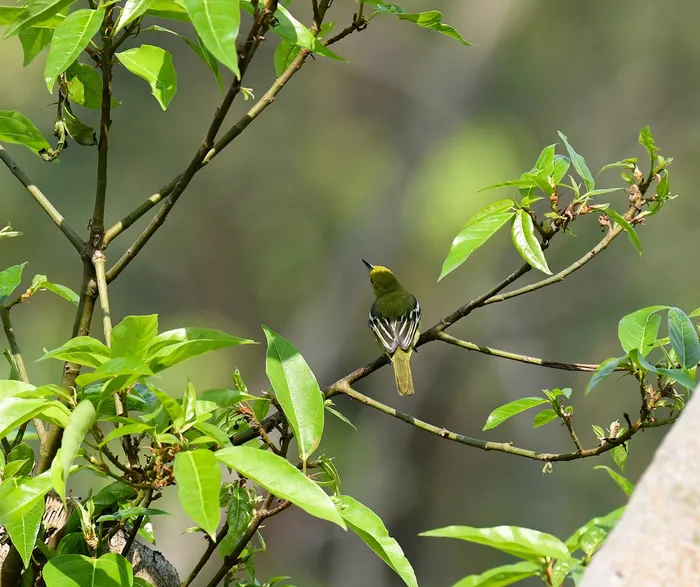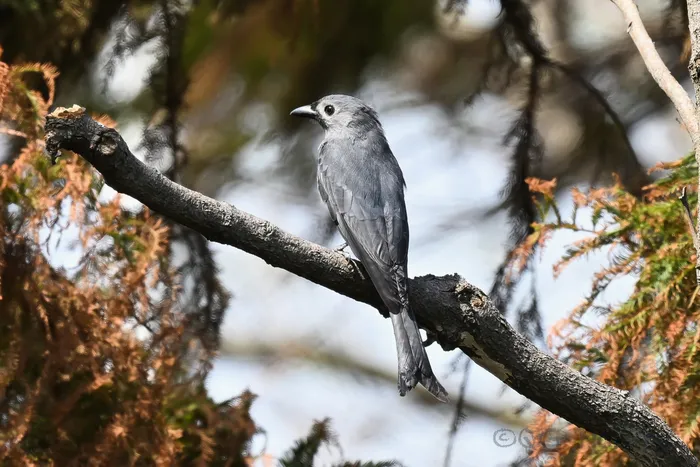
Dicrurus leucophaeus
Ashy Drongo (Dicrurus leucophaeus). Ashy drongos vary across populations in grey tone and movement; photographs and dates improve the interpretation of sightings.
PANDUANHEWAN · INDONESIA
79 animals recorded in Bali in this guide, including the Bali myna, Long-tailed macaque and Asian water monitor, with scientific names, IUCN status (7 threatened) and sources.
PanduanHewan has 79 animal guides recorded in Bali: 24 birds, 23 reptiles, 12 mammals, 9 invertebrates, 7 marine animals and 4 amphibians. 7 of them are threatened on the IUCN Red List.
This list uses the ranges named in each guide and place labels in a GBIF observation sample. It means an animal has been recorded in Bali; it is not proof of endemism or a complete range map.
Ashy Drongo (Dicrurus leucophaeus). Ashy drongos vary across populations in grey tone and movement; photographs and dates improve the interpretation of sightings.
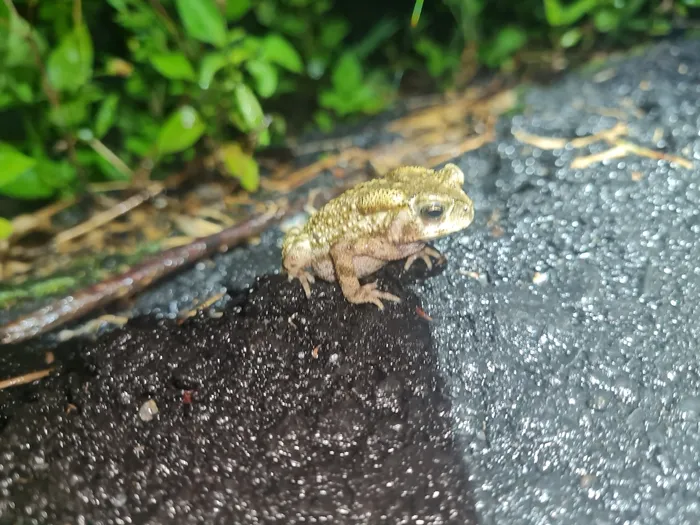
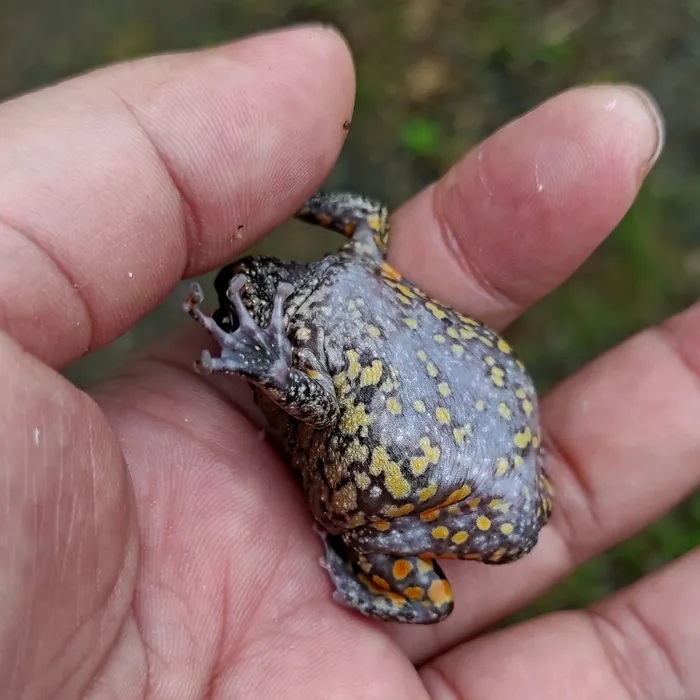
Asian Common Toad (Duttaphrynus melanostictus). Asian common toads use many human-modified habitats; genetic research suggests the name may encompass a more complex set of lineages.
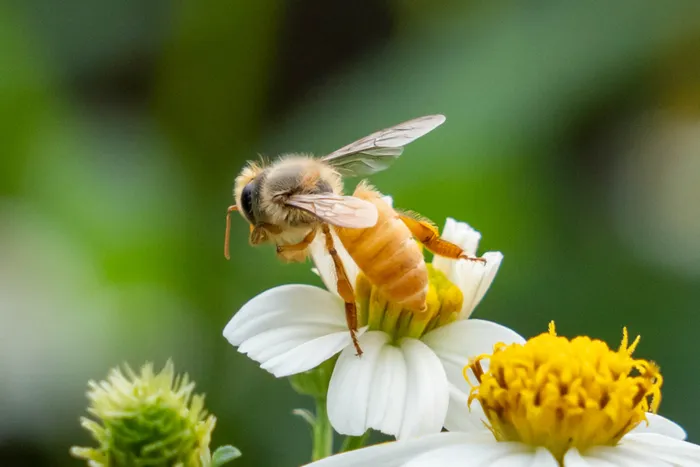
The Asian honey bee (Apis cerana) is a native Indonesian honey bee that nests in cavities, pollinates plants and is kept for honey.
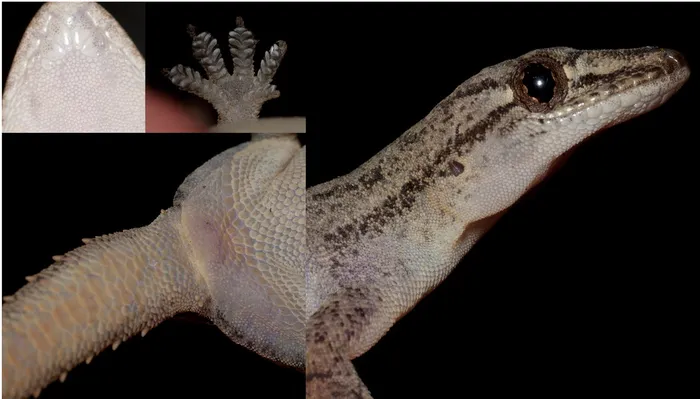
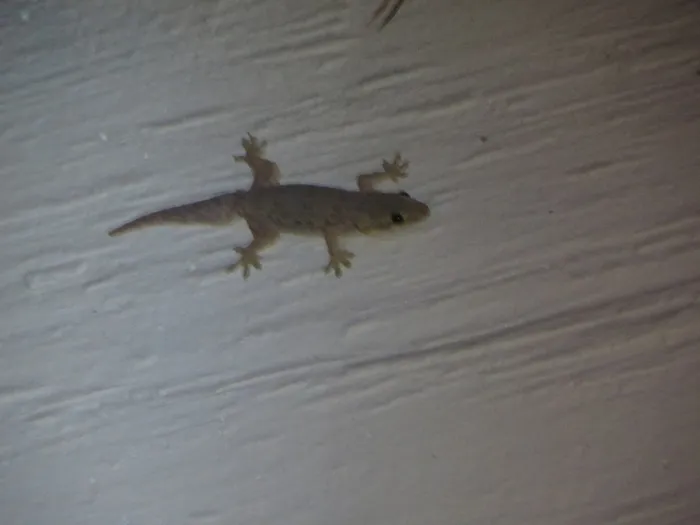
Asian House Gecko (Hemidactylus frenatus). The Asian house gecko often lives on buildings and hunts insects around lights; separate it from flat-tailed house geckos.
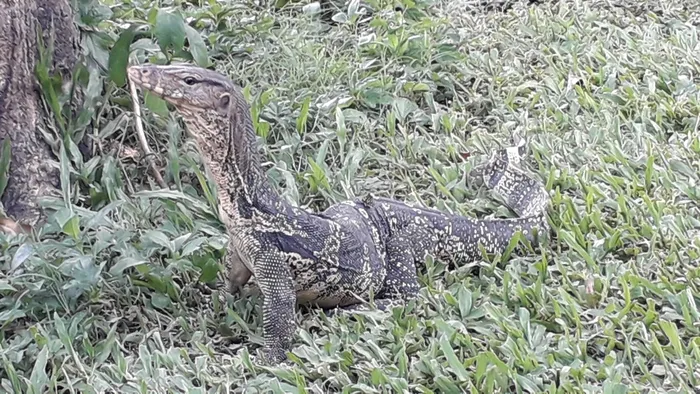
A large semi-aquatic lizard living near rivers, swamps, mangroves and some human-used areas. As both predator and scavenger, it connects aquatic and terrestrial food webs.
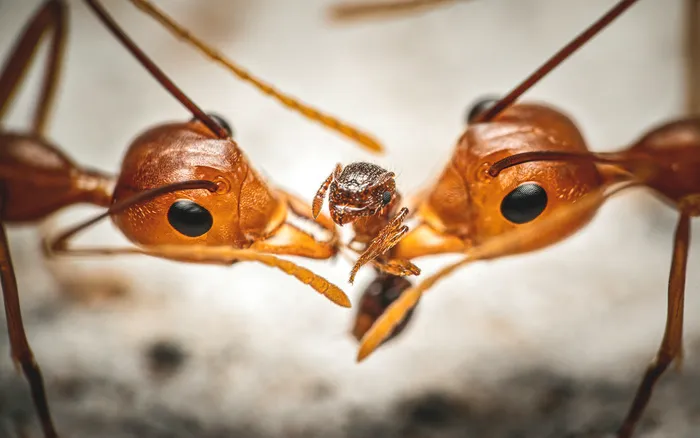
Asian Weaver Ant (Oecophylla smaragdina). Asian weaver ants join leaves into nests with silk produced by larvae; one colony can occupy several nests in a tree.
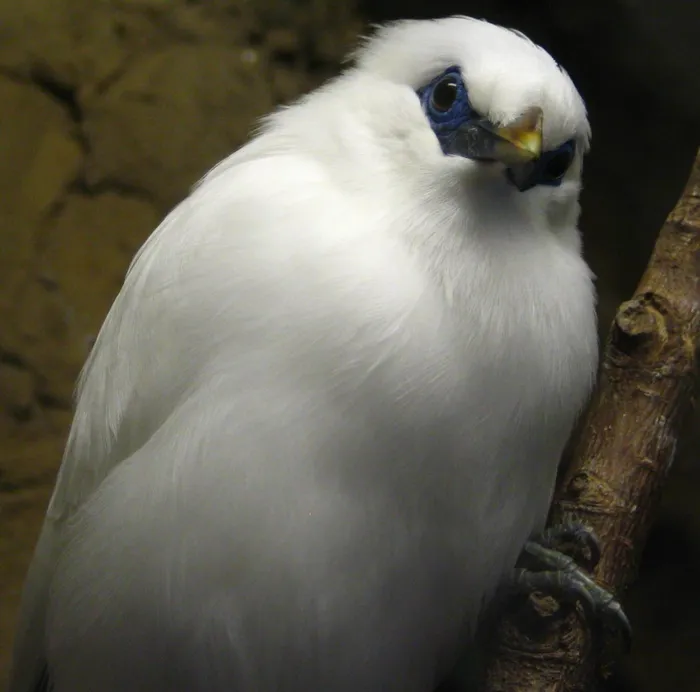
A distinctive white bird of Bali with blue skin around the eyes. Its story connects the bird trade, habitat, conservation breeding, and community stewardship.
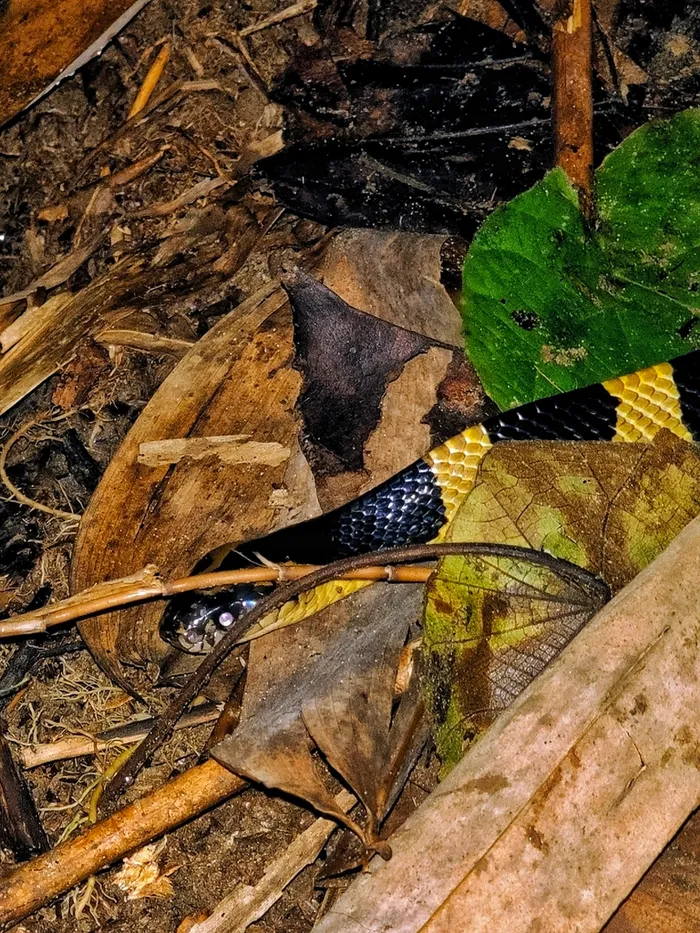
The banded krait (Bungarus fasciatus) is a neurotoxic krait with full black-and-yellow rings, found in Sumatra, Java, Borneo and Bali.
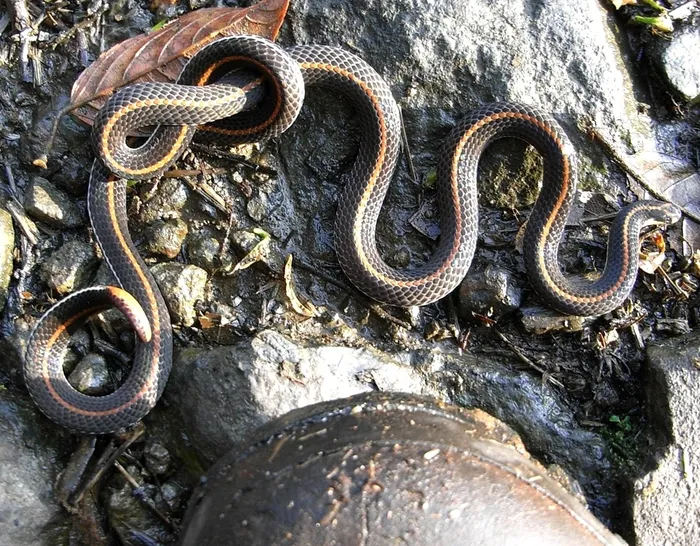
The banded Malaysian coral snake (Calliophis intestinalis) is a small venomous snake with a red tail and black-and-white belly from western Indonesia.
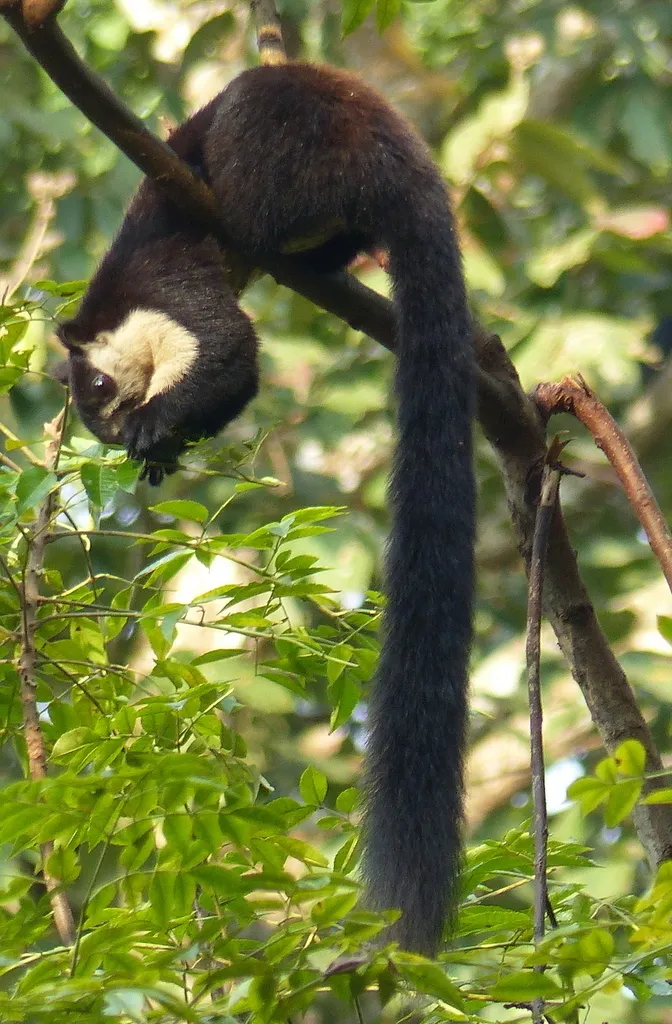
Black Giant Squirrel (Ratufa bicolor). The black giant squirrel is a large forest tree-squirrel; its size and bushy tail distinguish it from the much smaller plantain squirrel.
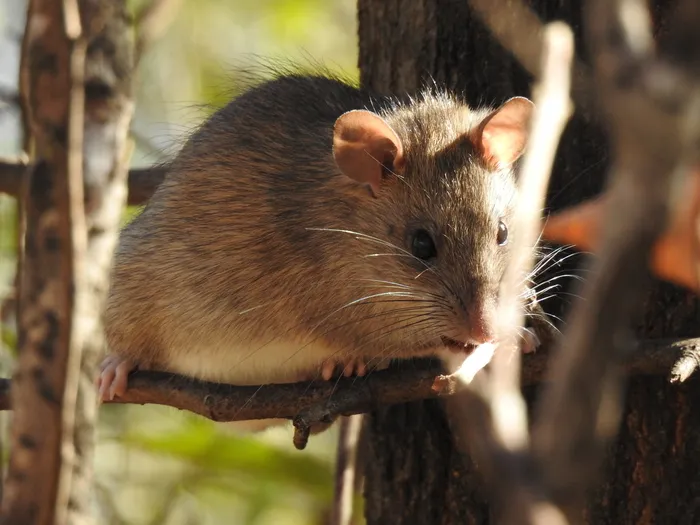
The black rat (Rattus rattus) is a long-tailed climbing rat that nests in ceilings and walls and can spread leptospirosis to people.
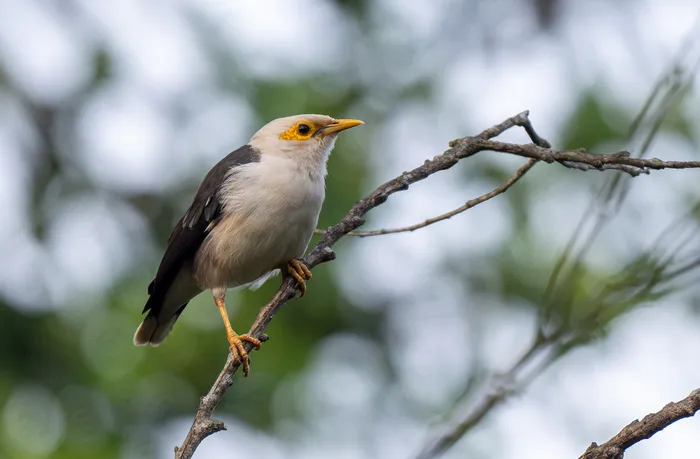
The black-winged myna (Acridotheres melanopterus) is a white, black-winged starling endemic to Java and Bali, almost wiped out in the wild by the bird trade.
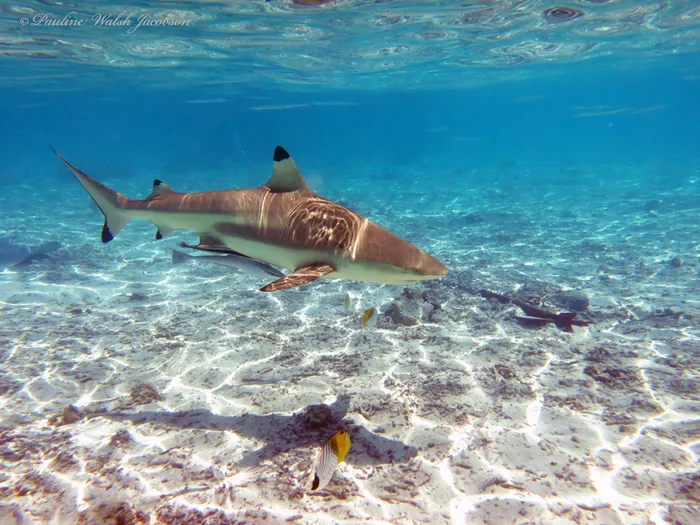
Blacktip Reef Shark (Carcharhinus melanopterus). The blacktip reef shark has dark tips on several fins, especially the first dorsal fin; it differs from the whitetip reef shark.
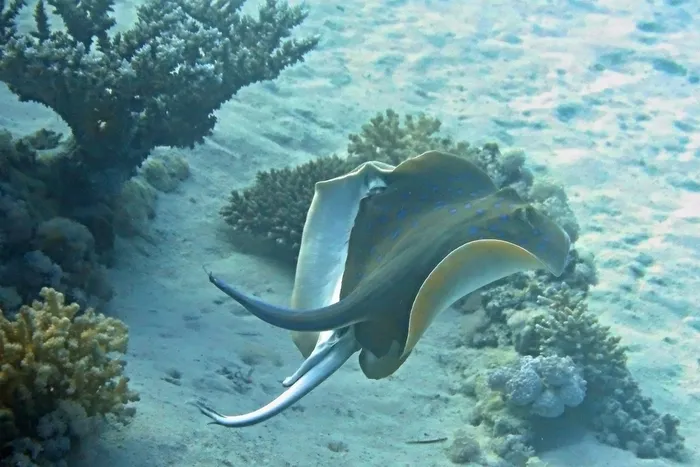
Bluespotted Fantail Ray (Taeniura lymma). The bluespotted fantail ray inhabits Indo-Pacific reefs; blue spots should be checked with disc and tail shape to separate similar maskrays.
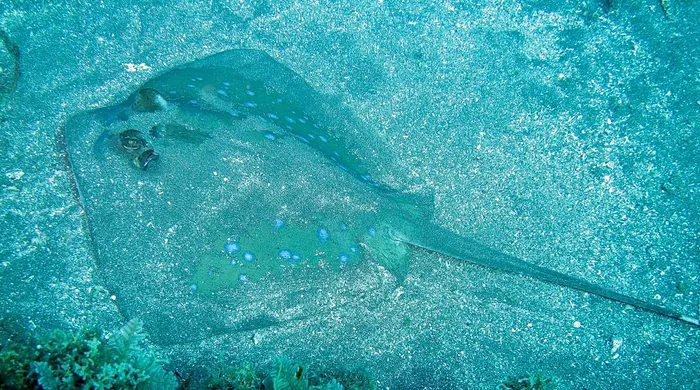
Bluespotted Maskray (Neotrygon caeruleopunctata). The bluespotted maskray belongs to a taxonomically revised Neotrygon complex; blue spots alone do not establish species identity without form and locality.
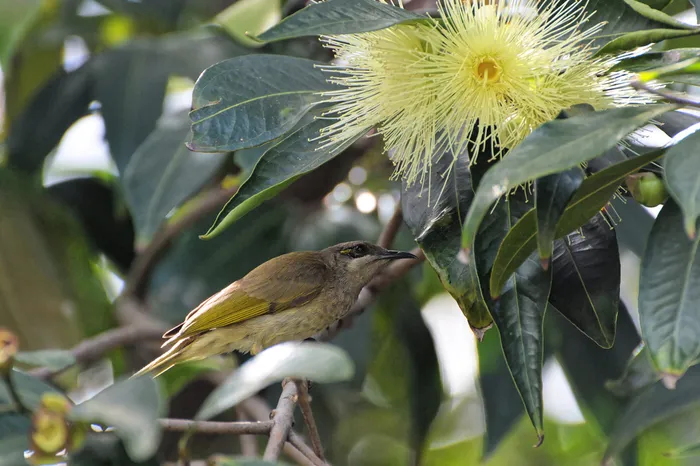
Brown Honeyeater (Lichmera indistincta). The brown honeyeater is a meliphagid with a brush-tipped tongue adapted to nectar; flower visits should not automatically be counted as pollination.
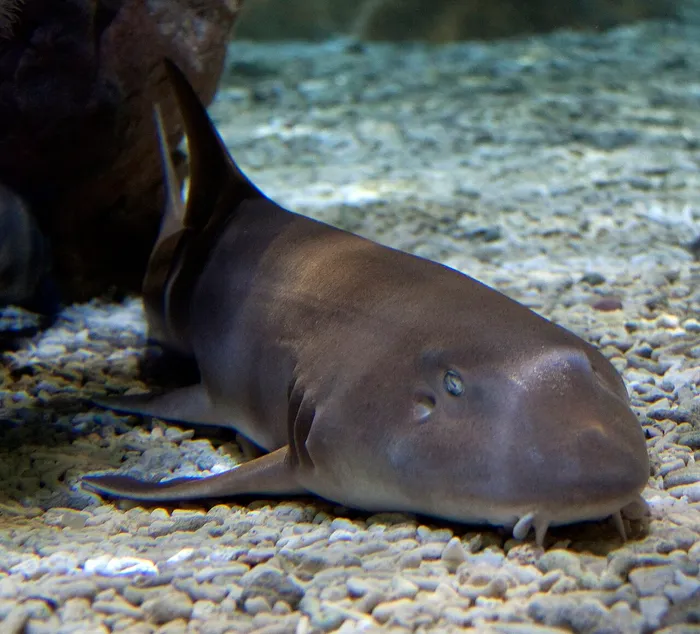
Brown-banded Bamboo Shark (Chiloscyllium punctatum). The brownbanded bamboo shark is an Indo-Pacific bottom-dweller; banding is particularly noticeable in young animals and changes with age.
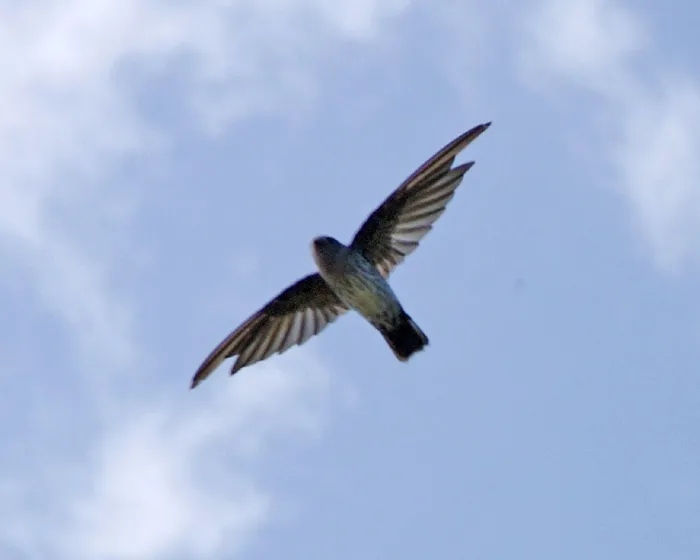
Cave Swiftlet (Collocalia linchi). This swiftlet occurs on Sumatra, Java and Bali; species accounts describe woodland foraging and cave nesting.
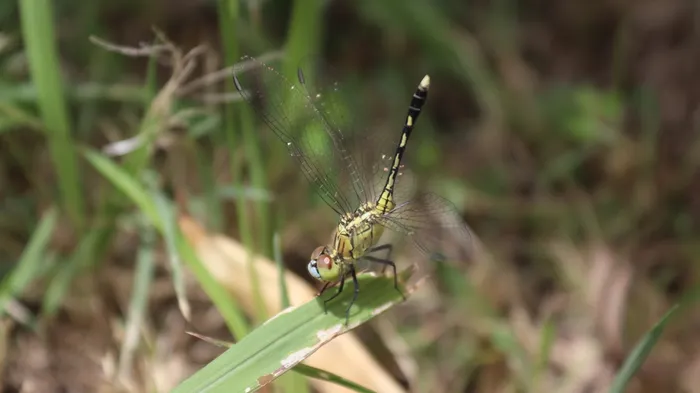
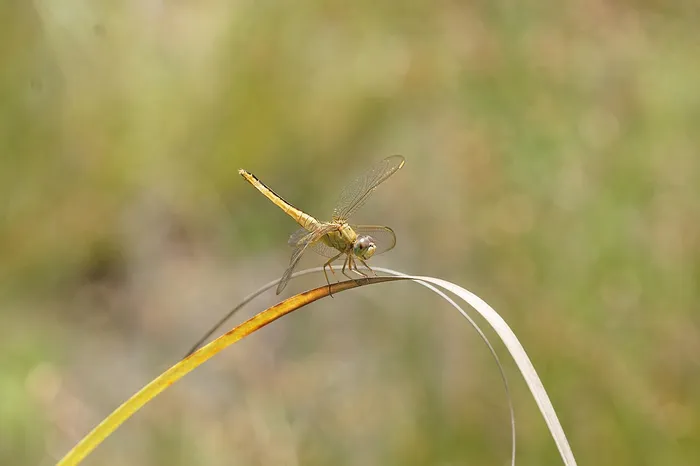
Chalky Percher (Diplacodes trivialis). The chalky percher is often seen low to the ground; mature males can differ in colour from females and young individuals.
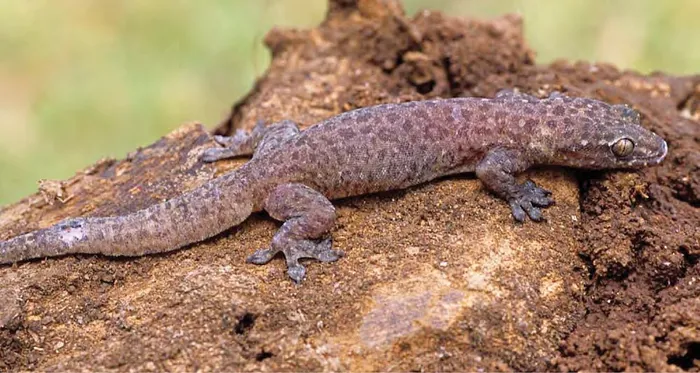
Common Four-clawed Gecko (Gehyra mutilata). The four-clawed gecko is widespread; its common name points to foot structure, while species identification still needs toe detail and locality.
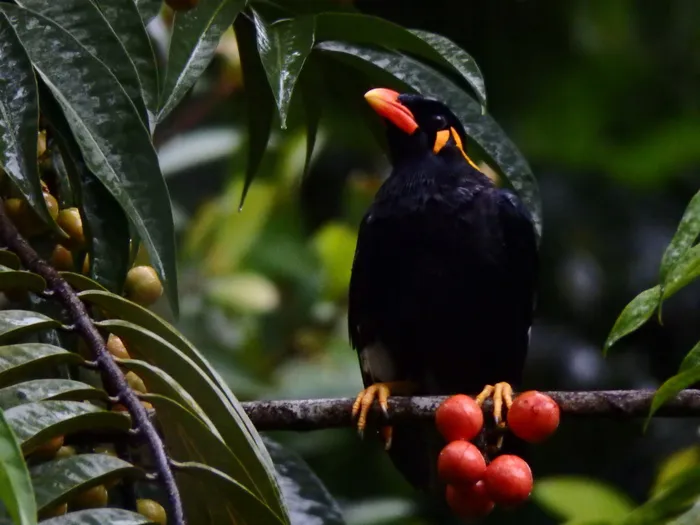
The common hill myna (Gracula religiosa) is a glossy black myna with yellow wattles, famous for its ability to mimic human speech.
Common Iora (Aegithina tiphia). The common iora uses scrub and forest edges; plumage varies among populations, so a photograph from one region may differ from another.
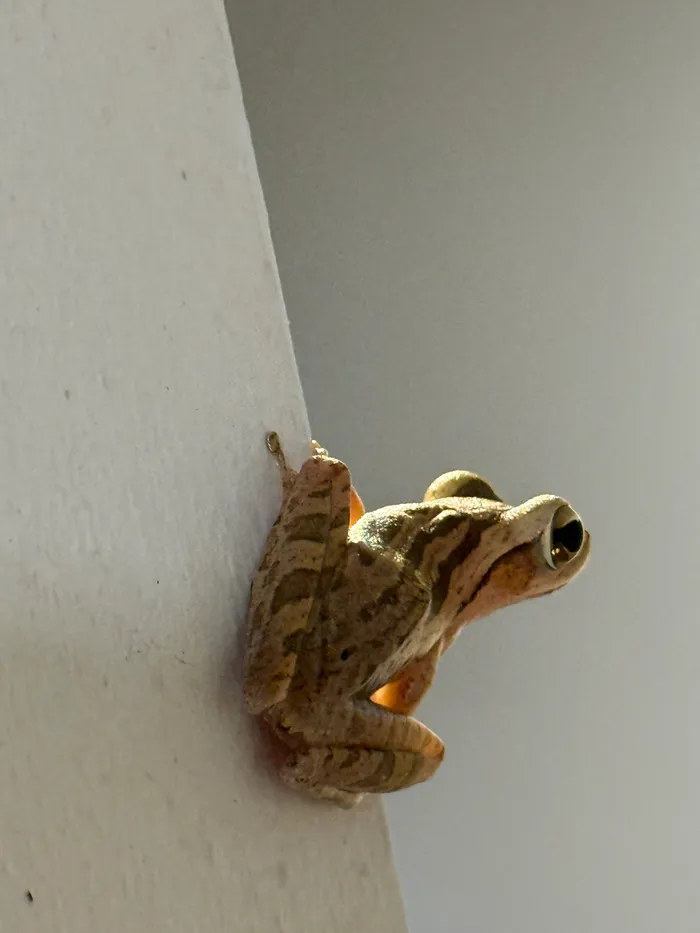
Common Southeast Asian Tree Frog (Polypedates leucomystax). The Southeast Asian tree frog builds foam nests near water for its eggs; a nest site should be left undisturbed.
Common Sun Skink (Eutropis multifasciata). The common sun skink uses open basking places; smooth scales and lengthwise pattern should be compared with other skinks.
Common Wolf Snake (Lycodon capucinus). The common wolf snake is named for enlarged front teeth, not kinship with wolves; building encounters are often misidentified.
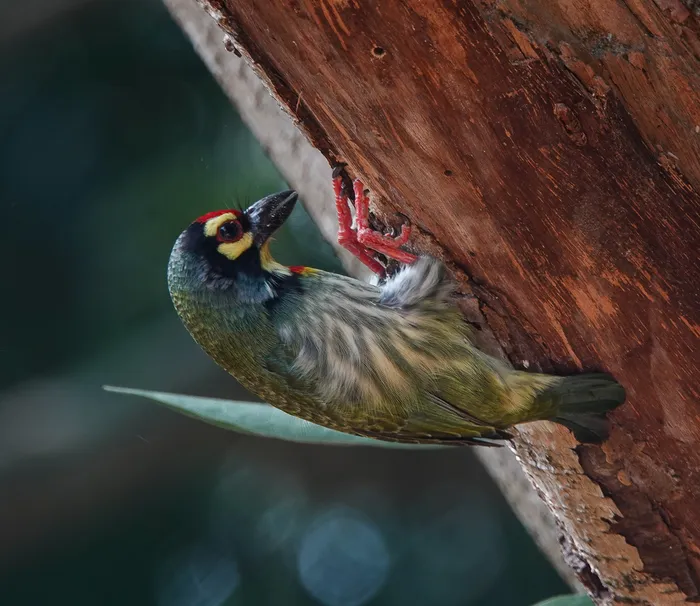
Coppersmith Barbet (Psilopogon haemacephalus). The coppersmith barbet has a red forehead and throat; its repeated metallic-sounding call may be noticed before the perched bird.
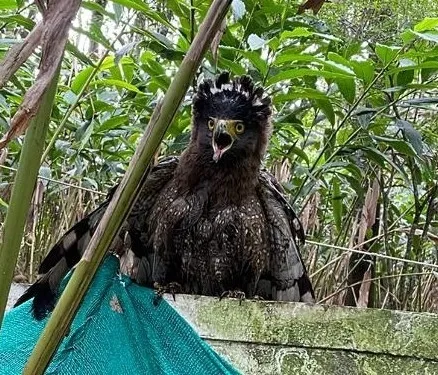
The crested serpent eagle (Spilornis cheela) is a snake-eating eagle of forest edges in Sumatra, Java, Bali and Borneo, and is protected in Indonesia.
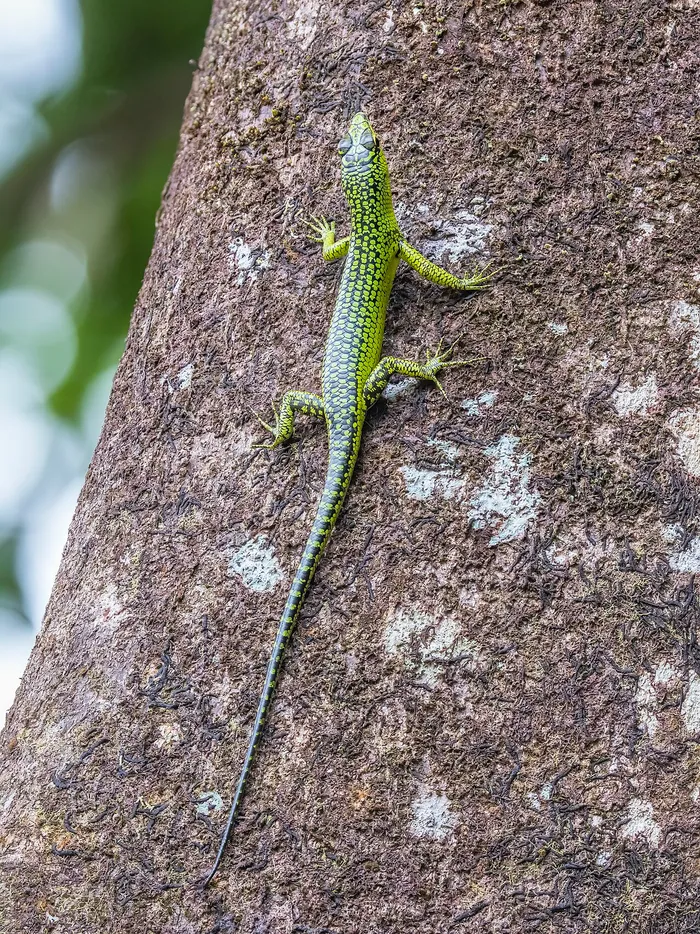
Emerald Tree Skink (Lamprolepis smaragdina). The emerald tree skink is a bright green arboreal skink; green colour alone cannot distinguish it from other green lizards.
Flat-tailed House Gecko (Hemidactylus platyurus). The flat-tailed house gecko has a noticeably flattened tail; tail and body form help distinguish it from other building-dwelling geckos.
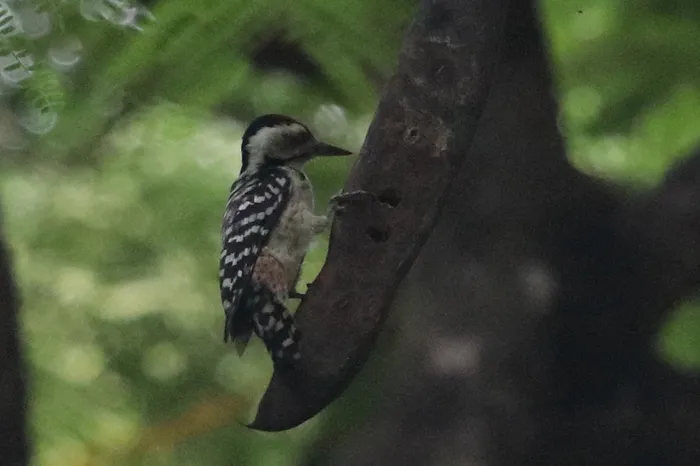
Freckle-breasted Woodpecker (Dendrocopos analis). The freckle-breasted woodpecker is a picid; Indonesian records should use head and wing pattern plus locality to distinguish lookalikes.
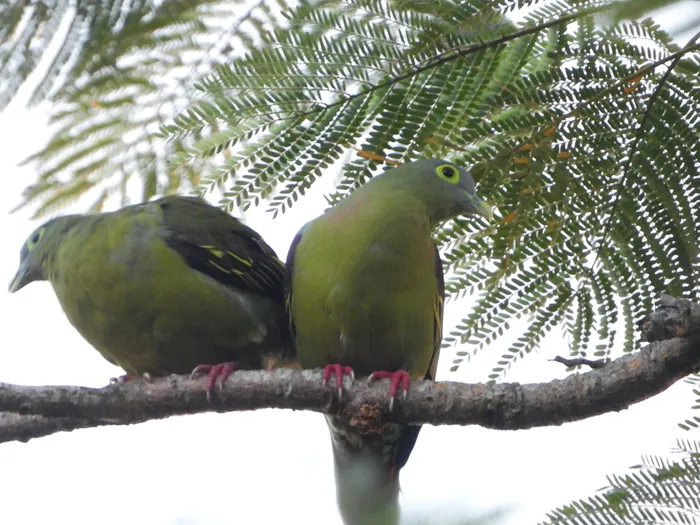
Gray-cheeked Green-Pigeon (Treron griseicauda). The grey-cheeked green-pigeon is Indonesian-endemic; cheek and nape colour help separate it from other green-pigeons in fruiting trees.
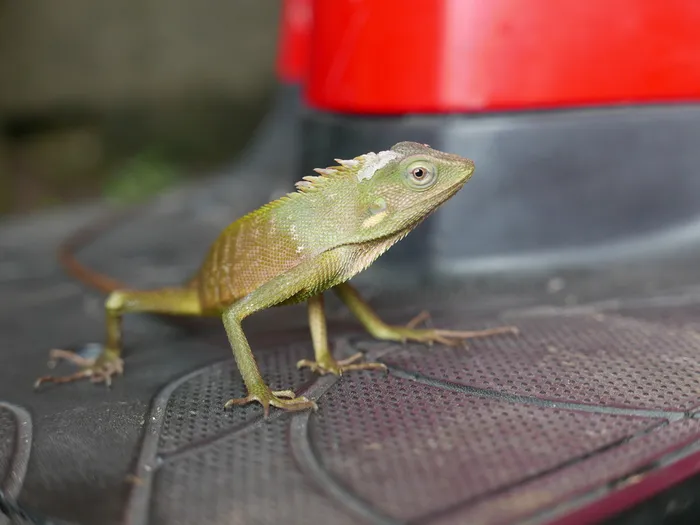
Great Crested Canopy Lizard (Bronchocela jubata). The maned forest lizard is a slender arboreal agamid with a crest along the neck and back; its local 'chameleon' label is not a taxonomic classification.
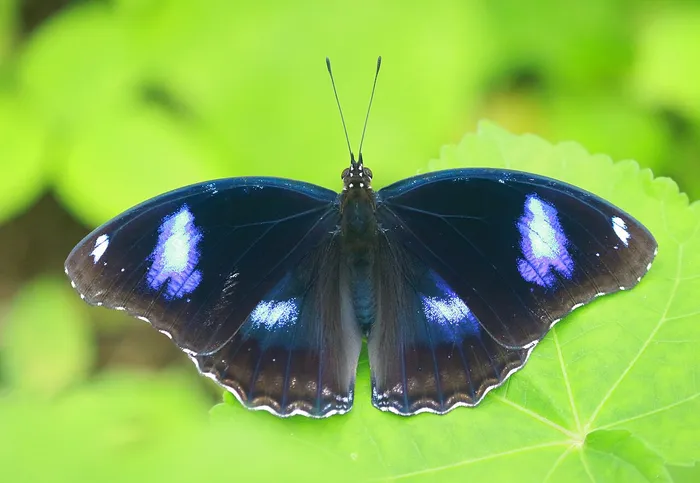
Great Eggfly (Hypolimnas bolina). Great eggflies show sex-linked differences in wing pattern; one photograph cannot represent all population variation.
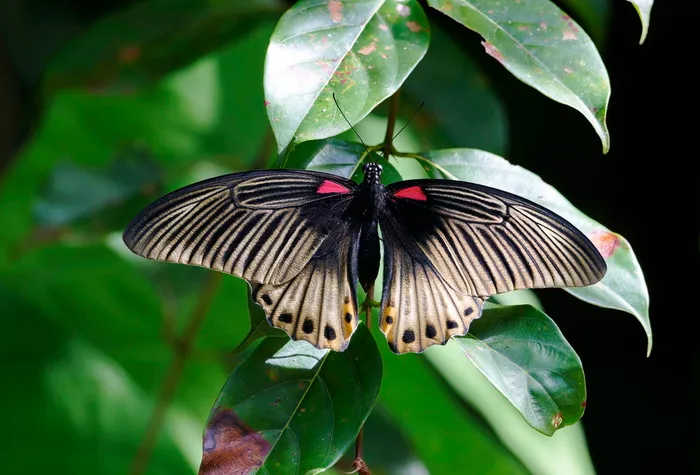
Great Mormon Swallowtail (Papilio memnon). Female great Mormon swallowtails occur in several colour forms, including mimics; these forms should not automatically be treated as different species.
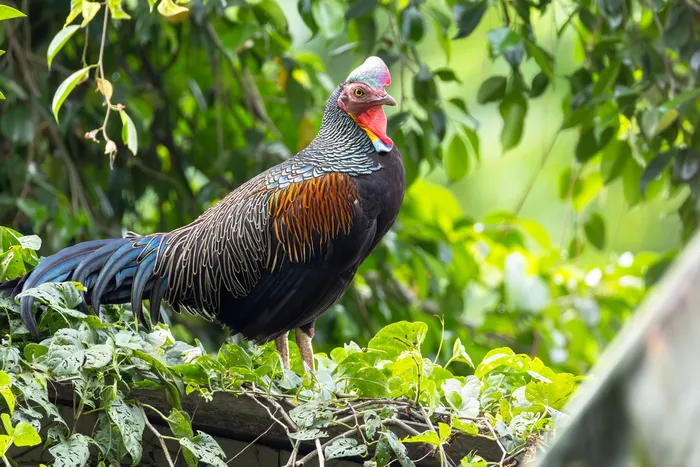
Green Junglefowl (Gallus varius). The green junglefowl is a Javan-region pheasant relative; males are more conspicuous than females, and domestic chickens should be distinguished.
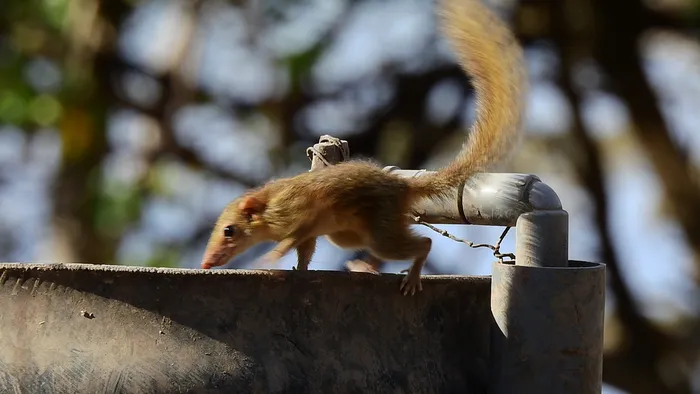
Horsfield's Treeshrew (Tupaia javanica). Horsfield's treeshrew belongs to Tupaiidae rather than the squirrel family and is reported from Sumatra, Java, Bali and Nias.
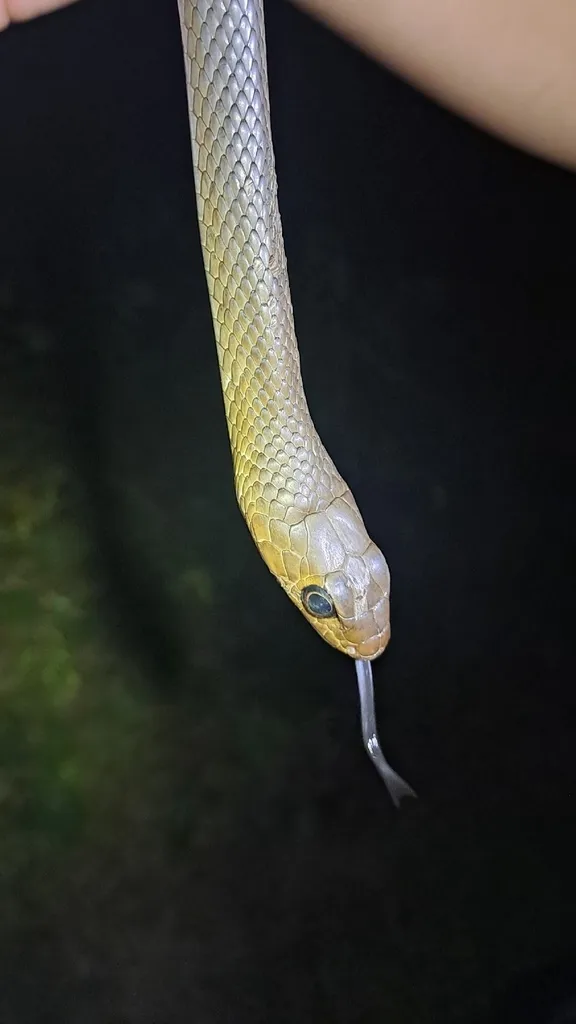
Indo-Chinese Rat Snake (Ptyas korros). The Indo-Chinese rat snake is a Southeast Asian ratsnake; the common name does not imply every individual eats only rodents.
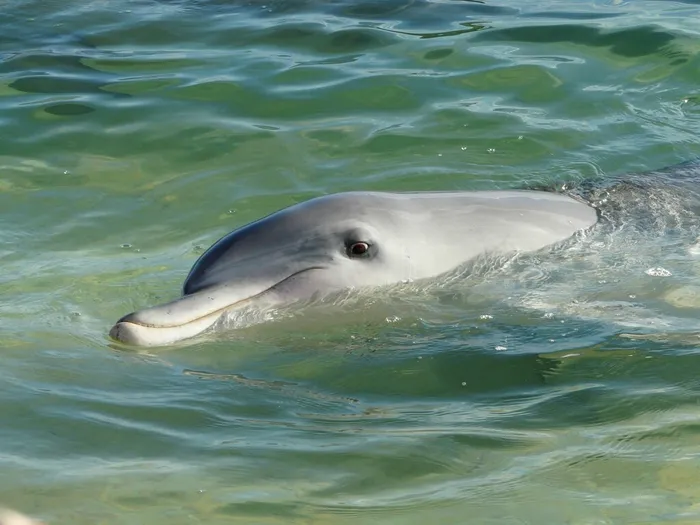
The Indo-Pacific bottlenose dolphin (Tursiops aduncus) is a coastal dolphin with a spotted belly that is fully protected in Indonesia.
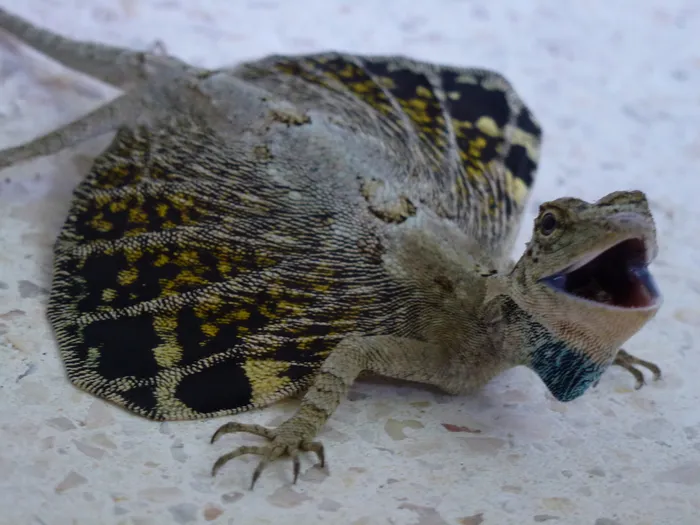
Javan Flying Dragon (Draco volans). The Javan flying dragon glides on rib-supported skin membranes; it has neither bird wings nor bat wings.
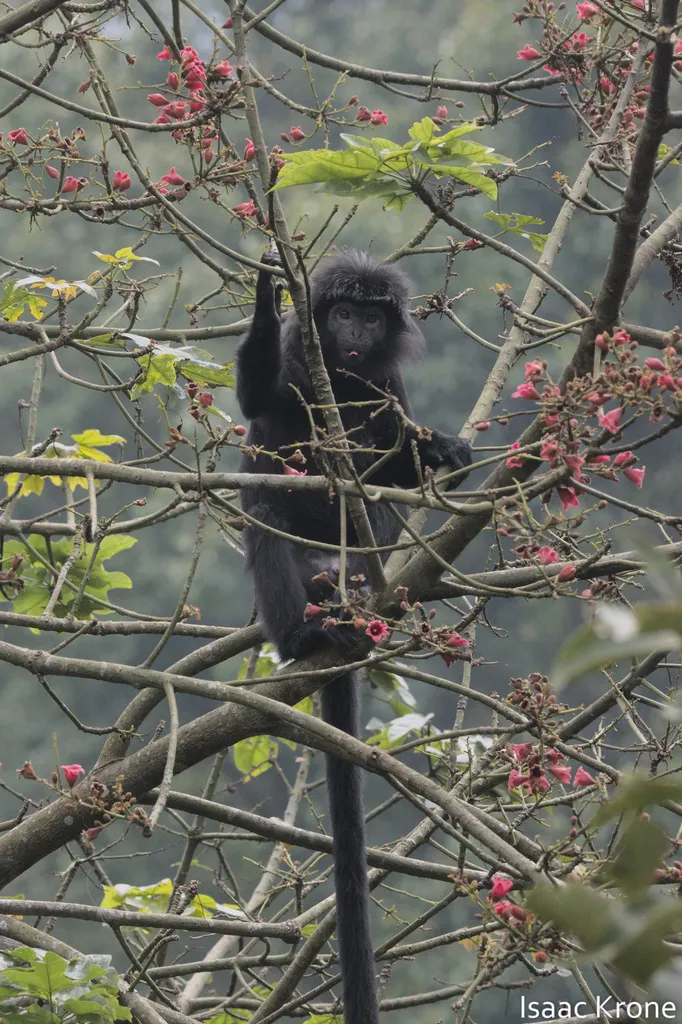
Javan Lutung (Trachypithecus auratus). Javan lutungs are usually glossy dark as adults, while young may be orange; age-related colour should not be mistaken for another species.
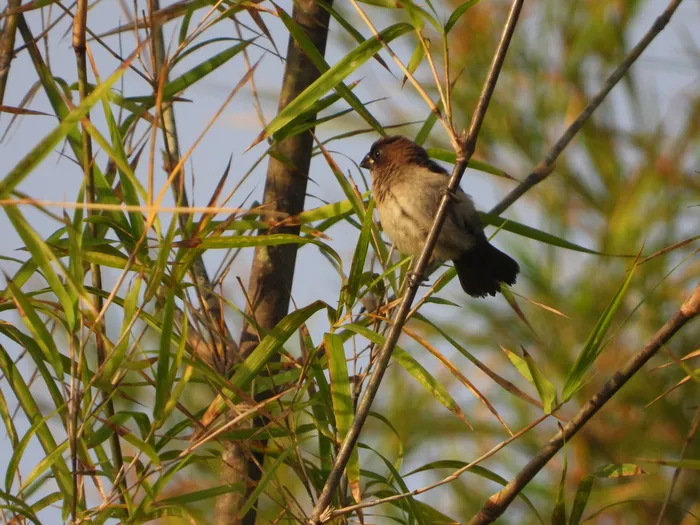
Javan Munia (Lonchura leucogastroides). The Javan munia occurs in southern Sumatra, Java, Bali and Lombok, while some populations elsewhere reflect human introduction.
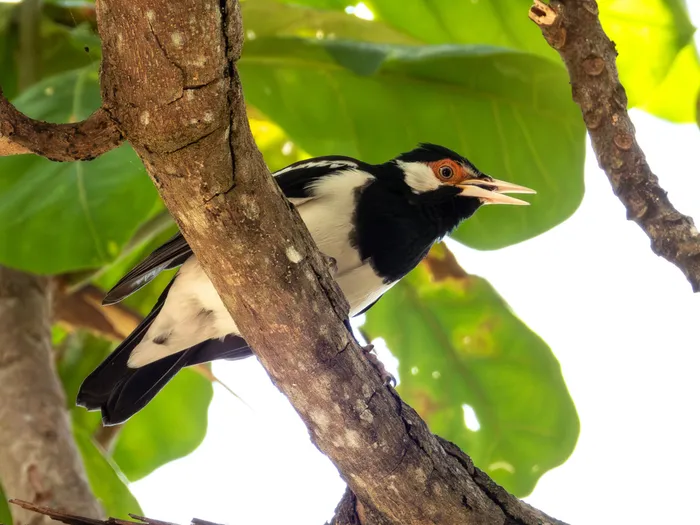
The Javan pied starling (Gracupica jalla) is a black-and-white starling of Java and Bali that may now be extinct in the wild because of the cagebird trade.
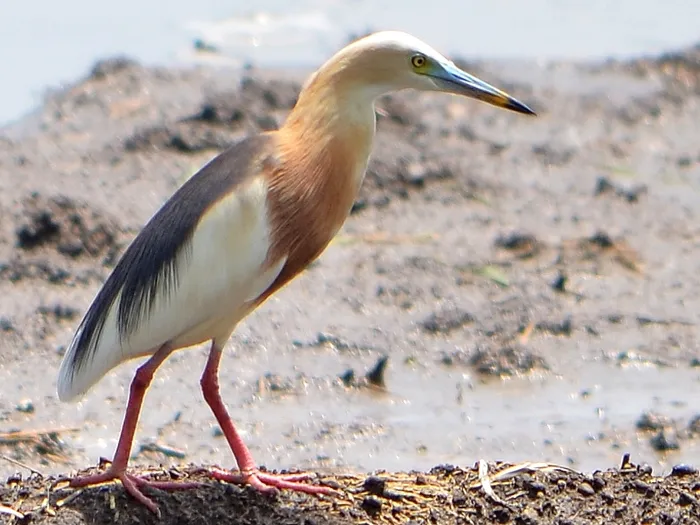
Javan Pond-Heron (Ardeola speciosa). The Javan pond-heron forages in shallow freshwater and coastal wetlands, taking small fish, insects and crabs.
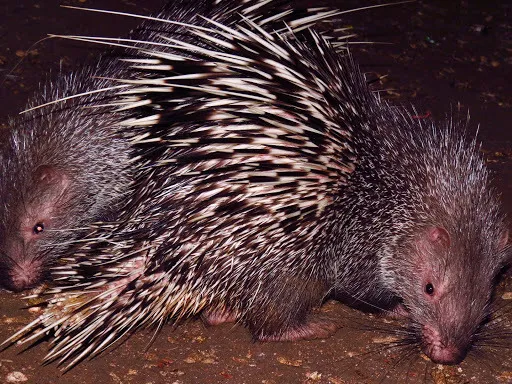
Javan Porcupine (Hystrix javanica). The Javan or Sunda porcupine is an Indonesian rodent with defensive quills; West Java research records secondary forest and land near farms.
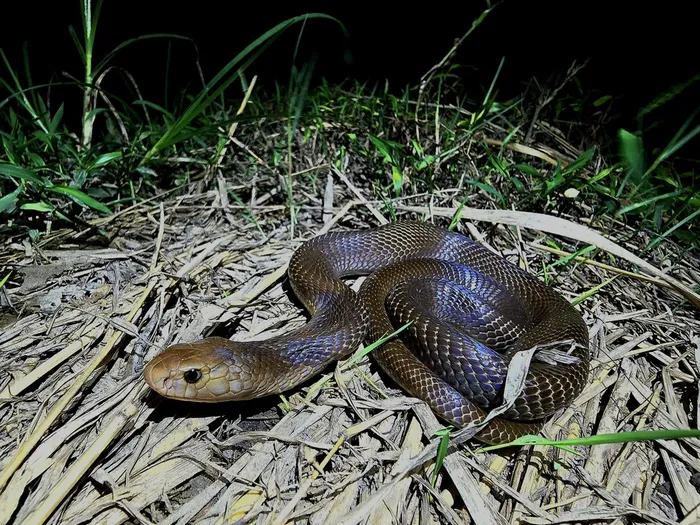
The Javan spitting cobra (Naja sputatrix) is a venomous spitting cobra of Java, Bali and Nusa Tenggara that often turns up around homes.
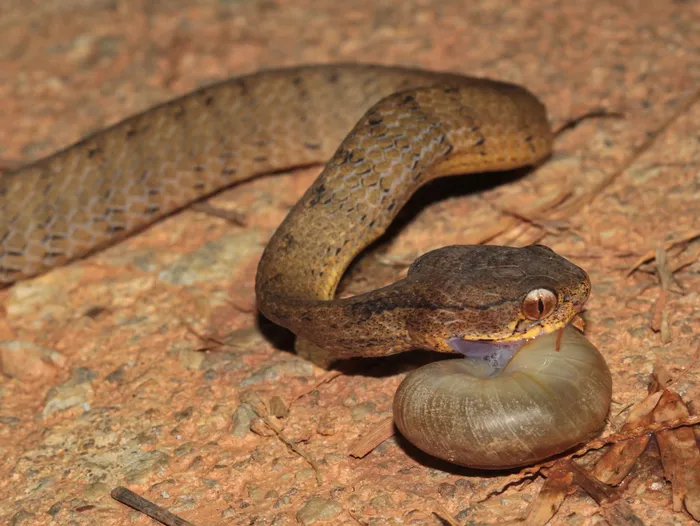
Keeled Slug Snake (Pareas carinatus). The keeled slug snake is a pareid associated with feeding on slugs and snails; a group name does not prove every individual meal.
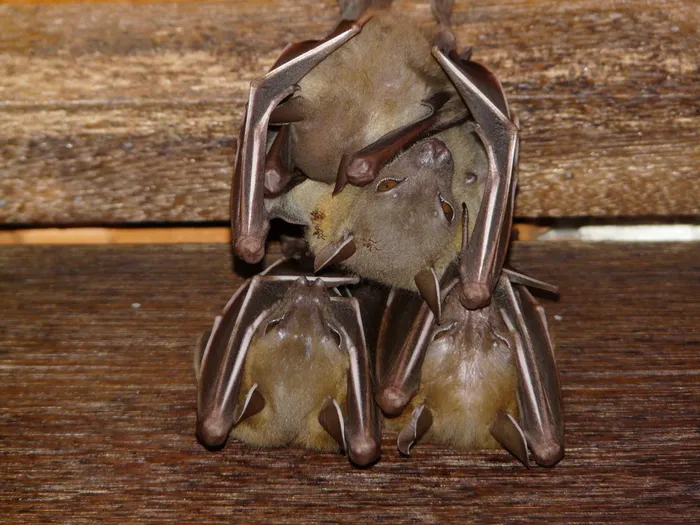
The lesser short-nosed fruit bat (Cynopterus brachyotis) is a common small fruit bat of Indonesian towns and forests that spreads seeds and pollinates flowers.
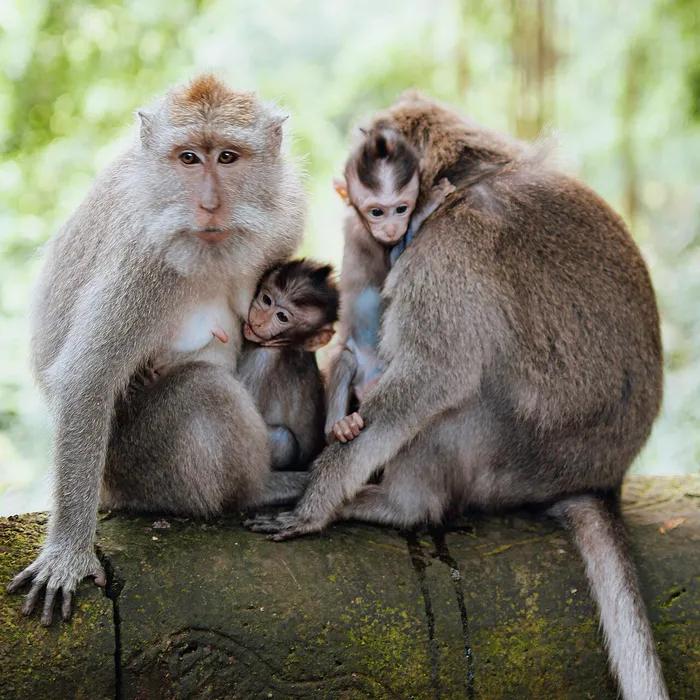
A social primate using forests, riversides, mangroves and settlement edges. Food and human encounters vary by place; frequent sightings do not describe the condition of the whole population.
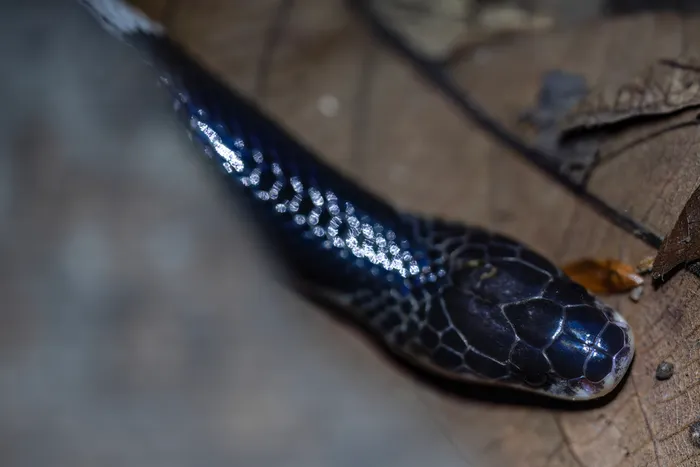
The Malayan krait (Bungarus candidus) is a highly venomous black-and-white banded krait of Sumatra, Java and Bali that is active at night.
Muller's Narrowmouth Frog (Kaloula baleata). Müller's narrowmouth frog is a microhylid with a rounded body; skin condition and age can change its appearance.
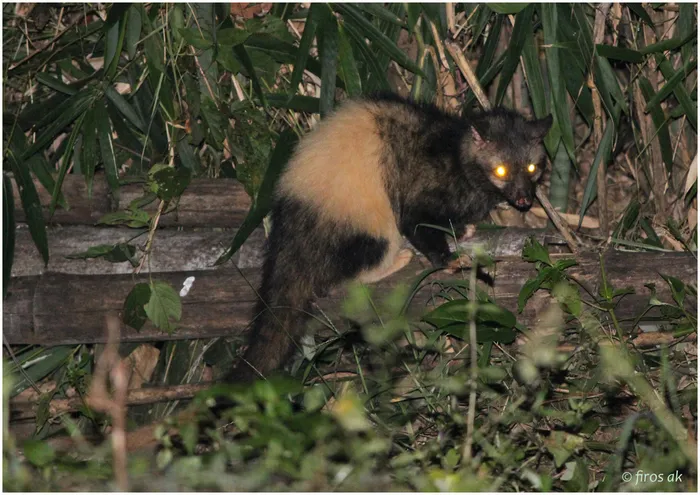
Northern Palm Civet (Paradoxurus hermaphroditus). The Asian palm civet can use varied habitats; captivity and civet-coffee production should be distinguished from its wild behaviour.
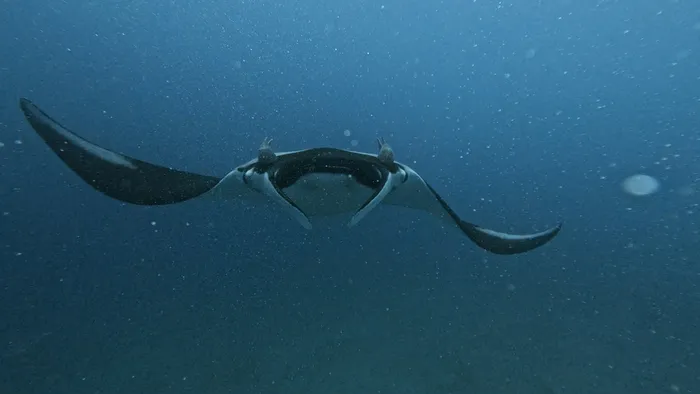
Oceanic Manta Ray (Mobula birostris). The giant oceanic manta ray differs from Indonesia's reef manta; size, habitat and body characters should be considered together rather than the word 'manta' alone.
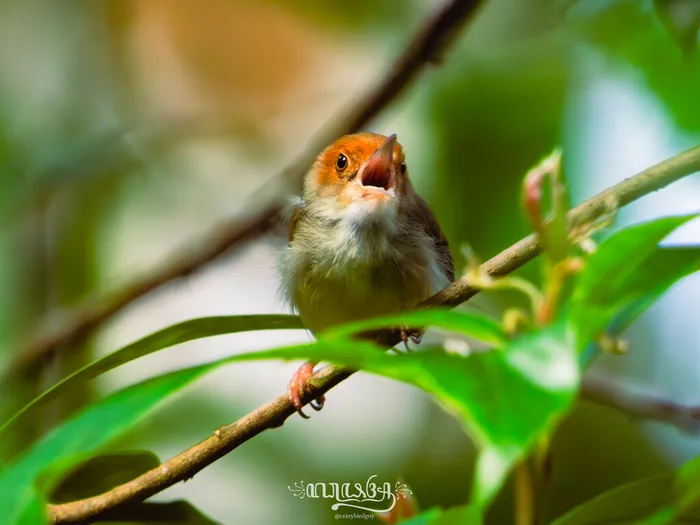
Olive-backed Tailorbird (Orthotomus sepium). The olive-backed tailorbird is now placed in Cisticolidae rather than the older broad Old World warbler grouping; names should follow current taxonomy.
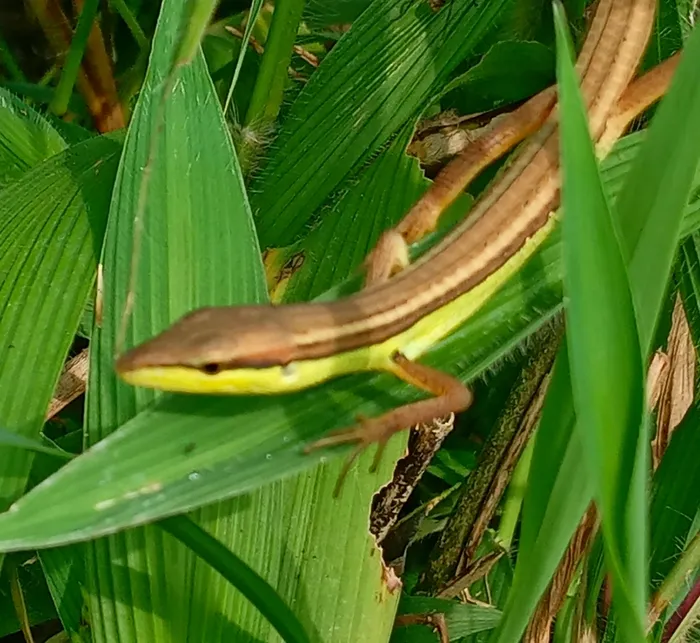
Oriental Long-tailed Grass Lizard (Takydromus sexlineatus). The long-tailed grass lizard often has a tail several times its body length; never pull it by the tail, which can be shed.
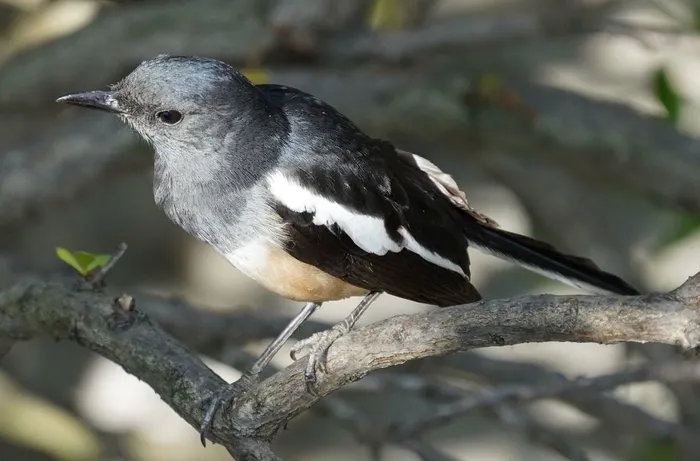
The oriental magpie-robin (Copsychus saularis) is a black-and-white songbird that was once common on Java but is now rare there because of trapping.
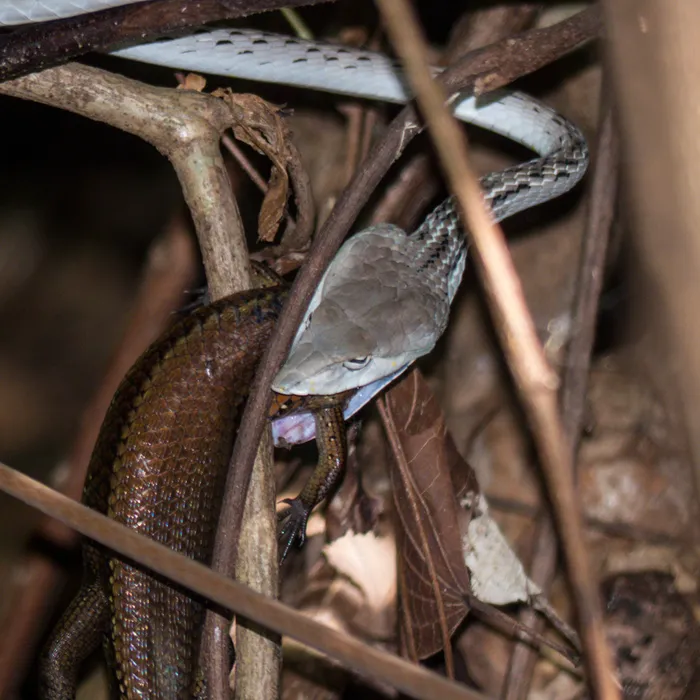
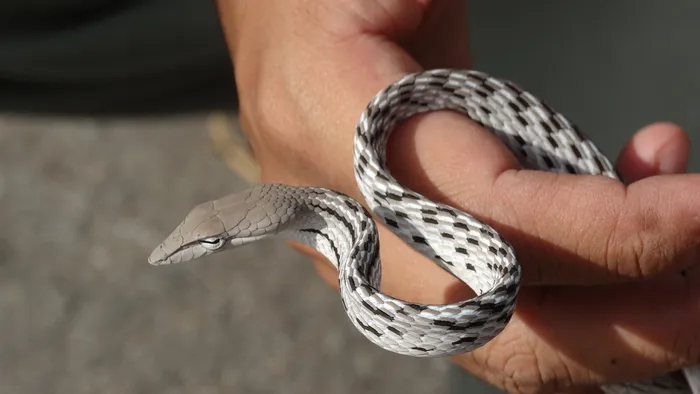
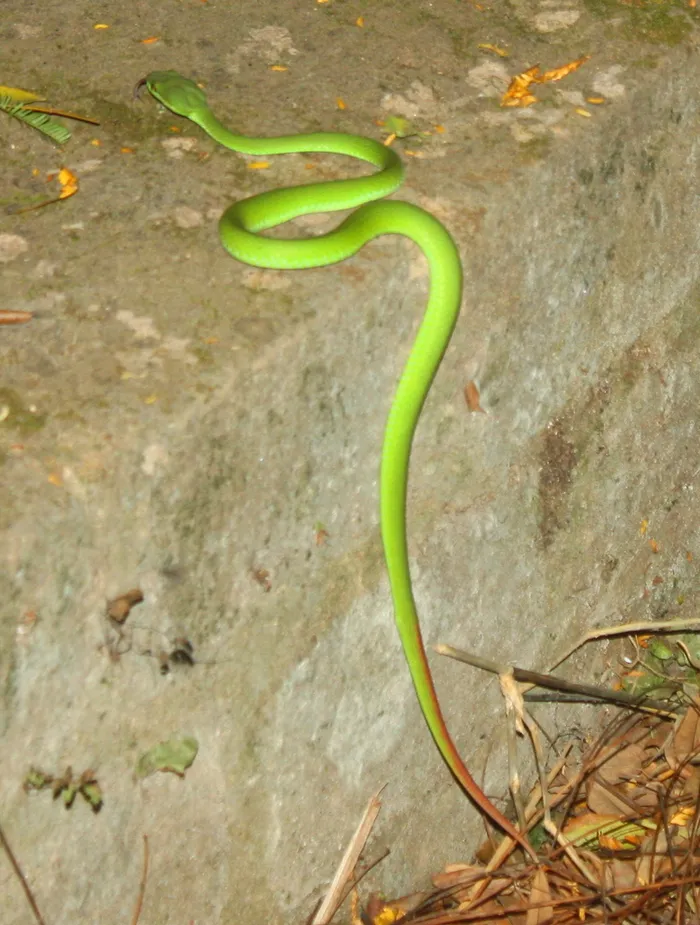
Oriental Whipsnake (Ahaetulla prasina). The oriental whipsnake is exceptionally slender and often found in vegetation; green colour alone cannot separate it from other tree snakes.
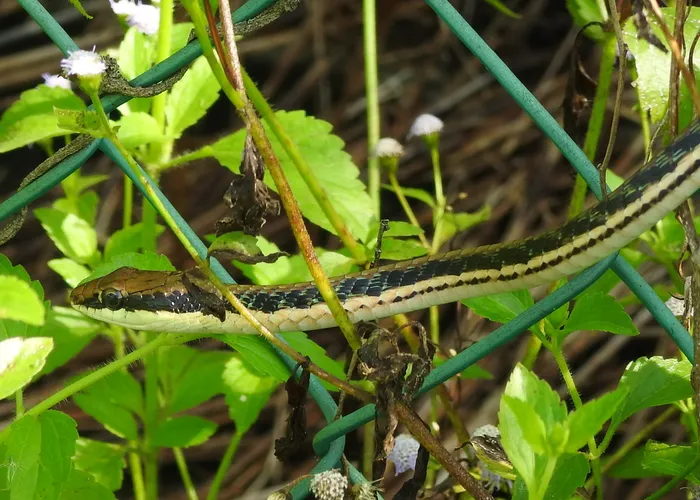
Painted Bronzeback (Dendrelaphis pictus). The painted bronzeback is a slender active snake ranging from South to Southeast Asia; side pattern must be checked with head shape.
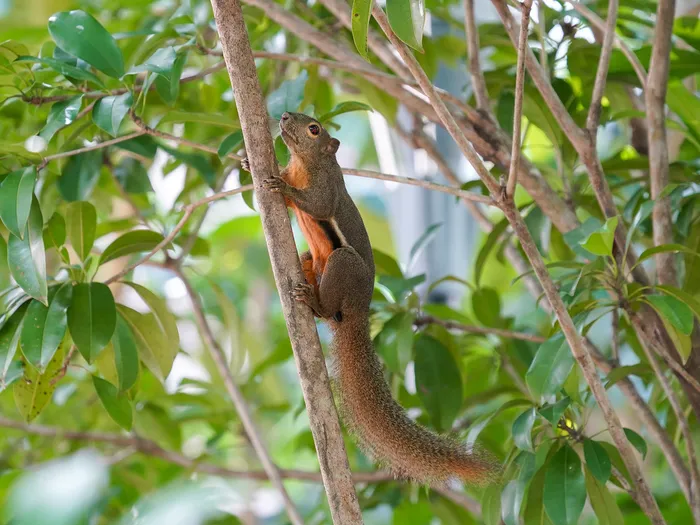
Plantain Squirrel (Callosciurus notatus). The plantain squirrel uses trees in Southeast Asian forests, gardens and settlements; body stripes and colour help separate similar squirrels.
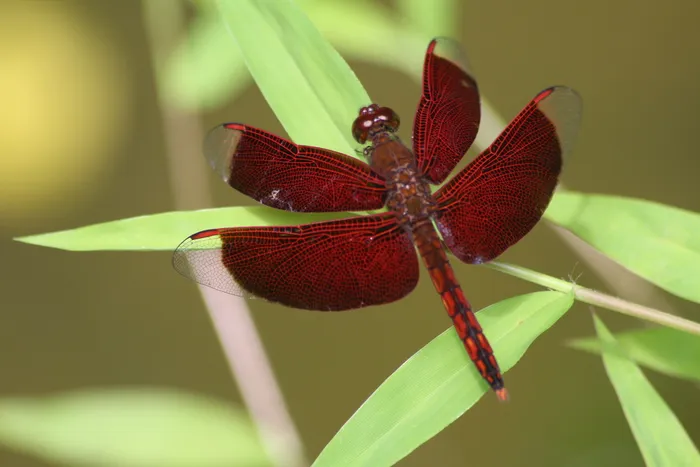
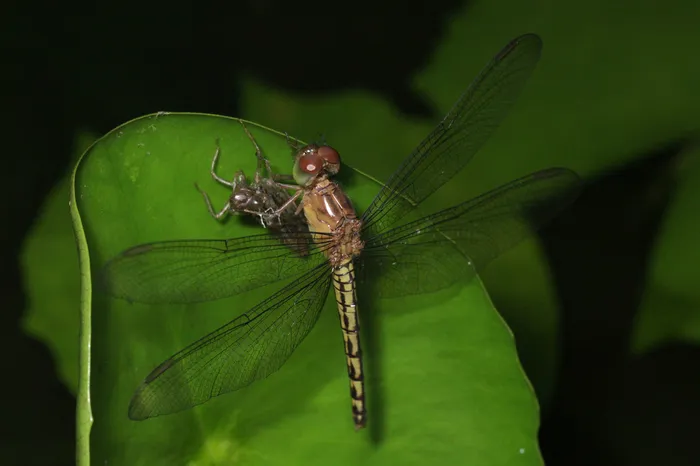
Red Percher (Neurothemis ramburii). Neurothemis ramburii is a libellulid; identification requires wing and body pattern rather than generic red colour.
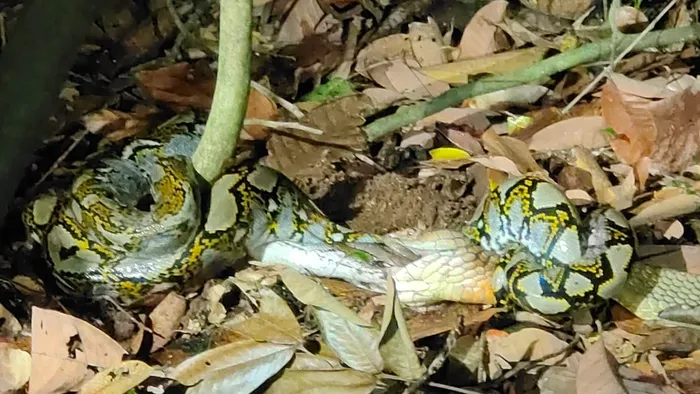
Reticulated Python (Malayopython reticulatus). The reticulated python can grow exceptionally long and subdues prey by constriction; it is nonvenomous but large animals still require distance.
Scarlet Skimmer (Crocothemis servilia). Scarlet skimmers are native to East and Southeast Asia with introductions elsewhere; red males do not represent every age or sex.
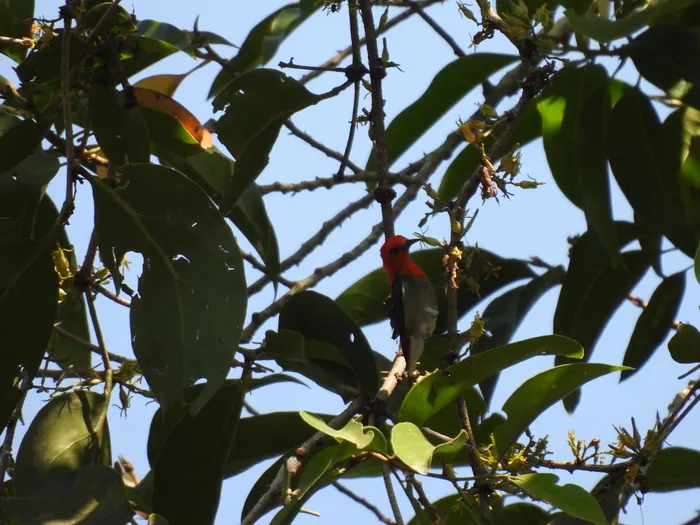
Scarlet-headed Flowerpecker (Dicaeum trochileum). The scarlet-headed flowerpecker is an Indonesian-endemic dicaeid; the male's red head is a clue, making sex and age relevant to identification.
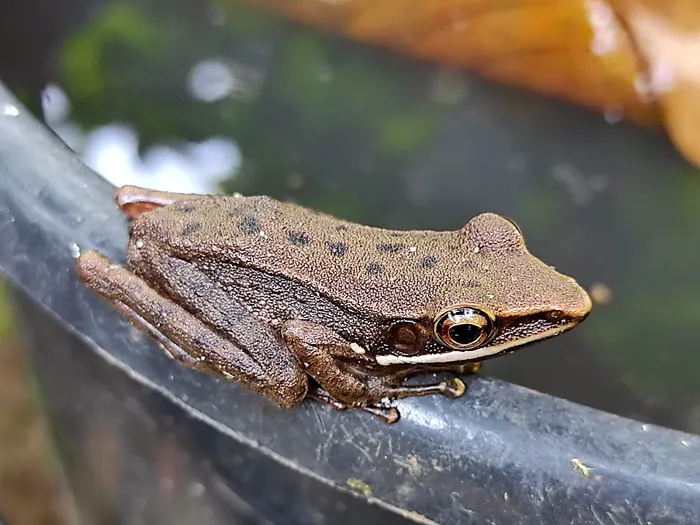
Schlegel's Frog (Chalcorana chalconota). Schlegel's frog once covered stream-frog populations later split into other species; Sumatran and Javan identifications need current taxonomy.
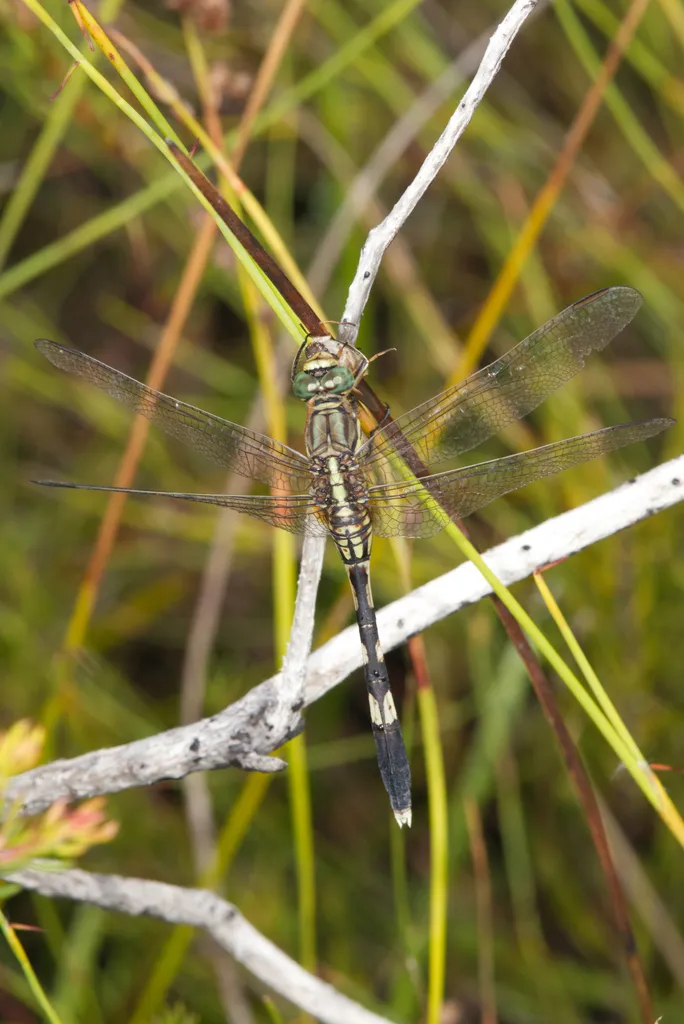
Slender Skimmer (Orthetrum sabina). The slender skimmer ranges widely from Asia to Australia; its green-and-black pattern and perching behaviour aid recognition.
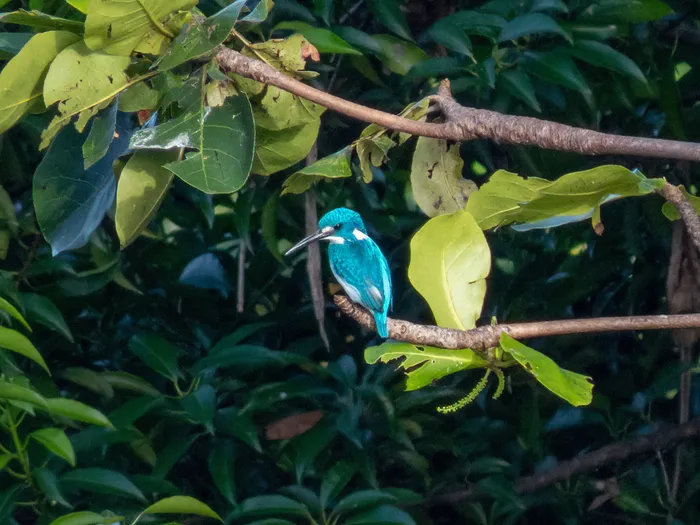
Small Blue Kingfisher (Alcedo coerulescens). This Indonesian kingfisher is metallic blue and white; size and pattern matter because other kingfishers also appear blue.
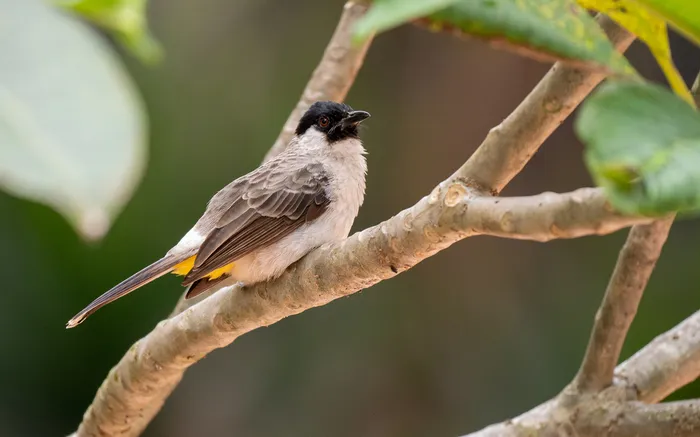
The sooty-headed bulbul (Pycnonotus aurigaster) is a black-capped bulbul native to Java and Bali, common in gardens and towns but widely trapped for sale.
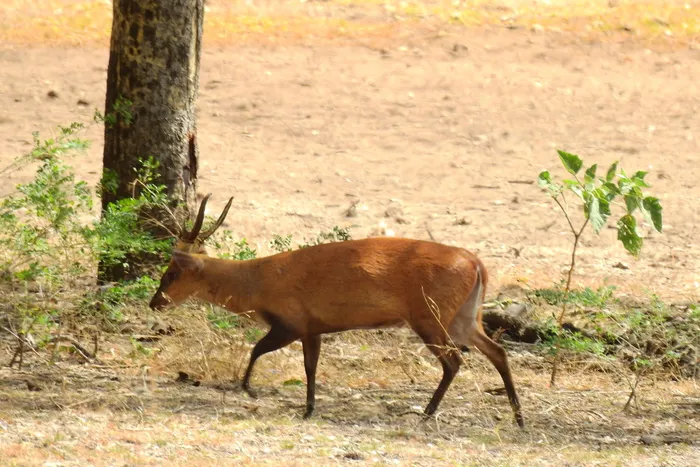
The southern red muntjac (Muntiacus muntjak) is a small deer with short antlers and tusks, found in Sumatra, Borneo, Java, Bali and Lombok.
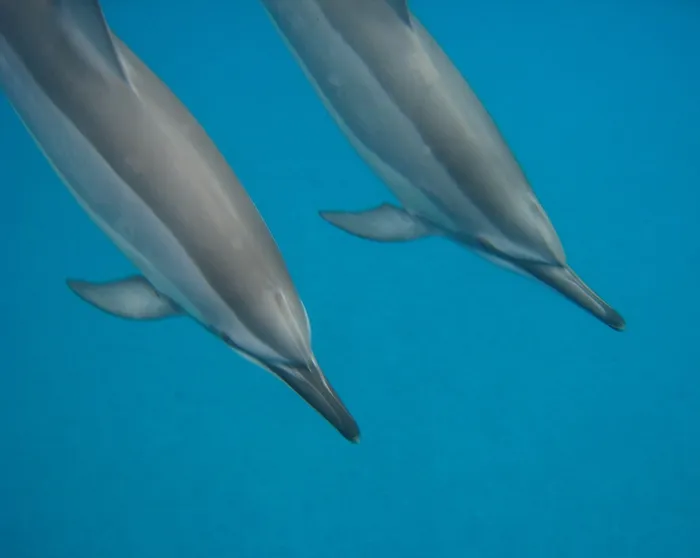
Spinner Dolphin (Stenella longirostris). Spinner dolphins are known for rotating leaps, but each leap need not have the same function; vessel encounters should maintain distance.
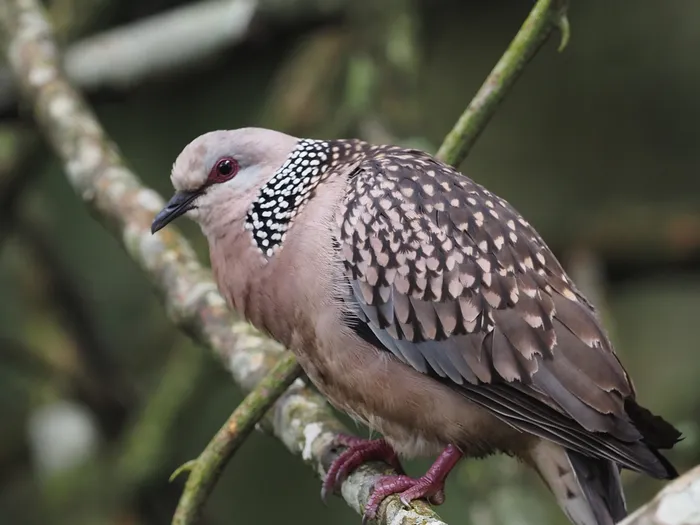
A small, long-tailed dove with white spots on a black neck patch. It uses open land, gardens and forest edges while searching for seeds.
Straight-edge Red Parasol (Neurothemis terminata). The straight-edge red parasol can use artificial wetlands and ranges from Southeast Asia towards the Lesser Sundas.
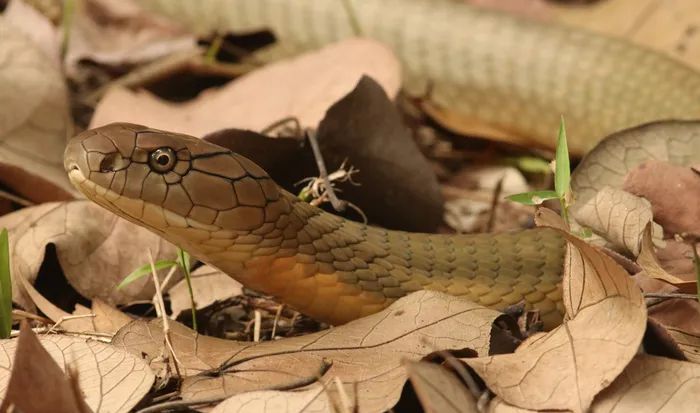
The Sunda king cobra (Ophiophagus bungarus) is a venomous snake-eater of Sumatra, Java, Borneo and Bali, separated from O. hannah in 2024.
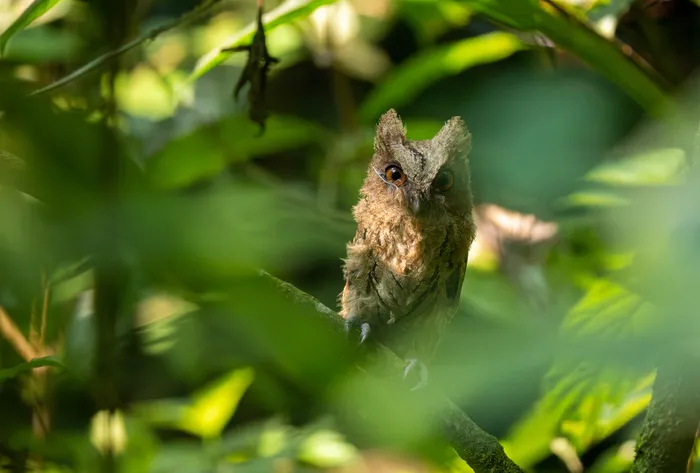
The Sunda scops owl (Otus lempiji) is a small owl with short ear tufts that lives in forest, gardens and wooded parks in Sumatra, Java, Borneo and Bali.
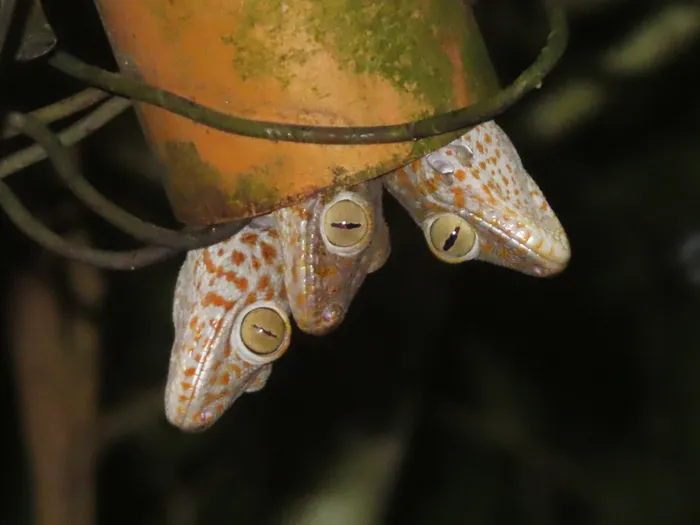
Tokay Gecko (Gekko gecko). The tokay gecko is a large mostly nocturnal tree gecko with a conspicuous call; a call need not reveal the animal's exact position.
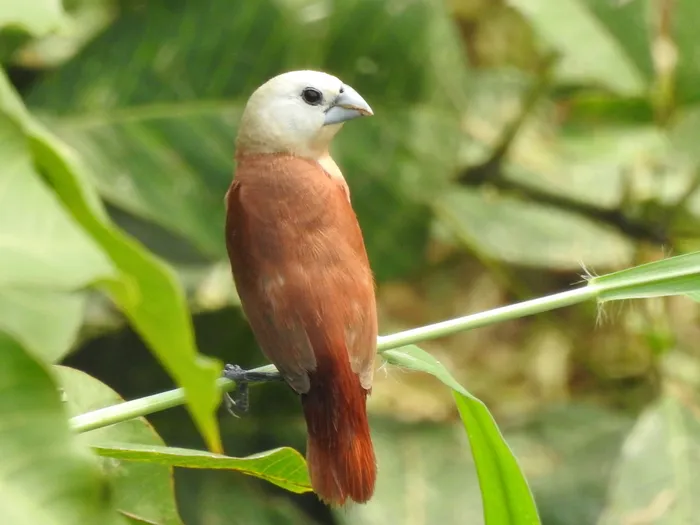
White-headed Munia (Lonchura maja). The white-headed munia uses wetlands and grassy places; the adult's white head helps identification, while young birds are harder to separate.
White-lipped Island Pitviper (Trimeresurus insularis). The Sunda island pitviper is venomous; older sources treated it as a white-lipped pitviper subspecies, so taxon names need checking.
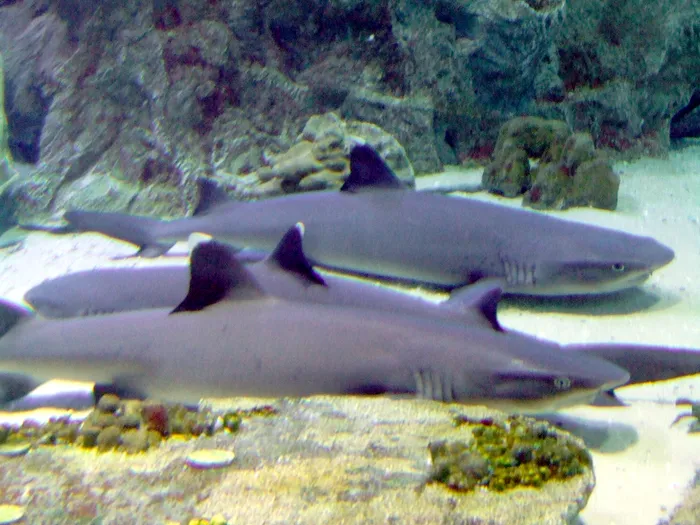
Whitetip Reef Shark (Triaenodon obesus). The whitetip reef shark often rests near the reef bottom; white tips on the dorsal and tail fins separate it from blacktip reef sharks.
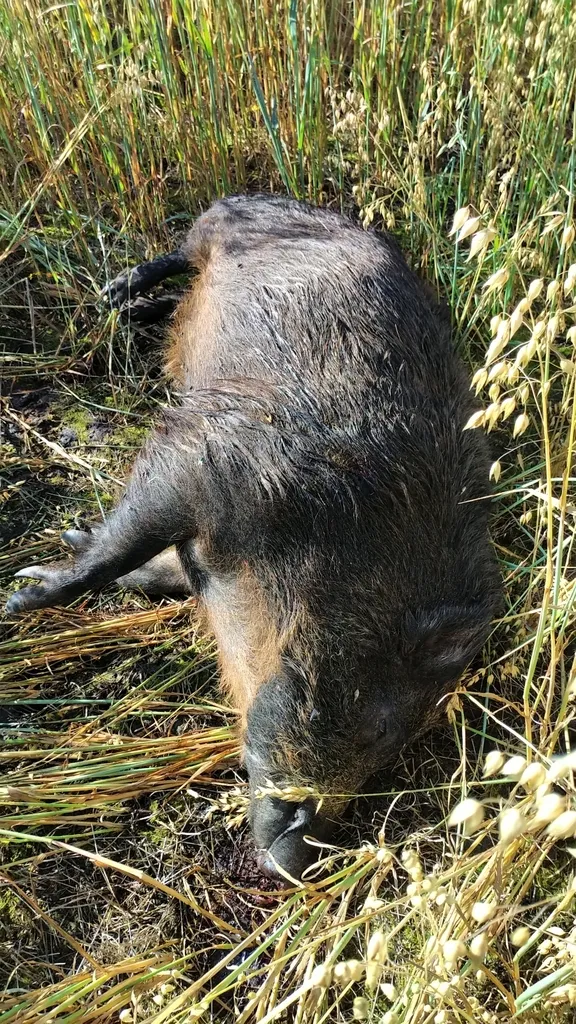
Wild Boar (Sus scrofa). Wild boar have both native and human-transported populations; wild, domestic and feral animals must not be combined into a single population claim.
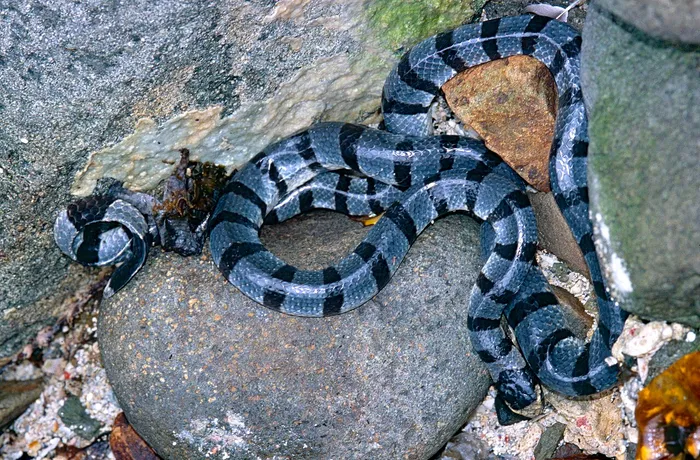
Yellow-lipped Sea Krait (Laticauda colubrina). The yellow-lipped sea krait has dark-and-light bands and uses both sea and land during its life cycle; it is venomous and should not be handled.
A songbird with a conspicuous yellow vent that often uses gardens, parks and forest edges. Local studies document fruit and insect feeding.
| Name | Scientific name | Group | Conservation status |
|---|---|---|---|
| Ashy Drongo | Dicrurus leucophaeus | Birds | Least Concern |
| Asian Common Toad | Duttaphrynus melanostictus | Amphibians | Least Concern |
| Asian honey bee | Apis cerana | Invertebrates | Not recorded |
| Asian House Gecko | Hemidactylus frenatus | Reptiles | Not recorded |
| Asian water monitor | Varanus salvator | Reptiles | Least Concern |
| Asian Weaver Ant | Oecophylla smaragdina | Invertebrates | Not recorded |
| Bali myna | Leucopsar rothschildi | Birds | Critically Endangered |
| Banded krait | Bungarus fasciatus | Reptiles | Least Concern |
| Banded Malaysian coral snake | Calliophis intestinalis | Reptiles | Least Concern |
| Black Giant Squirrel | Ratufa bicolor | Mammals | Near Threatened |
| Black rat | Rattus rattus | Mammals | Least Concern |
| Black-winged myna | Acridotheres melanopterus | Birds | Endangered |
| Blacktip Reef Shark | Carcharhinus melanopterus | Marine | Vulnerable |
| Bluespotted Fantail Ray | Taeniura lymma | Marine | Least Concern |
| Bluespotted Maskray | Neotrygon caeruleopunctata | Marine | Least Concern |
| Brown Honeyeater | Lichmera indistincta | Birds | Least Concern |
| Brown-banded Bamboo Shark | Chiloscyllium punctatum | Marine | Near Threatened |
| Cave Swiftlet | Collocalia linchi | Birds | Least Concern |
| Chalky Percher | Diplacodes trivialis | Invertebrates | Least Concern |
| Common Four-clawed Gecko | Gehyra mutilata | Reptiles | Least Concern |
| Common hill myna | Gracula religiosa | Birds | Least Concern |
| Common Iora | Aegithina tiphia | Birds | Least Concern |
| Common Southeast Asian Tree Frog | Polypedates leucomystax | Amphibians | Least Concern |
| Common Sun Skink | Eutropis multifasciata | Reptiles | Least Concern |
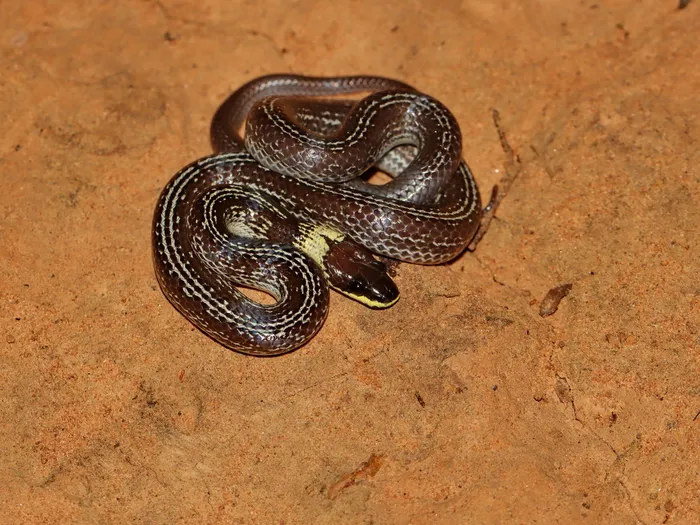
| Common Wolf Snake | Lycodon capucinus | Reptiles | Least Concern |
| Coppersmith Barbet | Psilopogon haemacephalus | Birds | Least Concern |
| Crested serpent eagle | Spilornis cheela | Birds | Least Concern |
| Emerald Tree Skink | Lamprolepis smaragdina | Reptiles | Least Concern |
| Flat-tailed House Gecko | Hemidactylus platyurus | Reptiles | Least Concern |
| Freckle-breasted Woodpecker | Dendrocopos analis | Birds | Least Concern |
| Gray-cheeked Green-Pigeon | Treron griseicauda | Birds | Not recorded |
| Great Crested Canopy Lizard | Bronchocela jubata | Reptiles | Least Concern |
| Great Eggfly | Hypolimnas bolina | Invertebrates | Not recorded |
| Great Mormon Swallowtail | Papilio memnon | Invertebrates | Not recorded |
| Green Junglefowl | Gallus varius | Birds | Least Concern |
| Horsfield's Treeshrew | Tupaia javanica | Mammals | Least Concern |
| Indo-Chinese Rat Snake | Ptyas korros | Reptiles | Near Threatened |
| Indo-Pacific bottlenose dolphin | Tursiops aduncus | Marine | Near Threatened |
| Javan Flying Dragon | Draco volans | Reptiles | Least Concern |
| Javan Lutung | Trachypithecus auratus | Mammals | Vulnerable |
| Javan Munia | Lonchura leucogastroides | Birds | Least Concern |
| Javan pied starling | Gracupica jalla | Birds | Not recorded |
| Javan Pond-Heron | Ardeola speciosa | Birds | Least Concern |
| Javan Porcupine | Hystrix javanica | Mammals | Least Concern |
| Javan spitting cobra | Naja sputatrix | Reptiles | Least Concern |
| Keeled Slug Snake | Pareas carinatus | Reptiles | Least Concern |
| Lesser short-nosed fruit bat | Cynopterus brachyotis | Mammals | Least Concern |
| Long-tailed macaque | Macaca fascicularis | Mammals | Endangered |
| Malayan krait | Bungarus candidus | Reptiles | Least Concern |
| Muller's Narrowmouth Frog | Kaloula baleata | Amphibians | Least Concern |
| Northern Palm Civet | Paradoxurus hermaphroditus | Mammals | Least Concern |
| Oceanic Manta Ray | Mobula birostris | Marine | Endangered |
| Olive-backed Tailorbird | Orthotomus sepium | Birds | Least Concern |
| Oriental Long-tailed Grass Lizard | Takydromus sexlineatus | Reptiles | Least Concern |
| Oriental magpie-robin | Copsychus saularis | Birds | Least Concern |
| Oriental Whipsnake | Ahaetulla prasina | Reptiles | Least Concern |
| Painted Bronzeback | Dendrelaphis pictus | Reptiles | Least Concern |
| Plantain Squirrel | Callosciurus notatus | Mammals | Least Concern |
| Red Percher | Neurothemis ramburii | Invertebrates | Not recorded |
| Reticulated Python | Malayopython reticulatus | Reptiles | Least Concern |
| Scarlet Skimmer | Crocothemis servilia | Invertebrates | Least Concern |
| Scarlet-headed Flowerpecker | Dicaeum trochileum | Birds | Least Concern |
| Schlegel's Frog | Chalcorana chalconota | Amphibians | Least Concern |
| Slender Skimmer | Orthetrum sabina | Invertebrates | Least Concern |
| Small Blue Kingfisher | Alcedo coerulescens | Birds | Least Concern |
| Sooty-headed bulbul | Pycnonotus aurigaster | Birds | Least Concern |
| Southern red muntjac | Muntiacus muntjak | Mammals | Least Concern |
| Spinner Dolphin | Stenella longirostris | Mammals | Least Concern |
| Spotted dove | Spilopelia chinensis | Birds | Least Concern |
| Straight-edge Red Parasol | Neurothemis terminata | Invertebrates | Least Concern |
| Sunda king cobra | Ophiophagus bungarus | Reptiles | Not recorded |
| Sunda scops owl | Otus lempiji | Birds | Least Concern |
| Tokay Gecko | Gekko gecko | Reptiles | Least Concern |
| White-headed Munia | Lonchura maja | Birds | Least Concern |
| White-lipped Island Pitviper | Trimeresurus insularis | Reptiles | Least Concern |
| Whitetip Reef Shark | Triaenodon obesus | Marine | Vulnerable |
| Wild Boar | Sus scrofa | Mammals | Least Concern |
| Yellow-lipped Sea Krait | Laticauda colubrina | Reptiles | Least Concern |
| Yellow-vented bulbul | Pycnonotus goiavier | Birds | Least Concern |
Search by name, habitat or island in the animal directory.