Quick answer
The issue in brief
Street cats and stray dogs in Indonesia come from owned animals allowed to roam, lost or dumped pets, and their unneutered offspring. What works is rabies vaccination of at least 70% of dogs, intensive and continuous neutering (TNR/CNVR), adoption and responsible ownership; WHO and WOAH say mass culling does not work. Since 2 January 2026 animal cruelty has been punishable under Article 337 of the new Criminal Code, and several regions ban abandoning animals.
- Rabies-animal bites and rabies deaths in Indonesia (2024)
- 185,359 bites; 122 deaths source ↗
- Rabies-endemic provinces (March 2025)
- 26 of 38 provinces source ↗
- Dog vaccination coverage needed
- At least 70% of dogs in at-risk areas source ↗
- Dogs in Bali and rabies vaccine coverage (2025)
- 565,737 dogs; 482,868 vaccinated (85.35%) source ↗
- Rabies deaths in Bali (2025)
- 16 people source ↗
- Dogs culled in Bali before island-wide vaccination
- About 108,000 source ↗
- Estimated stray cats in Jakarta (2026)
- About 300,000 source ↗
- Jakarta free cat-neutering target (2026)
- 22,000 cats source ↗
- Cat neutering level that cut numbers (12-year study)
- >70% city-wide; about 7% fall a year source ↗
- KUHP Article 337 penalty (in force 2 Jan 2026)
- Up to 1 year or Rp10 million; up to 1 year 6 months or Rp50 million if the animal is disabled, gravely injured or dies source ↗
Why are there so many stray dogs in Bali and street cats in Indonesia?
Most street animals are not wildlife but domestic cats and dogs. The dog population management standard of WOAH (the World Organisation for Animal Health) names three sources: owned dogs allowed to roam, lost or abandoned dogs (including puppies from uncontrolled breeding), and unowned dogs that roam and breed.
In Bali, owners play a big part. A three-year cohort study in two Balinese communities and two in Johannesburg found that almost all the dogs observed were owned and regularly fed. A substantial share had been brought in by people rather than born locally. According to the head of Bali's agriculture and food security office, the island had 565,737 dogs in 2025. He named the many stray dogs, and dogs that owners let loose, as the biggest obstacle to vaccination.
For cats, Jakarta's food security, marine and agriculture office (Dinas KPKP) estimates about 300,000 stray cats in the capital, based on the number of neighbourhood units (RT). The figure is fluid, shaped by births, deaths, sterilisation and pet cats that are dumped or released.
Street life carries risks for animals and people. WOAH notes that free-roaming dogs can cause public health and safety problems as well as animal health and welfare problems. A study in Israel found that free-roaming cats near homes may pose a risk to people, impair sanitation and suffer poor welfare; in natural areas, the domestic cat ranks among the most destructive alien species.
Evidence: WOAH Terrestrial Animal Health Code, Chapter 7.7: Dog population management ↗ · Morters MK et al. (2014) The demography of free-roaming dog populations and applications to disease and population control. Journal of Applied Ecology 51(4) ↗ · Bali Post: 2025, Vaksinasi Rabies HPR di Bali Capai 85,35 Persen (5 Februari 2026) ↗ · Kompas.com: Pemprov DKI Targetkan Sterilisasi 22.000 Kucing pada 2026 untuk Kendalikan Populasi Liar (8 Juli 2026) ↗ · Gunther I et al. (2022) Reduction of free-roaming cat population requires high-intensity neutering in spatial contiguity to mitigate compensatory effects. PNAS 119(15) ↗
Is there rabies in Bali, and do stray dogs carry it?
Rabies is still a real problem. According to the Ministry of Health (Kemenkes), in March 2025, 26 of Indonesia's 38 provinces were rabies-endemic; 12 were rabies-free, including Jakarta, Central Java, East Java and Yogyakarta. In 2024 there were 185,359 bites by rabies-transmitting animals (HPR) and 122 human deaths. WHO says dog bites and scratches cause 99% of human rabies cases, and rabies is always fatal once symptoms appear. In Indonesia, dogs, cats and monkeys are classed as HPR.
Bali is not rabies-free. Its first case was confirmed in November 2008, and the provincial government has run mass vaccination every year since. In 2025 dog vaccination coverage reached 85.35%, up from 79.43% in 2024, but Jembrana regency was at only 64.92%. Bali's health office recorded 66,760 people bitten in 2025 and 16 rabies deaths, up from seven in 2024.
The targets are a rabies-free Java by 2029 and a rabies-free Indonesia by 2030; Bali is also aiming for 2030. The Ministry of Agriculture is supplying 205,000 doses of rabies vaccine in 2026. Both the ministry and WHO set coverage of at least 70% of the dog or HPR population in target areas; WHO says the 30–50% common in Asia and Africa is not enough to break transmission.
Rabies is also reaching new areas: in 2023 Kemenkes announced rabies outbreaks (KLB) in Sikka and Timor Tengah Selatan regencies, East Nusa Tenggara.
Evidence: Kemenkes: Surat Edaran HK.02.02/C/508/2025 tentang Kewaspadaan terhadap Kasus Rabies ↗ · Kemenkes: Tingkatkan Kewaspadaan! Kemenkes Imbau Penguatan Pencegahan Rabies (20 Maret 2025) ↗ · WHO: Rabies fact sheet (updated 17 September 2026) ↗ · Dinas Pertanian dan Ketahanan Pangan Provinsi Bali: Vaksinasi Rabies Massal 2025 pada Hewan Penular Rabies (HPR) (29 April 2025) ↗ · Putra AAG et al. (2013) Response to a rabies epidemic, Bali, Indonesia, 2008–2011. Emerging Infectious Diseases 19(4) ↗ · Bali Post: 2025, Vaksinasi Rabies HPR di Bali Capai 85,35 Persen (5 Februari 2026) ↗ · ANTARA News Bali: Dinkes Bali sebut 16 korban rabies tewas karena tak dibawa ke faskes pada 2025 (9 Januari 2026) ↗ · Ditjen PKH Kementan: Kementan Perkuat Aksi Bersama Menuju Indonesia Bebas dari Rabies 2030 (27 September 2026) ↗ · Dinas Pertanian dan Ketahanan Pangan Provinsi Bali: Stronger Together, Bali Perkuat Kolaborasi Menuju Bebas Rabies (28 September 2026) ↗ · WHO: Dog rabies control and veterinary vaccines ↗ · Kemenkes (UPK Kemenkes): KLB Rabies Terjadi di Indonesia (2023) ↗
Stray dog population control: does culling stop rabies?
No. WHO states that culling free-roaming dogs is not effective in controlling rabies, and WOAH says mass culling is ineffective and may be counterproductive. According to WHO, mass vaccination of dogs, including puppies, is the most cost-effective way to prevent human rabies because it stops transmission at its source.
Bali proves the point. In December 2008 the government began culling unconfined dogs in affected parts of Denpasar and Badung with strychnine-laced baits or blow darts. About 108,000 dogs were culled before island-wide vaccination, yet emergency vaccination and culling failed to contain the 2008–2009 outbreak. Culling also led some people to move their dogs to areas they thought were safer.
Once island-wide vaccination reached 70% coverage (more than 200,000 dogs), rabies incidence and spread fell sharply. Human deaths fell from an average of 4.3 a month before island-wide vaccination to 1.1 a month during the second campaign; most people who died during the first campaign had been bitten before it began. The researchers concluded that culling was ineffective and can be counterproductive.
National rules still allow lethal measures. The 2025 Ministry of Agriculture regulation on animal welfare (Permentan 32/2025) lists 'population reduction' by euthanasia, poison bait or shooting, taking account of resources, local culture, and human and environmental safety. Badung's 2026 regulation limits elimination to animals suspected of rabies after observation. Jakarta controls stray cats through sterilisation, without culling.
Evidence: WHO: Rabies fact sheet (updated 17 September 2026) ↗ · WOAH Terrestrial Animal Health Code, Chapter 7.7: Dog population management ↗ · Putra AAG et al. (2013) Response to a rabies epidemic, Bali, Indonesia, 2008–2011. Emerging Infectious Diseases 19(4) ↗ · Townsend SE et al. (2013) Designing programs for eliminating canine rabies from islands: Bali, Indonesia as a case study. PLoS Neglected Tropical Diseases 7(8) ↗ · Peraturan Menteri Pertanian Nomor 32 Tahun 2025 tentang Penyelenggaraan Kesejahteraan Hewan (berlaku 4 Desember 2025) ↗ · Perda Kabupaten Badung Nomor 3 Tahun 2026 tentang Pelindungan dan Penertiban Hewan Penular Rabies (berlaku 6 Februari 2026) ↗ · Kompas.com: Pemprov DKI Targetkan Sterilisasi 22.000 Kucing pada 2026 untuk Kendalikan Populasi Liar (8 Juli 2026) ↗
Does TNR work? What the evidence says about neutering street cats and dogs
TNR (trap-neuter-return) means catching unowned animals, neutering them and returning them where they were found; Jakarta's Dinas KPKP runs such a programme for stray cats. For dogs, WOAH uses catch-neuter-vaccinate-return (CNVR): dogs get health care including rabies vaccination, are assessed for adoption and, if that is not feasible, are neutered and released near where they were caught. WOAH stresses that CNVR is not a stand-alone solution and calls for permanent marking of neutered animals.
The evidence for cats is mixed. An 11-year TNR and adoption programme on a university campus cut the population by 66%, from 68 to 23 cats, with 47% leaving through adoption. But an analysis of two county-wide TNR programmes in the United States found no consistent fall in population growth. A 12-year controlled field experiment in Israel found that numbers did not fall in highly neutered but patchy areas, probably because new cats moved in. Only when neutering above 70% covered the whole city did numbers fall, by about 7% a year.
For dogs, a systematic review of 39 papers from 15 countries found that fertility control showed the greatest reported effect on population size, although reporting quality was low. In Jaipur, India, nearly 25,000 dogs were neutered and vaccinated between 1994 and 2002; the population fell by 28% and human rabies cases in the programme area fell to zero. A model for Jodhpur estimated that sterilisation coverage below 40% would merely hold the population steady.
In short, TNR helps when it is intensive, continuous, area-wide and combined with adoption and control of food sources. WOAH warns that CNVR does not reduce noise, faeces, bites or traffic accidents, and that where many street dogs are owned, a programme built on sterilisation and responsible ownership fits better. Conservation scientists argue that cat TNR should also be treated as an environmental issue. For rabies, sterilisation is no substitute for vaccination.
Evidence: Kompas.com: Pemprov DKI Targetkan Sterilisasi 22.000 Kucing pada 2026 untuk Kendalikan Populasi Liar (8 Juli 2026) ↗ · WOAH Terrestrial Animal Health Code, Chapter 7.7: Dog population management ↗ · Levy JK, Gale DW, Gale LA (2003) Evaluation of the effect of a long-term trap-neuter-return and adoption program on a free-roaming cat population. JAVMA 222(1) ↗ · Foley P et al. (2005) Analysis of the impact of trap-neuter-return programs on populations of feral cats. JAVMA 227(11) ↗ · Gunther I et al. (2022) Reduction of free-roaming cat population requires high-intensity neutering in spatial contiguity to mitigate compensatory effects. PNAS 119(15) ↗ · Smith LM et al. (2019) The Effectiveness of Dog Population Management: A Systematic Review. Animals 9(12):1020 ↗ · Reece JF, Chawla SK (2006) Control of rabies in Jaipur, India, by the sterilisation and vaccination of neighbourhood dogs. Veterinary Record 159(12) ↗ · Totton SC et al. (2010) Stray dog population demographics in Jodhpur, India following a population control/rabies vaccination program. Preventive Veterinary Medicine 97(1) ↗ · Longcore T, Rich C, Sullivan LM (2009) Critical assessment of claims regarding management of feral cats by trap-neuter-return. Conservation Biology 23(4) ↗ · Townsend SE et al. (2013) Designing programs for eliminating canine rabies from islands: Bali, Indonesia as a case study. PLoS Neglected Tropical Diseases 7(8) ↗
Where can you get free neutering and rabies vaccination in Indonesia?
Where they exist, free services are run by the local office responsible for animal health, for example through an animal health centre (Puskeswan), with limited places. Jakarta aims to neuter 22,000 local cats free of charge in 2026, up from 9,000 in 2024 and 21,000 in 2025; registration is through a form announced on Dinas KPKP's official Instagram account. Jakarta also runs five mobile veterinary clinics. Depok city offers free neutering at a Puskeswan with online registration; its July 2026 round had places for 30 male and 20 female cats.
For rabies, Bali's provincial government charges nothing for vaccinating rabies-transmitting animals, both in mass campaigns and at the office during working hours. Badung's 2026 regulation requires owners to vaccinate regularly and provides free vaccination through the regency's programme, plus free sterilisation as far as its budget allows. Schedules and quotas differ from place to place, so check announcements from the livestock or animal health office in your regency or city.
Male cats are often overlooked. A study in Malang found that neutering male cats is often neglected because of cultural beliefs, logistical barriers and misconceptions; owners cited scheduling, cost and fear of surgery. In a vet-led community programme there, 98 of 99 owners went through with neutering. Permentan 32/2025 states that permanent sterilisation is surgery performed by a veterinarian. PanduanHewan's guide to neutering cats and dogs covers the health side.
Evidence: Pemkot Depok (berita.depok.go.id): DKP3 Depok Buka Sterilisasi Kucing Gratis, Kuota Terbatas (30 Juni 2026) ↗ · Kompas.com: Pemprov DKI Targetkan Sterilisasi 22.000 Kucing pada 2026 untuk Kendalikan Populasi Liar (8 Juli 2026) ↗ · DKPKP DKI Jakarta: Layanan Sterilisasi Kucing ↗ · Dinas Pertanian dan Ketahanan Pangan Provinsi Bali: Vaksinasi Rabies Massal 2025 pada Hewan Penular Rabies (HPR) (29 April 2025) ↗ · Perda Kabupaten Badung Nomor 3 Tahun 2026 tentang Pelindungan dan Penertiban Hewan Penular Rabies (berlaku 6 Februari 2026) ↗ · Haryo A, Untari H (2025) Veterinary-led interventions and owner perceptions of male cat sterilization: insights from a community-based initiative in Malang, Indonesia. Veterinary World 18(7) ↗ · Peraturan Menteri Pertanian Nomor 32 Tahun 2025 tentang Penyelenggaraan Kesejahteraan Hewan (berlaku 4 Desember 2025) ↗
Is it illegal to dump a cat or let a dog roam in Indonesia?
Many people search whether dumping a cat is a sin. This page does not cover religious law, but under state rules and animal welfare standards the answer is clear: don't. Permentan 32/2025 tells owners not to leave or abandon companion animals, and names "owned animals deliberately dumped" as a target of population control. WOAH lists lost or abandoned dogs as one source of street dogs.
Several regions ban it outright. Article 28 of Bali's 2023 public order regulation bans releasing pets in public unsupervised, abandoning animals and torturing animals. Badung's 2026 regulation bans abandoning rabies-transmitting pets and letting them roam on roads and in public places such as schools, temples, markets and beaches. Jakarta's governor regulation 199/2016 bans owners from abandoning such animals or letting them roam outside their yards, and requires dogs to be microchipped. East Nusa Tenggara's 2024 rabies rule asks owners to keep animals penned or tied.
Dumping an animal in a way that hurts it can bring in the police: Article 337 of the Criminal Code (KUHP) punishes anyone who hurts, injures or harms the health of an animal without a proper purpose. In June 2026 a video of a man throwing a cat from the Kartini bridge in Semarang into the East Flood Canal spread widely. Gayamsari police detained him for questioning and said they were still examining whether a crime had been committed.
If you can no longer care for an animal, do not release it at a market or on the street. The WOAH standard says holding facilities can take dogs from owners who can no longer care for them, as an alternative to abandonment. Find a responsible adopter or contact a registered shelter.
Evidence: Peraturan Menteri Pertanian Nomor 32 Tahun 2025 tentang Penyelenggaraan Kesejahteraan Hewan (berlaku 4 Desember 2025) ↗ · WOAH Terrestrial Animal Health Code, Chapter 7.7: Dog population management ↗ · Dinas Pertanian dan Ketahanan Pangan Provinsi Bali: Vaksinasi Rabies Massal 2025 pada Hewan Penular Rabies (HPR) (29 April 2025) ↗ · Perda Kabupaten Badung Nomor 3 Tahun 2026 tentang Pelindungan dan Penertiban Hewan Penular Rabies (berlaku 6 Februari 2026) ↗ · Peraturan Gubernur DKI Jakarta Nomor 199 Tahun 2016 tentang Pengendalian Hewan Penular Rabies (diubah dengan Pergub 36/2025) ↗ · Peraturan Gubernur Nusa Tenggara Timur Nomor 34 Tahun 2024 tentang Penanggulangan Rabies (19 Juli 2024) ↗ · UU Nomor 1 Tahun 2023 tentang Kitab Undang-Undang Hukum Pidana (KUHP), berlaku 2 Januari 2026 ↗ · CNN Indonesia: Pria Semarang Ditangkap Polisi Gegara Buang Kucing di Jembatan (25 Juni 2026) ↗
Is it OK to feed stray cats and dogs? How to do it responsibly
Feeding street animals is not banned in general, but how you do it matters. Permentan 32/2025 includes limiting access to food sources in population control, to reduce an area's capacity to support uncontrolled growth. Steps include clearing food waste regularly, fencing off rubbish points and using lidded bins. People are also asked to stop feeding unowned animals in places where it disturbs security, public order or environmental health.
Jakarta has taken a middle path. Since 2022 it has set up cat-feeding points in public spaces, starting at MRT stations, with signs asking people to feed cats only there. The points go hand in hand with Dinas KPKP's TNR programme, and people are urged to keep the area clean, for example with paper containers and dry food.
Food alone does not bring numbers down. The 12-year Israeli study found that the fall in cat numbers from TNR was held back by a rebound in breeding and longer lifespans, so the researchers recommended combining TNR with resource management, euthanasia of sick cats and adoption. WOAH warns that controlling food sources must be linked with other measures, so that a sudden loss of food does not harm animal welfare or public health.
In Bali, almost all the dogs researchers observed had owners who fed them, and the provincial government asks owners to keep their animals healthy, vaccinated and breeding-controlled. If you regularly feed street animals, you help most by also keeping a record of them and bringing them to sterilisation and rabies vaccination programmes.
Evidence: Peraturan Menteri Pertanian Nomor 32 Tahun 2025 tentang Penyelenggaraan Kesejahteraan Hewan (berlaku 4 Desember 2025) ↗ · detikNews: Pemprov DKI Perluas Program 'Traktir Kucing', Kini Ada di Pasar Santa (1 Juli 2026) ↗ · Kompas.com: Pemprov DKI Targetkan Sterilisasi 22.000 Kucing pada 2026 untuk Kendalikan Populasi Liar (8 Juli 2026) ↗ · Gunther I et al. (2022) Reduction of free-roaming cat population requires high-intensity neutering in spatial contiguity to mitigate compensatory effects. PNAS 119(15) ↗ · WOAH Terrestrial Animal Health Code, Chapter 7.7: Dog population management ↗ · Morters MK et al. (2014) The demography of free-roaming dog populations and applications to disease and population control. Journal of Applied Ecology 51(4) ↗ · Dinas Pertanian dan Ketahanan Pangan Provinsi Bali: Stronger Together, Bali Perkuat Kolaborasi Menuju Bebas Rabies (28 September 2026) ↗
How do shelters and adoption work, including adopting a Bali dog?
Permentan 32/2025 recognises temporary shelters as part of population control: proper temporary housing and care for abandoned animals, a way to teach responsible ownership, and a check on overpopulation. Shelters may be run by central government, local government or the public. In Jakarta, anyone holding more than five rabies-transmitting animals needs a permit.
The same regulation covers adoption. The shelter manager assesses whether a prospective adopter is suitable, explains the animal's condition, medical history and behaviour, and draws up an adoption agreement. WOAH sees adoption as a chance to promote responsible ownership, including rabies vaccination and sterilisation. Ask whether an animal has been vaccinated and neutered before taking it home; the same steps apply if you want to adopt a Bali dog.
Adoption alone does not fix the source of the problem. WOAH warns that without enough adoptive homes, facilities quickly fill up and become expensive and ineffective, so they need a maximum-capacity policy. In an 11-year cat programme on a university campus, 47% of cats left through adoption, and newcomers were neutered or adopted before they could breed.
Local governments run holding facilities too. In Badung, rabies-transmitting animals roaming without an owner are called "hewan geladak". They are caught by an enforcement team in a reasonable way, free from cruelty, and placed in a facility provided by the regency's animal health office.
Evidence: Peraturan Menteri Pertanian Nomor 32 Tahun 2025 tentang Penyelenggaraan Kesejahteraan Hewan (berlaku 4 Desember 2025) ↗ · Peraturan Gubernur DKI Jakarta Nomor 199 Tahun 2016 tentang Pengendalian Hewan Penular Rabies (diubah dengan Pergub 36/2025) ↗ · WOAH Terrestrial Animal Health Code, Chapter 7.7: Dog population management ↗ · Levy JK, Gale DW, Gale LA (2003) Evaluation of the effect of a long-term trap-neuter-return and adoption program on a free-roaming cat population. JAVMA 222(1) ↗ · Perda Kabupaten Badung Nomor 3 Tahun 2026 tentang Pelindungan dan Penertiban Hewan Penular Rabies (berlaku 6 Februari 2026) ↗
What does Indonesian law say about cruelty to street cats and dogs?
Indonesia's new Criminal Code (KUHP, Law 1/2023) took effect on 2 January 2026. Article 337(1) punishes anyone who hurts or injures an animal or harms its health excessively or without a proper purpose: up to 1 year in prison or a fine of up to category II (Rp10 million). If the animal is sick for over a week, disabled, gravely injured or dies, the maximum rises to 1 year 6 months or a fine of up to category III (Rp50 million). The article says "animals" without limiting it to owned ones; paragraph (3) even allows confiscation if the animal belongs to the offender.
Article 66A of Law 41/2014 on livestock and animal health also bans abusing or misusing animals in ways that leave them disabled or unproductive, and obliges anyone who knows of it to report to the authorities. Law 1/2026 on penalty adjustment, also in force since 2 January 2026, removes special minimum sentences from most laws outside the KUHP. It sets the penalty under Article 91B, for abusers and for those who fail to report, at a fine of up to category II.
Enforcement is starting to show. On 13 February 2026, Blora police in Central Java named a 60-year-old man as a suspect in a cat cruelty case under Article 337(1)(a) of the KUHP, after an 11-second video spread widely.
Domestic cats and dogs do not appear in the annex to P.106/2018, the list of protected plant and animal species; the rules that apply to them are the KUHP, the livestock and animal health law, Permentan 32/2025 and regional regulations. Watch the wording: "kucing liar" (wild cat) can also mean a wild species such as the leopard cat (Prionailurus bengalensis), and "anjing liar" (wild dog) can mean the dhole (Cuon alpinus). Both are listed in the P.106/2018 annex.
Evidence: JDIH BPK: UU No. 1 Tahun 2023 tentang Kitab Undang-Undang Hukum Pidana (metadata) ↗ · UU Nomor 1 Tahun 2023 tentang Kitab Undang-Undang Hukum Pidana (KUHP), berlaku 2 Januari 2026 ↗ · UU Nomor 41 Tahun 2014 tentang Perubahan atas UU Nomor 18 Tahun 2009 tentang Peternakan dan Kesehatan Hewan ↗ · JDIH BPK: UU No. 1 Tahun 2026 tentang Penyesuaian Pidana (metadata) ↗ · UU Nomor 1 Tahun 2026 tentang Penyesuaian Pidana (berlaku 2 Januari 2026) ↗ · ANTARA: Tendang kucing hingga mati di Lapangan Kridosono, pria 60 tahun di Blora jadi tersangka (13 Februari 2026) ↗ · Permen LHK P.106/MENLHK/SETJEN/KUM.1/12/2018 tentang Jenis Tumbuhan dan Satwa yang Dilindungi (lampiran) ↗ · Peraturan Menteri Pertanian Nomor 32 Tahun 2025 tentang Penyelenggaraan Kesejahteraan Hewan (berlaku 4 Desember 2025) ↗
Are stray dogs in Bali dangerous, and what should you do after a bite?
Bites are a real risk: in Bali alone, 66,760 people were bitten by rabies-transmitting animals in 2025. Worldwide, Kemenkes notes, 40% of people bitten by animals suspected of rabies are children under 15. WOAH says the most effective ways to reduce dog bites are education on safe interaction with dogs and owners taking responsibility for training and managing them.
If you or your child is bitten or scratched by a dog, cat or monkey, go straight to a health facility such as a puskesmas (community health centre) or hospital, even if the wound looks minor. Bali's health office says almost all of the 16 people who died of rabies in 2025 were never taken to a health facility, so they received neither wound care nor vaccination.
Do not try to catch or treat a street animal that bites, is sick or is injured. The WOAH standard calls for staff and volunteers who handle dogs to have rabies pre-exposure vaccination where appropriate, and for capture to be humane. Report animals that bite, look ill or roam without an owner to the local animal health office; Badung's 2026 regulation, for example, asks residents to report ownerless roaming animals.
For cruelty that is happening now or that threatens people, call the police on 110; the service is free and takes reports and complaints. Law 41/2014 obliges anyone who knows of animal abuse to report it to the authorities.
Evidence: ANTARA News Bali: Dinkes Bali sebut 16 korban rabies tewas karena tak dibawa ke faskes pada 2025 (9 Januari 2026) ↗ · Kemenkes: Surat Edaran HK.02.02/C/508/2025 tentang Kewaspadaan terhadap Kasus Rabies ↗ · WOAH Terrestrial Animal Health Code, Chapter 7.7: Dog population management ↗ · Perda Kabupaten Badung Nomor 3 Tahun 2026 tentang Pelindungan dan Penertiban Hewan Penular Rabies (berlaku 6 Februari 2026) ↗ · Polri: Call Center 110 ↗ · UU Nomor 41 Tahun 2014 tentang Perubahan atas UU Nomor 18 Tahun 2009 tentang Peternakan dan Kesehatan Hewan ↗
Timeline
- 2008-11 First rabies case confirmed in Bali. source ↗
- 2008-12 The government begins culling unconfined dogs in affected parts of Denpasar and Badung with strychnine baits or blow darts. source ↗
- 2010 Island-wide mass dog vaccination begins in Bali and approaches the 70% coverage target; rabies falls sharply. source ↗
- 2014 Law 41/2014 adds Article 66A, banning animal abuse and requiring witnesses to report it. source ↗
- 2016 Jakarta governor regulation 199/2016 bans owners of rabies-transmitting animals from abandoning them or letting them roam. source ↗
- 2022 Jakarta sets up its first cat-feeding points at MRT stations. source ↗
- 2023 Kemenkes announces rabies outbreaks in Sikka and Timor Tengah Selatan, East Nusa Tenggara. source ↗
- 2023 Article 28 of Bali's Perda 5/2023 bans releasing pets in public unsupervised and abandoning animals. source ↗
- 2024 Indonesia records 185,359 bites by rabies-transmitting animals and 122 rabies deaths. source ↗
- 2025-03 Kemenkes issues a rabies alert circular; 26 of 38 provinces are endemic. source ↗
- 2025-12 Permentan 32/2025 on animal welfare takes effect, including rules on companion-animal population control, shelters and adoption. source ↗
- 2026-01 The new KUHP takes effect, with animal cruelty under Article 337. Law 1/2026 adjusts penalties outside the KUHP. source ↗
- 2026-02 Badung's 2026 regulation on rabies-transmitting animals takes effect. Blora police name a suspect in a cat cruelty case under KUHP Article 337. source ↗
- 2026-06 Semarang police detain a man who threw a cat from the Kartini bridge after his video went viral. source ↗
- 2026-07 Jakarta targets 22,000 free cat neuterings in 2026 and launches five mobile veterinary clinics. source ↗
- 2026-09 The Ministry of Agriculture restates its targets of a rabies-free Java by 2029 and Indonesia by 2030, with 205,000 rabies vaccine doses in 2026. source ↗
How to help
- Neuter and rabies-vaccinate your own animals, give them ID, and do not let dogs or cats roam unsupervised. Many street animals come from owned pets.
- Never dump an animal at a market, on a street or anywhere else. If you cannot care for it, find a responsible adopter or contact a registered shelter.
- If you regularly feed street animals, use a spot agreed with residents or the site manager, clear away leftovers, and book the animals you feed into the local office's sterilisation and rabies vaccination programmes.
- Watch for free neutering and rabies vaccination announcements from your regency or city's livestock or animal health office and Puskeswan, and bring your neighbours along.
- If you are bitten or scratched by a dog, cat or monkey, go straight to a health facility (puskesmas or hospital), even if the wound is small.
- Report animals that bite, are sick or roam without an owner to the local office responsible for animal health. Report cruelty to a police SPKT desk, or call 110 in an emergency. Do not confront anyone yourself.
- Do not reshare animal cruelty videos for shock value. Keep the original files as evidence and hand them to the police.
- Before donating or volunteering, check a foundation's or association's legal registration on AHU Online and its public fundraising permit (PUB) with the Ministry of Social Affairs. Use PanduanHewan's checklist on how to check an appeal. PanduanHewan does not take donations.
- As a volunteer, choose roles that do not involve handling animals, such as surveys, education, transport to sterilisation appointments or helping with adoptions. Leave catching and handling to trained teams who have had rabies pre-exposure vaccination.
- If you want to adopt, ask about the animal's medical history and behaviour, make sure it is vaccinated and neutered, and be ready to care for it for the rest of its life.
Common questions
What is the difference between a stray cat and a wild cat in Indonesia?
In everyday Indonesian, a 'kucing liar' or 'kucing jalanan' is usually a free-living domestic cat (Felis catus), which does not appear in the P.106/2018 annex. Wild cats such as the leopard cat (Prionailurus bengalensis) are wildlife and are listed in the P.106/2018 annex as protected. The same goes for dogs: the dhole (Cuon alpinus) is also on that list.
Source: Permen LHK P.106/MENLHK/SETJEN/KUM.1/12/2018 tentang Jenis Tumbuhan dan Satwa yang Dilindungi (lampiran) ↗ · Permen LHK P.106/MENLHK/SETJEN/KUM.1/12/2018 tentang Jenis Tumbuhan dan Satwa yang Dilindungi (lampiran) ↗ · Permen LHK P.106/MENLHK/SETJEN/KUM.1/12/2018 tentang Jenis Tumbuhan dan Satwa yang Dilindungi (lampiran) ↗ · Permen LHK P.106/MENLHK/SETJEN/KUM.1/12/2018 tentang Jenis Tumbuhan dan Satwa yang Dilindungi (lampiran) ↗
Can cats spread rabies?
Yes. WHO says rabies infects mammals, including dogs and cats. In Indonesia, dogs, cats and monkeys are classed as rabies-transmitting animals (HPR), so cats are also targeted for rabies vaccination. A cat bite or scratch means you should go to a health facility straight away.
Source: WHO: Rabies fact sheet (updated 17 September 2026) ↗ · Dinas Pertanian dan Ketahanan Pangan Provinsi Bali: Vaksinasi Rabies Massal 2025 pada Hewan Penular Rabies (HPR) (29 April 2025) ↗ · Perda Kabupaten Badung Nomor 3 Tahun 2026 tentang Pelindungan dan Penertiban Hewan Penular Rabies (berlaku 6 Februari 2026) ↗
Is Bali rabies-free?
No. Rabies has been confirmed in Bali since November 2008. In 2025, 16 people in Bali died of rabies, and the provincial government is aiming for a rabies-free Bali by 2030.
Source: Putra AAG et al. (2013) Response to a rabies epidemic, Bali, Indonesia, 2008–2011. Emerging Infectious Diseases 19(4) ↗ · ANTARA News Bali: Dinkes Bali sebut 16 korban rabies tewas karena tak dibawa ke faskes pada 2025 (9 Januari 2026) ↗ · Dinas Pertanian dan Ketahanan Pangan Provinsi Bali: Stronger Together, Bali Perkuat Kolaborasi Menuju Bebas Rabies (28 September 2026) ↗
Do male cats need neutering too?
Yes, if the aim is population control. A study in Malang found that neutering male cats is often neglected because of cultural beliefs, logistical barriers and misconceptions. A vet-led programme there achieved neutering for 98 of 99 owners' cats. Jakarta and Depok both offer free places for male and female cats.
Source: Haryo A, Untari H (2025) Veterinary-led interventions and owner perceptions of male cat sterilization: insights from a community-based initiative in Malang, Indonesia. Veterinary World 18(7) ↗ · Haryo A, Untari H (2025) Veterinary-led interventions and owner perceptions of male cat sterilization: insights from a community-based initiative in Malang, Indonesia. Veterinary World 18(7) ↗ · Kompas.com: Pemprov DKI Targetkan Sterilisasi 22.000 Kucing pada 2026 untuk Kendalikan Populasi Liar (8 Juli 2026) ↗ · Pemkot Depok (berita.depok.go.id): DKP3 Depok Buka Sterilisasi Kucing Gratis, Kuota Terbatas (30 Juni 2026) ↗
How many stray cats are there in Jakarta?
Jakarta's Dinas KPKP estimates about 300,000, based on the number of neighbourhood units (RT). The figure changes with births, sterilisation and pet cats being dumped, among other things.
Source: Kompas.com: Pemprov DKI Targetkan Sterilisasi 22.000 Kucing pada 2026 untuk Kendalikan Populasi Liar (8 Juli 2026) ↗ · Kompas.com: Pemprov DKI Targetkan Sterilisasi 22.000 Kucing pada 2026 untuk Kendalikan Populasi Liar (8 Juli 2026) ↗
Do I have to report animal cruelty I witness?
Article 66A(2) of Law 41/2014 obliges anyone who knows of abuse or misuse of an animal that leaves it disabled or unproductive to report it to the authorities. Report to a police SPKT desk, or call 110 in an emergency.
Source: UU Nomor 41 Tahun 2014 tentang Perubahan atas UU Nomor 18 Tahun 2009 tentang Peternakan dan Kesehatan Hewan ↗ · UU Nomor 41 Tahun 2014 tentang Perubahan atas UU Nomor 18 Tahun 2009 tentang Peternakan dan Kesehatan Hewan ↗ · Polri: Call Center 110 ↗
Do Indonesian authorities still cull stray dogs?
The rules still allow it in some circumstances. Permentan 32/2025 lists euthanasia, poison bait and shooting as population-reduction methods, and Badung's 2026 regulation allows elimination of animals suspected of rabies after observation. WHO and WOAH say mass culling does not control rabies.
Source: Peraturan Menteri Pertanian Nomor 32 Tahun 2025 tentang Penyelenggaraan Kesejahteraan Hewan (berlaku 4 Desember 2025) ↗ · Perda Kabupaten Badung Nomor 3 Tahun 2026 tentang Pelindungan dan Penertiban Hewan Penular Rabies (berlaku 6 Februari 2026) ↗ · WHO: Rabies fact sheet (updated 17 September 2026) ↗ · WOAH Terrestrial Animal Health Code, Chapter 7.7: Dog population management ↗
How can I check an animal rescue group is legitimate?
Check the foundation's legal registration on the Ministry of Law's AHU Online, and check its public fundraising permit (PUB) in the Ministry of Social Affairs system. In Jakarta, anyone holding more than five rabies-transmitting animals also needs a permit.
Source: Ditjen AHU Kementerian Hukum: Pencarian Yayasan (AHU Online) ↗ · Kementerian Sosial: Cek Program UGB/PUB (SIMUGBPUB) ↗ · Peraturan Gubernur DKI Jakarta Nomor 199 Tahun 2016 tentang Pengendalian Hewan Penular Rabies (diubah dengan Pergub 36/2025) ↗
Animals involved
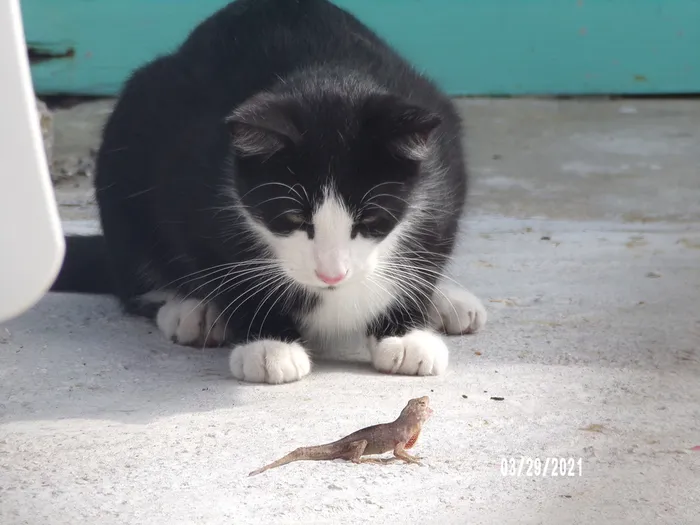
Understand cats at home and in your neighbourhood: safe spaces, suitable food, natural behaviour, and a lifelong responsibility for their care.
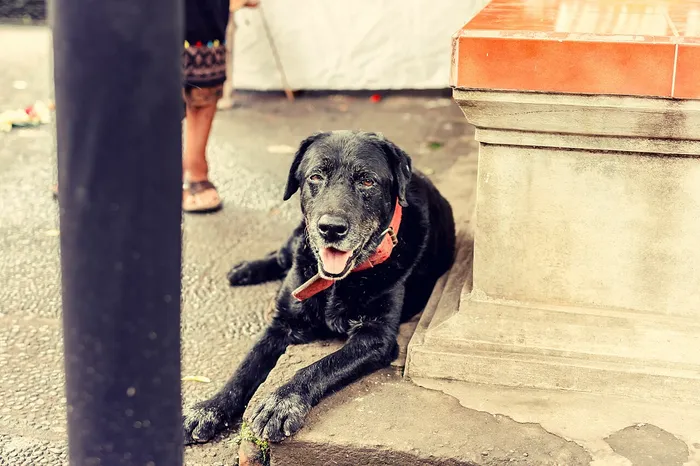
Dogs need social connection, space to rest, suitable exercise, and planned care. Understand the individual animal before making an adoption commitment.
Support this cause from outside Indonesia
If you live outside Indonesia and want to fund work on this issue, you can fund frontline animal rescue with World Animal Rescue Network.
Related site: PanduanHewan’s founder is also a director of World Animal Rescue Network. PanduanHewan itself does not accept donations, and this invitation is not directed at people in Indonesia. Before giving to any organisation, check how it is registered and how it reports on spending.
An Indonesian organisation working on this cause?
Officially registered organisations (a yayasan or perkumpulan with legal status on AHU, and a PUB permit where they raise money from the public) can contact us to be listed on this cause page free of charge. Every request is checked first, and a listing is not an endorsement.
Sources and references
- Kemenkes: Tingkatkan Kewaspadaan! Kemenkes Imbau Penguatan Pencegahan Rabies (20 Maret 2025) ↗
- Kemenkes: Surat Edaran HK.02.02/C/508/2025 tentang Kewaspadaan terhadap Kasus Rabies ↗
- WHO: Dog rabies control and veterinary vaccines ↗
- Bali Post: 2025, Vaksinasi Rabies HPR di Bali Capai 85,35 Persen (5 Februari 2026) ↗
- ANTARA News Bali: Dinkes Bali sebut 16 korban rabies tewas karena tak dibawa ke faskes pada 2025 (9 Januari 2026) ↗
- Putra AAG et al. (2013) Response to a rabies epidemic, Bali, Indonesia, 2008–2011. Emerging Infectious Diseases 19(4) ↗
- Kompas.com: Pemprov DKI Targetkan Sterilisasi 22.000 Kucing pada 2026 untuk Kendalikan Populasi Liar (8 Juli 2026) ↗
- Gunther I et al. (2022) Reduction of free-roaming cat population requires high-intensity neutering in spatial contiguity to mitigate compensatory effects. PNAS 119(15) ↗
- UU Nomor 1 Tahun 2023 tentang Kitab Undang-Undang Hukum Pidana (KUHP), berlaku 2 Januari 2026 ↗
- WOAH Terrestrial Animal Health Code, Chapter 7.7: Dog population management ↗
- Morters MK et al. (2014) The demography of free-roaming dog populations and applications to disease and population control. Journal of Applied Ecology 51(4) ↗
- WHO: Rabies fact sheet (updated 17 September 2026) ↗
- Dinas Pertanian dan Ketahanan Pangan Provinsi Bali: Vaksinasi Rabies Massal 2025 pada Hewan Penular Rabies (HPR) (29 April 2025) ↗
- Ditjen PKH Kementan: Kementan Perkuat Aksi Bersama Menuju Indonesia Bebas dari Rabies 2030 (27 September 2026) ↗
- Dinas Pertanian dan Ketahanan Pangan Provinsi Bali: Stronger Together, Bali Perkuat Kolaborasi Menuju Bebas Rabies (28 September 2026) ↗
- Kemenkes (UPK Kemenkes): KLB Rabies Terjadi di Indonesia (2023) ↗
- Townsend SE et al. (2013) Designing programs for eliminating canine rabies from islands: Bali, Indonesia as a case study. PLoS Neglected Tropical Diseases 7(8) ↗
- Peraturan Menteri Pertanian Nomor 32 Tahun 2025 tentang Penyelenggaraan Kesejahteraan Hewan (berlaku 4 Desember 2025) ↗
- Perda Kabupaten Badung Nomor 3 Tahun 2026 tentang Pelindungan dan Penertiban Hewan Penular Rabies (berlaku 6 Februari 2026) ↗
- Levy JK, Gale DW, Gale LA (2003) Evaluation of the effect of a long-term trap-neuter-return and adoption program on a free-roaming cat population. JAVMA 222(1) ↗
- Foley P et al. (2005) Analysis of the impact of trap-neuter-return programs on populations of feral cats. JAVMA 227(11) ↗
- Smith LM et al. (2019) The Effectiveness of Dog Population Management: A Systematic Review. Animals 9(12):1020 ↗
- Reece JF, Chawla SK (2006) Control of rabies in Jaipur, India, by the sterilisation and vaccination of neighbourhood dogs. Veterinary Record 159(12) ↗
- Totton SC et al. (2010) Stray dog population demographics in Jodhpur, India following a population control/rabies vaccination program. Preventive Veterinary Medicine 97(1) ↗
- Longcore T, Rich C, Sullivan LM (2009) Critical assessment of claims regarding management of feral cats by trap-neuter-return. Conservation Biology 23(4) ↗
- Pemkot Depok (berita.depok.go.id): DKP3 Depok Buka Sterilisasi Kucing Gratis, Kuota Terbatas (30 Juni 2026) ↗
- DKPKP DKI Jakarta: Layanan Sterilisasi Kucing ↗
- Haryo A, Untari H (2025) Veterinary-led interventions and owner perceptions of male cat sterilization: insights from a community-based initiative in Malang, Indonesia. Veterinary World 18(7) ↗
- Peraturan Gubernur DKI Jakarta Nomor 199 Tahun 2016 tentang Pengendalian Hewan Penular Rabies (diubah dengan Pergub 36/2025) ↗
- Peraturan Gubernur Nusa Tenggara Timur Nomor 34 Tahun 2024 tentang Penanggulangan Rabies (19 Juli 2024) ↗
- CNN Indonesia: Pria Semarang Ditangkap Polisi Gegara Buang Kucing di Jembatan (25 Juni 2026) ↗
- detikNews: Pemprov DKI Perluas Program 'Traktir Kucing', Kini Ada di Pasar Santa (1 Juli 2026) ↗
- JDIH BPK: UU No. 1 Tahun 2023 tentang Kitab Undang-Undang Hukum Pidana (metadata) ↗
- UU Nomor 41 Tahun 2014 tentang Perubahan atas UU Nomor 18 Tahun 2009 tentang Peternakan dan Kesehatan Hewan ↗
- JDIH BPK: UU No. 1 Tahun 2026 tentang Penyesuaian Pidana (metadata) ↗
- UU Nomor 1 Tahun 2026 tentang Penyesuaian Pidana (berlaku 2 Januari 2026) ↗
- ANTARA: Tendang kucing hingga mati di Lapangan Kridosono, pria 60 tahun di Blora jadi tersangka (13 Februari 2026) ↗
- Permen LHK P.106/MENLHK/SETJEN/KUM.1/12/2018 tentang Jenis Tumbuhan dan Satwa yang Dilindungi (lampiran) ↗
- Polri: Call Center 110 ↗
- Ditjen AHU Kementerian Hukum: Pencarian Yayasan (AHU Online) ↗
- Kementerian Sosial: Cek Program UGB/PUB (SIMUGBPUB) ↗
Checked 2026-10-01. Facts, figures and rules can change; check the date on the original source. Report errors through the corrections page. Send a correction