Quick answer
The issue in brief
Travelling dolphin shows have ended in Indonesia: permits for displays outside licensed conservation institutions were not renewed, and the last expired on 5 February 2020. Shows and swim-with pools at licensed facilities are still allowed, but bottlenose dolphins and the Mahakam Irrawaddy dolphin are protected species under Regulation P.106/2018. In Bali, the better choice is to watch wild dolphins from a boat that keeps its distance, and to report unlicensed attractions to the BKSDA.
- Last travelling-show permits expired
- 5 February 2020; not renewable source ↗
- Bottlenose dolphins in Regulation P.106/2018
- Listed: Tursiops aduncus (no. 48) and Tursiops truncatus (no. 49) source ↗
- Transport stress
- Cortisol rose and immune-cell function fell during a 6-hour truck journey (2007 study) source ↗
- Former captive dolphins released
- 3 dolphins, at Gilimanuk, Bali, on 3 September 2022, after sea-pen rehabilitation from 2019 source ↗
- Minimum watching distance at Lovina
- 50 metres from a dolphin group (local guides' agreement) source ↗
- Mahakam Irrawaddy dolphin population
- About 66 (Ministry of Environment statement, February 2026) source ↗
- Main cause of Mahakam dolphin deaths
- 66% of deaths with a known cause were gillnet entanglement (1995–2013) source ↗
Are travelling dolphin shows banned in Indonesia?
In practice, yes. On 6 February 2020 the Ministry of Environment and Forestry (KLHK) announced in press release SP.041/HUMAS/PP/HMS.3/02/2020 that dolphin displays outside licensed conservation institutions (lembaga konservasi, LK) had stopped. This followed an agreement with travelling-display permit holders signed on 12 July 2018 and letter S.989/KKH/AJ/KSA.2/9/2018 of 10 September 2018 from the Director of Biodiversity Conservation. The remaining travelling permits expired on 5 February 2020 and could not be renewed.
The press release states that a travelling display held after its permit has expired breaks the rules. In April 2021 the ministry's head of public relations confirmed that travelling displays had officially ended on 6 February 2020, and in June 2021 the Director of Biodiversity Conservation said that touring displays no longer exist.
This is not a ban on keeping or showing dolphins. A ministry official said licensed institutions may still display animals at their own site, and the 2019 regulation on conservation institutions (P.22/MENLHK/SETJEN/KUM.1/5/2019) still allows off-site displays under a permit; what changed is that such permits are no longer granted for dolphins. Dolphins from travelling shows were not automatically released, because legally they remain in licensed collections.
Evidence: Kementerian LHK — Siaran Pers SP.041/HUMAS/PP/HMS.3/02/2020 (poin 4) ↗ · Kompas.com — Tempat Wisata di Luar Lembaga Konservasi Dilarang Sajikan Atraksi Lumba-lumba (17 April 2021) ↗ · Republika — KLHK: Peragaan Lumba-Lumba Keliling tidak Boleh Lagi (Juni 2021) ↗ · Surya Malang (Tribun) — penjelasan Kasubdit Pengawetan Jenis KLHK tentang peragaan lumba-lumba (7 Februari 2020) ↗ · Permen LHK P.22/MENLHK/SETJEN/KUM.1/5/2019 tentang Lembaga Konservasi, Pasal 59 (JDIH BPK) ↗
How did dolphin shows develop in Indonesia, and how did the travelling circus end?
Cetacean shows in Indonesia go back decades. Between 1975 and 1988, 28 Mahakam Irrawaddy dolphins (pesut) were caught in the Mahakam River and taken to Jakarta for display; the first pesut show was held on 19 May 1978. A history study from Mulawarman University records that this effort failed because the dolphins did not breed well and the species was later protected by law.
In 2012 at least five companies ran commercial dolphin circuses, and the Forestry Ministry's conservation directorate (PHKA) said they broke no rules if they met animal-welfare requirements. In mid-2013 a PHKA circular told BKSDA offices not to issue transport documents for dolphins, ending shows in Yogyakarta. Guidelines for dolphin displays followed in PHKA Regulation P.16/IV/SET/2014.
Travelling circuses continued for several more years: one ran in Pontianak from 15 February to 18 March 2018, and in June 2019 another performed in Medan, where the head of the North Sumatra BBKSDA said the permit came from Jakarta rather than his office. The July 2018 agreement and the expiry of the last permits on 5 February 2020 ended the era.
Evidence: Kompas.com — Pesut Mahakam Pernah Dibawa ke Jakarta untuk Atraksi Pertunjukan (17 September 2020) ↗ · Nur, Azmi & Abidin (2021), Langgong: Jurnal Ilmu Sosial dan Humaniora 1(2): Sejarah konservasi pesut mahakam di Desa Pela 1970–2020 ↗ · Mongabay Indonesia — Pertunjukan Lumba-Lumba Jadi Ajang Menyiksa Binatang (17 Juli 2012) ↗ · Mongabay Indonesia — Dirjen PHKA: Sirkus Lumba-Lumba Tidak Melanggar Undang-Undang (25 Oktober 2012) ↗ · Mongabay Indonesia — Atraksi Lumba-lumba, Pertunjukan yang Kental Eksploitasi Ketimbang Edukasi (19 Februari 2018), jadwal di Pontianak ↗ · Kementerian LHK — Siaran Pers SP.041/HUMAS/PP/HMS.3/02/2020 (rujukan pedoman) ↗ · VOA Indonesia — Diduga Dieksploitasi, Sirkus Lumba-lumba di Medan Dikecam Keras (Juni 2019) ↗
Are dolphin shows cruel? What the research says
For travelling circuses, the biggest risk was the journey. In a 2007 study, four bottlenose dolphins were moved for six hours by truck; their cortisol (a stress hormone) rose significantly while white blood cell counts and immune-cell function fell. The authors concluded that handling and transport are stressful for dolphins and can impair their immune system.
A Bali study published in 2024 observed bottlenose dolphins in a pool facility and wild dolphins at Lovina for four weeks each. The wild dolphins showed no signs of stress; the pool dolphins also showed abnormal and repetitive behaviours, which the authors linked to limited social contact with other dolphins, human disturbance and the confined environment.
The science is not black and white. An analysis of US zoological facilities from 1974 to 2012 found bottlenose dolphin survival there is now at least as high as in wild populations with comparable data, but that result does not automatically apply to pools or travelling shows in Indonesia. A 2017 review noted that studies specifically assessing dolphin welfare are still lacking.
Indonesian rules forbid conservation institutions from neglecting animals or managing them without regard to animal welfare, and from displaying animals that are pregnant, sick or abnormal.
Evidence: Noda et al. (2007), Journal of Veterinary Medical Science 69: transportation stress and PMN cell functions of bottlenose dolphins ↗ · Wijaya, Nuarsa & Indrawan (2024), Jurnal Biologi Udayana 28(2): behaviour of captive and wild bottlenose dolphins in Bali ↗ · Jaakkola & Willis (2019), Marine Mammal Science: survival and life expectancy of bottlenose dolphins in zoological facilities vs wild populations ↗ · Clegg, Van Elk & Delfour (2017), Animal Welfare 26(2): Applying welfare science to bottlenose dolphins ↗ · Permen LHK P.22/MENLHK/SETJEN/KUM.1/5/2019 tentang Lembaga Konservasi, Pasal 49 ayat (3) huruf b (JDIH BPK) ↗
Is swimming with dolphins in Bali safe and ethical?
Swim-with and interaction packages put people very close to large, powerful wild animals. A 1995 study of four US swim-with-dolphin programmes found that when trainers did not directly control encounters, high-risk behaviour (aggressive, submissive or sexual) made up a substantial share of dolphin–swimmer interactions.
Close contact carries health risks too. A review of marine mammal zoonoses lists injury and disease transmission as the main risks, and in a survey of 483 marine mammal workers and volunteers, half had been injured by a marine mammal and 23% had had a skin rash or reaction. If you are bitten or scratched, go to a health facility.
Cases in Bali show another side. In August 2019 one of five dolphins died in a hotel pool at Lovina, and the Bali BKSDA moved the other four. A sea pen off Mertasari Beach, Sanur, selling feeding and swim-with packages, was closed on 15 April 2020 for lacking a permit; after a video of a display that ignored animal welfare spread online, the BKSDA evacuated its seven bottlenose dolphins on 27 April 2021.
A licence makes an attraction legal; it does not guarantee welfare. The safer option for you and the dolphins is to watch them in the wild from a boat that keeps its distance.
Evidence: Samuels & Spradlin (1995), Marine Mammal Science 11: Quantitative behavioral study of bottlenose dolphins in swim-with-dolphin programs in the United States ↗ · Waltzek et al. (2012), Zoonoses and Public Health: Marine mammal zoonoses — a review of disease manifestations ↗ · Hunt et al. (2008), Diseases of Aquatic Organisms: Health risks for marine mammal workers ↗ · Kompas.com — Satu Lumba-lumba Mati di Kolam Hotel, BKSDA Bali Relokasi 4 Lainnya (7 Agustus 2019) ↗ · Mongabay Indonesia — Terganjal Izin dan Atraksi (28 April 2021), mengutip siaran pers BKSDA Bali ↗ · Republika — KLHK: Peragaan Lumba-Lumba Keliling tidak Boleh Lagi (keterangan foto evakuasi 27 April 2021) ↗
Are dolphins protected by law in Indonesia?
Yes. The annex to Regulation P.106/MENLHK/SETJEN/KUM.1/12/2018 lists the dolphin family Delphinidae at entries 34 to 49, including the Mahakam Irrawaddy dolphin (Orcaella brevirostris, no. 39), the spinner dolphin (Stenella longirostris, no. 46) and both bottlenose dolphins (Tursiops aduncus, no. 48; Tursiops truncatus, no. 49). Whales and the finless porpoise are listed too.
Article 21(2) of Law No. 5 of 1990, as amended by Law No. 32 of 2024, bans hunting, catching, injuring, killing, keeping, transporting or trading a live protected animal, and displaying one on electronic or other media for profit without a permit. Companies can also be ordered to pay for the animals' rehabilitation, translocation and release.
KKP Decree No. 66 of 2025 on protected fish species, issued on 29 October 2025, also gives full protection to many cetaceans, including the Mahakam Irrawaddy dolphin (entry 16) and the Indo-Pacific bottlenose dolphin (entry 24), at every stage of life.
On cruelty, the new Criminal Code (Law No. 1 of 2023) has applied since 2 January 2026. Article 337 punishes hurting an animal or harming its health excessively or without proper purpose; Article 338 punishes using an animal beyond its natural abilities in ways that can harm or kill it. Article 66A of Law No. 41 of 2014 bans abuse that leaves an animal disabled or unproductive and obliges anyone who knows of it to report it.
Evidence: Permen LHK P.106/MENLHK/SETJEN/KUM.1/12/2018, lampiran: Stenella longirostris (JDIH Kementerian Kehutanan) ↗ · UU No. 32 Tahun 2024, pidana tambahan bagi korporasi (JDIH BPK) ↗ · Keputusan Menteri Kelautan dan Perikanan Nomor 66 Tahun 2025, diktum KETIGA (JDIH KKP) ↗ · UU No. 1 Tahun 2023 tentang KUHP, Pasal 338 ayat (1) huruf a (JDIH BPK) ↗ · UU No. 41 Tahun 2014 tentang Perubahan atas UU No. 18 Tahun 2009, Pasal 66A (JDIH BPK) ↗
How threatened are Indonesia's dolphins? IUCN and CITES status
The Indo-Pacific bottlenose dolphin (Tursiops aduncus) was assessed as Near Threatened on the IUCN Red List in 2019, and IUCN notes it is taken for international trade as a display animal. The spinner dolphin (Stenella longirostris), the species behind dolphin watching in Bali, was assessed as Least Concern in 2018.
The Irrawaddy dolphin (Orcaella brevirostris) has been Endangered globally since 2017. The Mahakam River subpopulation is Critically Endangered, one of four freshwater or brackish subpopulations of the species in that category in the 2025-2 Red List.
Under CITES, all cetaceans are in Appendix II except those in Appendix I, which includes the Mahakam Irrawaddy dolphin; according to KKP, Appendix I animals and their body parts may not be traded. A low global risk, as for the spinner dolphin, does not change its legal status in Indonesia: it is still listed in the annex to Regulation P.106/2018.
Evidence: IUCN Red List — Tursiops aduncus, CITES legislation (data from Species+) ↗ · IUCN Red List — Stenella longirostris (Braulik & Reeves 2018) ↗ · IWC Whale Watching Handbook — Spinner dolphin ↗ · IUCN Red List — Orcaella brevirostris (Minton et al. 2017) ↗ · IUCN SSC Cetacean Specialist Group — Red List status of cetaceans (2025-2 edition) ↗ · KKP Ditjen Pengelolaan Ruang Laut — KKP Dorong Pelindungan Habitat Pesut Mahakam (15 Juli 2022) ↗ · Permen LHK P.106/MENLHK/SETJEN/KUM.1/12/2018, lampiran (JDIH Kementerian Kehutanan) ↗
Can captive dolphins be released back into the sea?
Sometimes, but not always, and it takes time. In one documented case, three male bottlenose dolphins from a conservation institution in Singaraja that had stopped operating were returned to the state. In 2019 the Bali BKSDA moved them to a rehabilitation sea pen in Banyuwedang Bay, in West Bali National Park, and the ministry released them at Gilimanuk on 3 September 2022.
Their food was changed step by step from whole dead fish to live fish, then feeding stopped so that they hunted for themselves. One dolphin could not grip fish and needed artificial tooth crowns. All three carried GPS tags designed to drop off after a year, so they could be tracked by satellite.
Ministerial Regulation No. 17 of 2024 on species rescue defines rehabilitation as restoring an animal's health and behaviour so it can survive and breed after release. IUCN's 2019 guidelines on confiscated animals call for immediate quarantine, then a choice between repatriation, conservation translocation (including reintroduction) and long-term care in captivity. The ministry has also said dolphins from travelling shows are not automatically released, because legally they remain in licensed collections.
Evidence: Kementerian LHK — Siaran Pers SP.252/HUMAS/PPIP/HMS.3/9/2022 (pemantauan) ↗ · Permen LHK No. 17 Tahun 2024 tentang Penyelamatan Jenis Satwa, Pasal 1 angka 9 (JDIH BPK) ↗ · IUCN SSC (2019) — Guidelines for the management of confiscated, live organisms (long-term options) ↗ · Kementerian LHK — Siaran Pers SP.041/HUMAS/PP/HMS.3/02/2020 (poin 4) ↗
Lovina dolphins: is the tour ethical, and how do you watch responsibly?
Dolphin watching at Lovina, in Buleleng Regency, has run since 1987. Dolphins are most often seen from the outrigger boats (jukung) between 6 and 8 a.m., though they can appear at any time and all year round. Around oceanic islands such as Hawaii, spinner dolphins feed offshore at night and rest in sheltered bays by day, and the IWC notes that boats can distract dolphins from resting, socialising and feeding.
Lovina's boat guides have four rules, discussed with KKP and the Buleleng government in 2016: do not cut across the dolphins' path; raise the propeller and switch off the engine when close; keep at least 50 metres away; never feed them. Practice falls short: one researcher recorded the nearest boat at about 10 metres on average, with around 15 boats nearby, and a 2024 drone and hydrophone study found consistent breaches of national and international guidelines.
A February 2024 report described a new swim-with option, with tourists clinging to the outrigger of a moving boat beside the pod; one skipper admitted there were no standard guidelines. The International Whaling Commission (IWC) warns that in-water encounters expose dolphins to human disease, disrupted feeding and rest, and injury from hulls or propellers.
The IWC's core principle is to let the dolphins decide the nature and length of an encounter, so ask operators which guidelines they follow. Lovina's waters lie within the Central Buleleng marine tourism park, reserved for conservation by Buleleng Regent's Decree No. 523/630/HK/2011.
Evidence: Mongabay Indonesia — Mencari Tips Wisata Melihat Lumba-lumba yang Aman di Lovina (kawasan konservasi) ↗ · Westerlaken (2024), Journal of Humanities and Applied Social Sciences: sustainable dolphin-watching tourism in Lovina, Bali ↗ · Mongabay Indonesia — Berenang Bersama Lumba-lumba: Tren Baru Wisata di Bali Utara (5 Februari 2024) ↗ · IWC Whale Watching Handbook — Ways to watch whales and dolphins (in-water interactions) ↗ · IWC Whale Watching Handbook — What is responsible whale watching? (disturbance) ↗ · IWC Whale Watching Handbook — Questions you can ask when booking a tour ↗ · IWC Whale Watching Handbook — Spinner dolphin ↗
How many Mahakam Irrawaddy dolphins are left, and what threatens them?
The Mahakam Irrawaddy dolphin, or pesut, is Indonesia's only freshwater dolphin, living naturally in the Mahakam River in East Kalimantan. Mark–recapture estimates put the population at 89 in 2005 and 92 in 2012. In February 2026 the Ministry of Environment said about 66 remained. A KKP survey on 6–14 April 2026 recorded 18 sightings totalling 82 individuals, still to be checked by photo-identification.
The main threat today is a busier river, not capture for shows. Of 71 deaths with a known cause in 1995–2013, 66% were gillnet entanglements and 10% boat strikes. On 5 November 2025 a male born in July 2022 was found dead in a villager's fish cage. In February 2026 the Environment Minister said he would review coal-barge traffic in the smaller rivers that form the dolphins' core habitat.
Part of the habitat is protected by KKP Decree No. 49 of 2022, which created a 42,667.99-hectare conservation area in three zones on the upper Mahakam in Kutai Kartanegara. A joint patrol on 1–2 August 2024 still found fishermen electrocuting fish there with a generator. Pesut are best seen only in the wild: attempts to keep them in Jakarta in the 1970s and 1980s failed because they did not breed well.
Evidence: KKP Ditjen Pengelolaan Ruang Laut — KKP Dorong Pelindungan Habitat Pesut Mahakam (15 Juli 2022) ↗ · IUCN SSC Cetacean Specialist Group — Irrawaddy dolphins (pesut) in Indonesia's Mahakam River (causes of death) ↗ · CNN Indonesia — Pesut Mahakam Tinggal 66 Ekor, KLH Siapkan Penyelamatan Darurat (8 Februari 2026) ↗ · PPID KKP Balai Pengelolaan Kelautan Pontianak — Survey Populasi Pesut Mahakam dan Kualitas Air (21 April 2026) ↗ · Kompas.com — Pesut Mahakam Sisa 66 Ekor (pernyataan Menteri LH) ↗ · DKP Provinsi Kalimantan Timur — Giat Patroli Kawasan Konservasi (temuan patroli) ↗ · Kaltimtoday — KKP RI Tetapkan Kawasan Konservasi Pesut Mahakam Seluas 42 Ribu Hektar di Kukar (8 September 2022) ↗ · Kompas.com — Pesut Mahakam Pernah Dibawa ke Jakarta untuk Atraksi Pertunjukan (17 September 2020) ↗ · Nur, Azmi & Abidin (2021), Langgong: Jurnal Ilmu Sosial dan Humaniora 1(2): Sejarah konservasi pesut mahakam di Desa Pela 1970–2020 ↗
Where do you report an illegal dolphin show or dolphin cruelty in Indonesia?
If you see a travelling dolphin show, or a pool or sea pen that seems unlicensed, report it to the local BKSDA call centre, the route the government has recommended since travelling permits ended in 2020. Forestry-law offences, including keeping or trading protected animals, can also be reported online, with evidence, to the Gakkum Kehutanan complaints service. For crimes or emergencies, call the police on 110.
For dolphins at sea, for example caught in nets or hauled on board, contact KKP on 141. In January 2022, after a video of dead dolphins on a fishing boat at Pacitan spread online, KKP's rapid response team worked with the local police and fisheries inspectors to follow it up. Stranded dolphins and whales have their own emergency guide.
Public reports matter: in 2021 social-media input was one of the grounds on which the Bali BKSDA evacuated seven dolphins from a sea pen in Sanur. Include the date, the location, and photos or video taken from a public place without approaching the animals. Law No. 41 of 2014 obliges anyone who knows of animal abuse to report it.
Evidence: Mongabay Indonesia — Nasib Lima Lumba-lumba Ditengah Wabah Corona (17 Mei 2020), mengutip tanggapan Dirjen KSDAE ↗ · Gakkum Kehutanan — Pengaduan Penegakan Hukum Kehutanan ↗ · Polri — Call Center 110 ↗ · PPID KKP Balai Pengelolaan Kelautan Pontianak — kontak (Call Center KKP) ↗ · KKP — Kawanan Lumba-Lumba Terjaring Kapal Nelayan, KKP Tegaskan Larangan Eksploitasi Mamalia Laut (10 Januari 2022) ↗ · Mongabay Indonesia — Terganjal Izin dan Atraksi, Tujuh Lumba-lumba Direlokasi dari Keramba ke Kolam (28 April 2021), mengutip siaran pers BKSDA Bali ↗ · UU No. 41 Tahun 2014, Pasal 66A ayat (2) (JDIH BPK) ↗
Timeline
- 1978-05 Mahakam Irrawaddy dolphins caught in the Mahakam River are put on public show in Jakarta for the first time. source ↗
- 2012-10 The Forestry Ministry's PHKA directorate says dolphin circuses do not break the rules as long as they meet animal-welfare requirements. source ↗
- 2013 A PHKA circular bars BKSDA offices from issuing dolphin transport documents; shows in Yogyakarta stop. source ↗
- 2018-07 The ministry and travelling-display permit holders sign an agreement to end dolphin displays outside conservation institutions (12 July). source ↗
- 2019-06 A travelling dolphin circus performs in Medan under a permit issued in Jakarta. source ↗
- 2019-08 A dolphin dies in a hotel pool at Lovina; the Bali BKSDA begins moving the survivors. source ↗
- 2020-02 The last travelling-display permits expire on 5 February; the ministry announces the end of dolphin displays outside conservation institutions (SP.041, 6 February). source ↗
- 2020-04 The sea-pen dolphin attraction off Mertasari Beach, Sanur, is closed because it no longer has a permit (15 April). source ↗
- 2021-04 The Bali BKSDA evacuates seven bottlenose dolphins from the Sanur sea pen (27 April). source ↗
- 2022-01 Police in Pacitan name a fishing boat's skipper as a suspect after a video of dead dolphins on board goes viral. source ↗
- 2022-09 The ministry releases three rehabilitated bottlenose dolphins at Gilimanuk, Bali (3 September). source ↗
- 2022 KKP designates the 42,667.99-hectare upper Mahakam conservation area (Decree 49/2022). source ↗
- 2024-08 A patrol in the upper Mahakam conservation area finds electrofishing with a generator (1–2 August). source ↗
- 2025-10 KKP Decree 66/2025 on protected fish species is issued (29 October), giving full protection to pesut and bottlenose dolphins among others. source ↗
- 2026-01 The new Criminal Code (Law 1/2023), including Articles 337 and 338 on animal cruelty, comes into force (2 January). source ↗
- 2026-02 The Ministry of Environment says about 66 Mahakam Irrawaddy dolphins remain and prepares emergency measures. source ↗
- 2026-04 A KKP survey of the upper Mahakam records 18 sightings totalling 82 pesut, pending photo-identification. source ↗
How to help
- Do not buy tickets for travelling dolphin shows, paid photos with dolphins, or riding and swim-with packages in pools or sea pens.
- To see dolphins at Lovina or elsewhere, choose an operator that stays at least 50 metres away, switches off the engine when close, never cuts across the dolphins' path, never chases and never feeds them. Ask which guidelines they follow, and skip swim-with add-ons from boats that chase the pod.
- Do not like or share videos of dolphins being ridden, towed or forced to perform. Report the content to the platform and the location to the BKSDA.
- Report suspected unlicensed shows or pools to the local BKSDA or the Gakkum Kehutanan online complaints service; crimes or emergencies to the police on 110; entangled or captured dolphins at sea to KKP on 141.
- If you find a stranded dolphin or whale, follow the stranded marine animal emergency guide and do not handle the animal.
- PanduanHewan does not take donations. Before giving or volunteering elsewhere, use this site's "how to check an appeal" checklist: the organisation should be registered, open about its spending, working under a BKSDA or KKP permit, and not selling hands-on contact with dolphins.
- Ethical volunteering means no holding, feeding or swimming with dolphins: look for education work, surveys that follow the guidelines, or beach clean-ups.
- For the pesut: do not buy fish caught by electrofishing or poison, and support dolphin-safe fishing gear on the Mahakam.
Common questions
Are there still dolphin shows in Indonesia?
Yes, but only at licensed conservation institutions' own sites. Travelling shows stopped in February 2020 and are no longer licensed.
Source: Surya Malang (Tribun) — penjelasan Kasubdit Pengawetan Jenis KLHK (7 Februari 2020) ↗
How long do dolphins live in captivity?
The best data come from US zoological facilities: a mean life expectancy of about 28 years and a median of about 29, at least as high as comparable wild populations. Those figures do not apply to pools or shows in Indonesia.
Is it illegal to catch or keep dolphins in Indonesia?
Not without a permit. Law 5/1990, as amended by Law 32/2024, bans catching, keeping, transporting or trading protected animals, including the dolphins listed in Regulation P.106/2018, and KKP says all exploitation of protected marine mammals is strictly prohibited.
Source: UU No. 32 Tahun 2024, Pasal 21 ayat (2) huruf a (JDIH BPK) ↗ · KKP — Kawanan Lumba-Lumba Terjaring Kapal Nelayan, KKP Tegaskan Larangan Eksploitasi Mamalia Laut (10 Januari 2022) ↗
Is swimming with wild dolphins at Lovina ethical?
It is risky. The IWC says in-water encounters carry significant risks for dolphins and people, and Lovina has no standard guidance for swimming from boats. Watching from a boat 50 metres away is the better choice.
Source: IWC Whale Watching Handbook — Ways to watch whales and dolphins (in-water interactions) ↗ · Mongabay Indonesia — Berenang Bersama Lumba-lumba: Tren Baru Wisata di Bali Utara (5 Februari 2024) ↗
Are captive dolphins happy?
There is no simple answer, because dolphin welfare research is still scarce. A 2024 Bali study found pool-kept dolphins showed abnormal, repetitive behaviours not seen in wild dolphins at Lovina.
Source: Clegg, Van Elk & Delfour (2017), Animal Welfare 26(2): Applying welfare science to bottlenose dolphins ↗ · Wijaya, Nuarsa & Indrawan (2024), Jurnal Biologi Udayana 28(2): behaviour of captive and wild bottlenose dolphins in Bali ↗
Is the Mahakam Irrawaddy dolphin extinct?
No, but it is in grave danger. In February 2026 the government estimated about 66 remained, and the Mahakam subpopulation is Critically Endangered on the IUCN Red List.
Source: CNN Indonesia — Pesut Mahakam Tinggal 66 Ekor, KLH Siapkan Penyelamatan Darurat (8 Februari 2026) ↗ · IUCN SSC Cetacean Specialist Group — Red List status of cetaceans (2025-2 edition) ↗
Animals involved
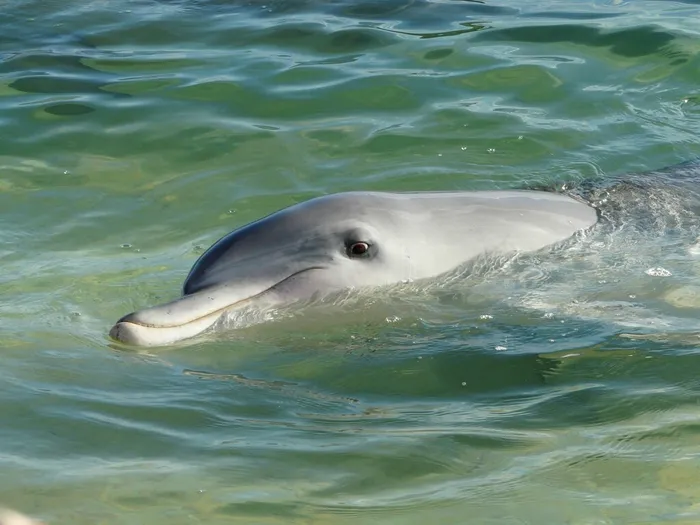
The Indo-Pacific bottlenose dolphin (Tursiops aduncus) is a coastal dolphin with a spotted belly that is fully protected in Indonesia.
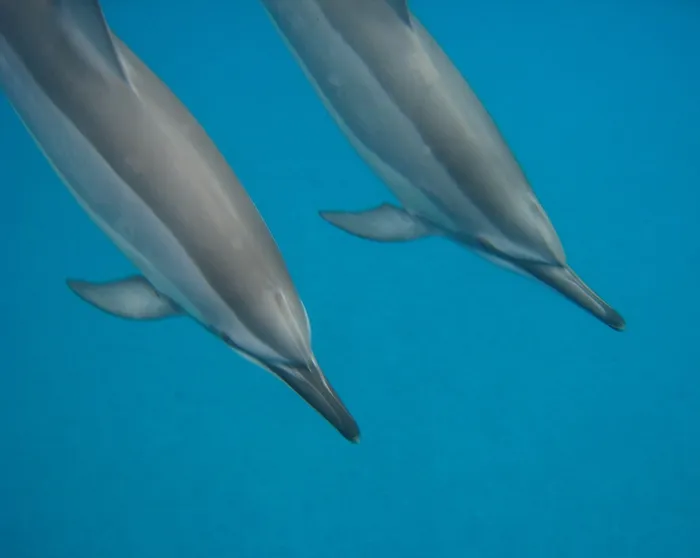
Spinner Dolphin (Stenella longirostris). Spinner dolphins are known for rotating leaps, but each leap need not have the same function; vessel encounters should maintain distance.
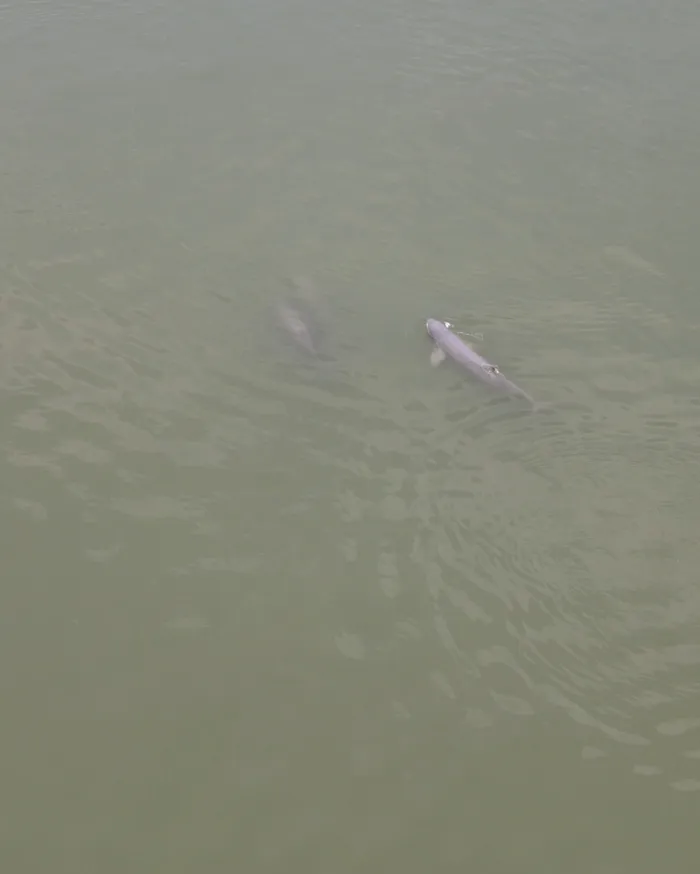
A profile of the Mahakam River dolphin population, rather than all Irrawaddy dolphins worldwide. Its future is connected to fish, wetlands, river traffic, and local livelihoods.
Support this cause from outside Indonesia
If you live outside Indonesia and want to fund work on this issue, you can fund frontline animal rescue with World Animal Rescue Network.
Related site: PanduanHewan’s founder is also a director of World Animal Rescue Network. PanduanHewan itself does not accept donations, and this invitation is not directed at people in Indonesia. Before giving to any organisation, check how it is registered and how it reports on spending.
An Indonesian organisation working on this cause?
Officially registered organisations (a yayasan or perkumpulan with legal status on AHU, and a PUB permit where they raise money from the public) can contact us to be listed on this cause page free of charge. Every request is checked first, and a listing is not an endorsement.
Sources and references
- Kementerian LHK — Siaran Pers SP.041/HUMAS/PP/HMS.3/02/2020 ↗
- Permen LHK P.106/MENLHK/SETJEN/KUM.1/12/2018, lampiran (JDIH Kementerian Kehutanan) ↗
- Noda et al. (2007), Journal of Veterinary Medical Science 69: transportation stress and PMN cell functions of bottlenose dolphins ↗
- Kementerian LHK — Siaran Pers SP.252/HUMAS/PPIP/HMS.3/9/2022 ↗
- Mongabay Indonesia — Mencari Tips Wisata Melihat Lumba-lumba yang Aman di Lovina (kawasan konservasi) ↗
- CNN Indonesia — Pesut Mahakam Tinggal 66 Ekor, KLH Siapkan Penyelamatan Darurat (8 Februari 2026) ↗
- IUCN SSC Cetacean Specialist Group — Irrawaddy dolphins (pesut) in Indonesia's Mahakam River (causes of death) ↗
- Kompas.com — Tempat Wisata di Luar Lembaga Konservasi Dilarang Sajikan Atraksi Lumba-lumba (17 April 2021) ↗
- Republika — KLHK: Peragaan Lumba-Lumba Keliling tidak Boleh Lagi (keterangan foto) ↗
- Surya Malang (Tribun) — penjelasan Kasubdit Pengawetan Jenis KLHK (7 Februari 2020) ↗
- Permen LHK P.22/MENLHK/SETJEN/KUM.1/5/2019 tentang Lembaga Konservasi, Pasal 49 ayat (3) huruf b (JDIH BPK) ↗
- Kompas.com — Pesut Mahakam Pernah Dibawa ke Jakarta untuk Atraksi Pertunjukan (17 September 2020) ↗
- Nur, Azmi & Abidin (2021), Langgong: Jurnal Ilmu Sosial dan Humaniora 1(2): Sejarah konservasi pesut mahakam di Desa Pela 1970–2020 ↗
- Mongabay Indonesia — Pertunjukan Lumba-Lumba Jadi Ajang Menyiksa Binatang (17 Juli 2012) ↗
- Mongabay Indonesia — Dirjen PHKA: Sirkus Lumba-Lumba Tidak Melanggar Undang-Undang (25 Oktober 2012) ↗
- Mongabay Indonesia — Atraksi Lumba-lumba, Pertunjukan yang Kental Eksploitasi Ketimbang Edukasi (19 Februari 2018) ↗
- VOA Indonesia — Diduga Dieksploitasi, Sirkus Lumba-lumba di Medan Dikecam Keras (Juni 2019) ↗
- Wijaya, Nuarsa & Indrawan (2024), Jurnal Biologi Udayana 28(2): behaviour of captive and wild bottlenose dolphins in Bali ↗
- Jaakkola & Willis (2019), Marine Mammal Science: survival and life expectancy of bottlenose dolphins in zoological facilities vs wild populations ↗
- Clegg, Van Elk & Delfour (2017), Animal Welfare 26(2): Applying welfare science to bottlenose dolphins ↗
- Samuels & Spradlin (1995), Marine Mammal Science 11: Quantitative behavioral study of bottlenose dolphins in swim-with-dolphin programs in the United States ↗
- Waltzek et al. (2012), Zoonoses and Public Health: Marine mammal zoonoses — a review of disease manifestations ↗
- Hunt et al. (2008), Diseases of Aquatic Organisms: Health risks for marine mammal workers ↗
- Kompas.com — Satu Lumba-lumba Mati di Kolam Hotel, BKSDA Bali Relokasi 4 Lainnya (7 Agustus 2019) ↗
- Mongabay Indonesia — Terganjal Izin dan Atraksi, Tujuh Lumba-lumba Direlokasi dari Keramba ke Kolam (28 April 2021) ↗
- UU No. 32 Tahun 2024, Pasal 21 ayat (2) huruf a (JDIH BPK) ↗
- Keputusan Menteri Kelautan dan Perikanan Nomor 66 Tahun 2025 (JDIH KKP) ↗
- UU No. 1 Tahun 2023 tentang KUHP — data peraturan (JDIH BPK) ↗
- UU No. 41 Tahun 2014, Pasal 66A ayat (2) (JDIH BPK) ↗
- IUCN Red List — Tursiops aduncus, CITES legislation (data from Species+) ↗
- IUCN Red List — Stenella longirostris (Braulik & Reeves 2018) ↗
- IWC Whale Watching Handbook — Spinner dolphin ↗
- IUCN Red List — Orcaella brevirostris (Minton et al. 2017) ↗
- IUCN SSC Cetacean Specialist Group — Red List status of cetaceans (2025-2 edition) ↗
- KKP Ditjen Pengelolaan Ruang Laut — KKP Dorong Pelindungan Habitat Pesut Mahakam (15 Juli 2022) ↗
- Permen LHK No. 17 Tahun 2024 tentang Penyelamatan Jenis Satwa, Pasal 1 angka 9 (JDIH BPK) ↗
- IUCN SSC (2019) — Guidelines for the management of confiscated, live organisms (long-term options) ↗
- Westerlaken (2024), Journal of Humanities and Applied Social Sciences: sustainable dolphin-watching tourism in Lovina, Bali ↗
- Mongabay Indonesia — Berenang Bersama Lumba-lumba: Tren Baru Wisata di Bali Utara (5 Februari 2024) ↗
- IWC Whale Watching Handbook — Ways to watch whales and dolphins (in-water interactions) ↗
- IWC Whale Watching Handbook — What is responsible whale watching? (disturbance) ↗
- IWC Whale Watching Handbook — Questions you can ask when booking a tour ↗
- PPID KKP Balai Pengelolaan Kelautan Pontianak — Survey Populasi Pesut Mahakam dan Kualitas Air (21 April 2026) ↗
- Kompas.com — Pesut Mahakam Sisa 66 Ekor (pernyataan Menteri LH) ↗
- DKP Provinsi Kalimantan Timur — Giat Patroli Kawasan Konservasi di Perairan Mahakam Wilayah Hulu (3 Agustus 2024) ↗
- Kaltimtoday — KKP RI Tetapkan Kawasan Konservasi Pesut Mahakam Seluas 42 Ribu Hektar di Kukar (8 September 2022) ↗
- Mongabay Indonesia — Nasib Lima Lumba-lumba Ditengah Wabah Corona (17 Mei 2020), mengutip tanggapan Dirjen KSDAE ↗
- Gakkum Kehutanan — Pengaduan Penegakan Hukum Kehutanan ↗
- Polri — Call Center 110 ↗
- KKP — Kawanan Lumba-Lumba Terjaring Kapal Nelayan, KKP Tegaskan Larangan Eksploitasi Mamalia Laut (10 Januari 2022) ↗
- Mongabay Indonesia — Seekor Lumba-lumba Mati di Kolam Hotel, Dua Ekor Sudah Dievakuasi (7 Agustus 2019) ↗
- detikJatim — Cerita Lengkap Lumba-lumba Viral Terjaring Nelayan Hingga Berujung Pidana (Januari 2022) ↗
Checked 2026-10-01. Facts, figures and rules can change; check the date on the original source. Report errors through the corrections page. Send a correction