Periplaneta americana
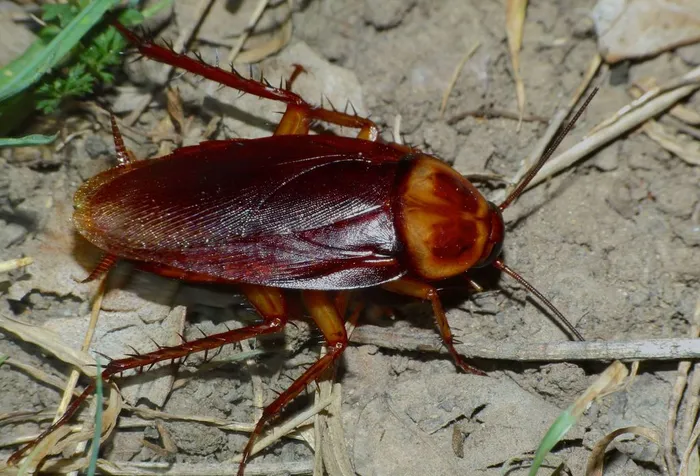
The American cockroach (Periplaneta americana) is a large reddish-brown cockroach of drains and buildings that can carry disease-causing bacteria.
PANDUANHEWAN · INDONESIA
82 animals recorded in Sulawesi in this guide, including the Lowland anoa, Sulawesi babirusa and Maleo, with scientific names, IUCN status (18 threatened) and sources.
PanduanHewan has 82 animal guides recorded in Sulawesi: 44 birds, 19 mammals, 11 marine animals, 5 invertebrates and 3 reptiles. 18 of them are threatened on the IUCN Red List.
This list uses the ranges named in each guide and place labels in a GBIF observation sample. It means an animal has been recorded in Sulawesi; it is not proof of endemism or a complete range map.
The American cockroach (Periplaneta americana) is a large reddish-brown cockroach of drains and buildings that can carry disease-causing bacteria.
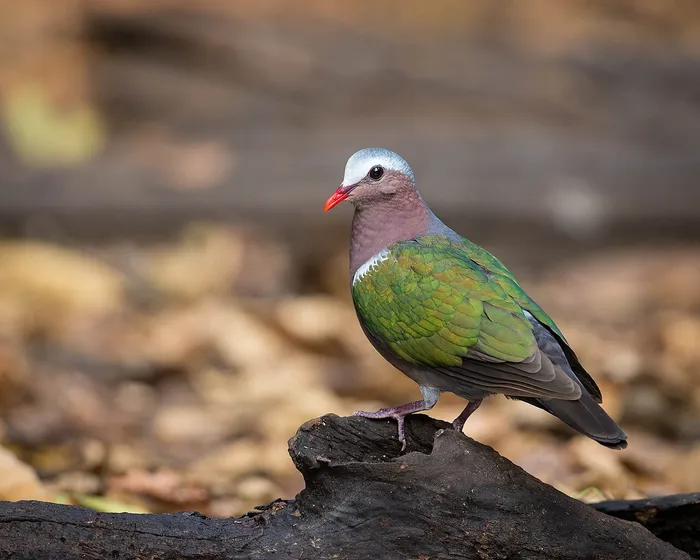
Asian Emerald Dove (Chalcophaps indica). The Asian emerald dove uses tropical forest floor and edges; its iridescent green wings are easier to judge in good light.
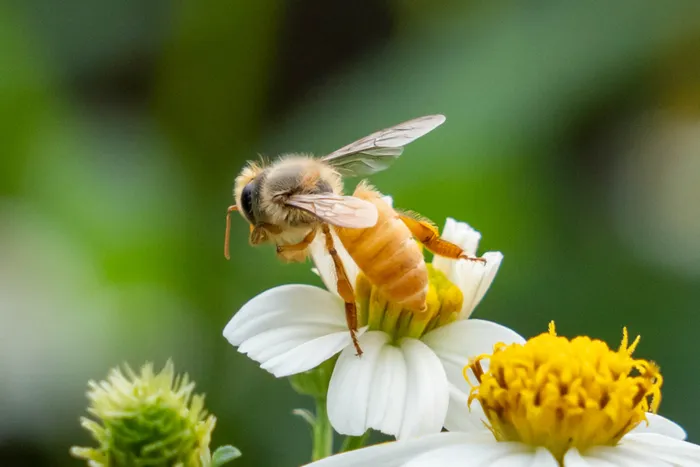
The Asian honey bee (Apis cerana) is a native Indonesian honey bee that nests in cavities, pollinates plants and is kept for honey.
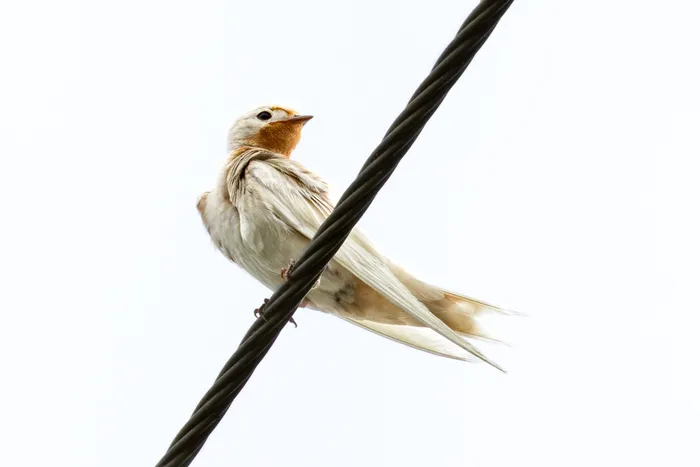
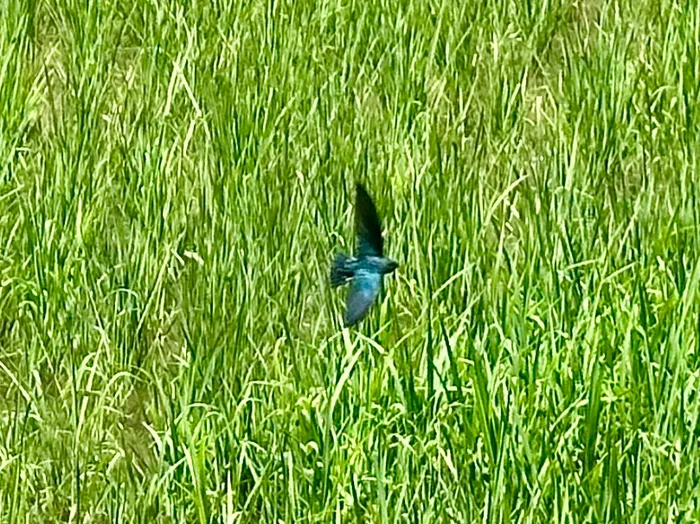
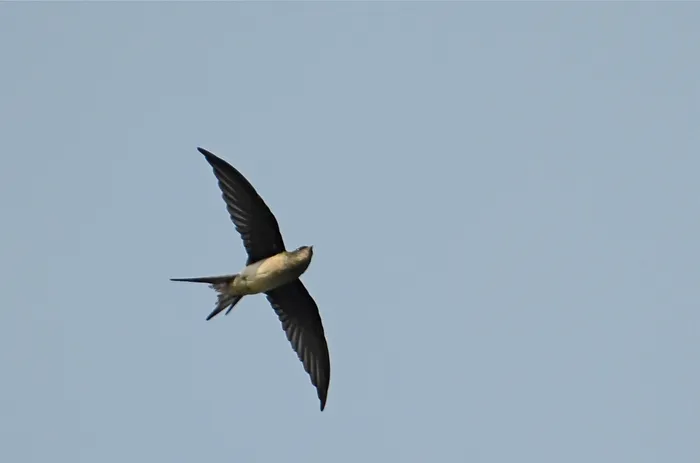
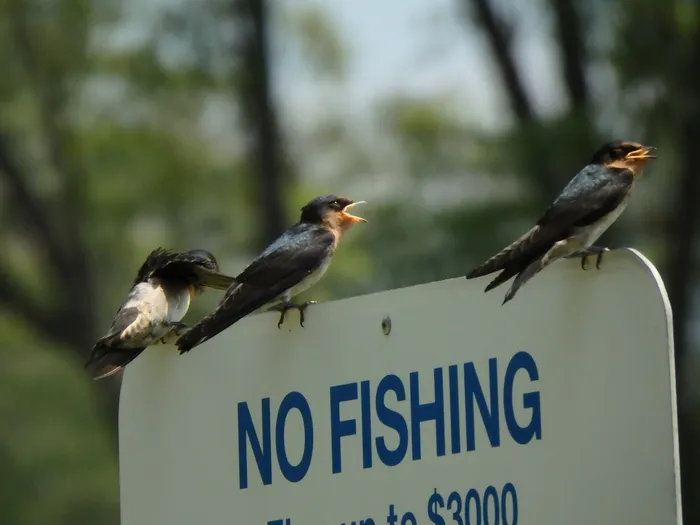
Barn Swallow (Hirundo rustica). The barn swallow has blue upperparts, pointed wings and a deeply forked tail; Indonesian records may include seasonal visitors.
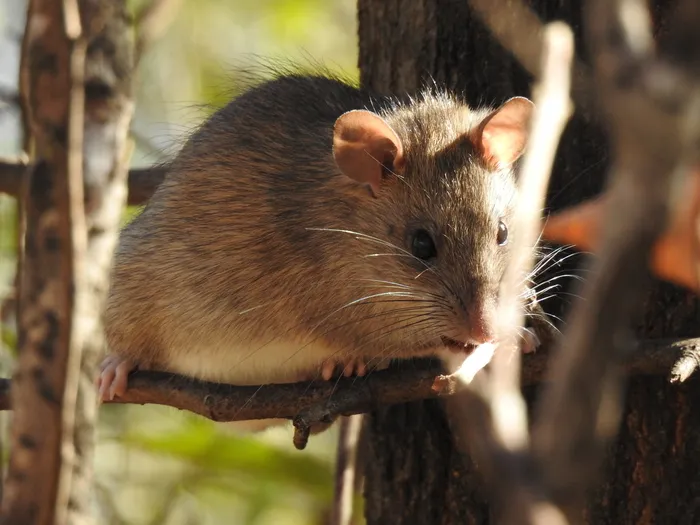
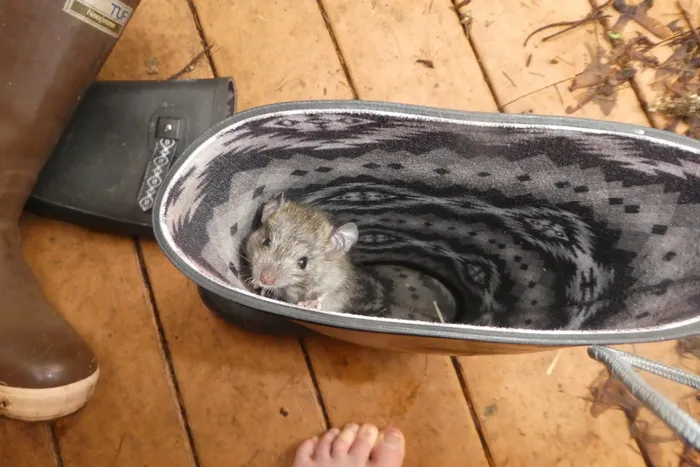
The black rat (Rattus rattus) is a long-tailed climbing rat that nests in ceilings and walls and can spread leptospirosis to people.
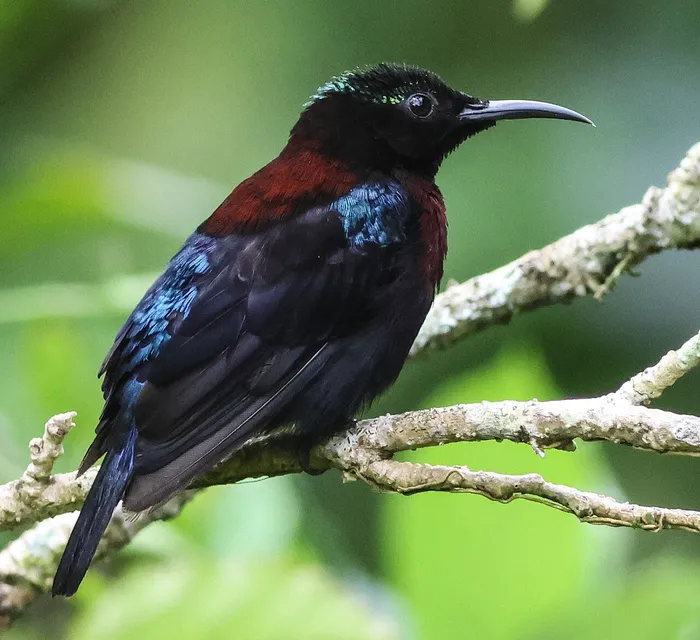
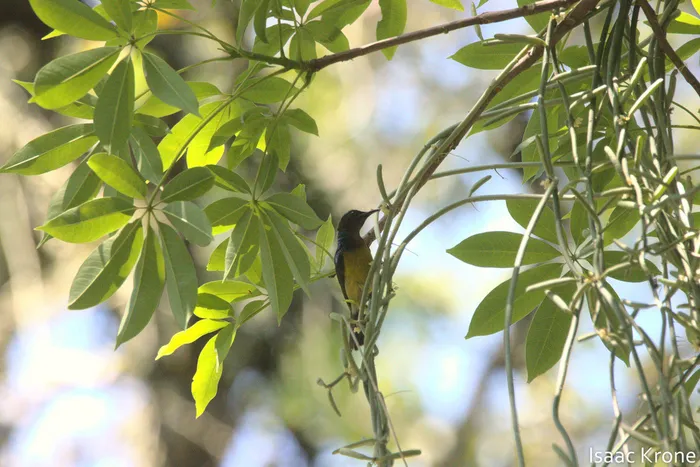
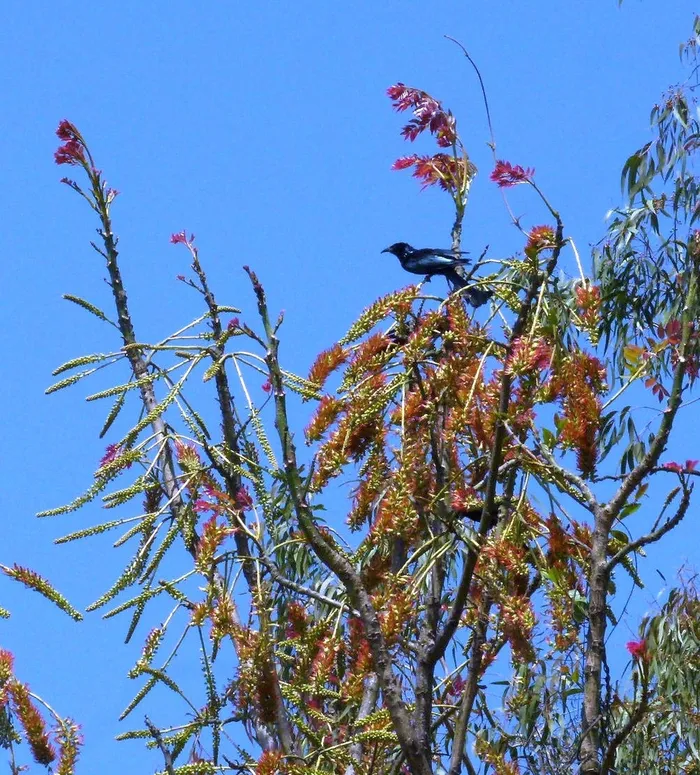
Black Sunbird (Leptocoma sericea). The black sunbird is a nectariniid; its scientific name follows GBIF here, while common names and species limits should be checked against current bird lists.
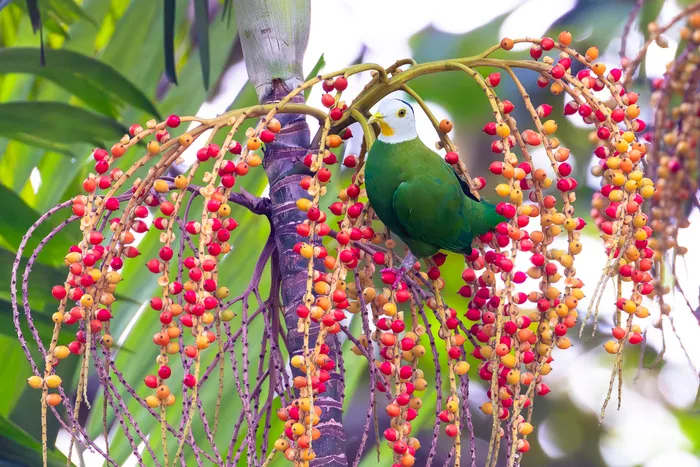
Black-naped Fruit Dove (Ptilinopus melanospilus). Male black-naped fruit-doves have a pale grey head, dark nape and mostly green body; females may look different.
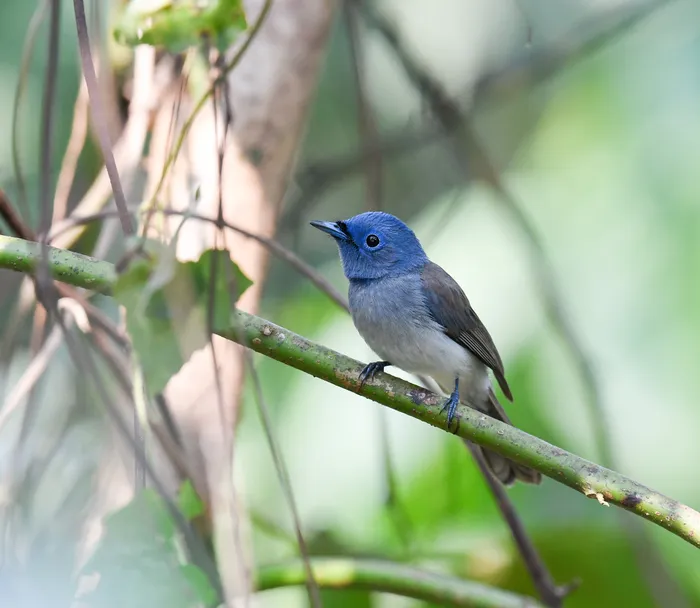
Black-naped Monarch (Hypothymis azurea). The black-naped monarch is a slim, agile flycatcher; sexes differ, and its dark nape band informs the English name.
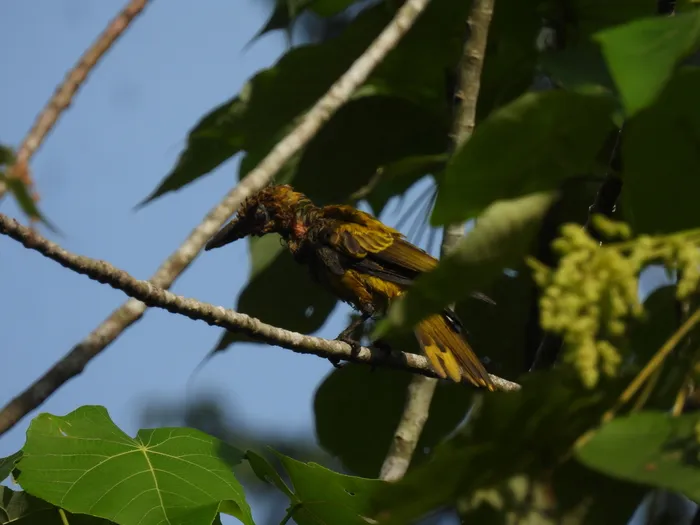
Black-naped Oriole (Oriolus chinensis). The black-naped oriole occupies wooded Asian landscapes; its dark nape pattern and voice help separate it from other yellow birds.
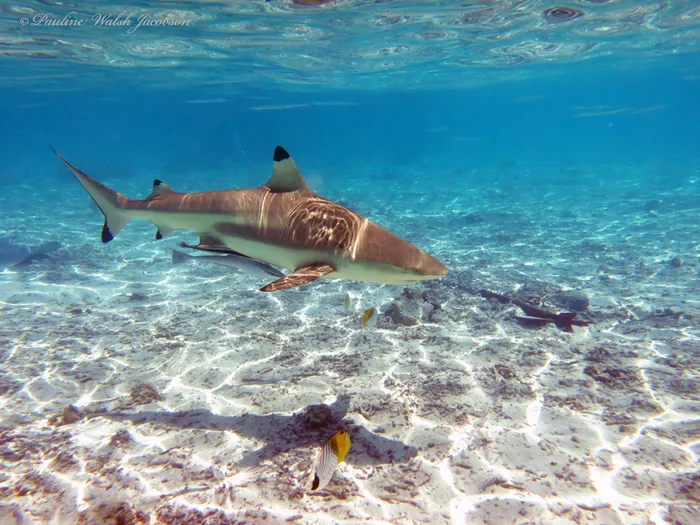
Blacktip Reef Shark (Carcharhinus melanopterus). The blacktip reef shark has dark tips on several fins, especially the first dorsal fin; it differs from the whitetip reef shark.
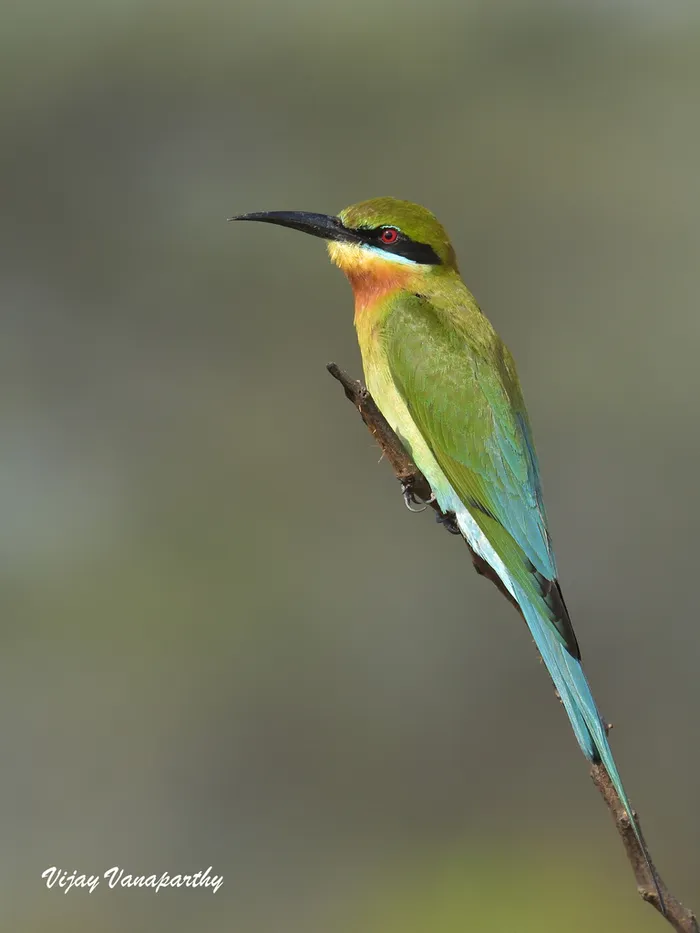
Blue-tailed Bee-eater (Merops philippinus). The blue-tailed bee-eater catches flying insects, and some populations move seasonally; a dated record is more informative than an undated sighting.
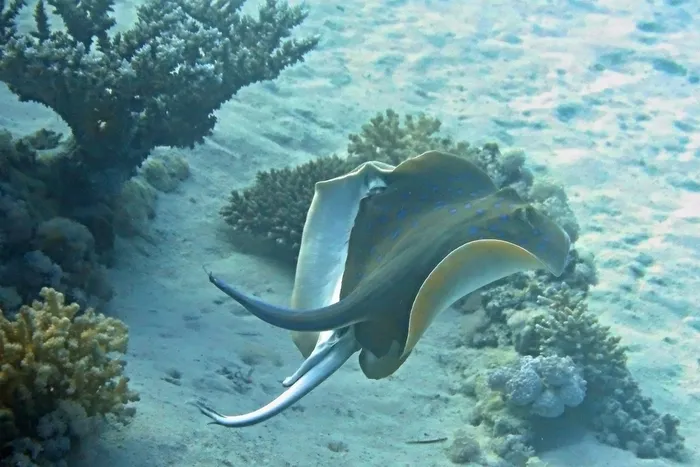
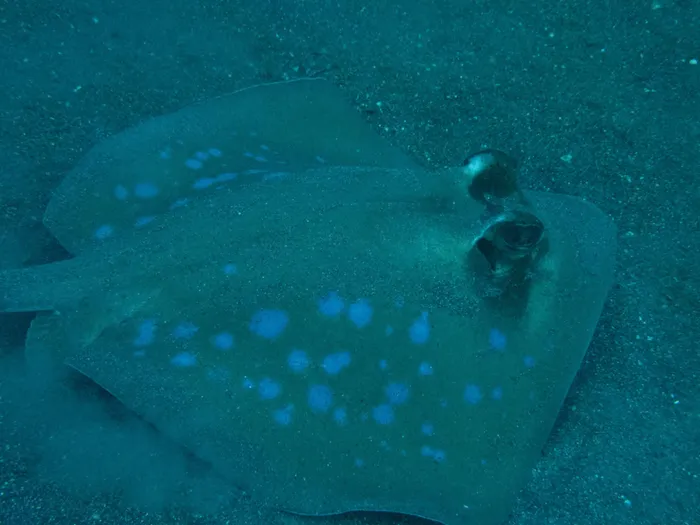
Bluespotted Fantail Ray (Taeniura lymma). The bluespotted fantail ray inhabits Indo-Pacific reefs; blue spots should be checked with disc and tail shape to separate similar maskrays.
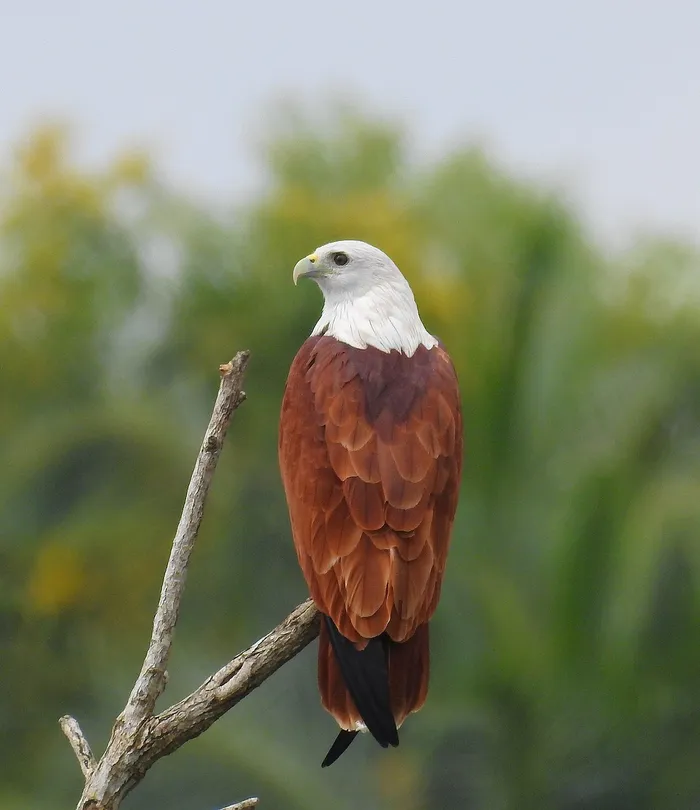
Brahminy Kite (Haliastur indus). The brahminy kite is an accipitrid raptor often associated with coastal landscapes; its pale head and breast contrast with a reddish-brown body.
The brown rat (Rattus norvegicus) is a large burrowing rat of drains, settlements and ports, and one of the animals that spread leptospirosis.
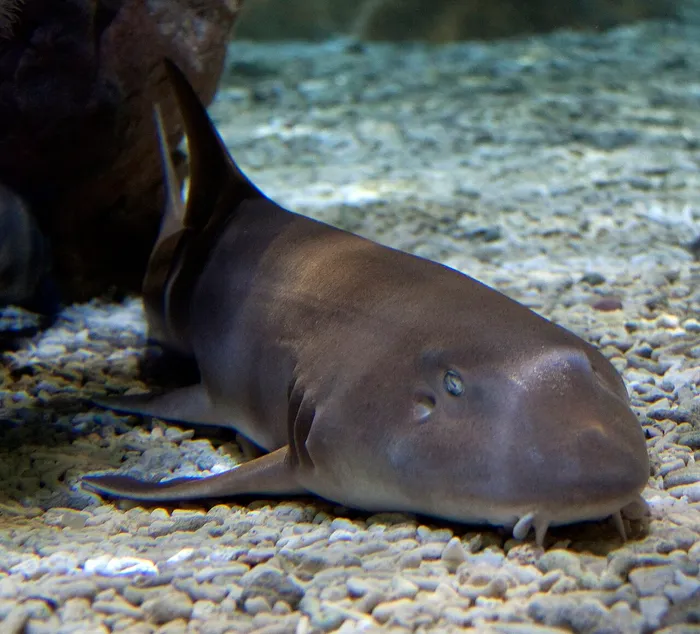
Brown-banded Bamboo Shark (Chiloscyllium punctatum). The brownbanded bamboo shark is an Indo-Pacific bottom-dweller; banding is particularly noticeable in young animals and changes with age.
Brown-throated Sunbird (Anthreptes malacensis). The brown-throated sunbird uses semi-open Southeast Asian habitats; flower visits and bill shape can be observed without assuming every visit pollinates a plant.
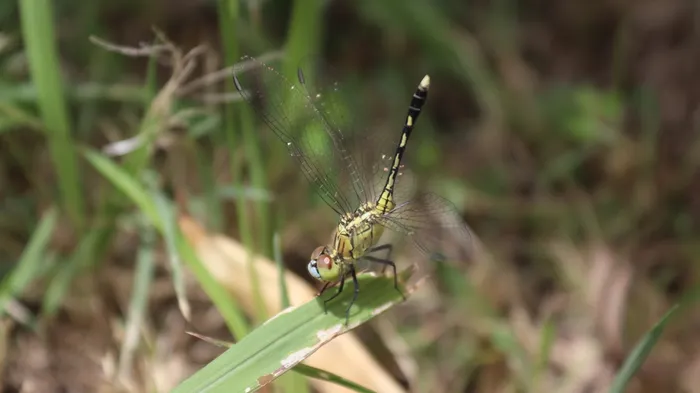
Chalky Percher (Diplacodes trivialis). The chalky percher is often seen low to the ground; mature males can differ in colour from females and young individuals.
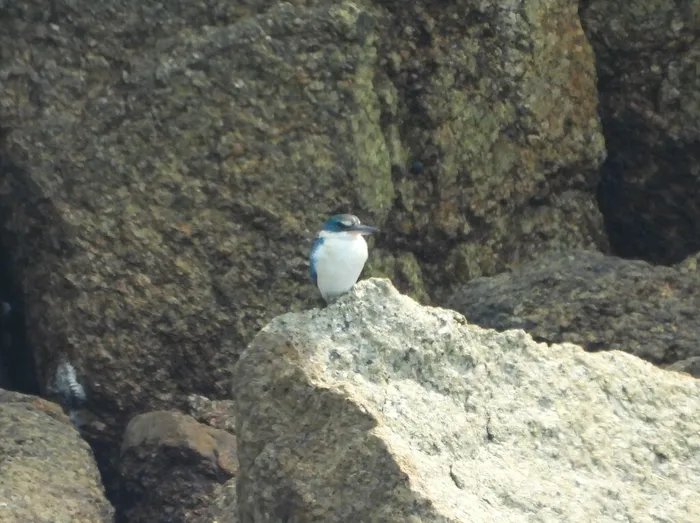
A blue-green kingfisher with a white collar, often seen in mangroves and on coasts. Numerous subspecies make older names worth checking carefully.
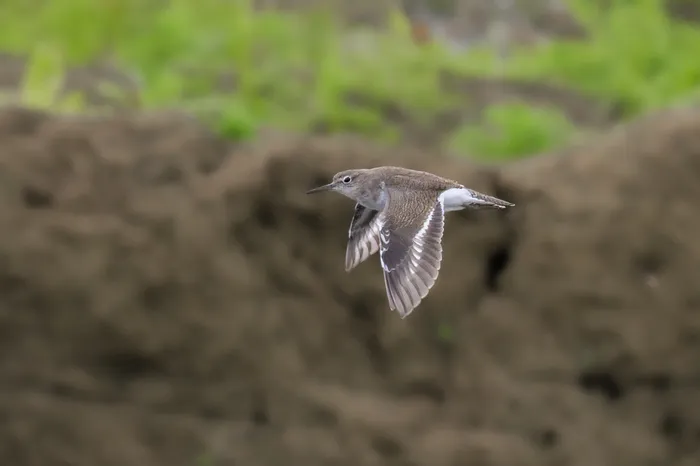
Common Sandpiper (Actitis hypoleucos). This small sandpiper uses water edges and moves between regions; an Indonesian sighting does not by itself indicate local breeding.
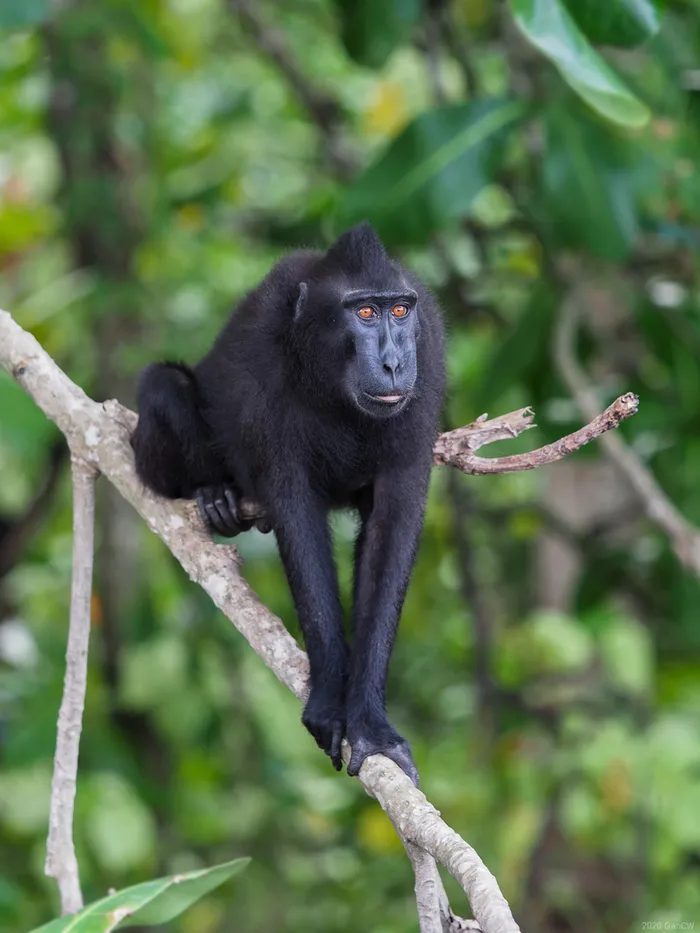
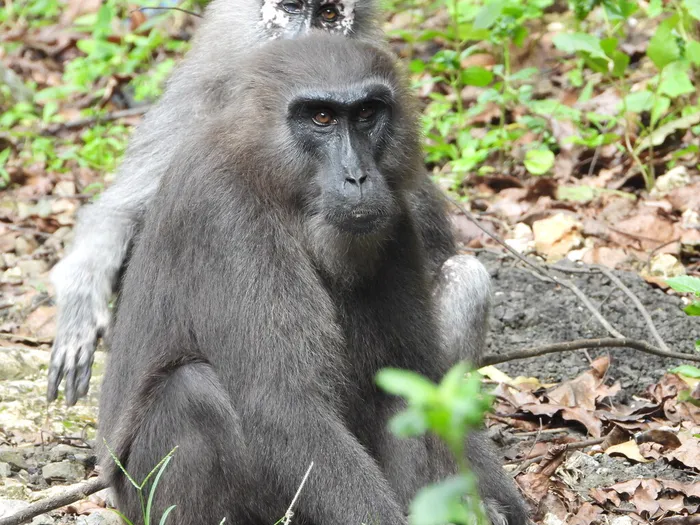
The crested black macaque is a distinctive North Sulawesi primate. Tangkoko field studies connect fruit availability, ranging and the future of its forest habitat.
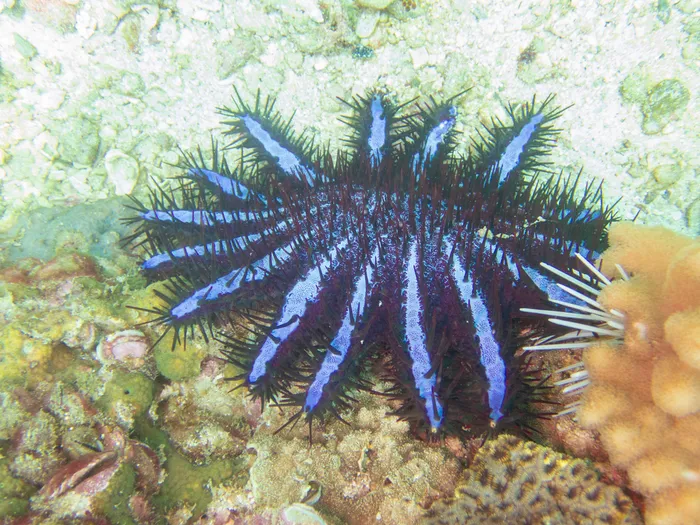
The crown-of-thorns starfish (Acanthaster) is a venomous, spiny, coral-eating starfish whose population outbreaks can devastate coral reefs.
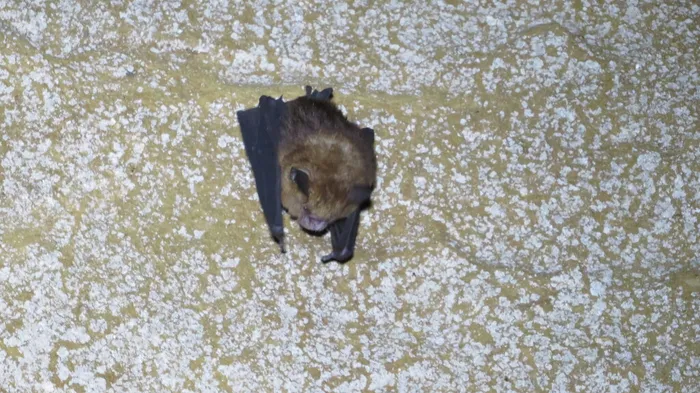
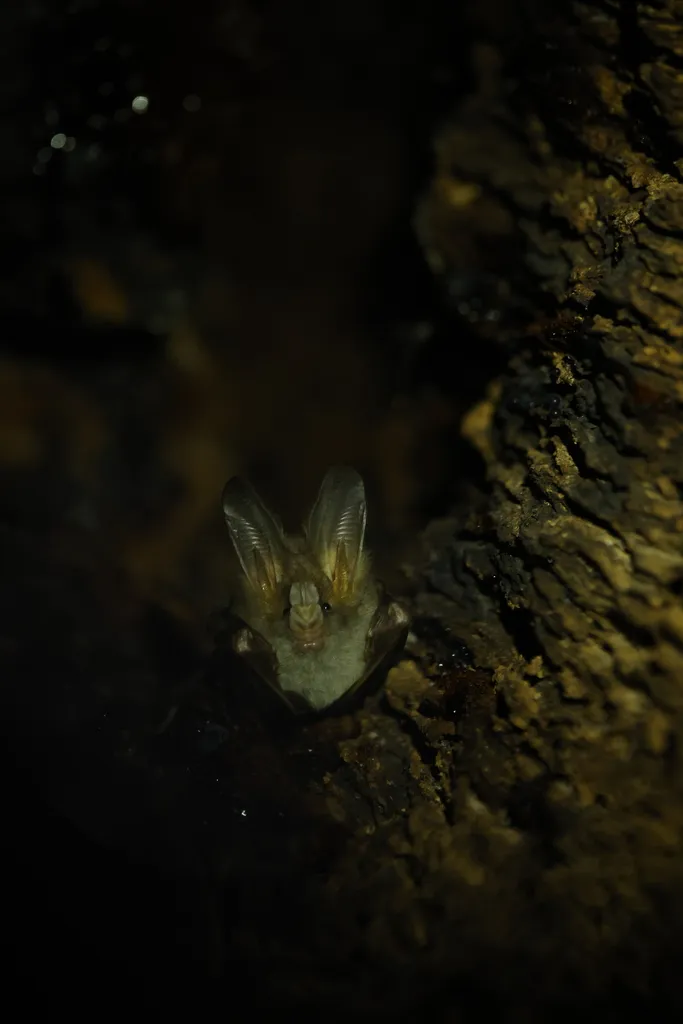
Diadem Roundleaf Bat (Hipposideros diadema). The diadem roundleaf bat belongs to Hipposideridae, not Rhinolophidae; nose shape matters, but a single photograph may not settle identification.
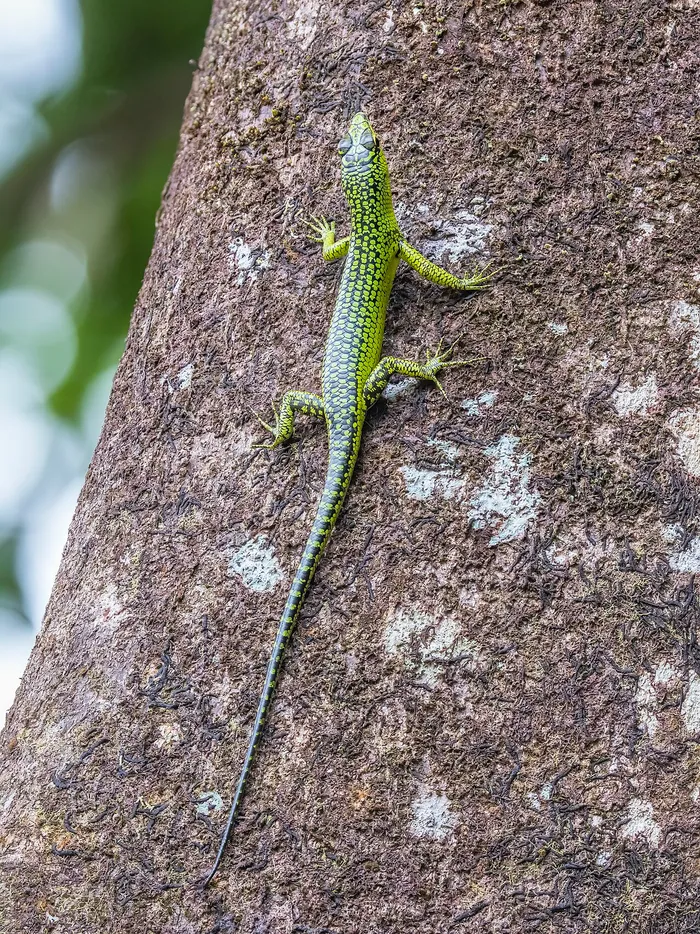
Emerald Tree Skink (Lamprolepis smaragdina). The emerald tree skink is a bright green arboreal skink; green colour alone cannot distinguish it from other green lizards.
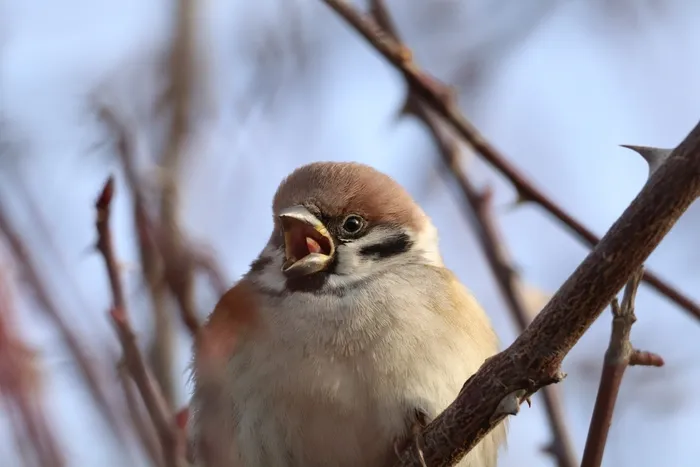
A small bird with a chestnut crown and a black spot on each white cheek. Its proximity to people makes it easy to notice, but sighting records do not measure its population.
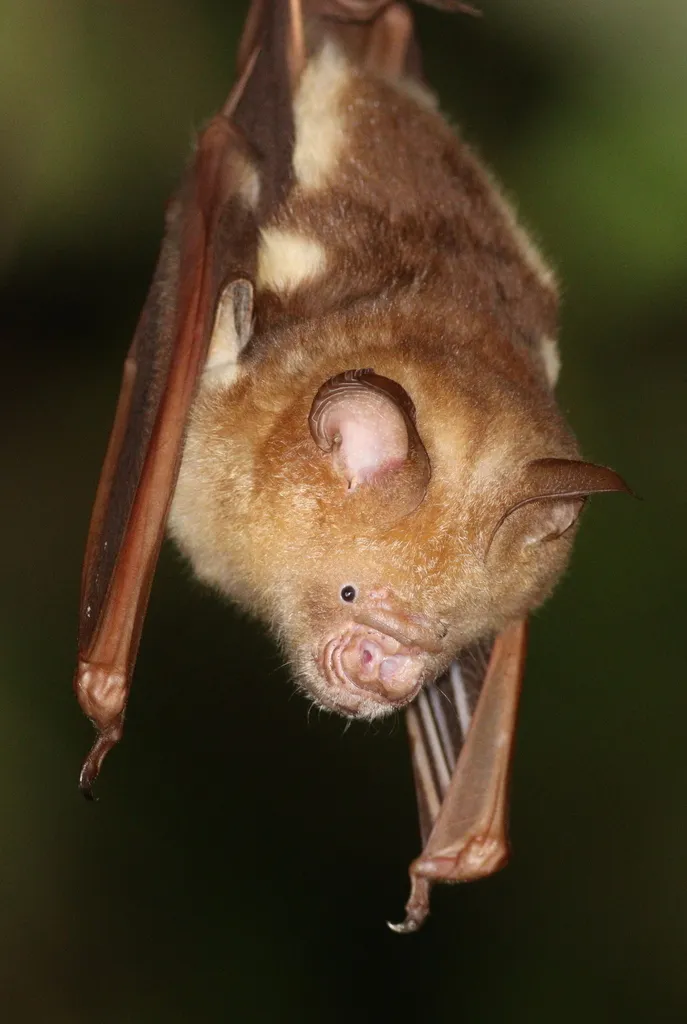
Fawn Roundleaf Bat (Hipposideros cervinus). The fawn roundleaf bat is a hipposiderid recorded across parts of Southeast Asia and Australia; colour alone is unreliable for similar bats.
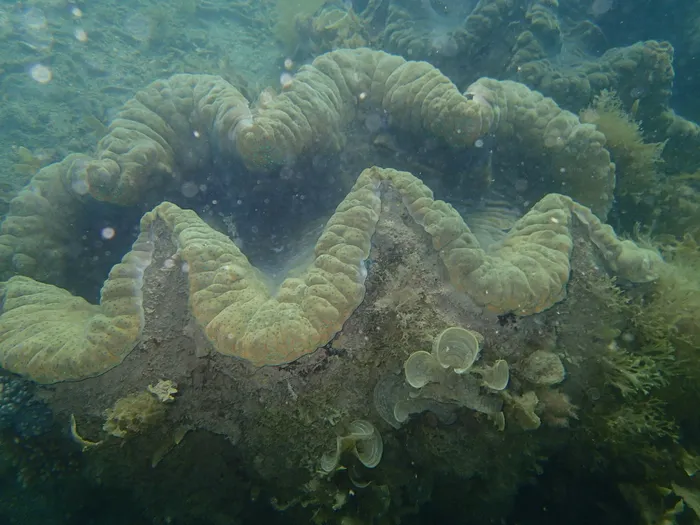
The giant clam (Tridacna gigas) is the world's largest bivalve, living on shallow coral reefs; it is now very rare across most of Indonesia.
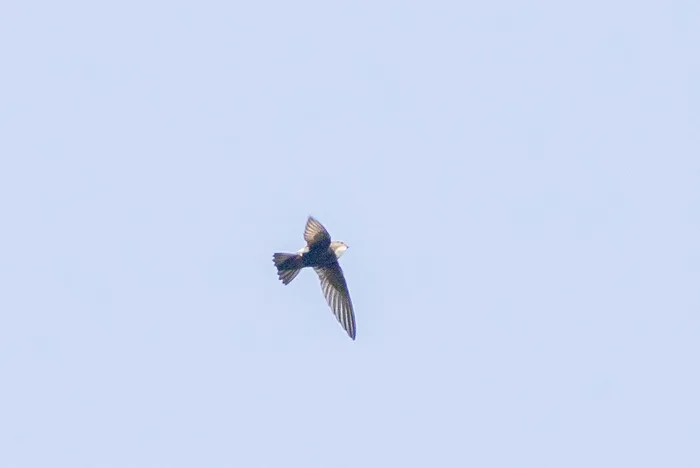
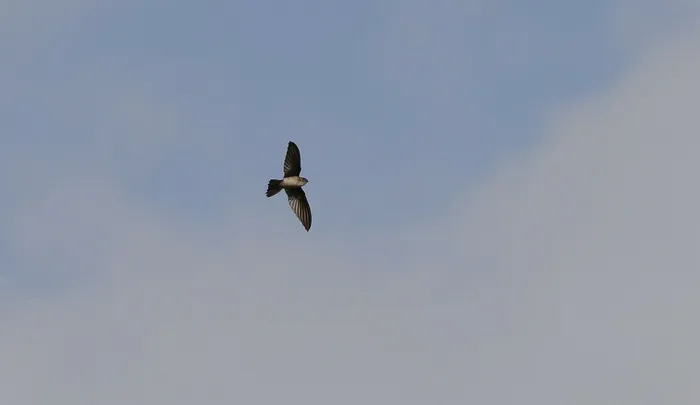
Glossy Swiftlet (Collocalia esculenta). The glossy swiftlet is an apodid that searches for food in flight and ranges across Indonesia and neighbouring islands.
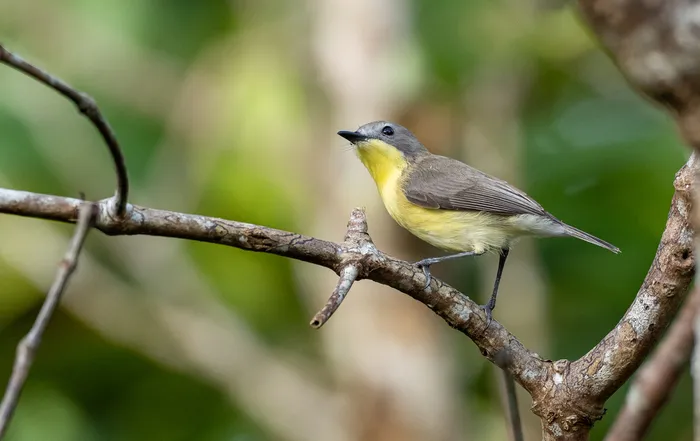
Golden-bellied Gerygone (Gerygone sulphurea). The golden-bellied gerygone is a small acanthizid occurring in Indonesia and other Southeast Asian countries; the English name describes its belly.
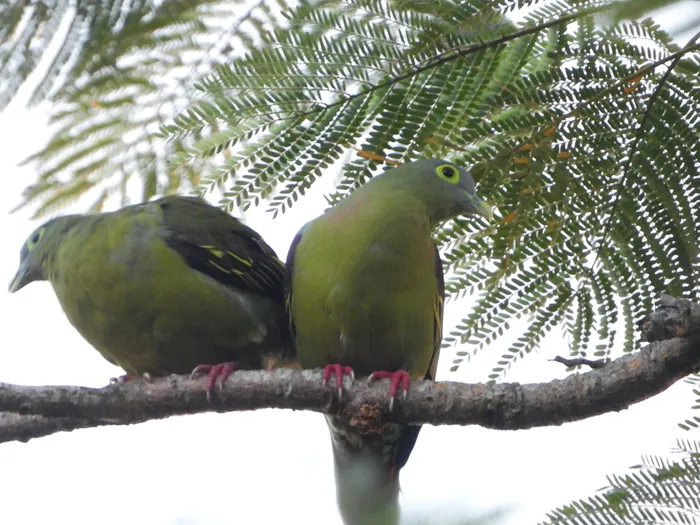
Gray-cheeked Green-Pigeon (Treron griseicauda). The grey-cheeked green-pigeon is Indonesian-endemic; cheek and nape colour help separate it from other green-pigeons in fruiting trees.
Gray-rumped Treeswift (Hemiprocne longipennis). The grey-rumped treeswift belongs to Hemiprocnidae rather than the true swift family and may be seen perched as well as flying.
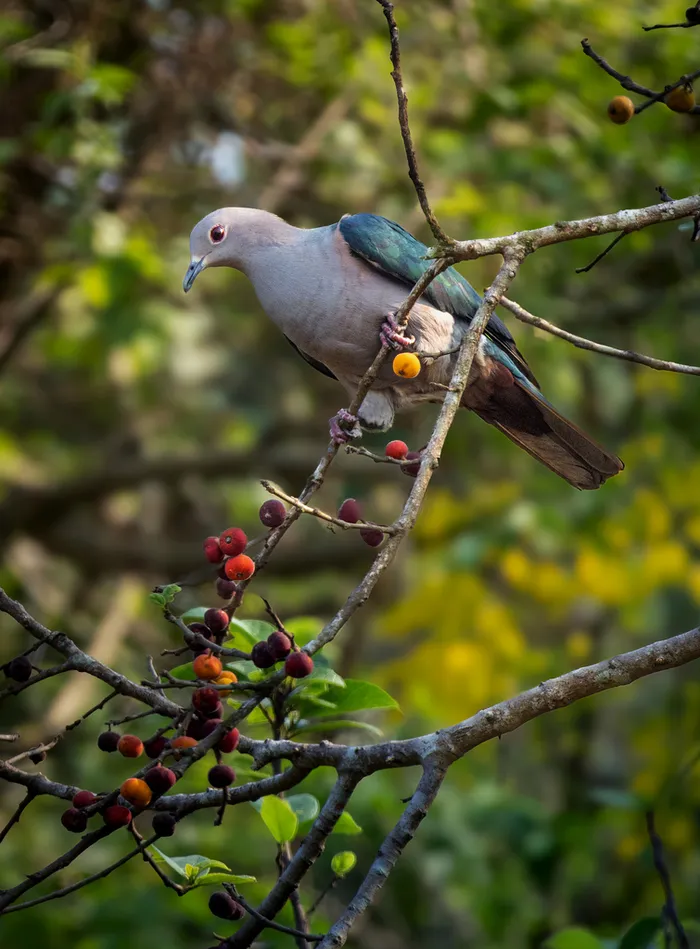
Green Imperial Pigeon (Ducula aenea). The green imperial pigeon is a large forest pigeon; its size and green wings help separate it from smaller green-pigeons.
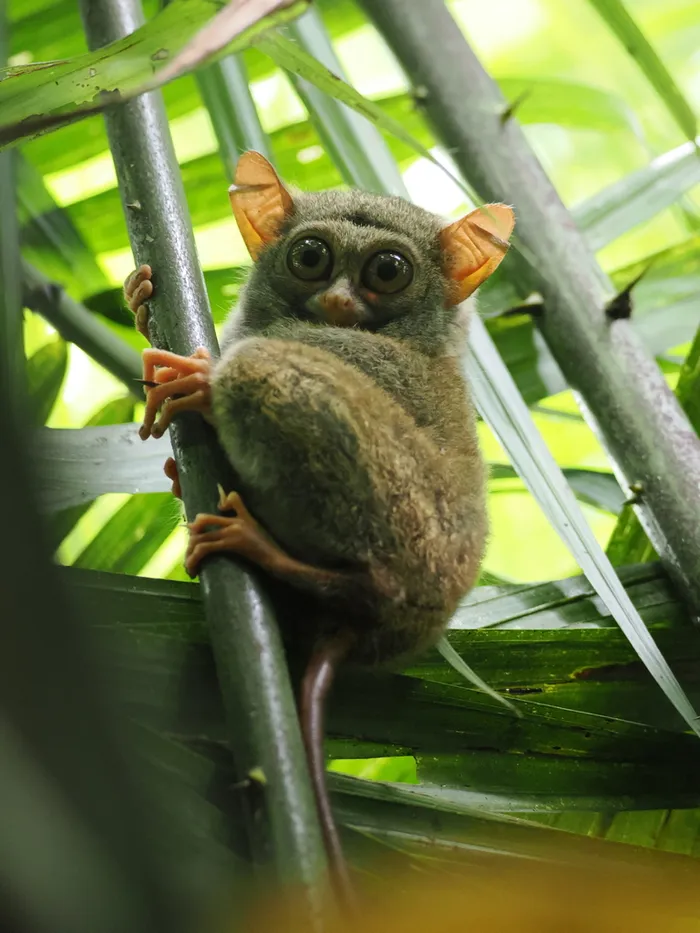
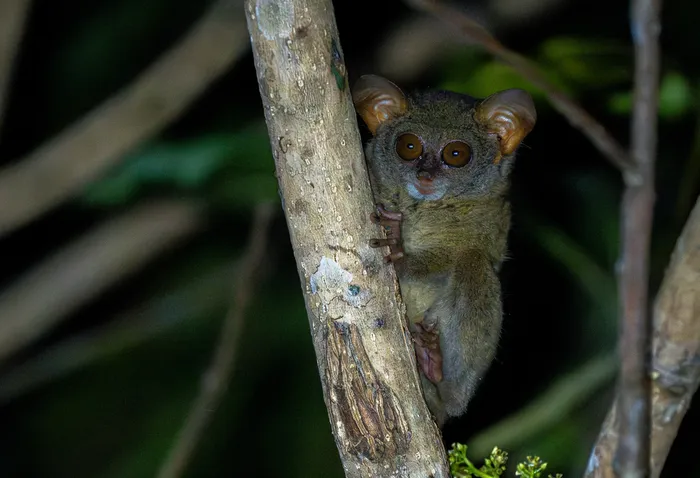
Gursky's Spectral Tarsier (Tarsius spectrumgurskyae). Gursky's spectral tarsier was separated from a broader spectral-tarsier concept on Sulawesi; older records may use a different name.
Hair-crested Drongo (Dicrurus hottentottus). The hair-crested drongo is a dicrurid formerly grouped with another drongo; record the taxonomy and region used by each source.
House Swift (Apus nipalensis). The house swift is an apodid spending much time on the wing; wing shape and nesting context are safer clues than unverified claims about flight physiology.
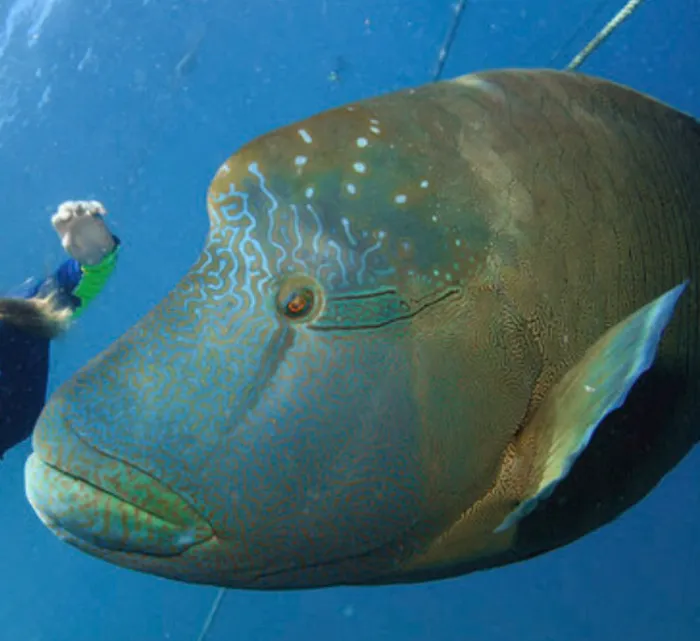
The humphead wrasse (Cheilinus undulatus) is the largest wrasse, a hump-headed reef fish threatened by the live reef fish trade.
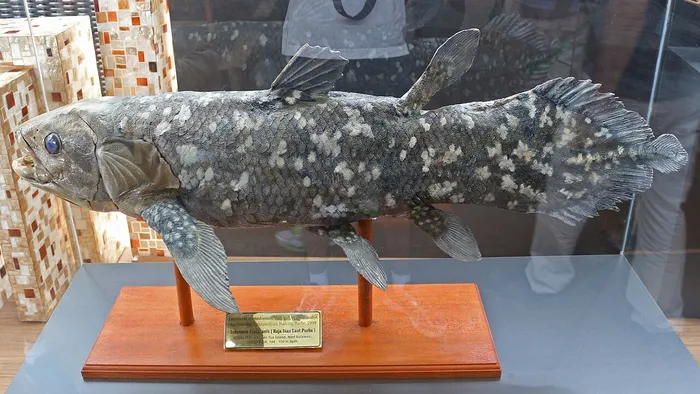
The Indonesian coelacanth (Latimeria menadoensis) is a rare, deep-water lobe-finned fish known from Sulawesi to Papua, first recognised in 1997.
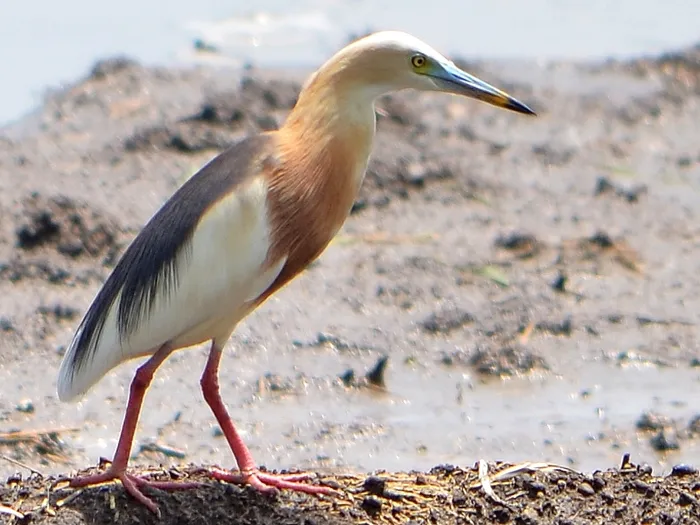
Javan Pond-Heron (Ardeola speciosa). The Javan pond-heron forages in shallow freshwater and coastal wetlands, taking small fish, insects and crabs.
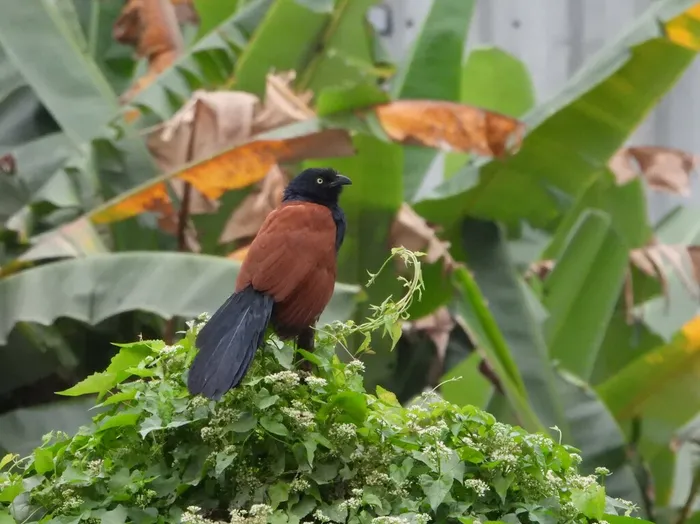
Lesser Coucal (Centropus bengalensis). The lesser coucal often uses dense low vegetation, including marsh edges; brief distant views can be confused with other coucals.
Lesser false vampire bat (Megaderma spasma). The lesser false vampire bat does not drink blood; accounts describe cave and tree-hollow roosts and an insect diet.
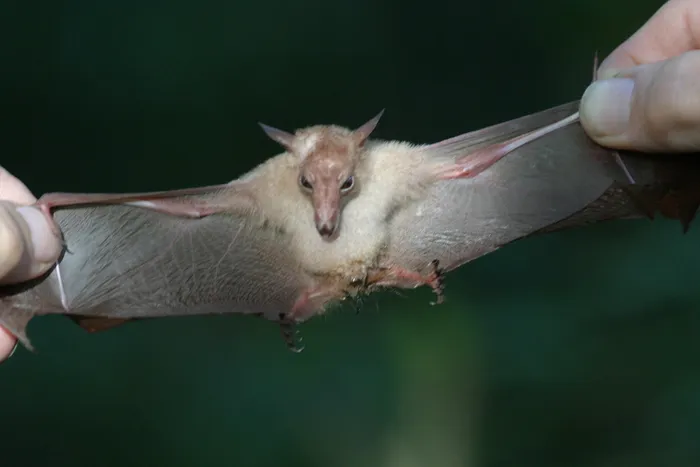
Lesser Long-tongued Fruit Bat (Macroglossus minimus). The lesser long-tongued fruit bat feeds at flowers and is much smaller than large flying foxes; size alone cannot identify it reliably.
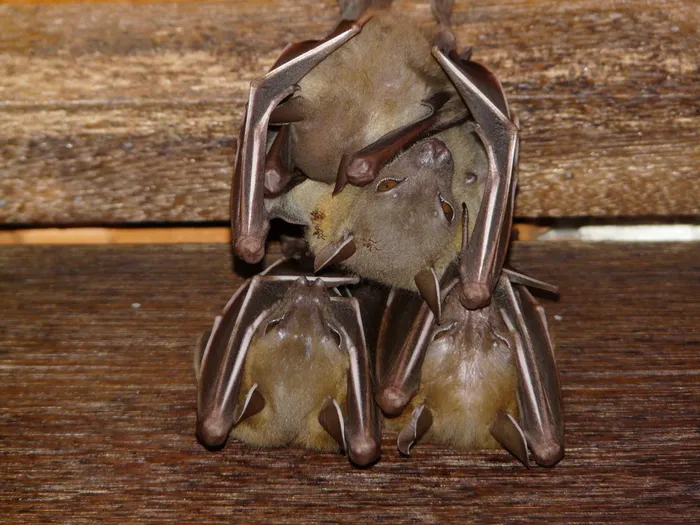
The lesser short-nosed fruit bat (Cynopterus brachyotis) is a common small fruit bat of Indonesian towns and forests that spreads seeds and pollinates flowers.
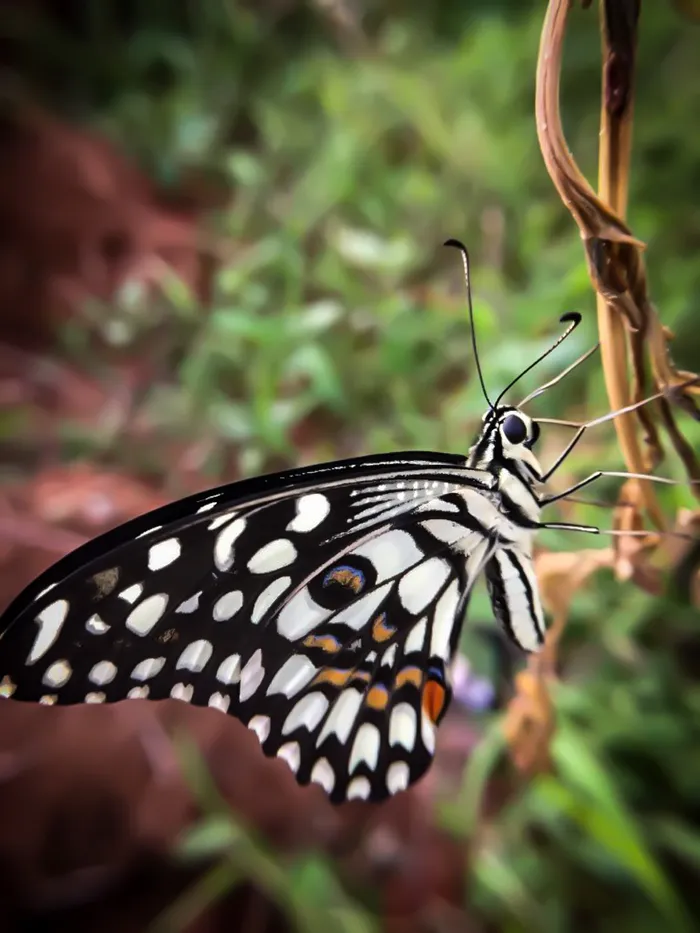
Lime Swallowtail (Papilio demoleus). Lime swallowtails use citrus among larval host plants; garden records should distinguish eggs, caterpillars and adult butterflies.
Little Egret (Egretta garzetta). The little egret is smaller than the great egret; wetland identification benefits from checking size, bill and leg characters together.
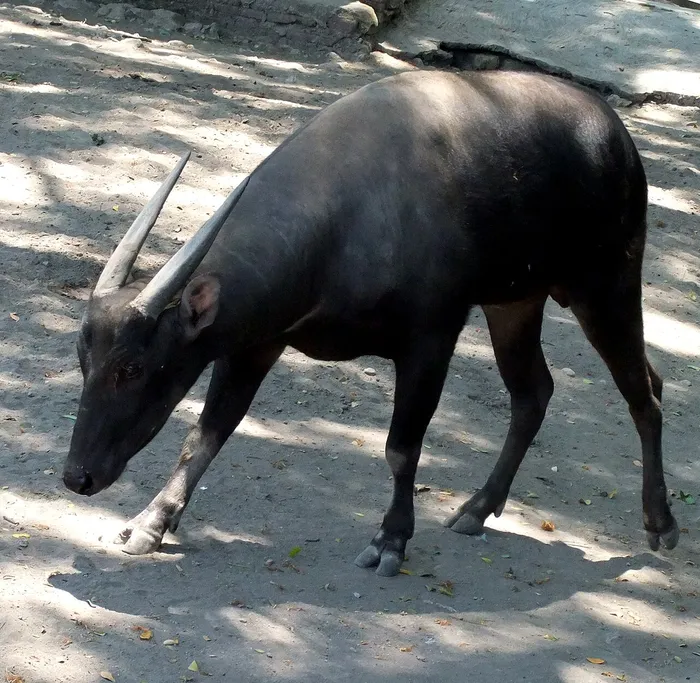
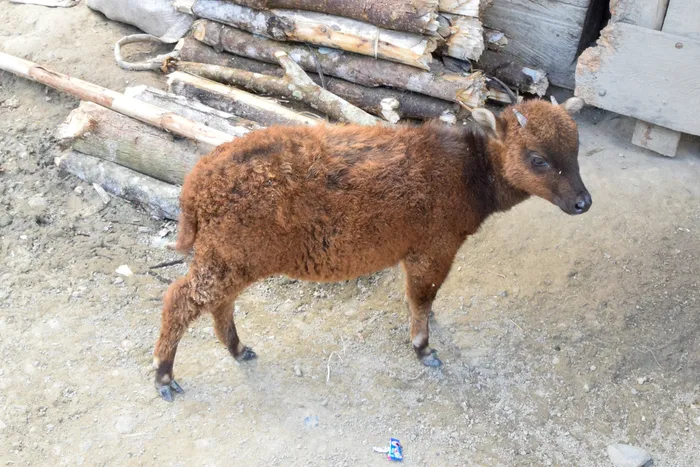
A small buffalo relative from Sulawesi and Buton. Forest life, water sources, and hunting pressures are central to the anoa’s conservation story.
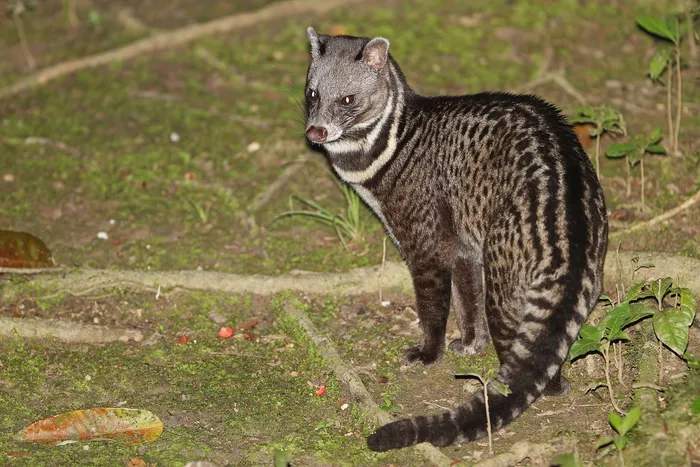
The Malay civet (Viverra tangalunga) is a ground-dwelling, black-spotted civet with a black-and-white banded tail, common in the forests of Sumatra and Borneo.
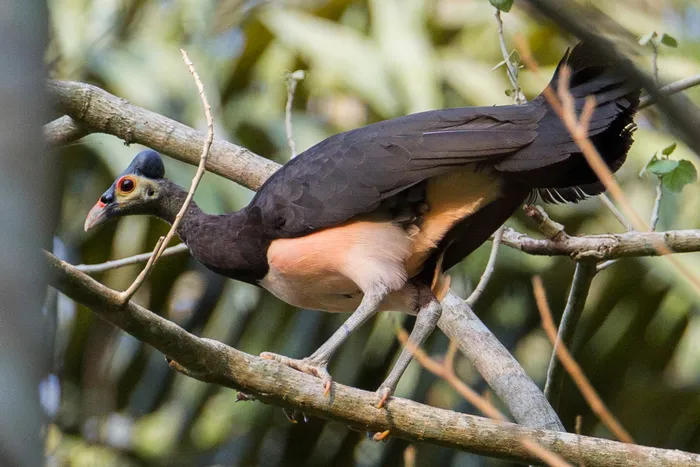
A Sulawesi bird that uses environmental heat to incubate its eggs. Its survival connects forest living areas with highly specialised nesting grounds.
Moor Macaque (Macaca maura). The moor macaque has dark brown-to-black fur and a paler rump patch; it differs from the crested macaque of northern Sulawesi.
The mountain anoa (Bubalus quarlesi) is a dwarf wild buffalo endemic to Sulawesi and Buton, smaller and shaggier than the lowland anoa.
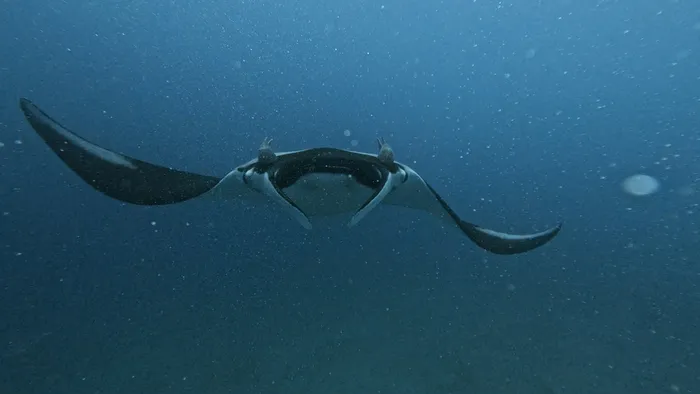
Oceanic Manta Ray (Mobula birostris). The giant oceanic manta ray differs from Indonesia's reef manta; size, habitat and body characters should be considered together rather than the word 'manta' alone.
Oriental Bluespotted Maskray (Neotrygon orientale). The Oriental bluespotted maskray is reported from Indonesia and nearby countries; sources use orientale and orientalis spellings, so taxonomy should be cited.
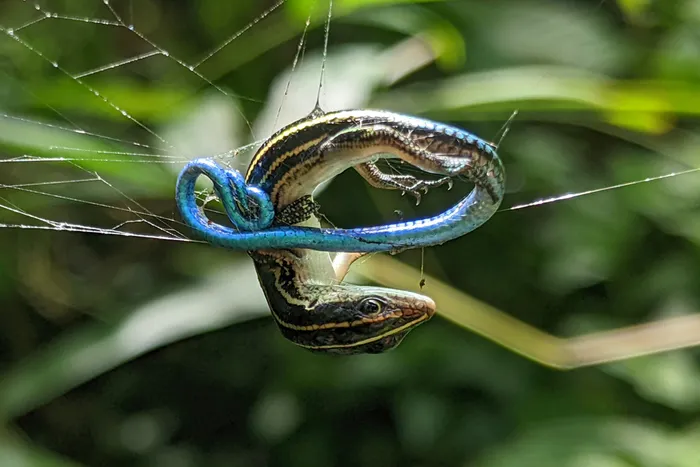
Pacific Bluetail Skink (Emoia caeruleocauda). The Pacific bluetail skink can show a blue tail, especially at some ages; colour changes and other skinks also have blue tails.
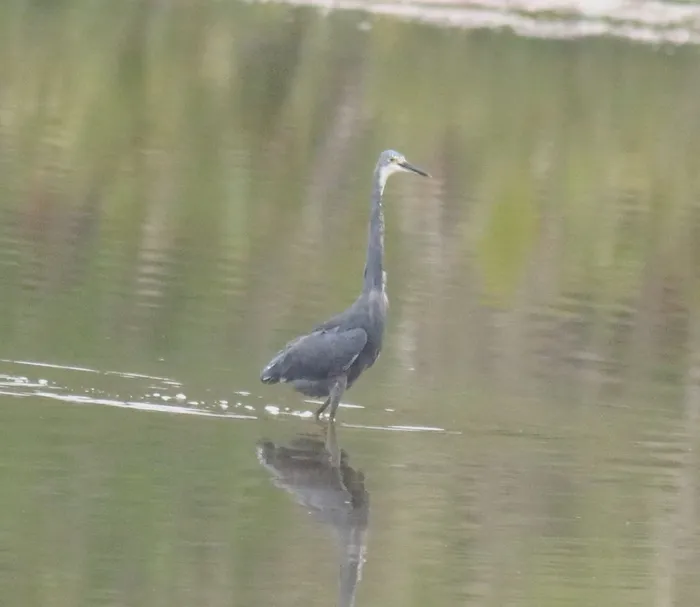
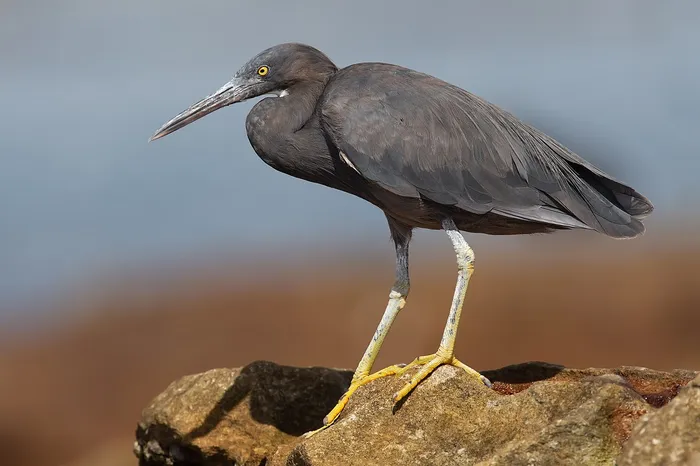
Pacific Reef Heron (Egretta sacra). The Pacific reef heron uses rocky coasts and reefs; pale and dark colour forms make habitat and shape important in identification.
A small swallow that catches insects in flight and builds a mud nest. Its scientific name matters because Pacific swallow taxonomy has changed.
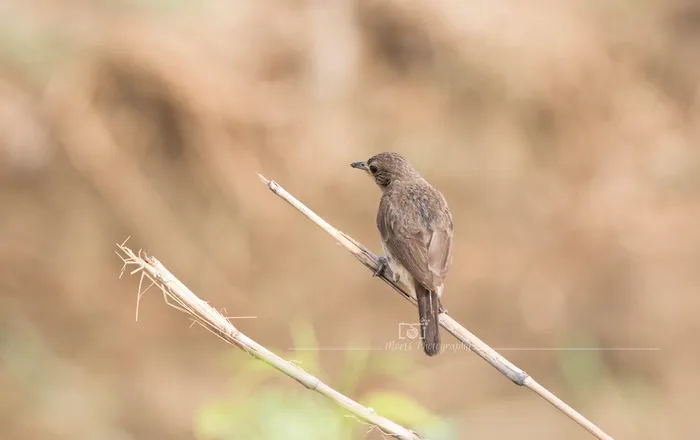
Pied Bushchat (Saxicola caprata). The pied bush chat uses open country; male and female plumage differs, so black-and-white appearance alone does not describe every bird.
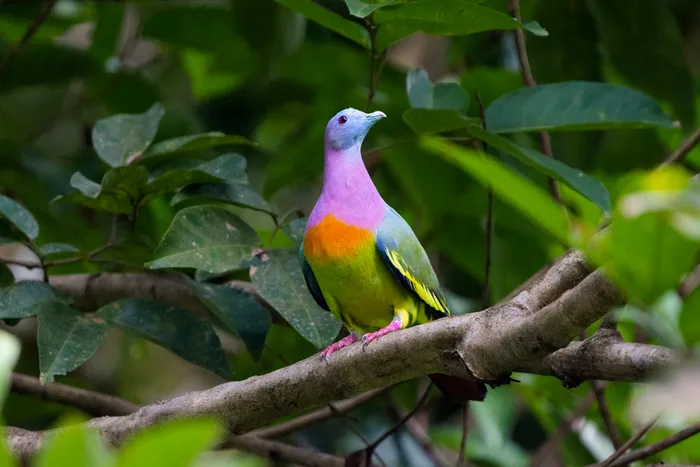
Pink-necked Green-Pigeon (Treron vernans). The pink-necked green-pigeon is a green pigeon often noticed in fruiting trees; its English name refers to the pink neck, not a parrot.
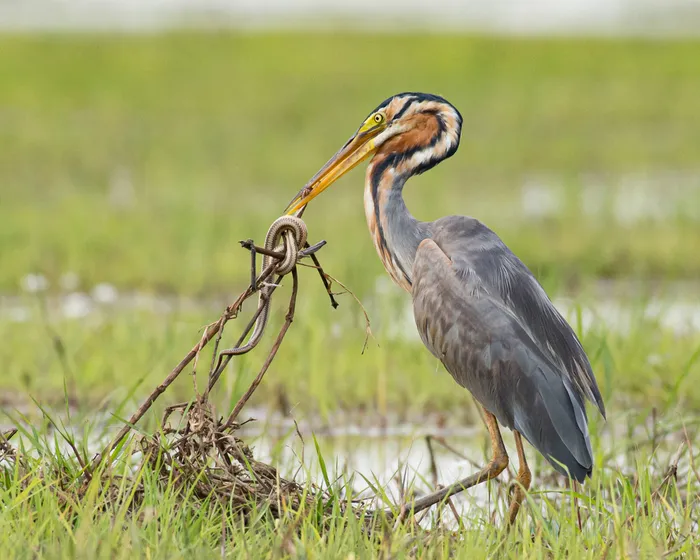
Purple Heron (Ardea purpurea). The purple heron is a long-necked heron associated with marsh vegetation; brownish colour alone is insufficient without checking shape.
A small primate of Central Sulawesi’s mountain forest. Live animals found again in 2008 enabled new research, while much of its ecology and population remains poorly known.
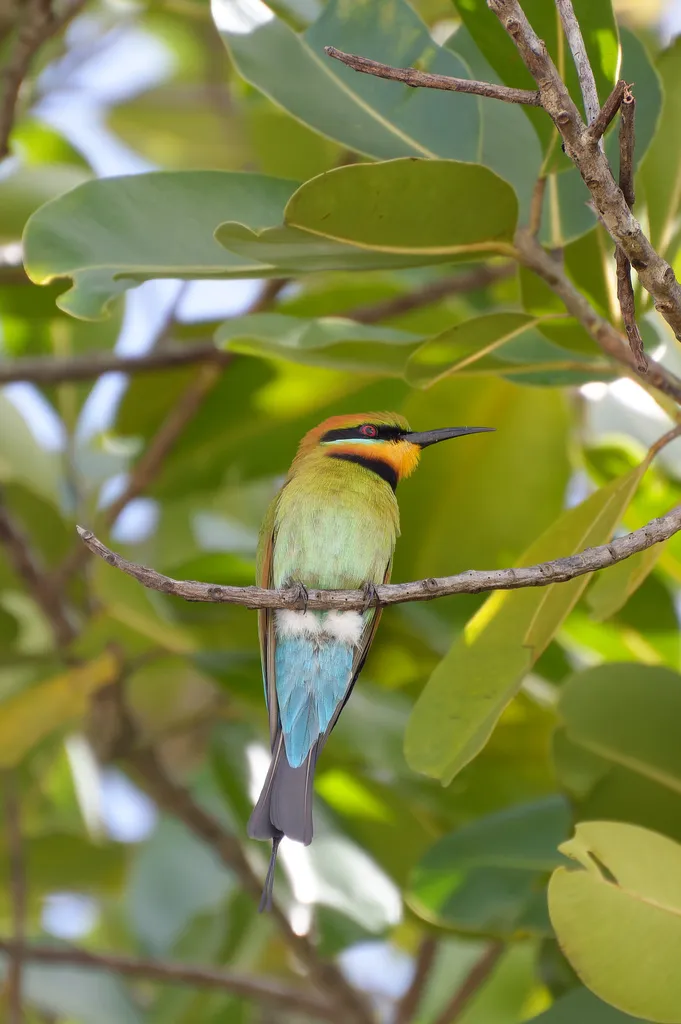
Rainbow Bee-eater (Merops ornatus). The rainbow bee-eater catches flying insects and is well known from Australia and nearby regions; Indonesian records need locality and movement context.
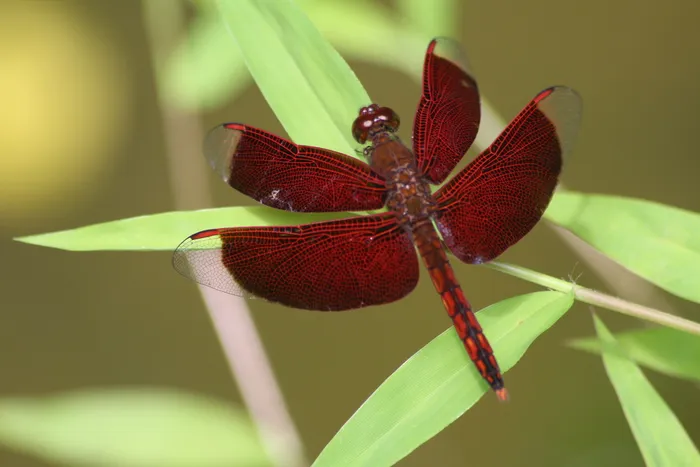
Red Percher (Neurothemis ramburii). Neurothemis ramburii is a libellulid; identification requires wing and body pattern rather than generic red colour.
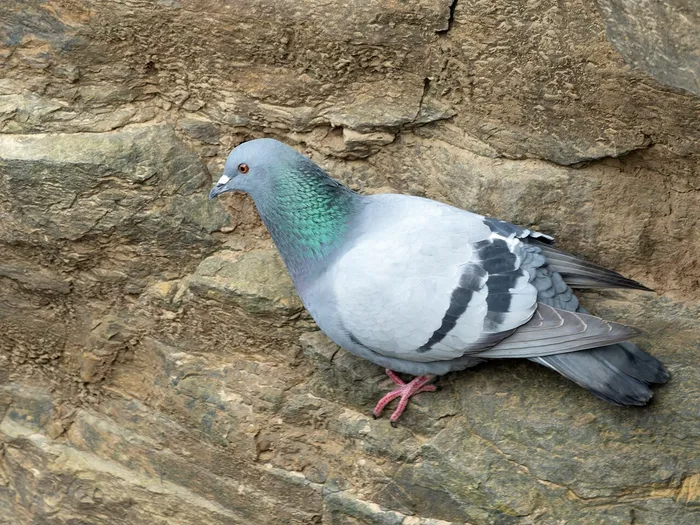
Rock Pigeon (Columba livia). Rock pigeons include wild-type birds and free-living domestic descendants; an urban record need not represent an original wild population.
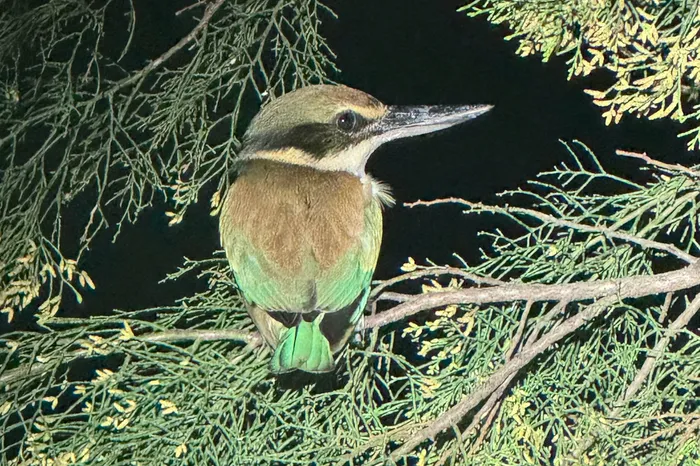
Sacred Kingfisher (Todiramphus sanctus). The sacred kingfisher uses mangroves, open woodland and river valleys; movement in some populations makes date and locality useful.
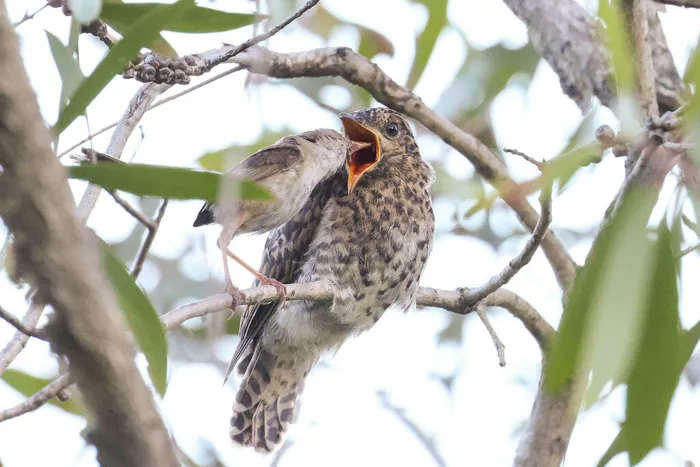
Sahul Brush Cuckoo (Cacomantis variolosus). The Sahul brush cuckoo belongs to Cuculidae; voice, plumage and locality matter because common names and species limits in this group change.
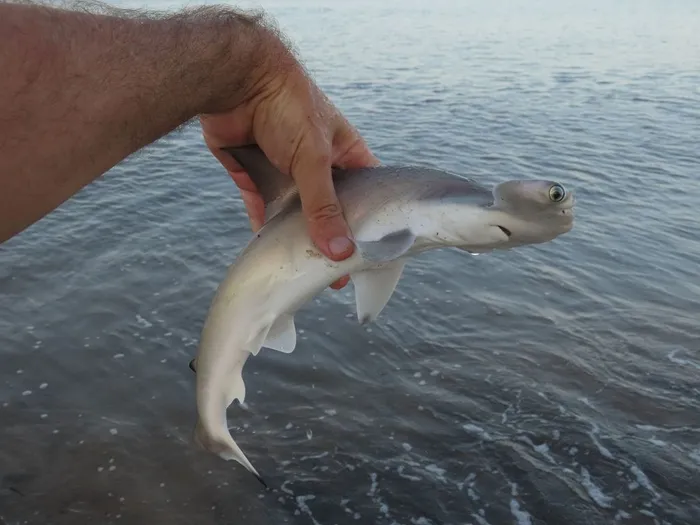
The scalloped hammerhead (Sphyrna lewini) is a hammer-headed shark with a notched snout, found across Indonesian seas and listed as Critically Endangered.
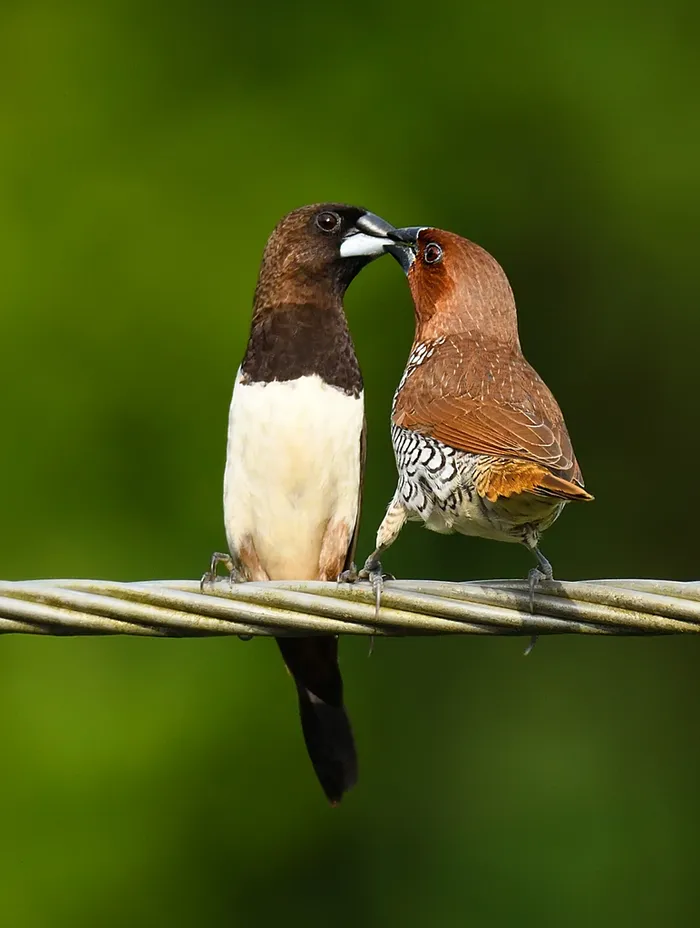
Scaly-breasted Munia (Lonchura punctulata). Adults show scale-like marks across the breast and belly, a brown back and a stout dark bill; young birds are plainer.
The Selayar tarsier (Tarsius tarsier) is a tiny nocturnal primate found only on Selayar Island, South Sulawesi, often sleeping in thorny bamboo clumps.
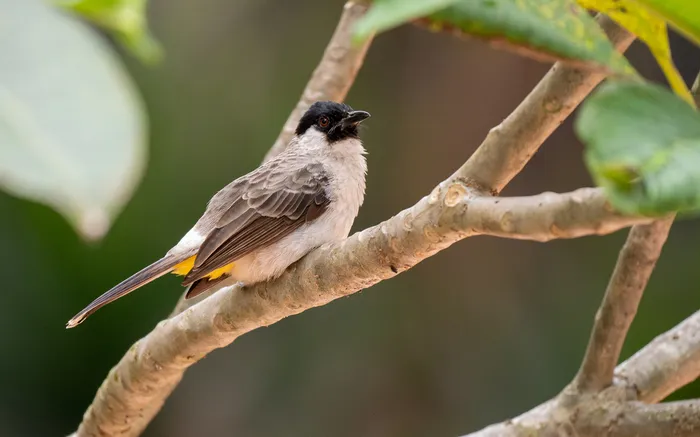
The sooty-headed bulbul (Pycnonotus aurigaster) is a black-capped bulbul native to Java and Bali, common in gardens and towns but widely trapped for sale.
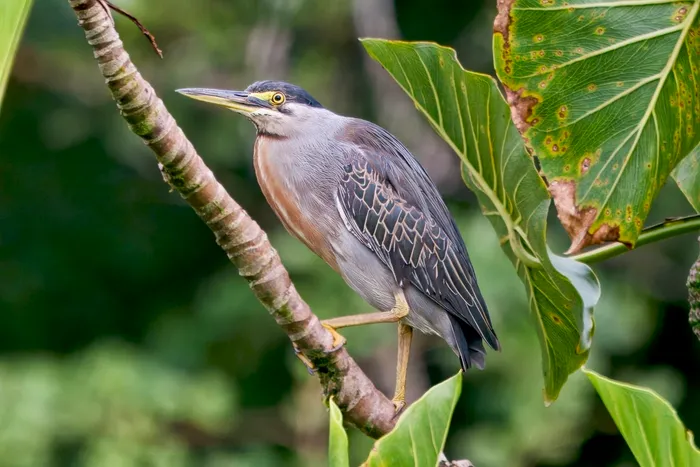
Striated Heron (Butorides striata). The striated heron is a small heron often using mangrove edges and shallow water; its current name distinguishes it from the American green heron.
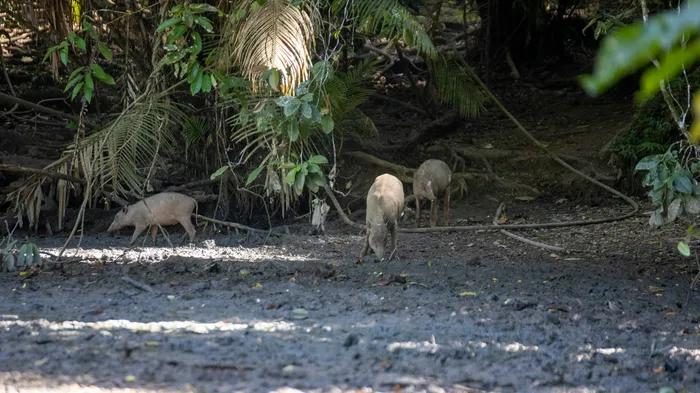
A Sulawesi wild pig whose males have upper tusks curving through the snout’s skin. This profile distinguishes it from babirusas on other islands.
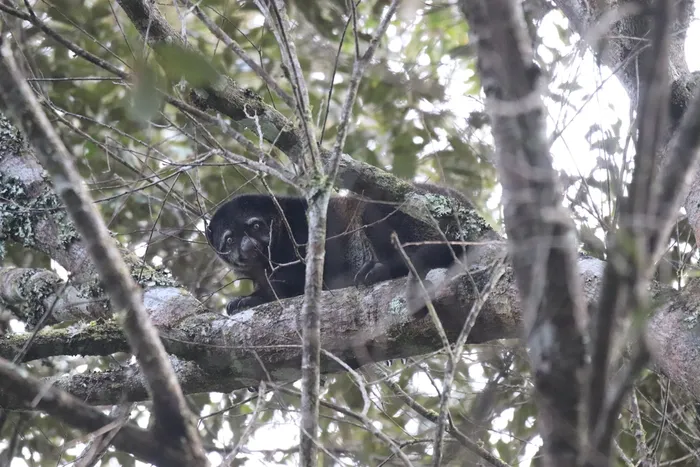
A tree-dwelling marsupial of Sulawesi. Leaves, connected canopy, and low human disturbance matter to this often slow-moving forest animal.
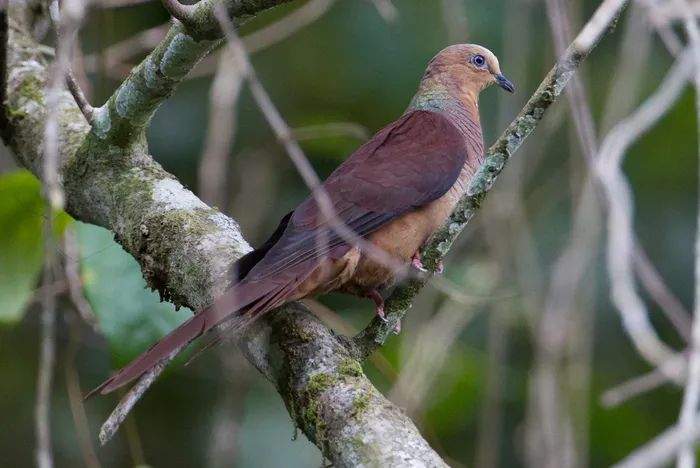
Sultan's Cuckoo-Dove (Macropygia doreya). Sultan's cuckoo-dove ranges from the northern Moluccas and Sulawesi towards New Guinea; its taxonomy reflects a split from a former cuckoo-dove complex.
Tatar Horseshoe Bat (Rhinolophus tatar). Tatar horseshoe bats are known from Sulawesi; public species accounts are sparse, so field identification needs expert and acoustic evidence.
Uniform Swiftlet (Aerodramus vanikorensis). The uniform swiftlet has grey-brown plumage, darker upperparts and a shallow forked tail; lookalike swiftlets make clear photos and locality valuable.
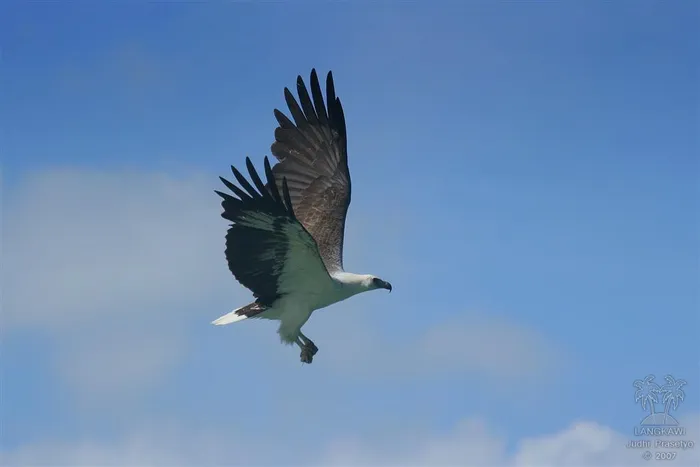
White-bellied Sea Eagle (Haliaeetus leucogaster). The white-bellied sea eagle has a white head, rump and underside with dark-grey upperwings; it uses coasts and major rivers.
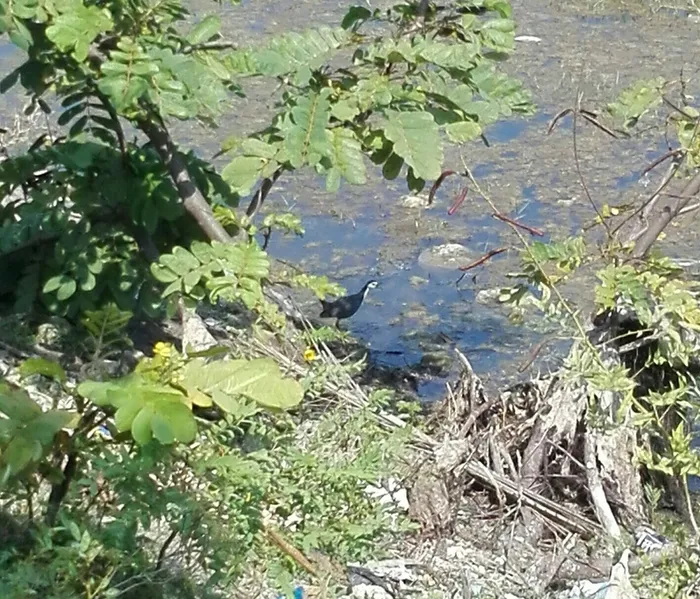
White-breasted Waterhen (Amaurornis phoenicurus). This waterhen has a dark body and conspicuously white face and breast; records should include the waterside vegetation where it was seen.
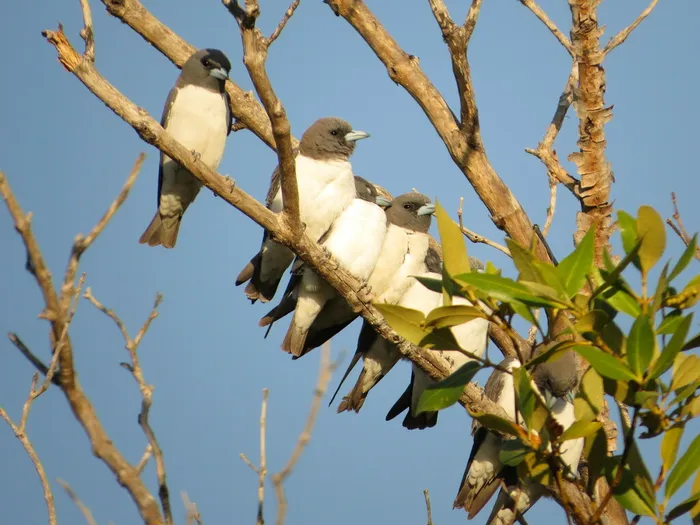
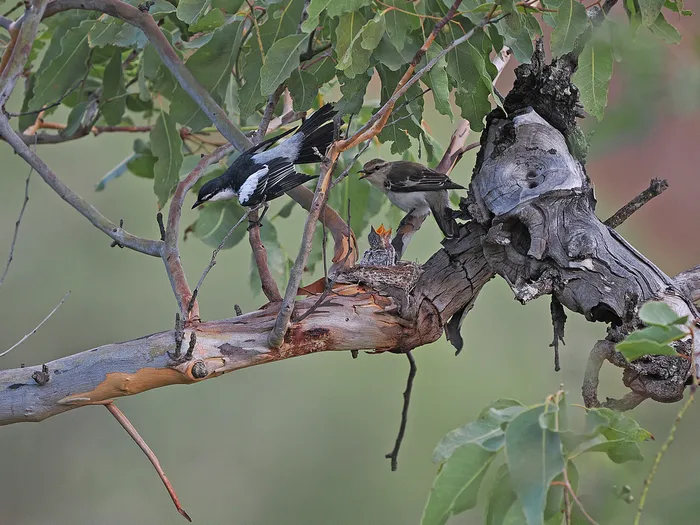
White-breasted Woodswallow (Artamus leucorhynchos). GBIF's spelling differs from the BirdLife Australia name for the white-breasted woodswallow; its white chest contrasts with a dark-grey head.
White-shouldered Triller (Lalage sueurii). The white-shouldered triller is a campephagid of Indonesia and Timor-Leste; its white wing markings should be read alongside body shape.
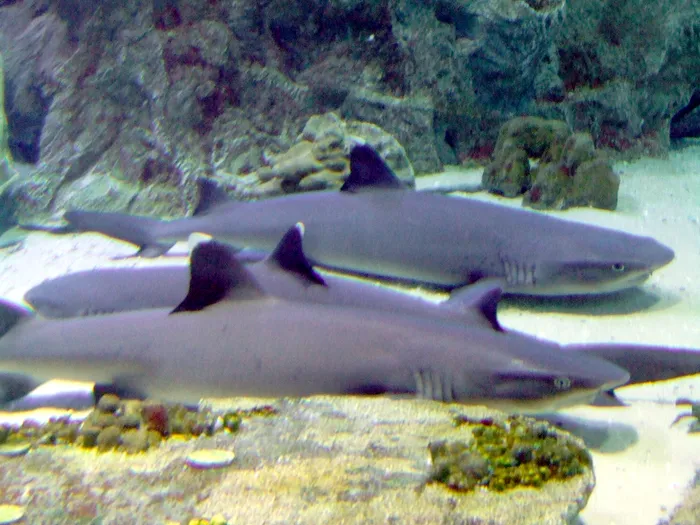
Whitetip Reef Shark (Triaenodon obesus). The whitetip reef shark often rests near the reef bottom; white tips on the dorsal and tail fins separate it from blacktip reef sharks.
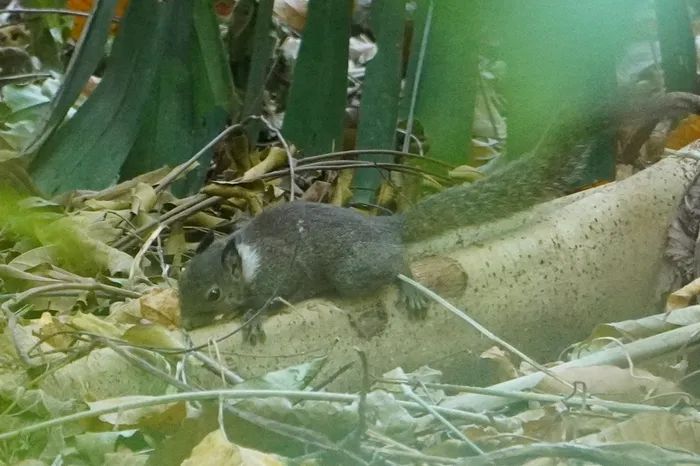
Whitish Dwarf Squirrel (Prosciurillus leucomus). The whitish dwarf squirrel is endemic to Sulawesi and nearby islands; its scientific name separates it from wider-ranging striped squirrels.
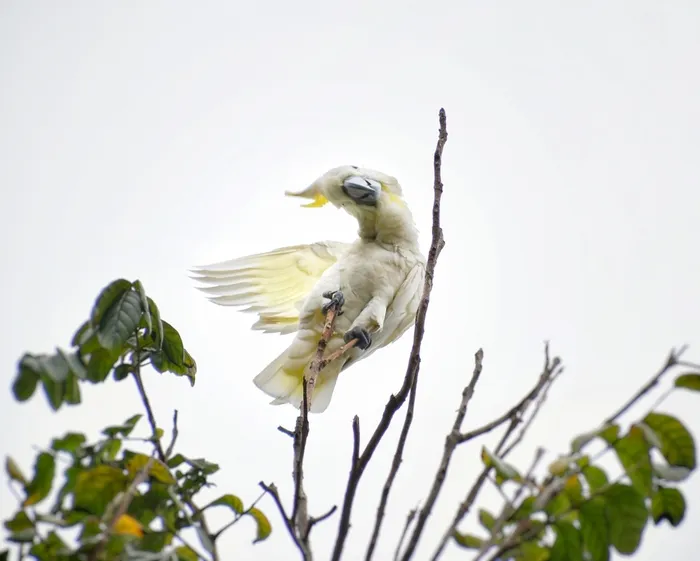
A white, yellow-crested cockatoo whose island populations need careful distinction. Feeding, nesting, and roosting trees complement efforts to prevent harmful trade.
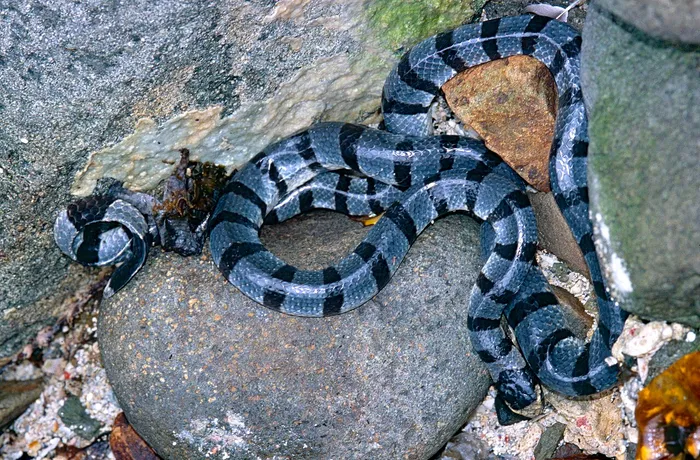
Yellow-lipped Sea Krait (Laticauda colubrina). The yellow-lipped sea krait has dark-and-light bands and uses both sea and land during its life cycle; it is venomous and should not be handled.
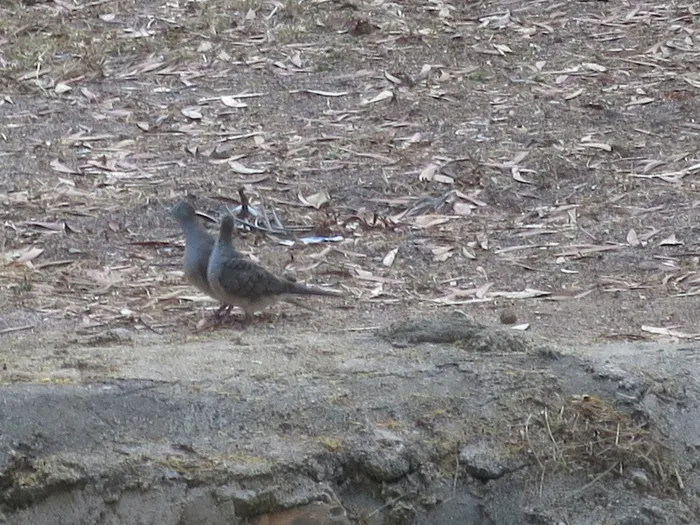
Zebra Dove (Geopelia striata). This small dove has a relatively long tail, fine black-and-white barring over grey-brown plumage and a soft repeated coo.
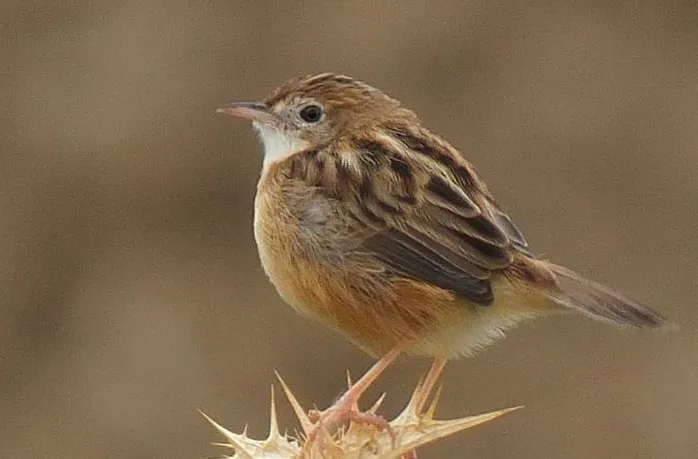
Zitting Cisticola (Cisticola juncidis). The zitting cisticola uses open grassy cover; its repeated short call in flight can reveal it before plumage details are clear.
| Name | Scientific name | Group | Conservation status |
|---|---|---|---|
| American cockroach | Periplaneta americana | Invertebrates | Not recorded |
| Asian Emerald Dove | Chalcophaps indica | Birds | Least Concern |
| Asian honey bee | Apis cerana | Invertebrates | Not recorded |
| Barn Swallow | Hirundo rustica | Birds | Least Concern |
| Black rat | Rattus rattus | Mammals | Least Concern |
| Black Sunbird | Leptocoma sericea | Birds | Least Concern |
| Black-naped Fruit Dove | Ptilinopus melanospilus | Birds | Least Concern |
| Black-naped Monarch | Hypothymis azurea | Birds | Least Concern |
| Black-naped Oriole | Oriolus chinensis | Birds | Least Concern |
| Blacktip Reef Shark | Carcharhinus melanopterus | Marine | Vulnerable |
| Blue-tailed Bee-eater | Merops philippinus | Birds | Least Concern |
| Bluespotted Fantail Ray | Taeniura lymma | Marine | Least Concern |
| Brahminy Kite | Haliastur indus | Birds | Least Concern |
| Brown rat | Rattus norvegicus | Mammals | Least Concern |
| Brown-banded Bamboo Shark | Chiloscyllium punctatum | Marine | Near Threatened |
| Brown-throated Sunbird | Anthreptes malacensis | Birds | Least Concern |
| Chalky Percher | Diplacodes trivialis | Invertebrates | Least Concern |
| Collared kingfisher | Todiramphus chloris | Birds | Least Concern |
| Common Sandpiper | Actitis hypoleucos | Birds | Least Concern |
| Crested black macaque | Macaca nigra | Mammals | Critically Endangered |
| Crown-of-thorns starfish | Acanthaster planci | Marine | Not recorded |
| Diadem Roundleaf Bat | Hipposideros diadema | Mammals | Least Concern |
| Emerald Tree Skink | Lamprolepis smaragdina | Reptiles | Least Concern |
| Eurasian tree sparrow | Passer montanus | Birds | Least Concern |
| Fawn Roundleaf Bat | Hipposideros cervinus | Mammals | Least Concern |
| Giant clam | Tridacna gigas | Marine | Critically Endangered |
| Glossy Swiftlet | Collocalia esculenta | Birds | Least Concern |
| Golden-bellied Gerygone | Gerygone sulphurea | Birds | Least Concern |
| Gray-cheeked Green-Pigeon | Treron griseicauda | Birds | Not recorded |
| Gray-rumped Treeswift | Hemiprocne longipennis | Birds | Least Concern |
| Green Imperial Pigeon | Ducula aenea | Birds | Near Threatened |
| Gursky's Spectral Tarsier | Tarsius spectrumgurskyae | Mammals | Vulnerable |
| Hair-crested Drongo | Dicrurus hottentottus | Birds | Least Concern |
| House Swift | Apus nipalensis | Birds | Least Concern |
| Humphead wrasse | Cheilinus undulatus | Marine | Endangered |
| Indonesian coelacanth | Latimeria menadoensis | Marine | Vulnerable |
| Javan Pond-Heron | Ardeola speciosa | Birds | Least Concern |
| Lesser Coucal | Centropus bengalensis | Birds | Least Concern |
| Lesser false vampire bat | Megaderma spasma | Mammals | Least Concern |
| Lesser Long-tongued Fruit Bat | Macroglossus minimus | Mammals | Least Concern |
| Lesser short-nosed fruit bat | Cynopterus brachyotis | Mammals | Least Concern |
| Lime Swallowtail | Papilio demoleus | Invertebrates | Not recorded |
| Little Egret | Egretta garzetta | Birds | Least Concern |
| Lowland anoa | Bubalus depressicornis | Mammals | Endangered |
| Malay civet | Viverra tangalunga | Mammals | Least Concern |
| Maleo | Macrocephalon maleo | Birds | Critically Endangered |
| Moor Macaque | Macaca maura | Mammals | Endangered |
| Mountain anoa | Bubalus quarlesi | Mammals | Endangered |
| Oceanic Manta Ray | Mobula birostris | Marine | Endangered |
| Oriental Bluespotted Maskray | Neotrygon orientale | Marine | Not recorded |
| Pacific Bluetail Skink | Emoia caeruleocauda | Reptiles | Least Concern |
| Pacific Reef Heron | Egretta sacra | Birds | Least Concern |
| Pacific swallow | Hirundo javanica | Birds | Least Concern |
| Pied Bushchat | Saxicola caprata | Birds | Least Concern |
| Pink-necked Green-Pigeon | Treron vernans | Birds | Least Concern |
| Purple Heron | Ardea purpurea | Birds | Least Concern |
| Pygmy tarsier | Tarsius pumilus | Mammals | Endangered |
| Rainbow Bee-eater | Merops ornatus | Birds | Least Concern |
| Red Percher | Neurothemis ramburii | Invertebrates | Not recorded |
| Rock Pigeon | Columba livia | Birds | Least Concern |
| Sacred Kingfisher | Todiramphus sanctus | Birds | Least Concern |
| Sahul Brush Cuckoo | Cacomantis variolosus | Birds | Least Concern |
| Scalloped hammerhead shark | Sphyrna lewini | Marine | Critically Endangered |
| Scaly-breasted Munia | Lonchura punctulata | Birds | Least Concern |
| Selayar tarsier | Tarsius tarsier | Mammals | Vulnerable |
| Sooty-headed bulbul | Pycnonotus aurigaster | Birds | Least Concern |
| Striated Heron | Butorides striata | Birds | Least Concern |
| Sulawesi babirusa | Babyrousa celebensis | Mammals | Vulnerable |
| Sulawesi bear cuscus | Ailurops ursinus | Mammals | Vulnerable |
| Sultan's Cuckoo-Dove | Macropygia doreya | Birds | Not recorded |
| Tatar Horseshoe Bat | Rhinolophus tatar | Mammals | Least Concern |
| Uniform Swiftlet | Aerodramus vanikorensis | Birds | Least Concern |
| White-bellied Sea Eagle | Haliaeetus leucogaster | Birds | Least Concern |
| White-breasted Waterhen | Amaurornis phoenicurus | Birds | Least Concern |
| White-breasted Woodswallow | Artamus leucorhynchos | Birds | Not recorded |
| White-shouldered Triller | Lalage sueurii | Birds | Least Concern |
| Whitetip Reef Shark | Triaenodon obesus | Marine | Vulnerable |
| Whitish Dwarf Squirrel | Prosciurillus leucomus | Mammals | Least Concern |
| Yellow-crested cockatoo | Cacatua sulphurea | Birds | Critically Endangered |
| Yellow-lipped Sea Krait | Laticauda colubrina | Reptiles | Least Concern |
| Zebra Dove | Geopelia striata | Birds | Least Concern |
| Zitting Cisticola | Cisticola juncidis | Birds | Least Concern |
Search by name, habitat or island in the animal directory.