Apis cerana
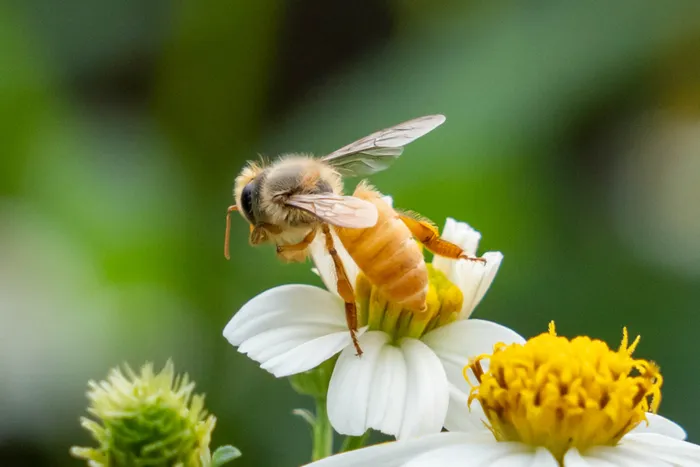
The Asian honey bee (Apis cerana) is a native Indonesian honey bee that nests in cavities, pollinates plants and is kept for honey.
PANDUANHEWAN · INDONESIA
56 animals recorded in Papua in this guide, including the Red bird-of-paradise, Southern cassowary and Pacific swallow, with scientific names, IUCN status (8 threatened) and sources.
PanduanHewan has 56 animal guides recorded in Papua: 32 birds, 13 marine animals, 5 reptiles, 4 mammals and 2 invertebrates. 8 of them are threatened on the IUCN Red List.
This list uses the ranges named in each guide and place labels in a GBIF observation sample. It means an animal has been recorded in Papua; it is not proof of endemism or a complete range map.
The Asian honey bee (Apis cerana) is a native Indonesian honey bee that nests in cavities, pollinates plants and is kept for honey.
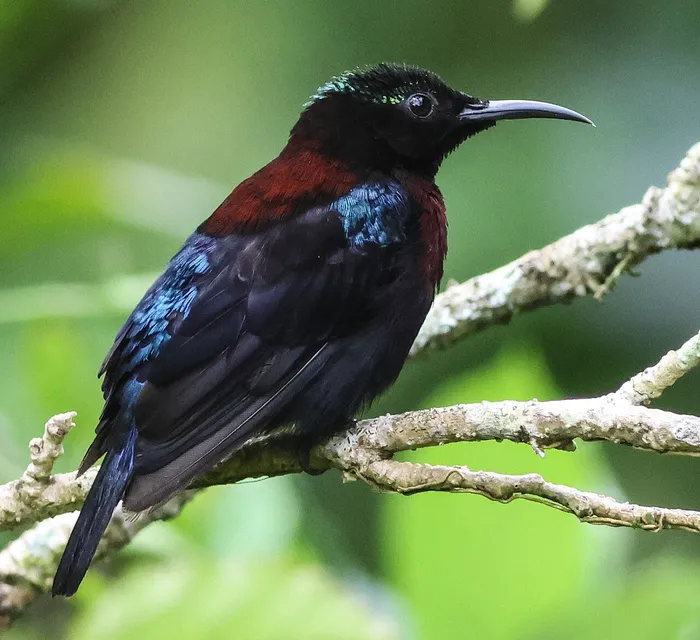
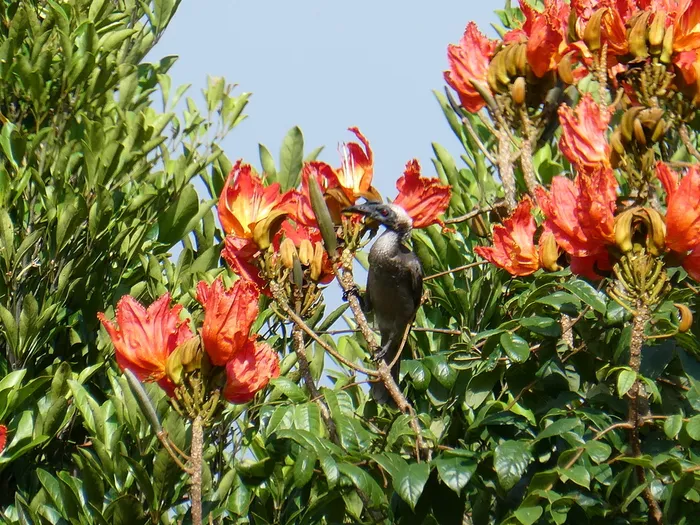
Black Sunbird (Leptocoma sericea). The black sunbird is a nectariniid; its scientific name follows GBIF here, while common names and species limits should be checked against current bird lists.
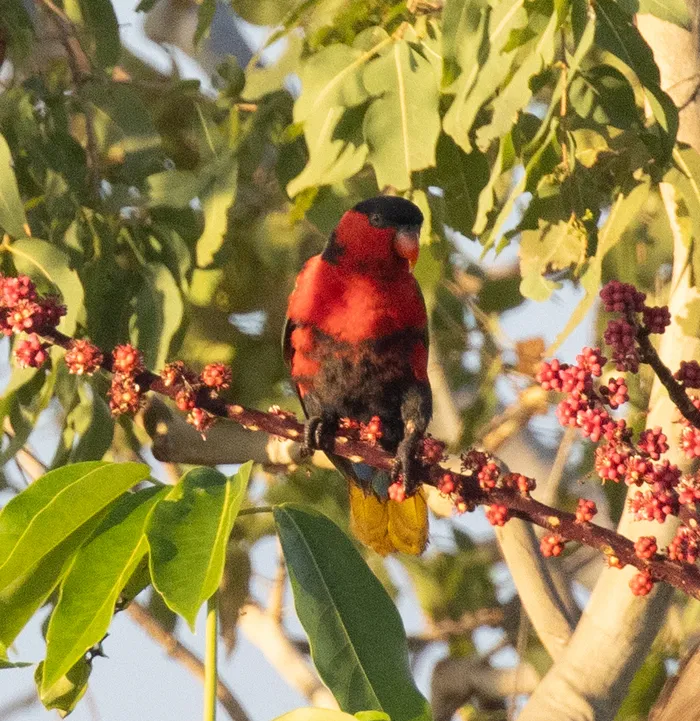
The black-capped lory (Lorius lory) is a red, black-capped parrot of Papua's forests. It is protected in Indonesia yet is among Papua's most-traded birds.
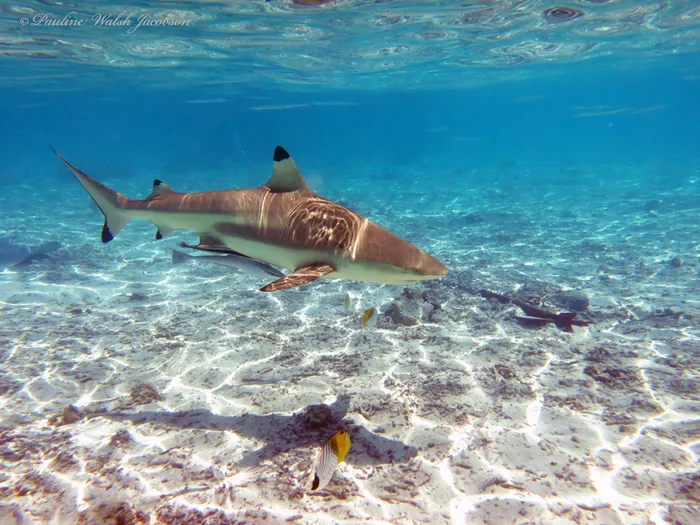
Blacktip Reef Shark (Carcharhinus melanopterus). The blacktip reef shark has dark tips on several fins, especially the first dorsal fin; it differs from the whitetip reef shark.
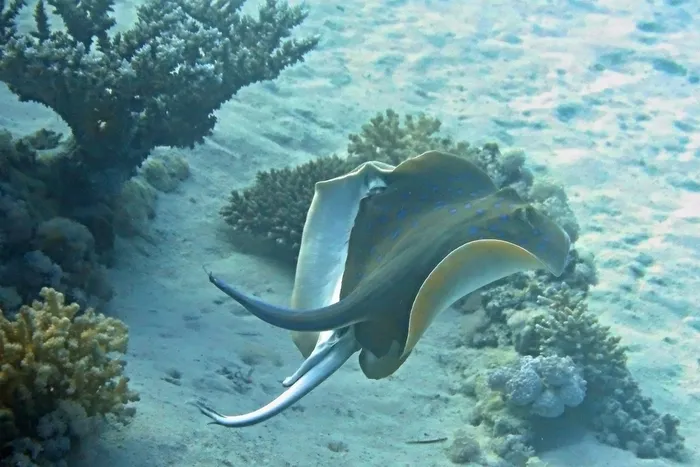
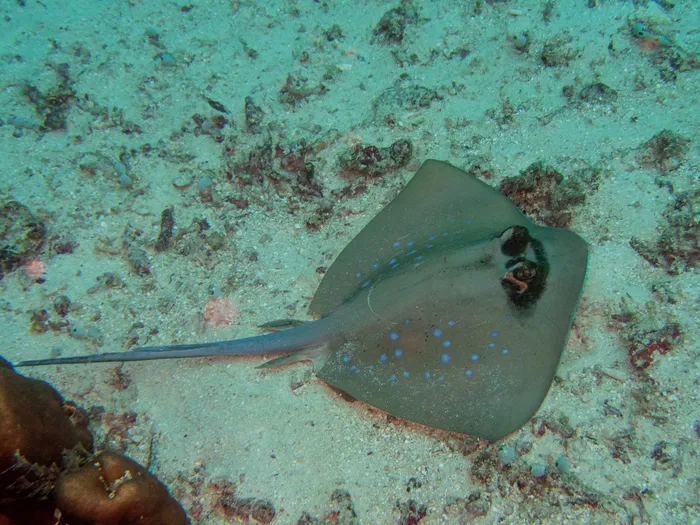
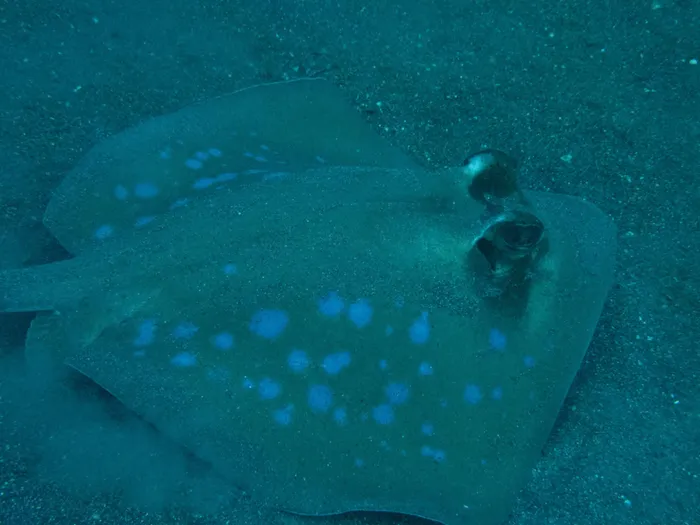
Bluespotted Fantail Ray (Taeniura lymma). The bluespotted fantail ray inhabits Indo-Pacific reefs; blue spots should be checked with disc and tail shape to separate similar maskrays.
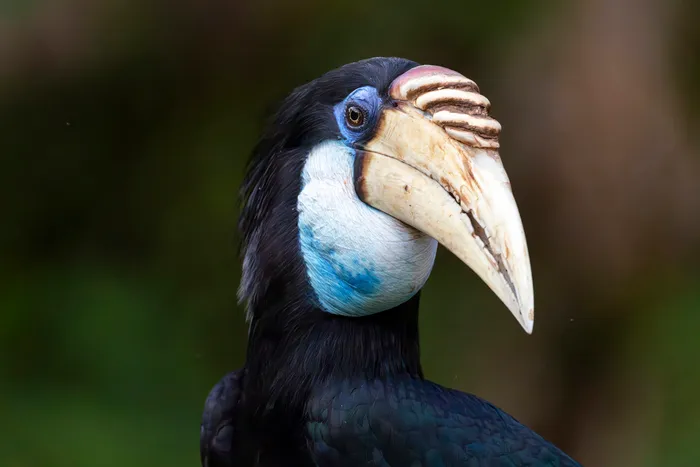
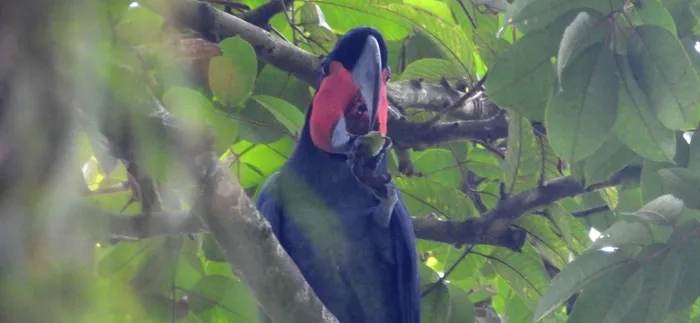
Blyth's Hornbill (Rhyticeros plicatus). Blyth's hornbill is a large canopy hornbill of Wallacea and Melanesia; ground observations may reveal only its silhouette or calls.
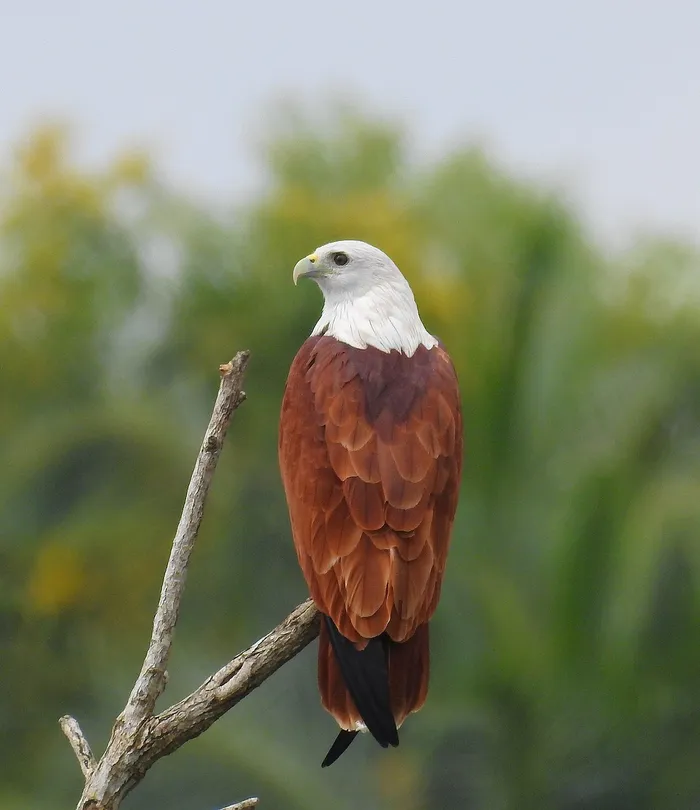
Brahminy Kite (Haliastur indus). The brahminy kite is an accipitrid raptor often associated with coastal landscapes; its pale head and breast contrast with a reddish-brown body.
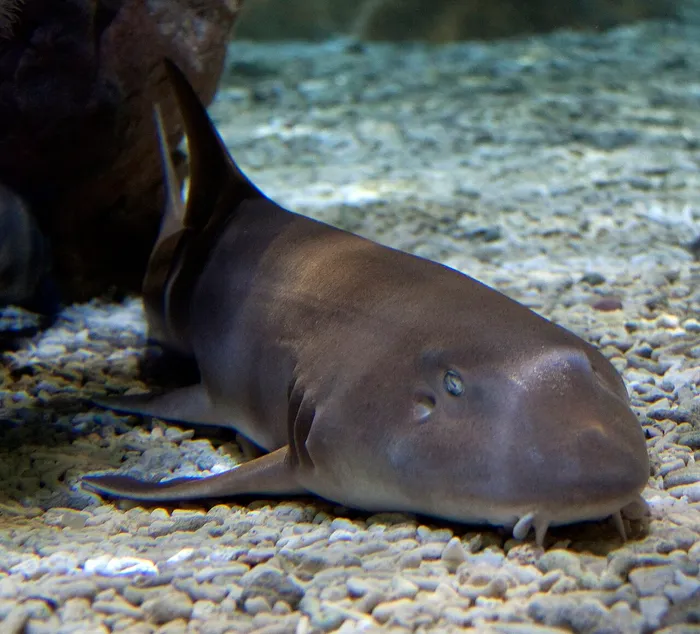
Brown-banded Bamboo Shark (Chiloscyllium punctatum). The brownbanded bamboo shark is an Indo-Pacific bottom-dweller; banding is particularly noticeable in young animals and changes with age.
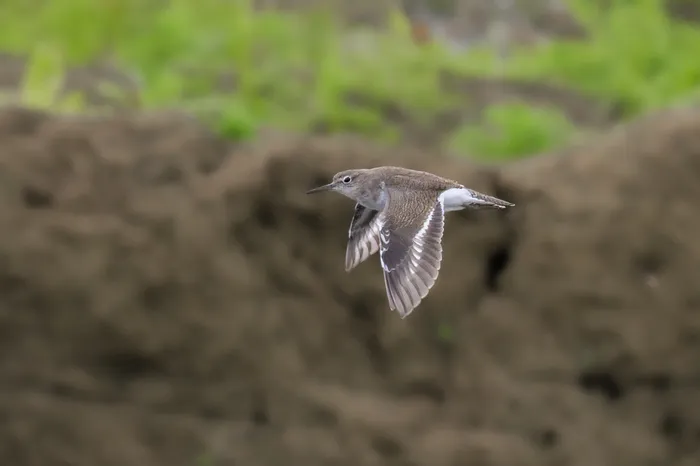
Common Sandpiper (Actitis hypoleucos). This small sandpiper uses water edges and moves between regions; an Indonesian sighting does not by itself indicate local breeding.
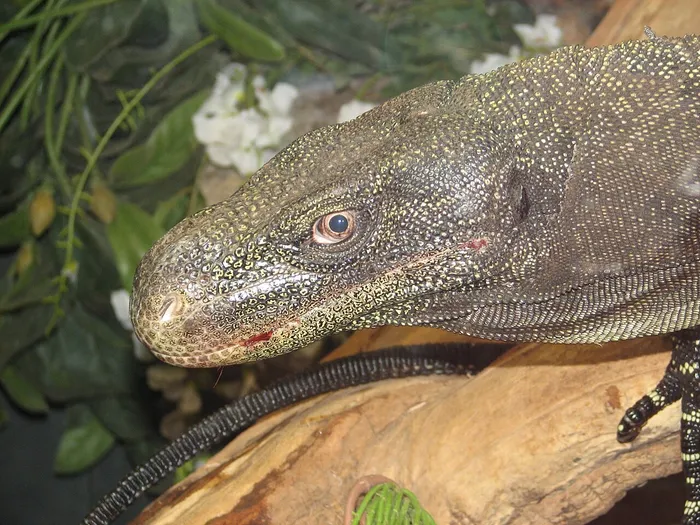
The crocodile monitor (Varanus salvadorii) is a large tree-climbing monitor lizard found only on New Guinea, with a very long tail and serrated teeth.
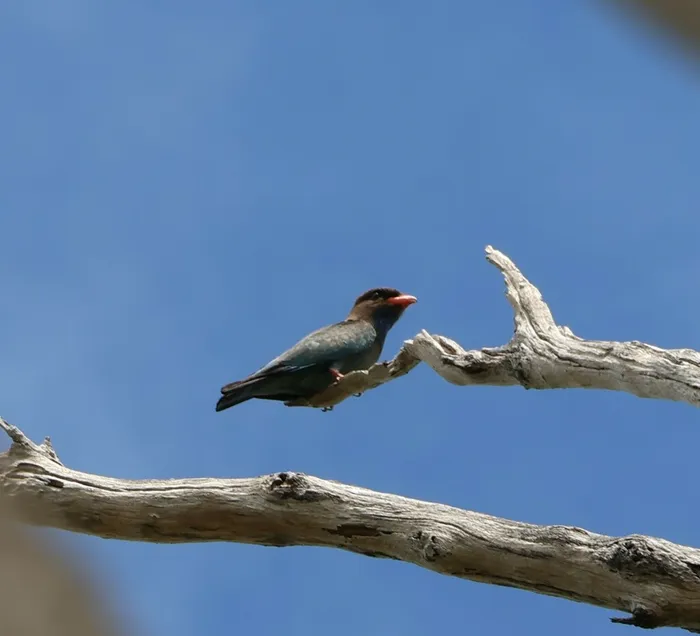
Dollarbird (Eurystomus orientalis). The Oriental dollarbird has rounded blue wing patches visible in flight, the field mark behind its English name.
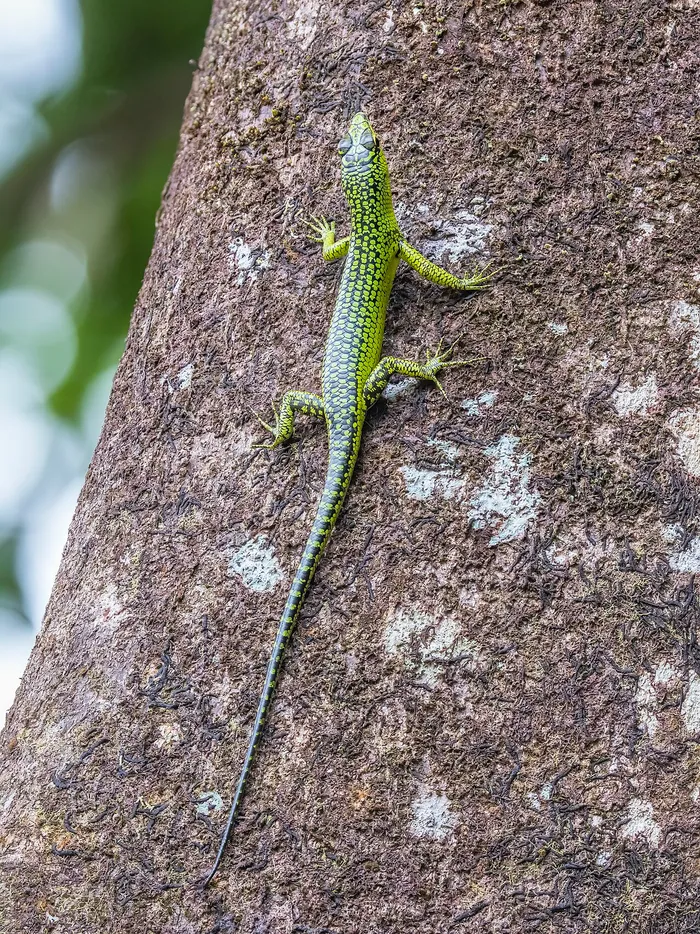
Emerald Tree Skink (Lamprolepis smaragdina). The emerald tree skink is a bright green arboreal skink; green colour alone cannot distinguish it from other green lizards.
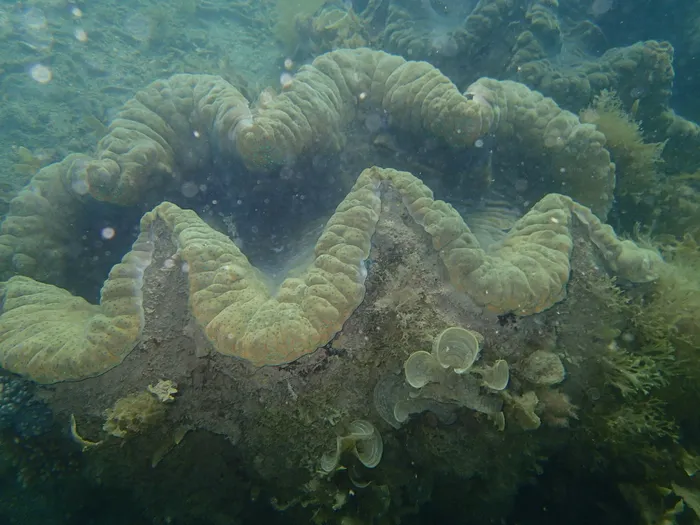
The giant clam (Tridacna gigas) is the world's largest bivalve, living on shallow coral reefs; it is now very rare across most of Indonesia.
Glossy Swiftlet (Collocalia esculenta). The glossy swiftlet is an apodid that searches for food in flight and ranges across Indonesia and neighbouring islands.
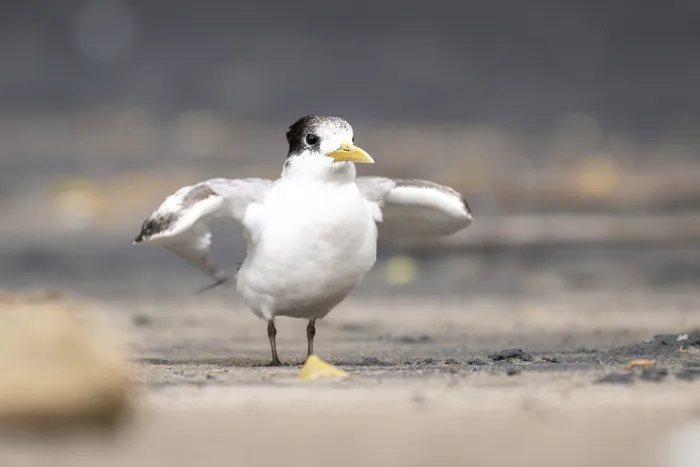
Great Crested Tern (Thalasseus bergii). The great crested tern forages over coastal sea and nests in colonies on coasts and islands; disturbance at a colony can affect many nests.
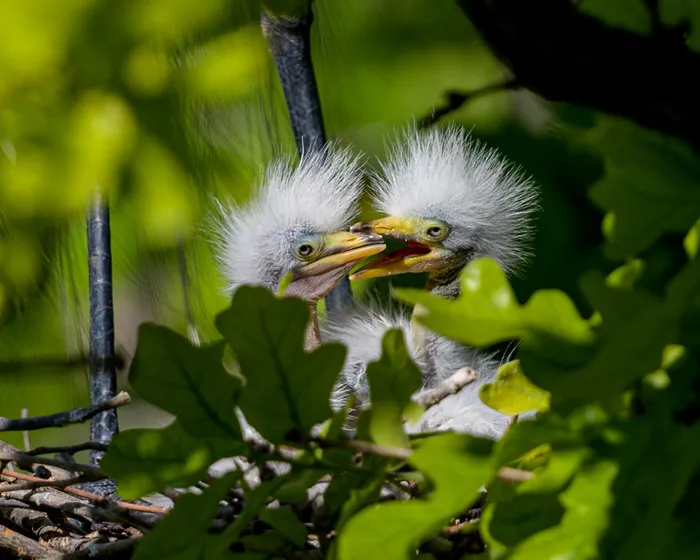
Great Egret (Ardea alba). The great egret is a widespread large white heron; compare body size, bill shape and leg colour with smaller egrets.
The greater bird-of-paradise (Paradisaea apoda) is a yellow-plumed bird-of-paradise of the Aru Islands and the southern lowlands of New Guinea.
Helmeted Friarbird (Philemon buceroides). The helmeted friarbird belongs to the honeyeater family Meliphagidae; its helmet-like head does not make it a hornbill.
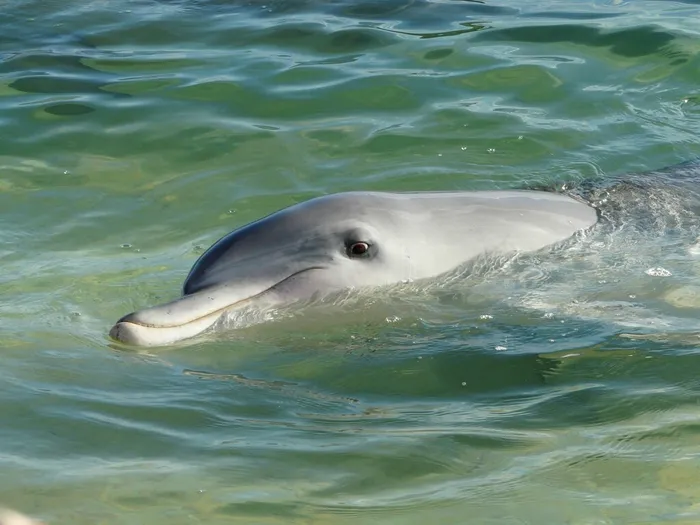
The Indo-Pacific bottlenose dolphin (Tursiops aduncus) is a coastal dolphin with a spotted belly that is fully protected in Indonesia.
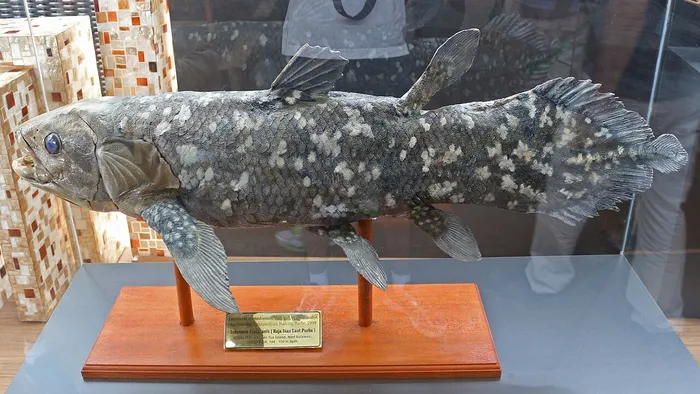
The Indonesian coelacanth (Latimeria menadoensis) is a rare, deep-water lobe-finned fish known from Sulawesi to Papua, first recognised in 1997.
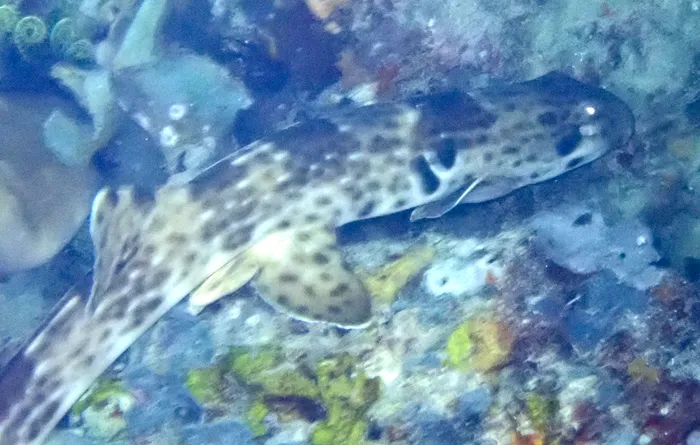
Indonesian Speckled Carpetshark (Hemiscyllium freycineti). The Indonesian speckled carpetshark is known from shallow Raja Ampat waters; older accounts included populations now assigned to other species.
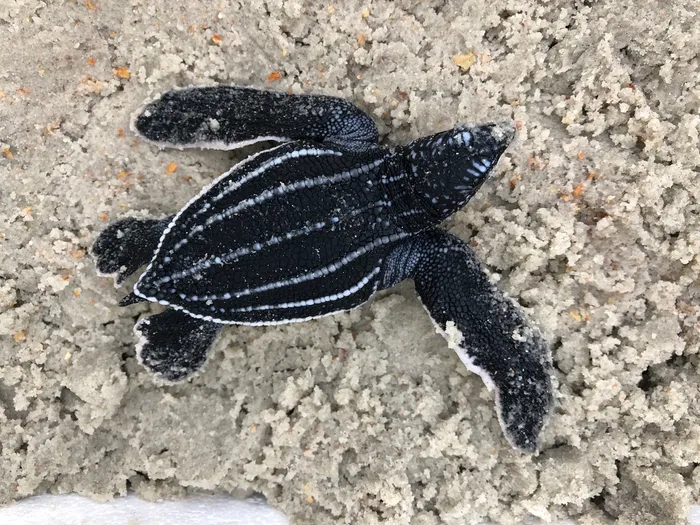
The leatherback (Dermochelys coriacea) is the world's largest turtle, with a leathery shell; in Indonesia it nests mainly in Tambrauw, Southwest Papua.
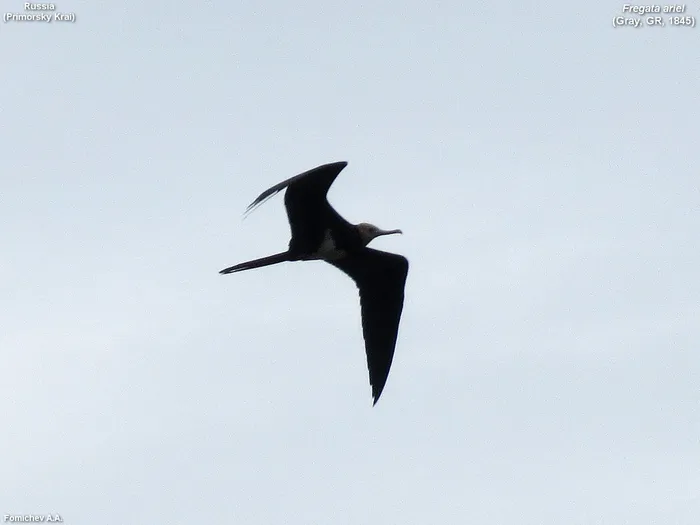
Lesser Frigatebird (Fregata ariel). The lesser frigatebird is relatively small for a frigatebird and spends much of its time airborne above tropical seas.
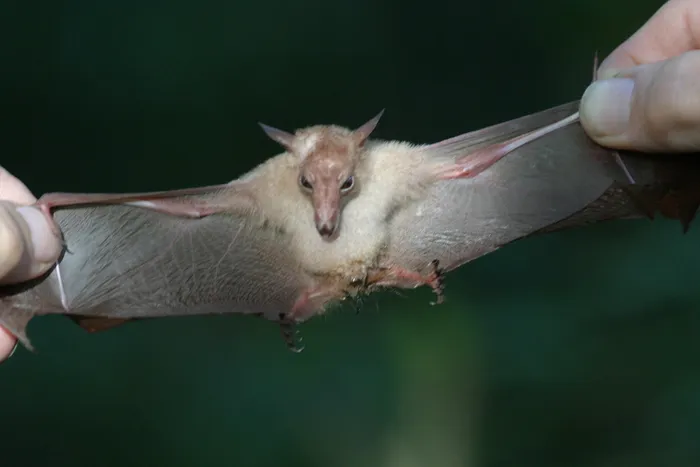
Lesser Long-tongued Fruit Bat (Macroglossus minimus). The lesser long-tongued fruit bat feeds at flowers and is much smaller than large flying foxes; size alone cannot identify it reliably.
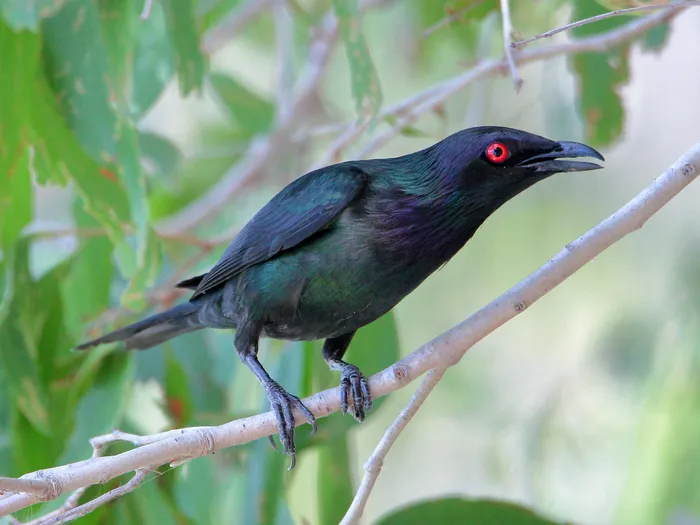
Metallic Starling (Aplonis metallica). The metallic starling ranges from the Moluccas and New Guinea to northern Australia; its apparent iridescence changes with light.
Moluccan Bluespotted Maskray (Neotrygon moluccensis). The Moluccan bluespotted maskray is a narrowly defined Neotrygon; generic blue-spotted ray records cannot automatically be assigned to it.
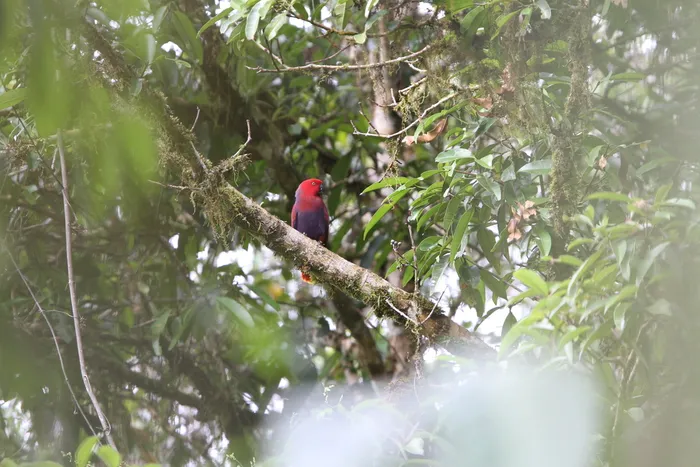
Moluccan Eclectus (Eclectus roratus). Eclectus parrots show striking male-female colour differences; island origin also matters because species limits in the eclectus complex have changed.
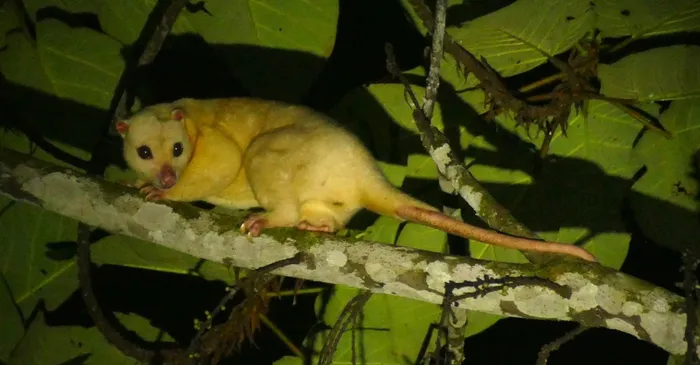
Northern Common Cuscus (Phalanger orientalis). The northern common cuscus is a New Guinean-region marsupial; some island populations may reflect human movement.
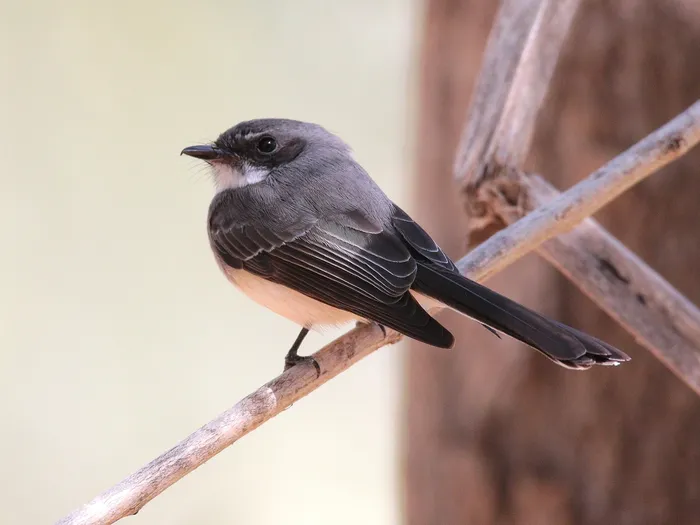
Northern Fantail (Rhipidura rufiventris). The northern fantail occurs in eastern Indonesian lowland and moist forest; a fanned tail identifies the family but not the species by itself.
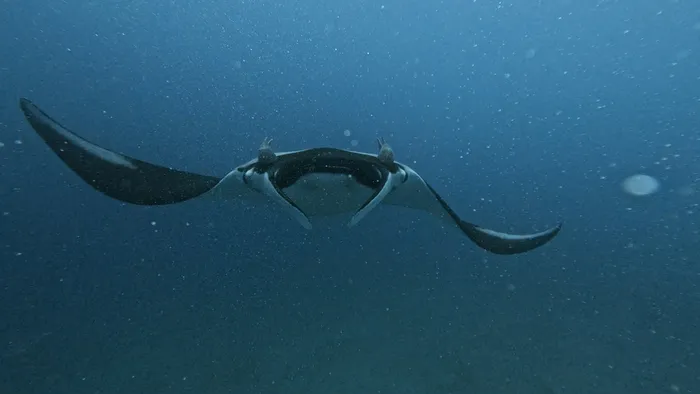
Oceanic Manta Ray (Mobula birostris). The giant oceanic manta ray differs from Indonesia's reef manta; size, habitat and body characters should be considered together rather than the word 'manta' alone.
Oriental Bluespotted Maskray (Neotrygon orientale). The Oriental bluespotted maskray is reported from Indonesia and nearby countries; sources use orientale and orientalis spellings, so taxonomy should be cited.
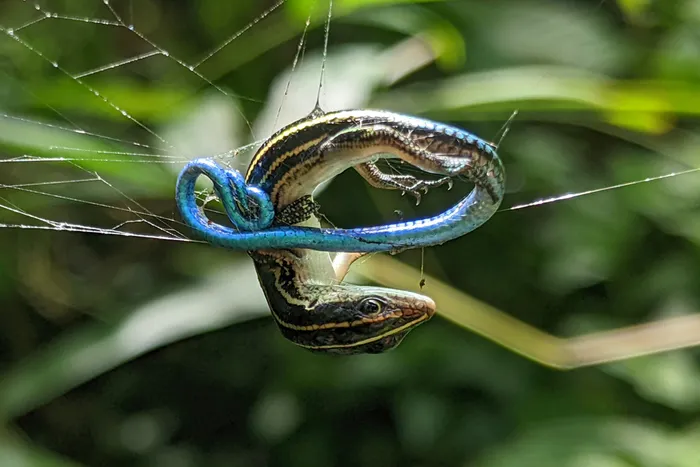
Pacific Bluetail Skink (Emoia caeruleocauda). The Pacific bluetail skink can show a blue tail, especially at some ages; colour changes and other skinks also have blue tails.
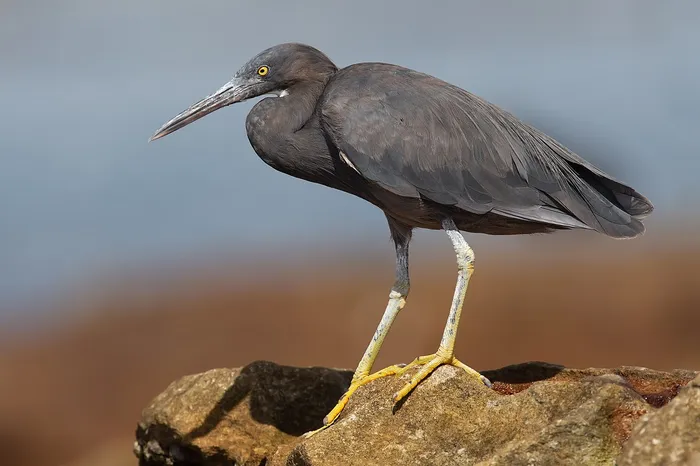
Pacific Reef Heron (Egretta sacra). The Pacific reef heron uses rocky coasts and reefs; pale and dark colour forms make habitat and shape important in identification.
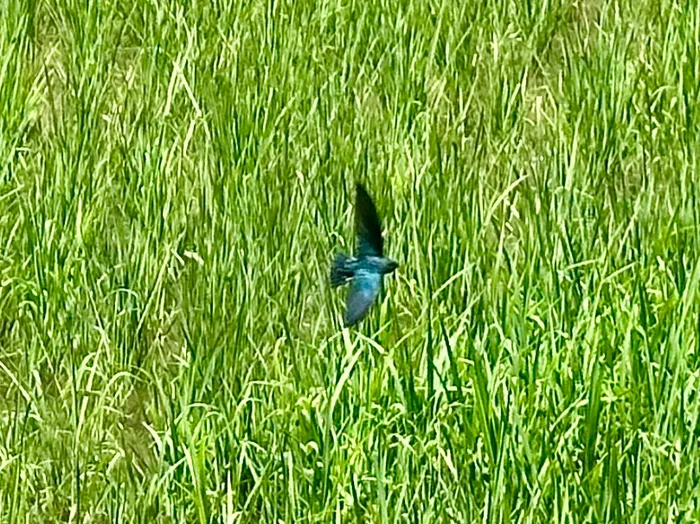
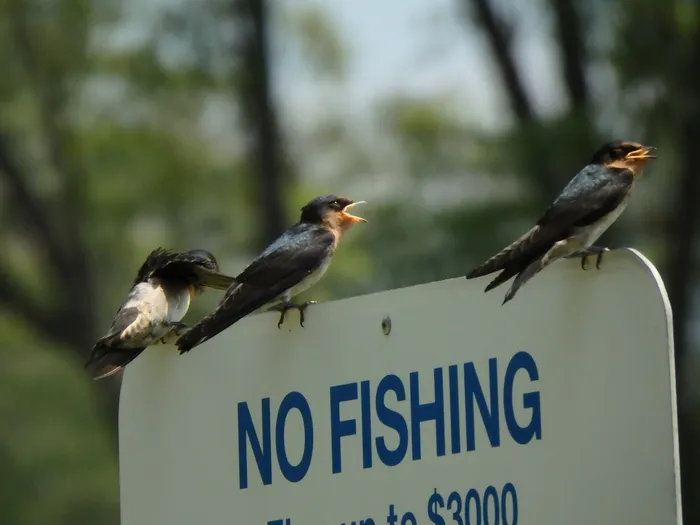
A small swallow that catches insects in flight and builds a mud nest. Its scientific name matters because Pacific swallow taxonomy has changed.
The palm cockatoo (Probosciger aterrimus) is a large black cockatoo with red cheek patches from New Guinea and the Aru Islands, known for drumming.
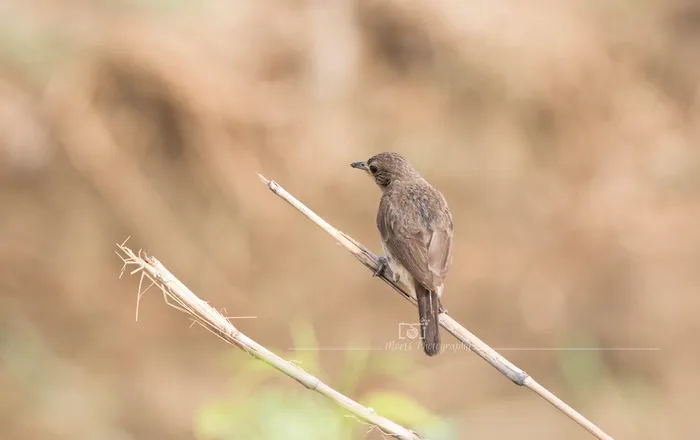
Pied Bushchat (Saxicola caprata). The pied bush chat uses open country; male and female plumage differs, so black-and-white appearance alone does not describe every bird.
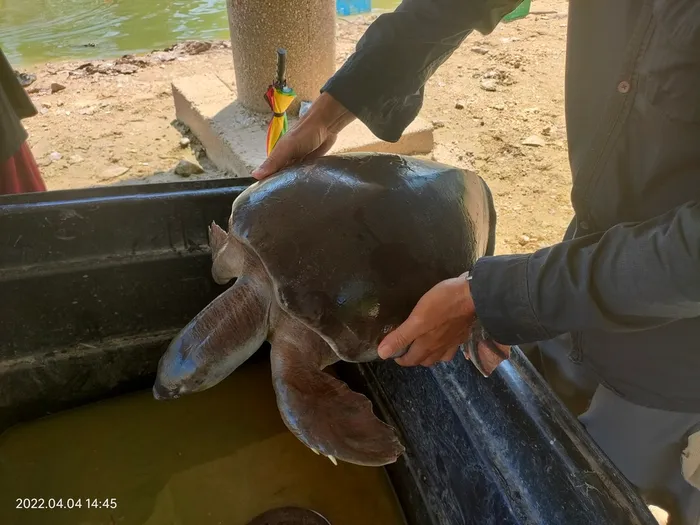
The pig-nosed turtle (Carettochelys insculpta) is a flipper-limbed freshwater turtle of southern Papua, threatened by egg harvest and hatchling smuggling.
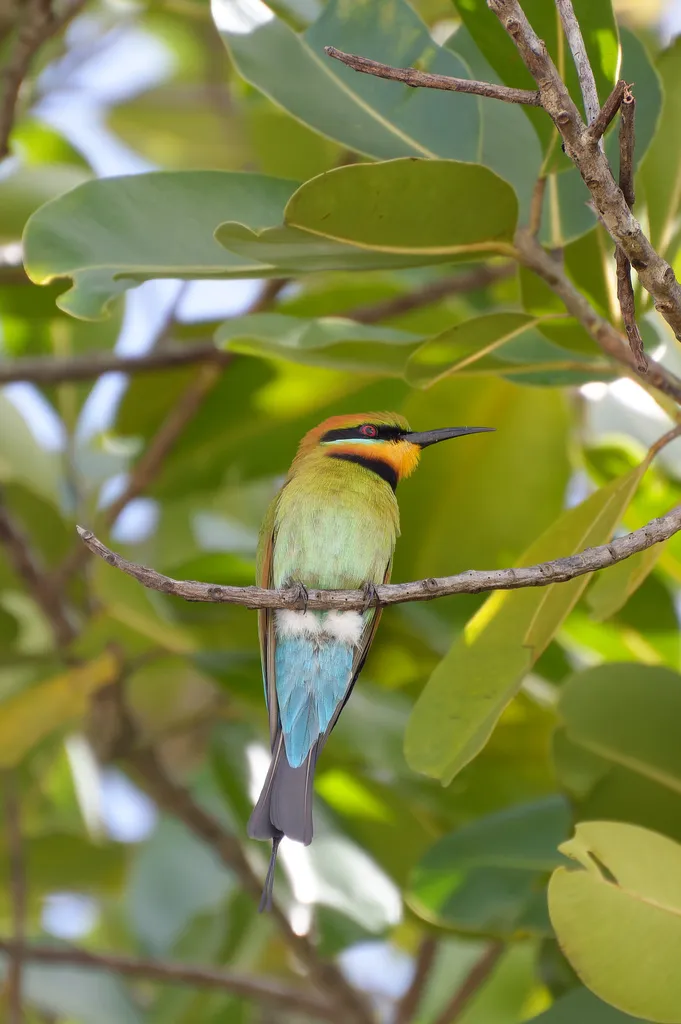
Rainbow Bee-eater (Merops ornatus). The rainbow bee-eater catches flying insects and is well known from Australia and nearby regions; Indonesian records need locality and movement context.
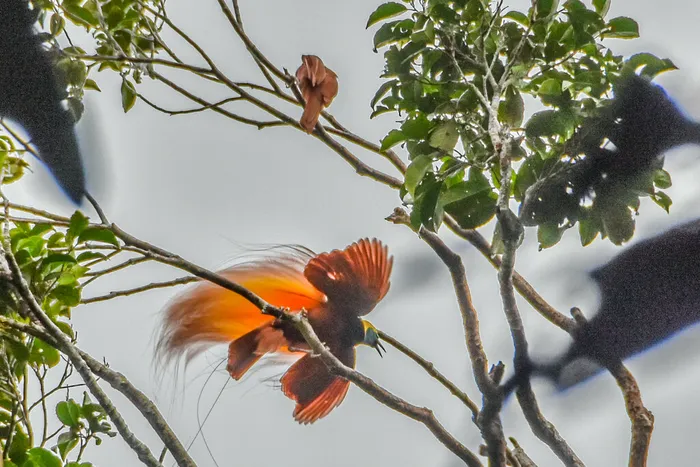
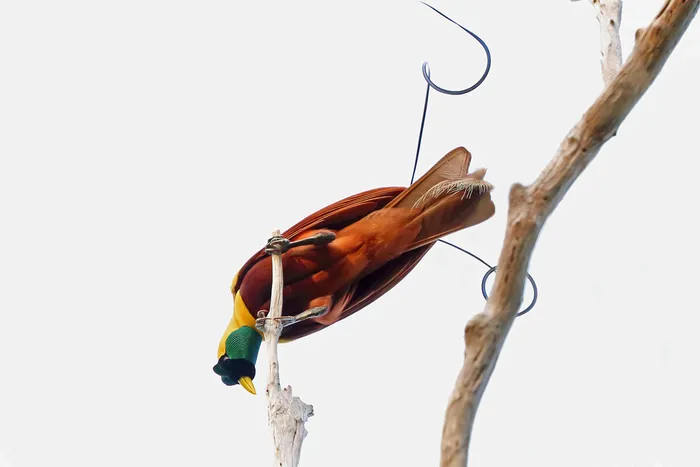
A forest bird of Raja Ampat whose males carry red plumes and two long tail ribbons. Its striking displays connect birdwatching with forest conservation.
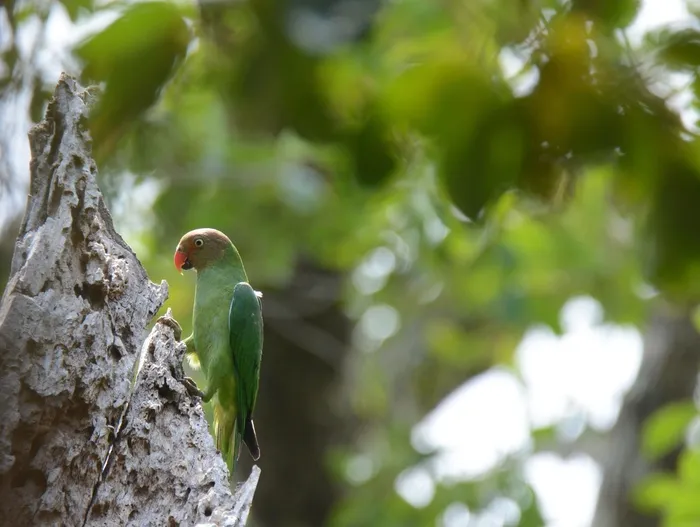
Red-cheeked Parrot (Geoffroyus geoffroyi). The red-cheeked parrot is a stout parrot of eastern Indonesia and New Guinea; subspecies labels should not be treated as evidence for every population's range.
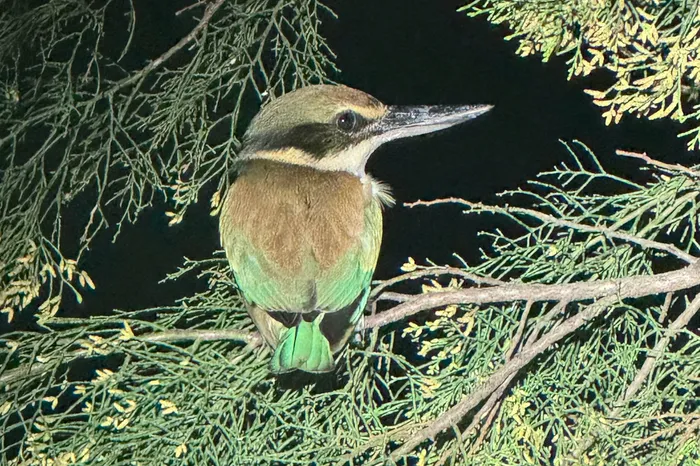
Sacred Kingfisher (Todiramphus sanctus). The sacred kingfisher uses mangroves, open woodland and river valleys; movement in some populations makes date and locality useful.
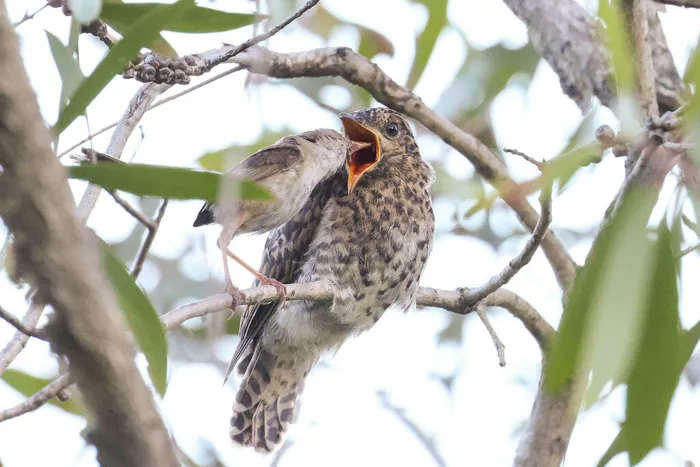
Sahul Brush Cuckoo (Cacomantis variolosus). The Sahul brush cuckoo belongs to Cuculidae; voice, plumage and locality matter because common names and species limits in this group change.
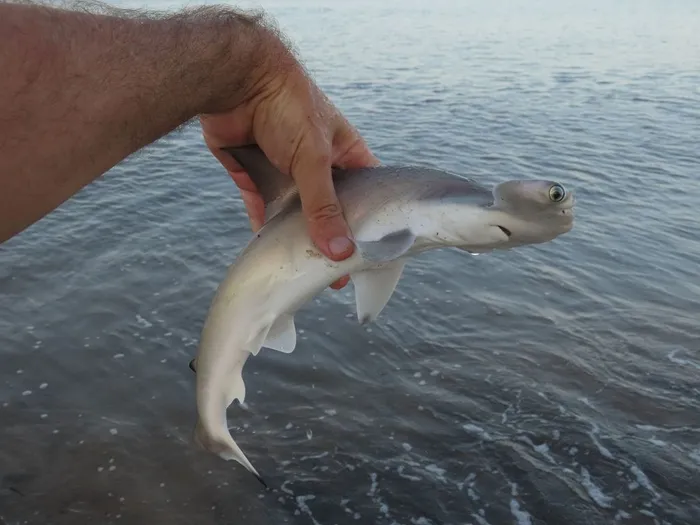
The scalloped hammerhead (Sphyrna lewini) is a hammer-headed shark with a notched snout, found across Indonesian seas and listed as Critically Endangered.
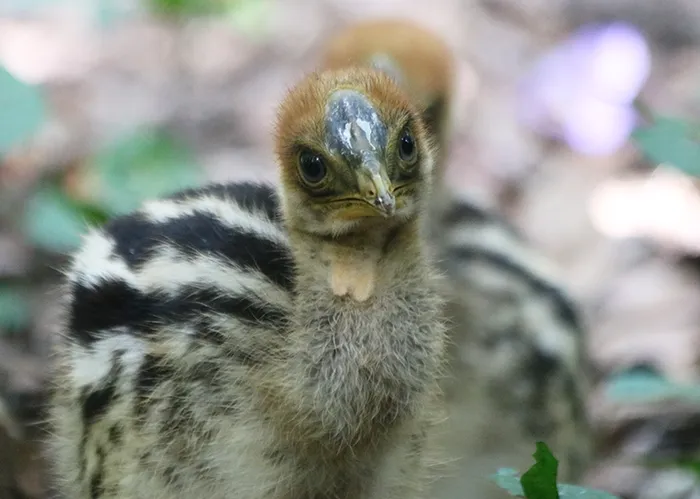
A large flightless bird that disperses seeds through its feeding. This profile concerns Casuarius casuarius, one of the cassowary species in the New Guinea region.
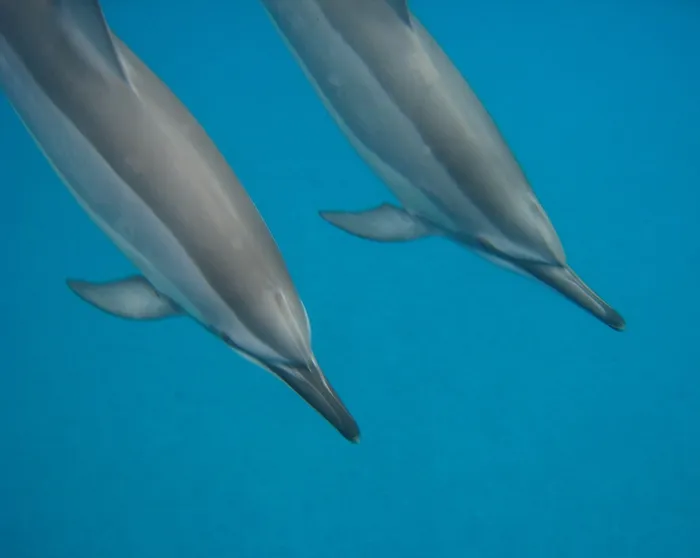
Spinner Dolphin (Stenella longirostris). Spinner dolphins are known for rotating leaps, but each leap need not have the same function; vessel encounters should maintain distance.
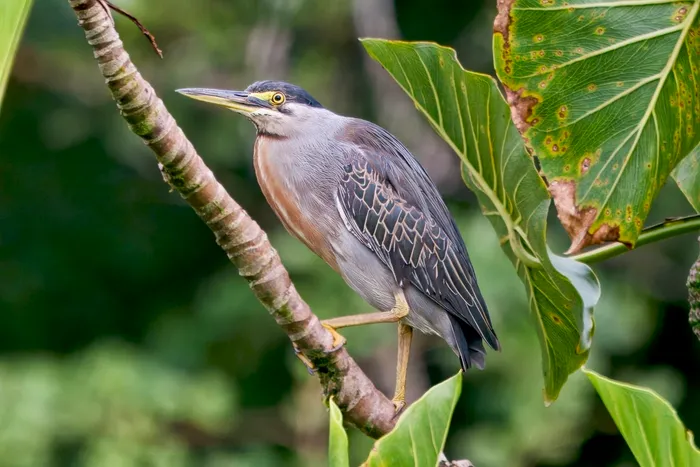
Striated Heron (Butorides striata). The striated heron is a small heron often using mangrove edges and shallow water; its current name distinguishes it from the American green heron.
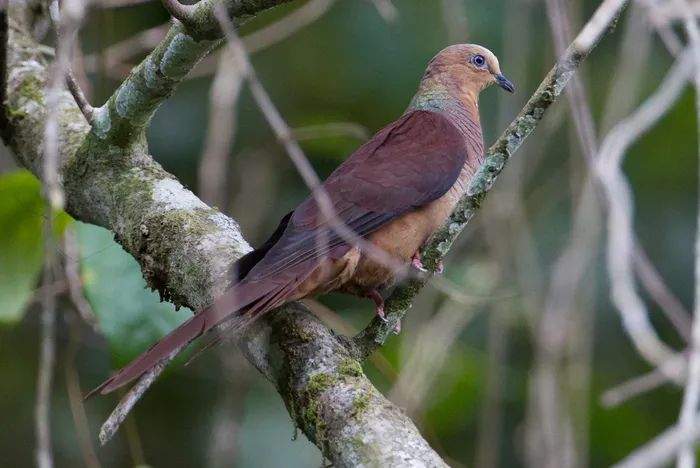
Sultan's Cuckoo-Dove (Macropygia doreya). Sultan's cuckoo-dove ranges from the northern Moluccas and Sulawesi towards New Guinea; its taxonomy reflects a split from a former cuckoo-dove complex.
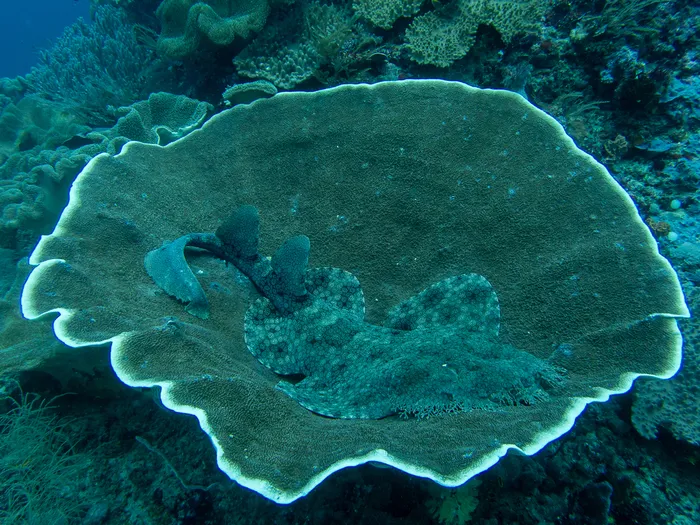
Tasselled Wobbegong (Eucrossorhinus dasypogon). The tasselled wobbegong blends into shallow reef bottoms near New Guinea and northern Australia; branched head fringes add to its camouflage.
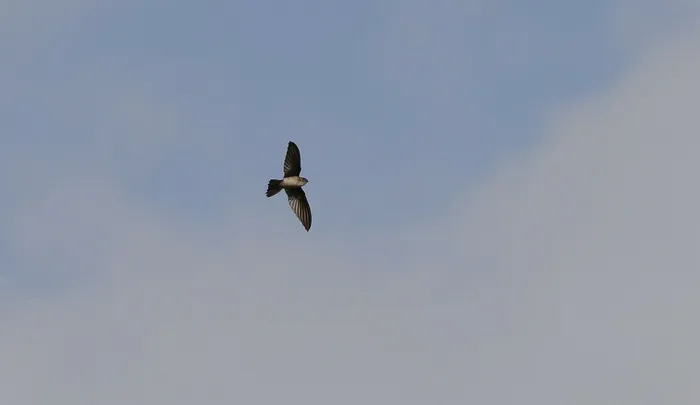
Uniform Swiftlet (Aerodramus vanikorensis). The uniform swiftlet has grey-brown plumage, darker upperparts and a shallow forked tail; lookalike swiftlets make clear photos and locality valuable.
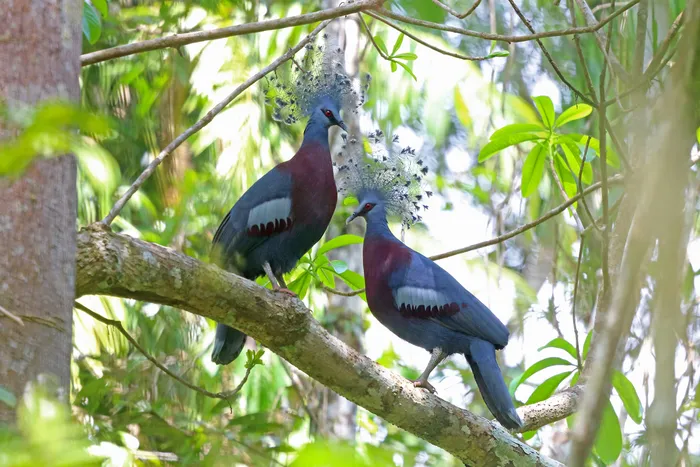
The Victoria crowned pigeon (Goura victoria) is a giant pigeon with a lacy blue crest, living in lowland forest in northern Papua, Yapen and Biak.
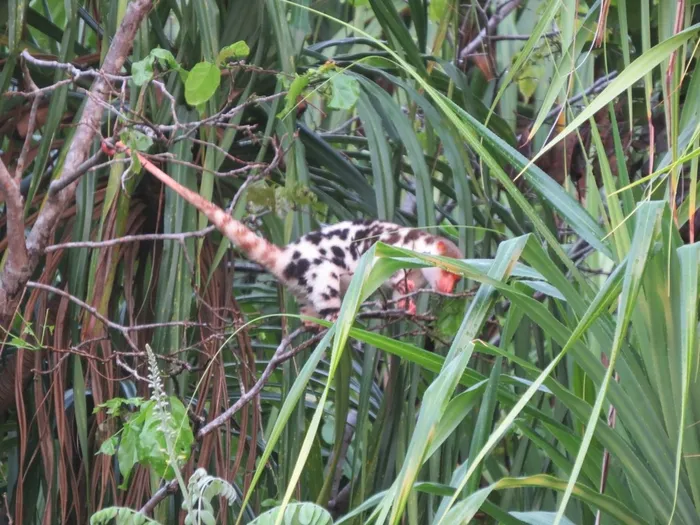
Waigeo Spotted Cuscus (Spilocuscus papuensis). The Waigeo spotted cuscus is a marsupial native to Waigeo Island; outlying records need scrutiny before being treated as natural range.
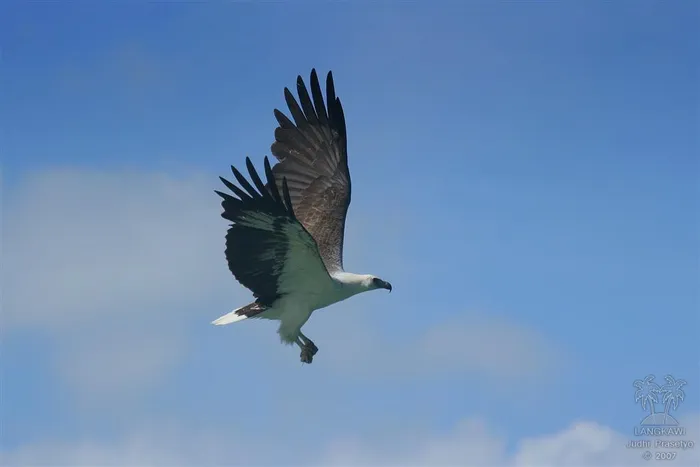
White-bellied Sea Eagle (Haliaeetus leucogaster). The white-bellied sea eagle has a white head, rump and underside with dark-grey upperwings; it uses coasts and major rivers.
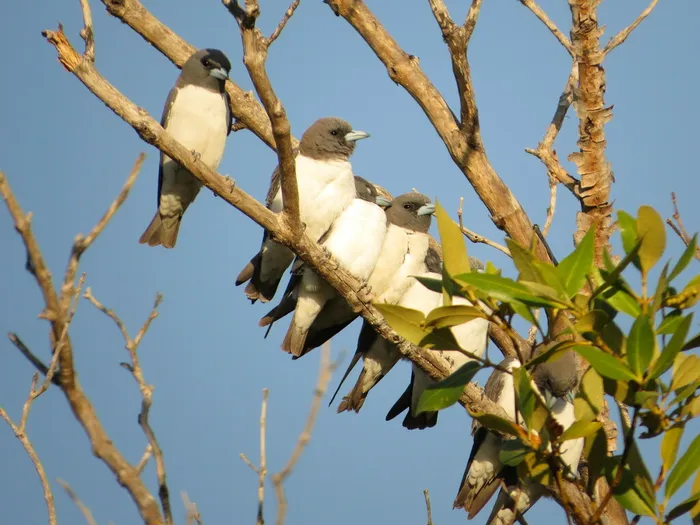
White-breasted Woodswallow (Artamus leucorhynchos). GBIF's spelling differs from the BirdLife Australia name for the white-breasted woodswallow; its white chest contrasts with a dark-grey head.
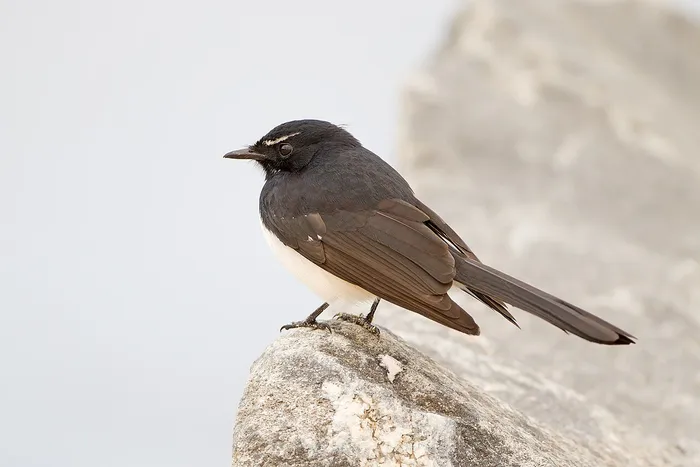
Willie Wagtail (Rhipidura leucophrys). The willie wagtail actively flicks its tail while foraging; locality matters across its Australian, New Guinean and eastern Indonesian range.
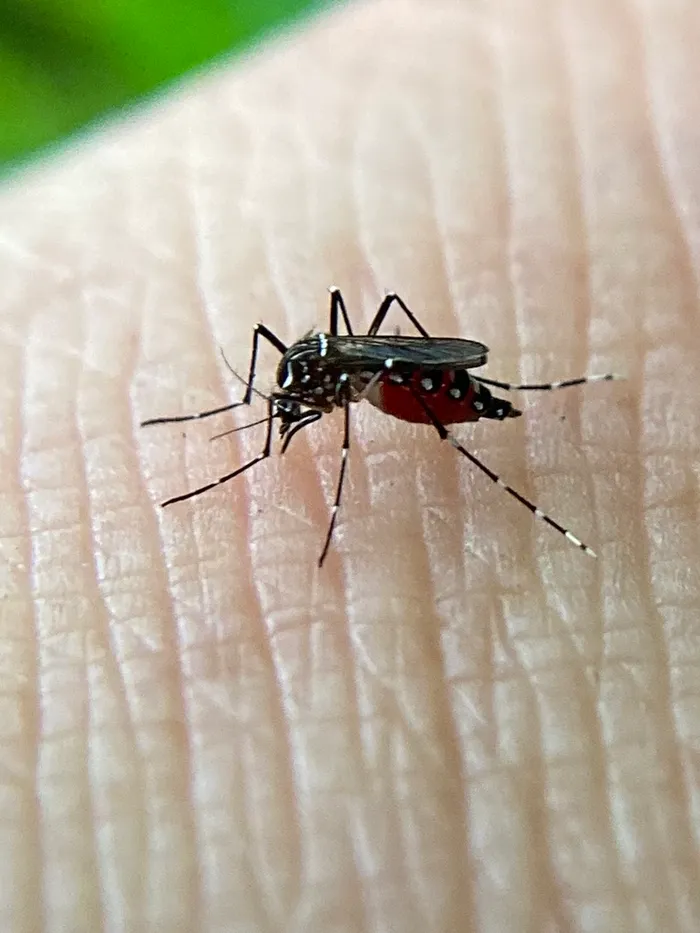
The yellow fever mosquito (Aedes aegypti) is a black-and-white, day-biting mosquito and the main carrier of dengue virus in Indonesia.
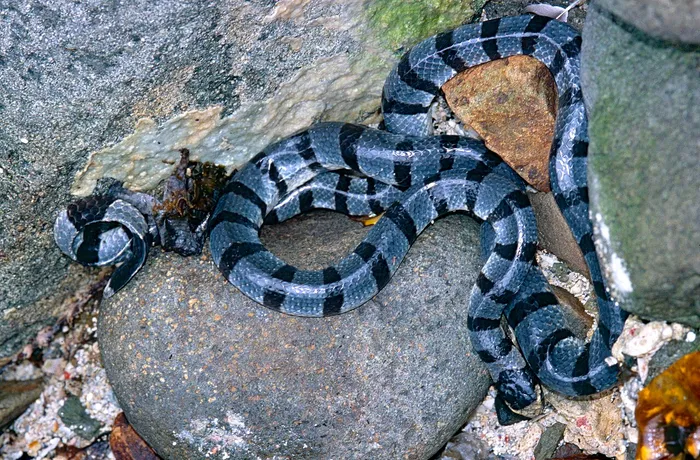
Yellow-lipped Sea Krait (Laticauda colubrina). The yellow-lipped sea krait has dark-and-light bands and uses both sea and land during its life cycle; it is venomous and should not be handled.
| Name | Scientific name | Group | Conservation status |
|---|---|---|---|
| Asian honey bee | Apis cerana | Invertebrates | Not recorded |
| Black Sunbird | Leptocoma sericea | Birds | Least Concern |
| Black-capped lory | Lorius lory | Birds | Least Concern |
| Blacktip Reef Shark | Carcharhinus melanopterus | Marine | Vulnerable |
| Bluespotted Fantail Ray | Taeniura lymma | Marine | Least Concern |
| Blyth's Hornbill | Rhyticeros plicatus | Birds | Least Concern |
| Brahminy Kite | Haliastur indus | Birds | Least Concern |
| Brown-banded Bamboo Shark | Chiloscyllium punctatum | Marine | Near Threatened |
| Common Sandpiper | Actitis hypoleucos | Birds | Least Concern |
| Crocodile monitor | Varanus salvadorii | Reptiles | Least Concern |
| Dollarbird | Eurystomus orientalis | Birds | Least Concern |
| Emerald Tree Skink | Lamprolepis smaragdina | Reptiles | Least Concern |
| Giant clam | Tridacna gigas | Marine | Critically Endangered |
| Glossy Swiftlet | Collocalia esculenta | Birds | Least Concern |
| Great Crested Tern | Thalasseus bergii | Birds | Least Concern |
| Great Egret | Ardea alba | Birds | Least Concern |
| Greater bird-of-paradise | Paradisaea apoda | Birds | Least Concern |
| Helmeted Friarbird | Philemon buceroides | Birds | Least Concern |
| Indo-Pacific bottlenose dolphin | Tursiops aduncus | Marine | Near Threatened |
| Indonesian coelacanth | Latimeria menadoensis | Marine | Vulnerable |
| Indonesian Speckled Carpetshark | Hemiscyllium freycineti | Marine | Near Threatened |
| Leatherback turtle | Dermochelys coriacea | Marine | Vulnerable |
| Lesser Frigatebird | Fregata ariel | Birds | Least Concern |
| Lesser Long-tongued Fruit Bat | Macroglossus minimus | Mammals | Least Concern |
| Metallic Starling | Aplonis metallica | Birds | Least Concern |
| Moluccan Bluespotted Maskray | Neotrygon moluccensis | Marine | Not recorded |
| Moluccan Eclectus | Eclectus roratus | Birds | Least Concern |
| Northern Common Cuscus | Phalanger orientalis | Mammals | Least Concern |
| Northern Fantail | Rhipidura rufiventris | Birds | Least Concern |
| Oceanic Manta Ray | Mobula birostris | Marine | Endangered |
| Oriental Bluespotted Maskray | Neotrygon orientale | Marine | Not recorded |
| Pacific Bluetail Skink | Emoia caeruleocauda | Reptiles | Least Concern |
| Pacific Reef Heron | Egretta sacra | Birds | Least Concern |
| Pacific swallow | Hirundo javanica | Birds | Least Concern |
| Palm cockatoo | Probosciger aterrimus | Birds | Near Threatened |
| Pied Bushchat | Saxicola caprata | Birds | Least Concern |
| Pig-nosed turtle | Carettochelys insculpta | Reptiles | Endangered |
| Rainbow Bee-eater | Merops ornatus | Birds | Least Concern |
| Red bird-of-paradise | Paradisaea rubra | Birds | Near Threatened |
| Red-cheeked Parrot | Geoffroyus geoffroyi | Birds | Least Concern |
| Sacred Kingfisher | Todiramphus sanctus | Birds | Least Concern |
| Sahul Brush Cuckoo | Cacomantis variolosus | Birds | Least Concern |
| Scalloped hammerhead shark | Sphyrna lewini | Marine | Critically Endangered |
| Southern cassowary | Casuarius casuarius | Birds | Least Concern |
| Spinner Dolphin | Stenella longirostris | Mammals | Least Concern |
| Striated Heron | Butorides striata | Birds | Least Concern |
| Sultan's Cuckoo-Dove | Macropygia doreya | Birds | Not recorded |
| Tasselled Wobbegong | Eucrossorhinus dasypogon | Marine | Least Concern |
| Uniform Swiftlet | Aerodramus vanikorensis | Birds | Least Concern |
| Victoria crowned pigeon | Goura victoria | Birds | Near Threatened |
| Waigeo Spotted Cuscus | Spilocuscus papuensis | Mammals | Vulnerable |
| White-bellied Sea Eagle | Haliaeetus leucogaster | Birds | Least Concern |
| White-breasted Woodswallow | Artamus leucorhynchos | Birds | Not recorded |
| Willie Wagtail | Rhipidura leucophrys | Birds | Least Concern |
| Yellow fever mosquito | Aedes aegypti | Invertebrates | Not recorded |
| Yellow-lipped Sea Krait | Laticauda colubrina | Reptiles | Least Concern |
Search by name, habitat or island in the animal directory.