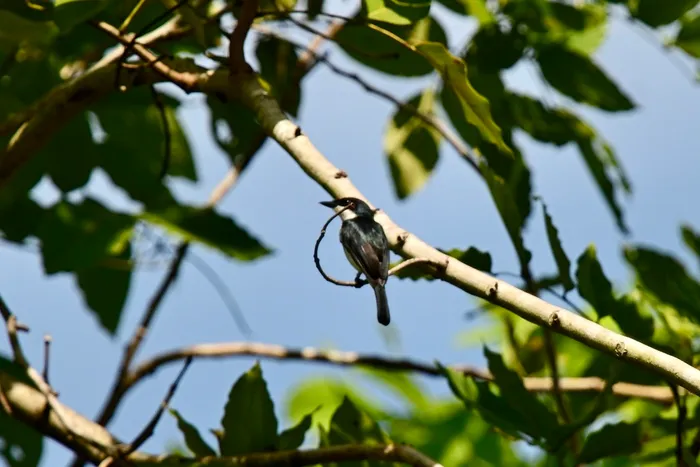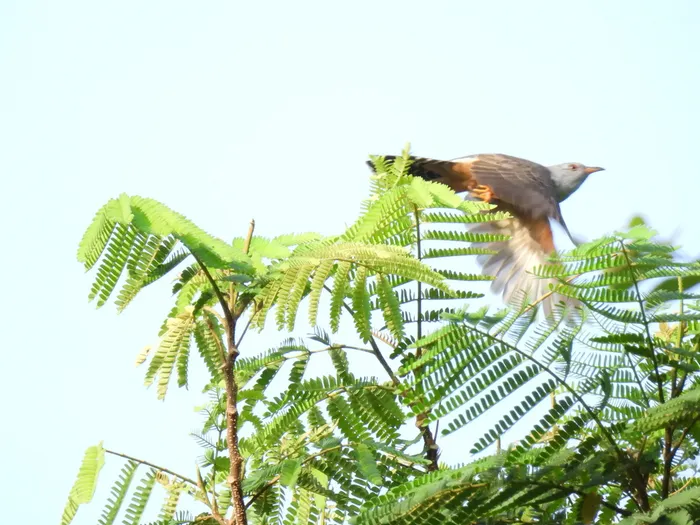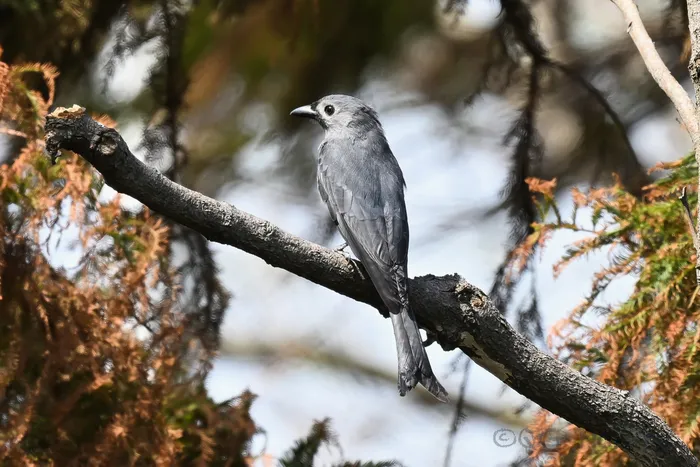
Dicrurus leucophaeus
Ashy Drongo (Dicrurus leucophaeus). Ashy drongos vary across populations in grey tone and movement; photographs and dates improve the interpretation of sightings.
PANDUANHEWAN · INDONESIA
145 animals recorded in Java in this guide, including the Javan rhinoceros, Javan slow loris and Javan gibbon, with scientific names, IUCN status (20 threatened) and sources.
PanduanHewan has 145 animal guides recorded in Java: 64 birds, 31 mammals, 27 reptiles, 10 amphibians, 10 invertebrates and 3 marine animals. 20 of them are threatened on the IUCN Red List.
This list uses the ranges named in each guide and place labels in a GBIF observation sample. It means an animal has been recorded in Java; it is not proof of endemism or a complete range map.
Ashy Drongo (Dicrurus leucophaeus). Ashy drongos vary across populations in grey tone and movement; photographs and dates improve the interpretation of sightings.
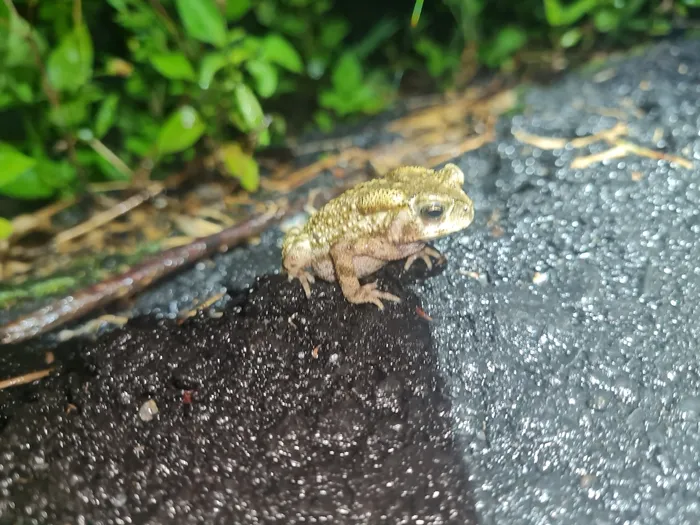
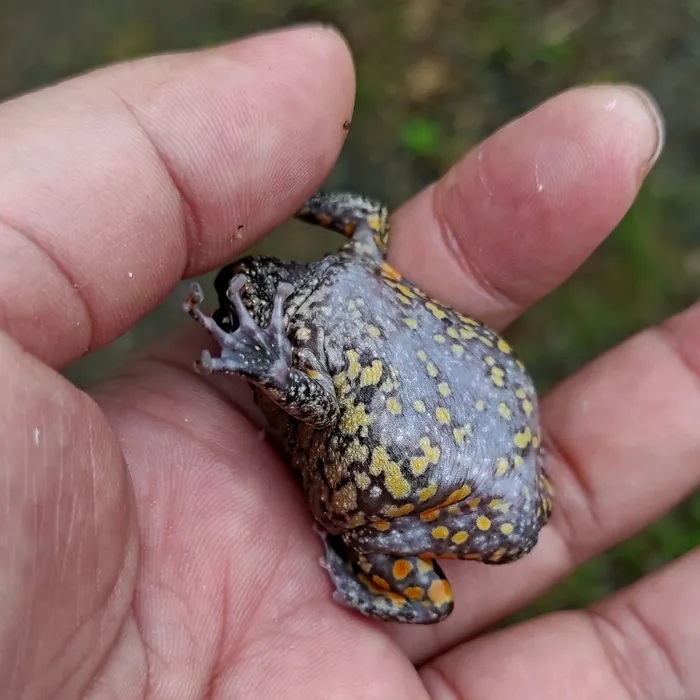
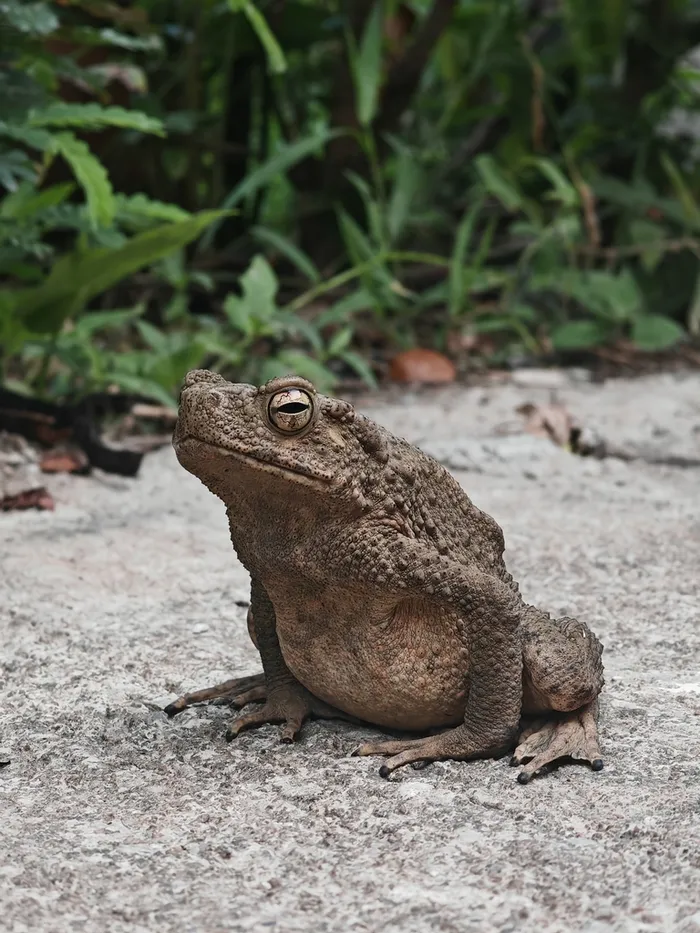
Asian Common Toad (Duttaphrynus melanostictus). Asian common toads use many human-modified habitats; genetic research suggests the name may encompass a more complex set of lineages.
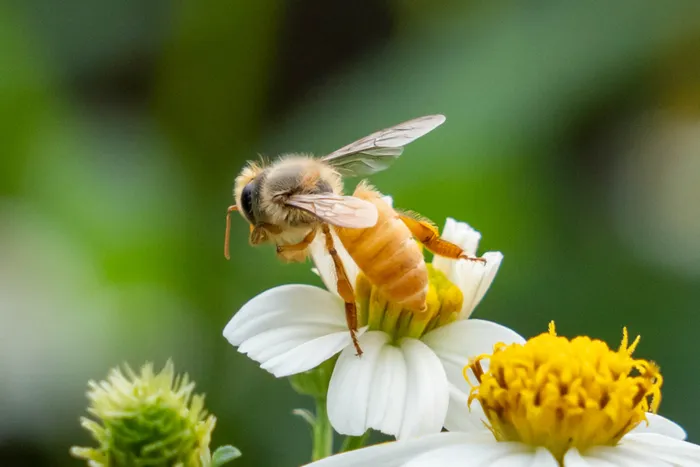
The Asian honey bee (Apis cerana) is a native Indonesian honey bee that nests in cavities, pollinates plants and is kept for honey.
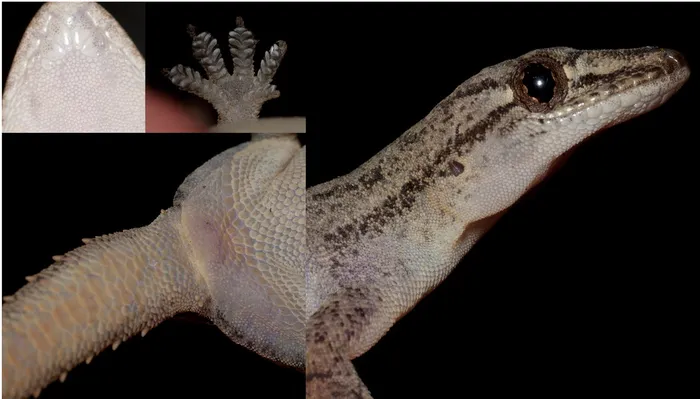
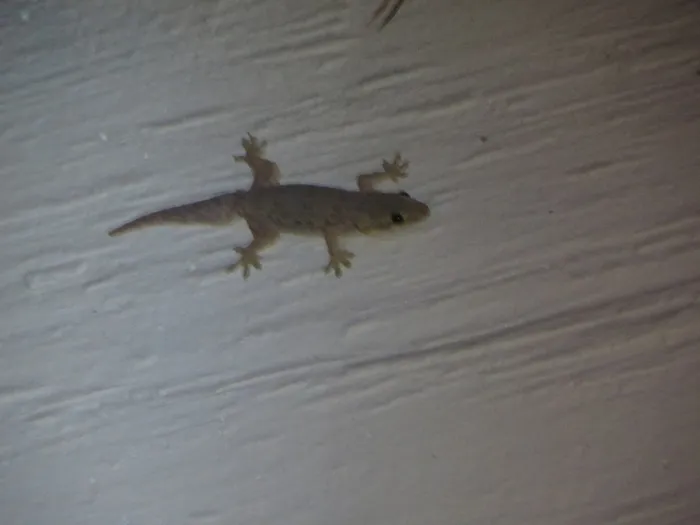
Asian House Gecko (Hemidactylus frenatus). The Asian house gecko often lives on buildings and hunts insects around lights; separate it from flat-tailed house geckos.
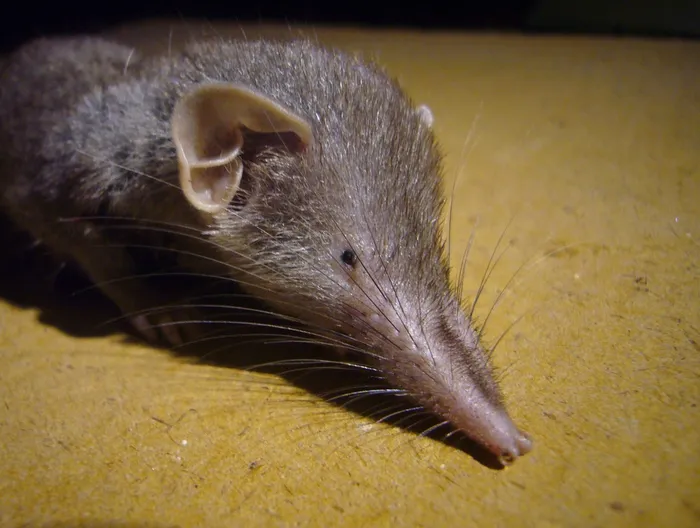
The Asian house shrew (Suncus murinus) is a small, musky, insect-eating mammal with a pointed snout; it looks like a rat but is not a rodent.
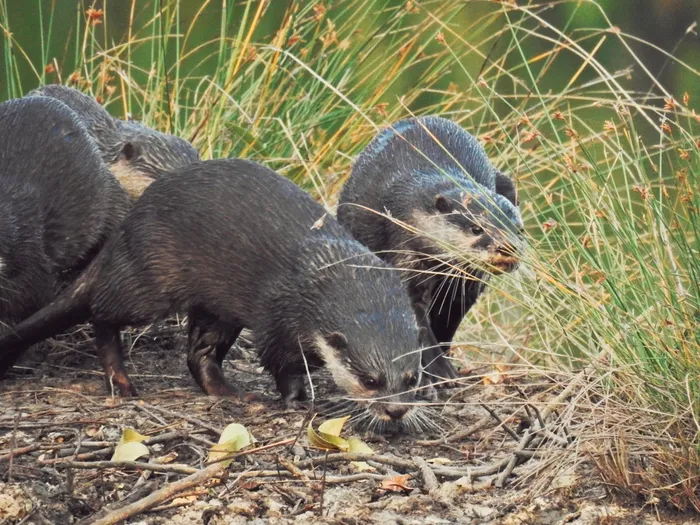
The Asian small-clawed otter (Aonyx cinereus) is the world's smallest otter, living in family groups in rivers, rice fields and mangroves in Indonesia.
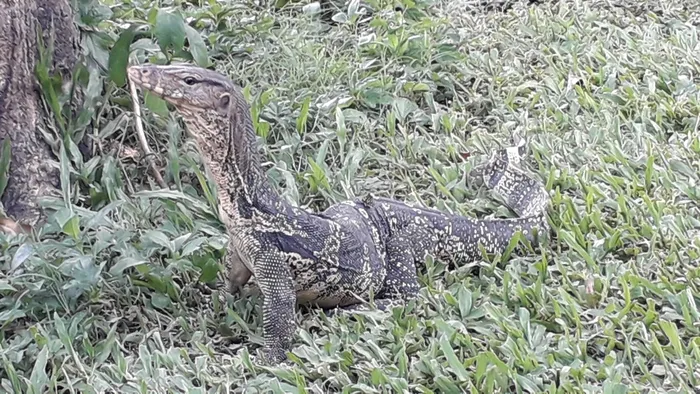
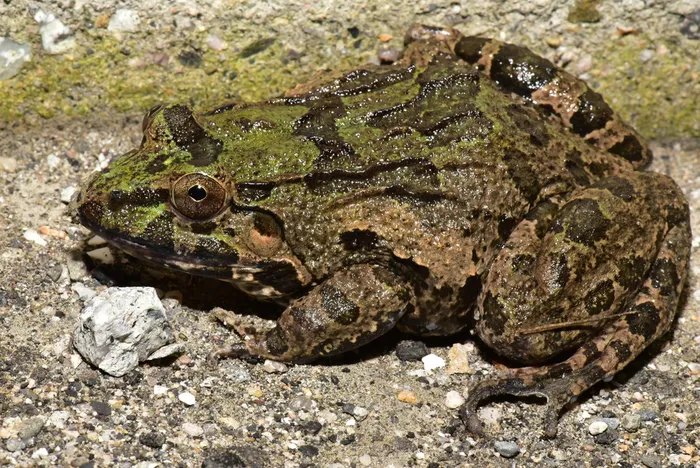
A large semi-aquatic lizard living near rivers, swamps, mangroves and some human-used areas. As both predator and scavenger, it connects aquatic and terrestrial food webs.
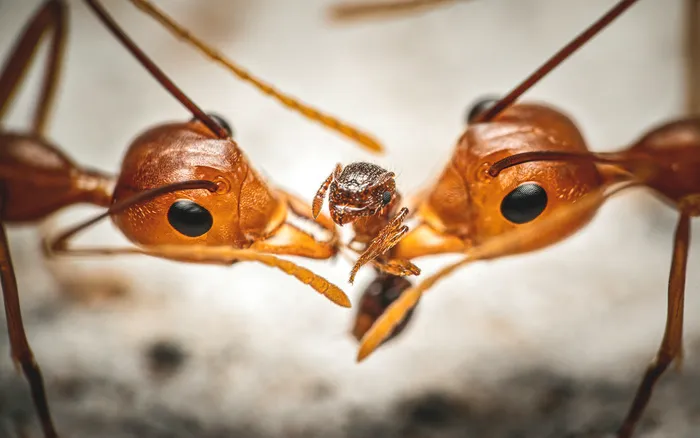
Asian Weaver Ant (Oecophylla smaragdina). Asian weaver ants join leaves into nests with silk produced by larvae; one colony can occupy several nests in a tree.
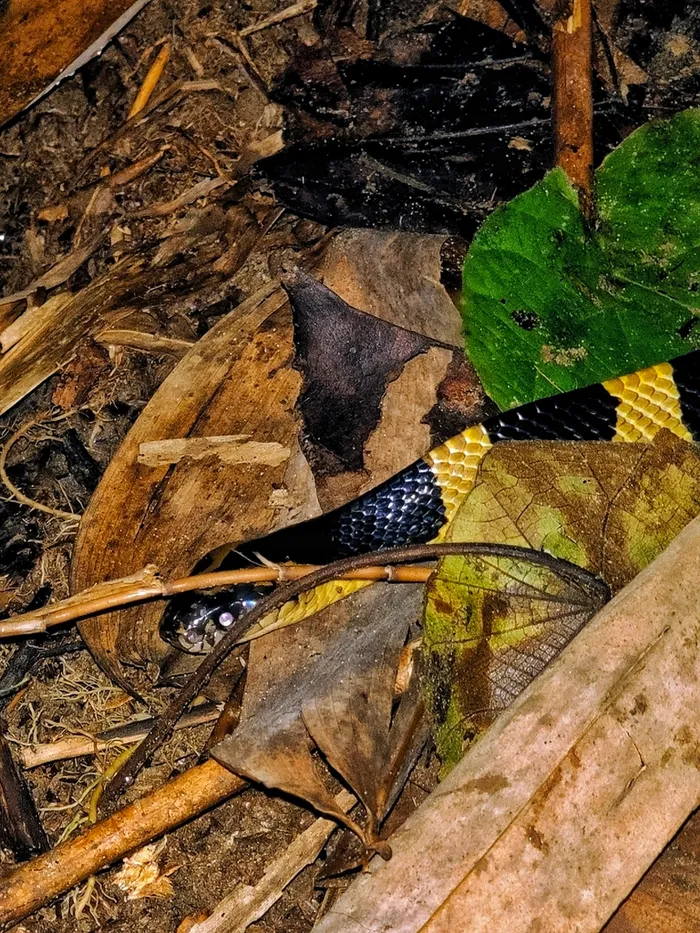
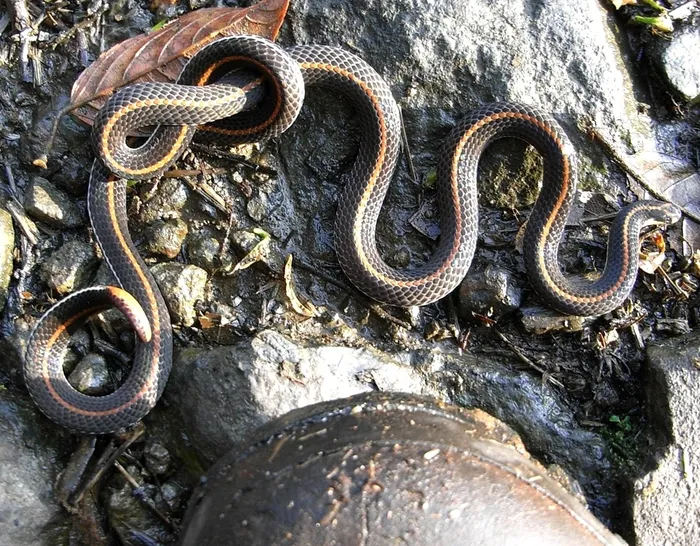
The banded krait (Bungarus fasciatus) is a neurotoxic krait with full black-and-yellow rings, found in Sumatra, Java, Borneo and Bali.
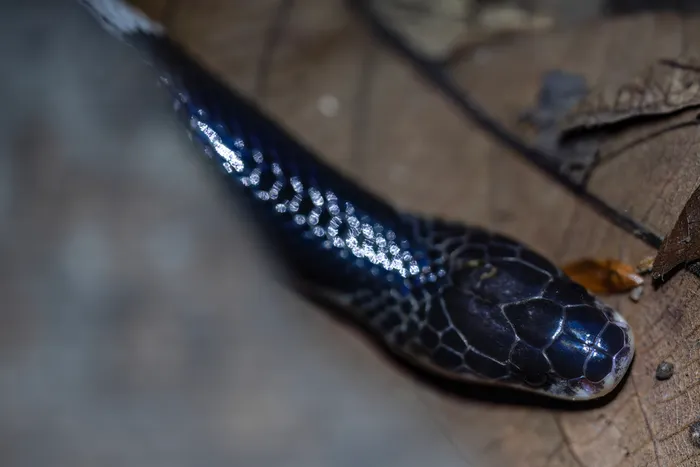
The banded Malaysian coral snake (Calliophis intestinalis) is a small venomous snake with a red tail and black-and-white belly from western Indonesia.
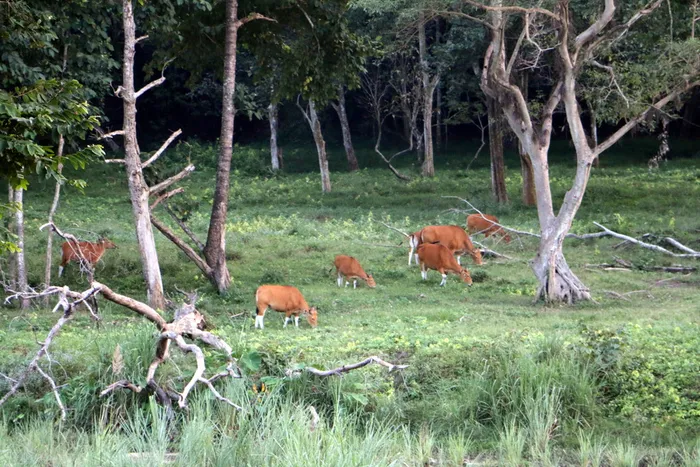
An Asian wild cattle species related to Bali cattle. Its global status changed to Critically Endangered in 2024, underlining the need to protect wild populations.
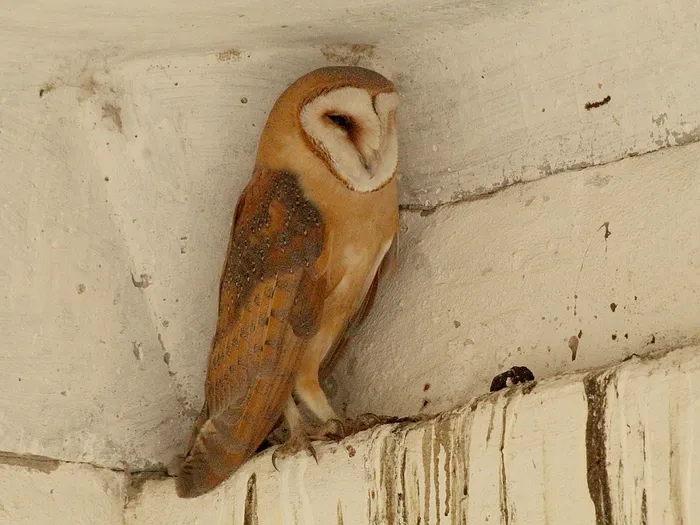
The barn owl (Tyto alba) is a pale, heart-faced owl that hunts rats in rice fields, oil palm plantations and villages across Indonesia.
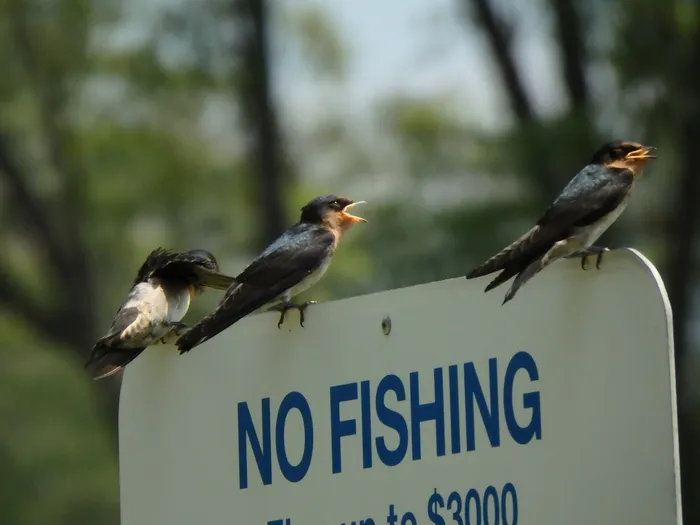
Barn Swallow (Hirundo rustica). The barn swallow has blue upperparts, pointed wings and a deeply forked tail; Indonesian records may include seasonal visitors.
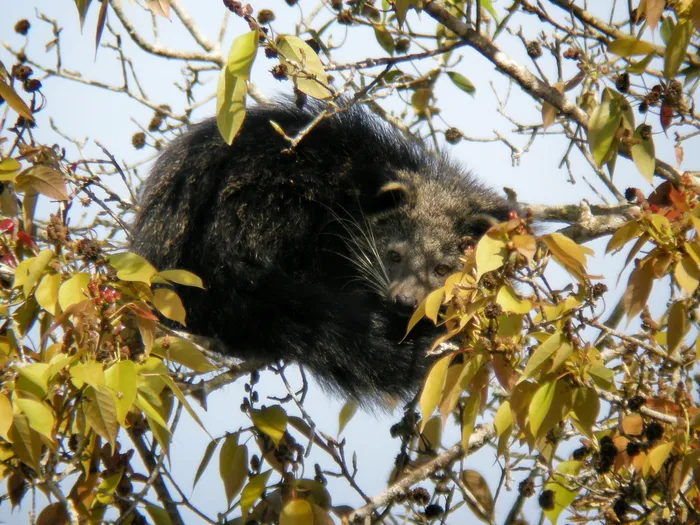
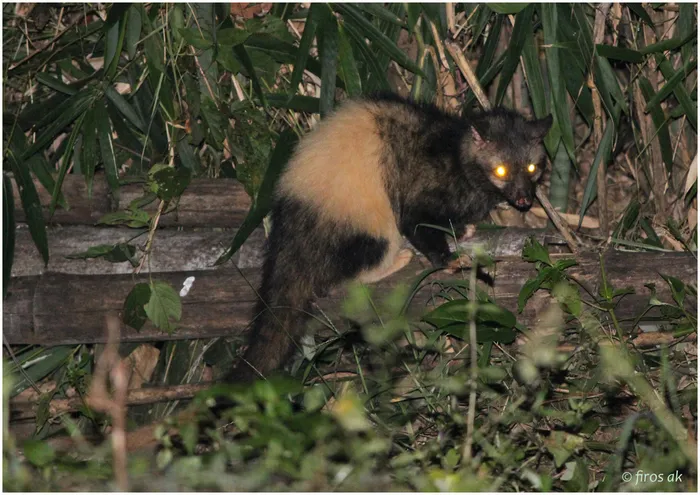
The binturong (Arctictis binturong) is the largest civet, a tree-dwelling mammal with a gripping tail, found in the forests of Sumatra, Borneo and Java.
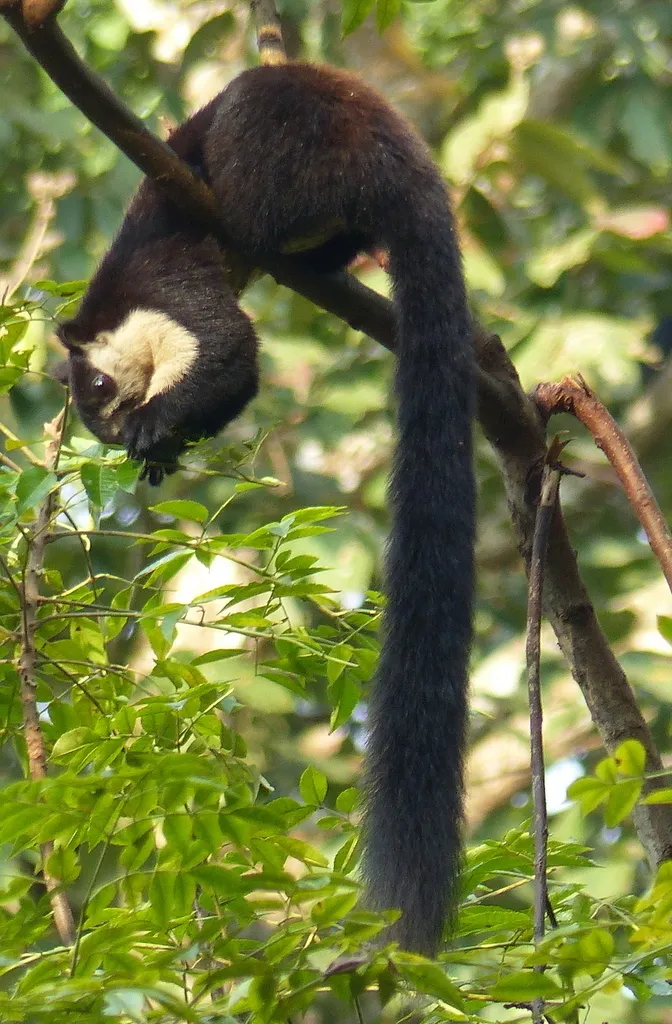
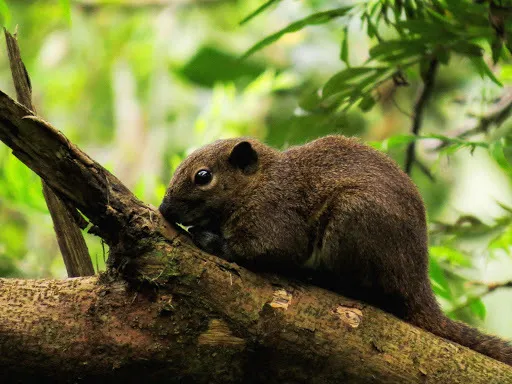
Black Giant Squirrel (Ratufa bicolor). The black giant squirrel is a large forest tree-squirrel; its size and bushy tail distinguish it from the much smaller plantain squirrel.
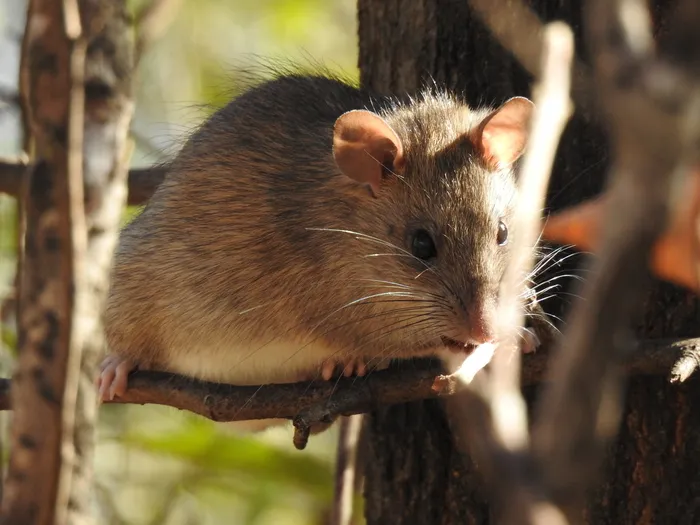
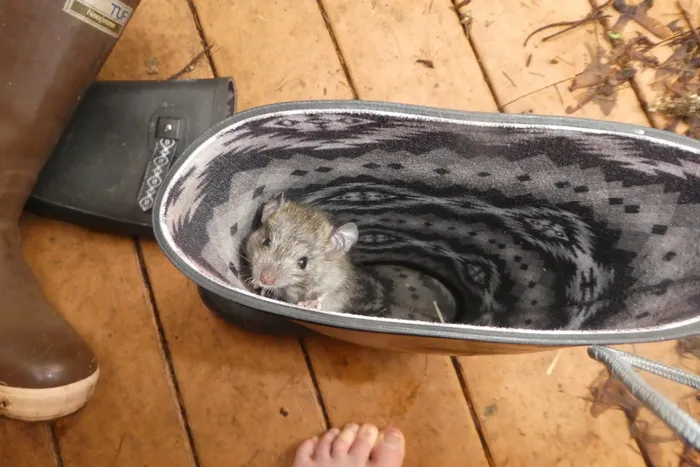
The black rat (Rattus rattus) is a long-tailed climbing rat that nests in ceilings and walls and can spread leptospirosis to people.
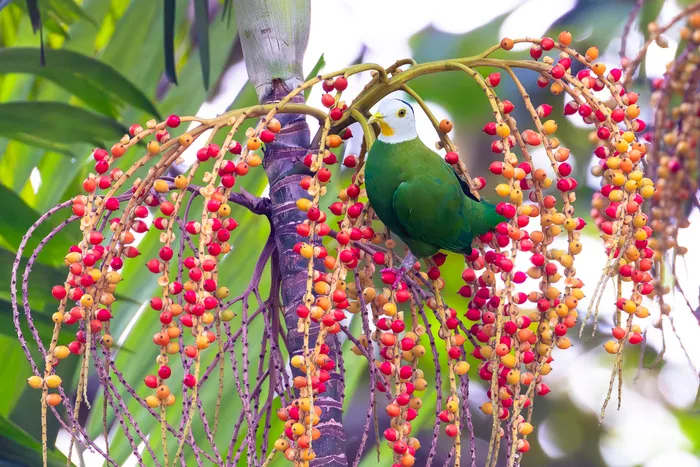
Black-naped Fruit Dove (Ptilinopus melanospilus). Male black-naped fruit-doves have a pale grey head, dark nape and mostly green body; females may look different.
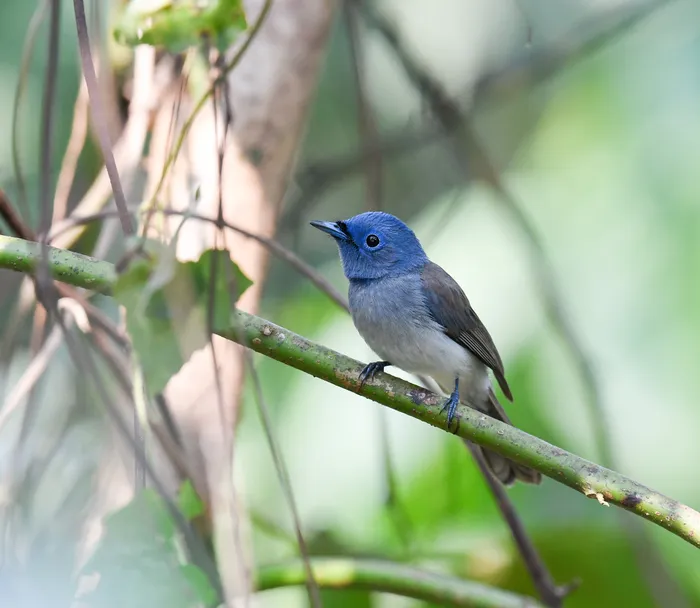
Black-naped Monarch (Hypothymis azurea). The black-naped monarch is a slim, agile flycatcher; sexes differ, and its dark nape band informs the English name.
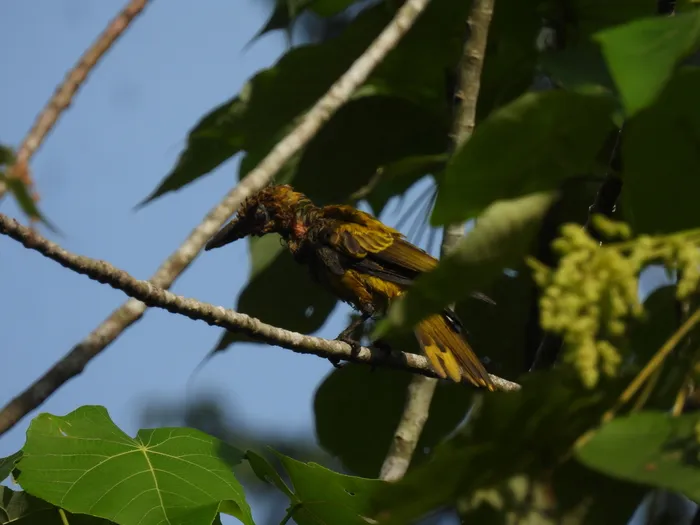
Black-naped Oriole (Oriolus chinensis). The black-naped oriole occupies wooded Asian landscapes; its dark nape pattern and voice help separate it from other yellow birds.
Black-striped Squirrel (Callosciurus nigrovittatus). The black-striped squirrel occurs on Java, Sumatra and the Malay Peninsula; its dark side stripe can assist identification in a clear view.
Black-winged Flycatcher-shrike (Hemipus hirundinaceus). The black-winged flycatcher-shrike belongs to a debated woodshrike lineage; citing the scientific name and taxonomic source avoids a misleading family label.
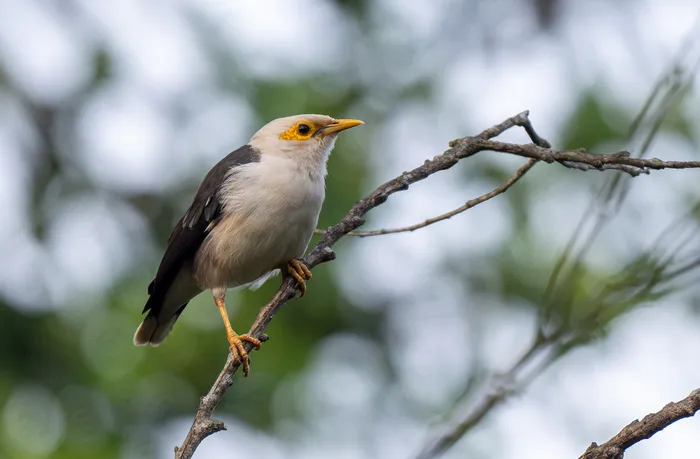
The black-winged myna (Acridotheres melanopterus) is a white, black-winged starling endemic to Java and Bali, almost wiped out in the wild by the bird trade.
Blue Pansy (Junonia orithya). Junonia orithya has region-dependent common names and many subspecies; wing eyespots and locality should be recorded together.
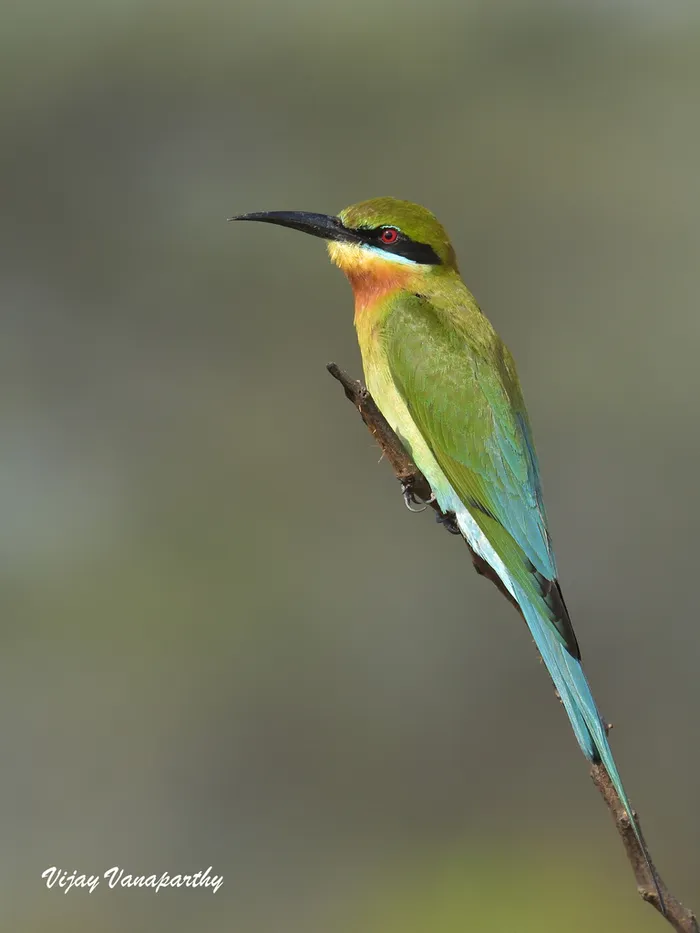
Blue-tailed Bee-eater (Merops philippinus). The blue-tailed bee-eater catches flying insects, and some populations move seasonally; a dated record is more informative than an undated sighting.
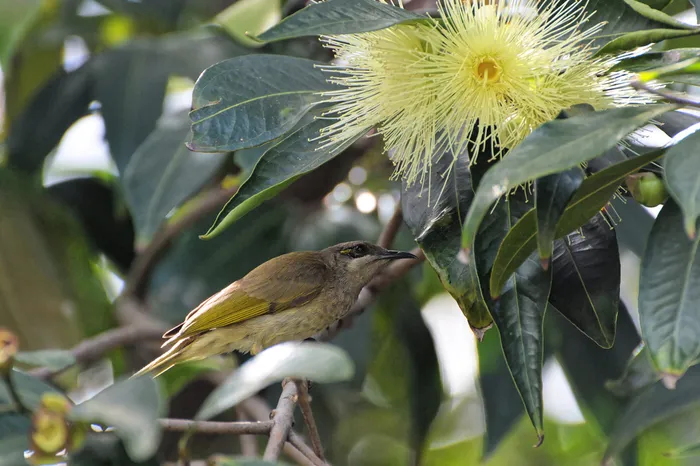
Brown Honeyeater (Lichmera indistincta). The brown honeyeater is a meliphagid with a brush-tipped tongue adapted to nectar; flower visits should not automatically be counted as pollination.
The brown rat (Rattus norvegicus) is a large burrowing rat of drains, settlements and ports, and one of the animals that spread leptospirosis.
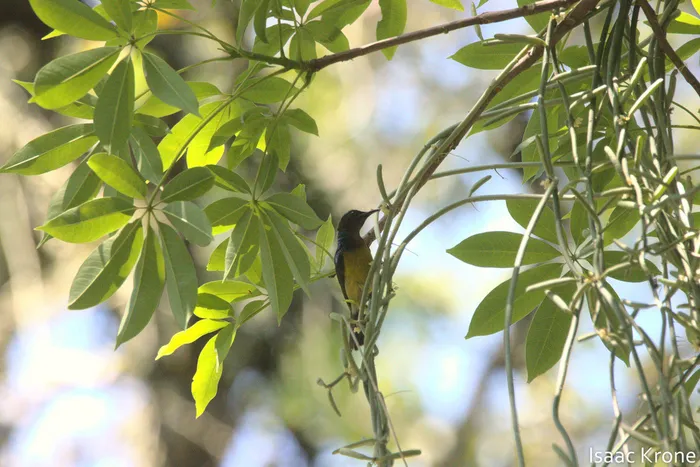
Brown-throated Sunbird (Anthreptes malacensis). The brown-throated sunbird uses semi-open Southeast Asian habitats; flower visits and bill shape can be observed without assuming every visit pollinates a plant.
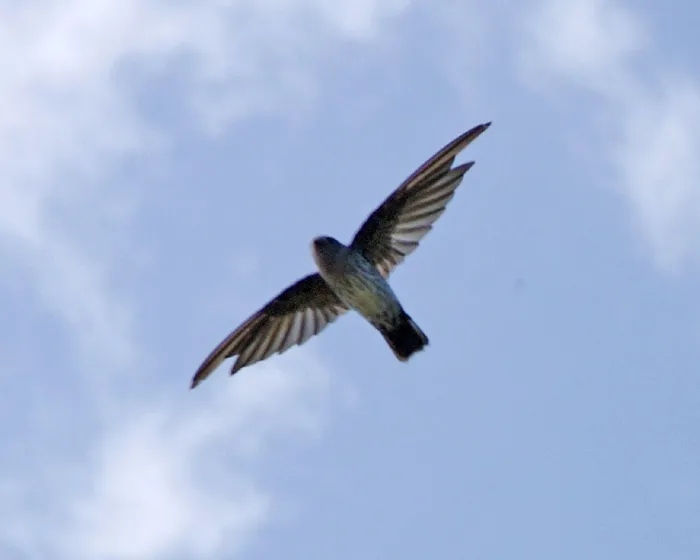
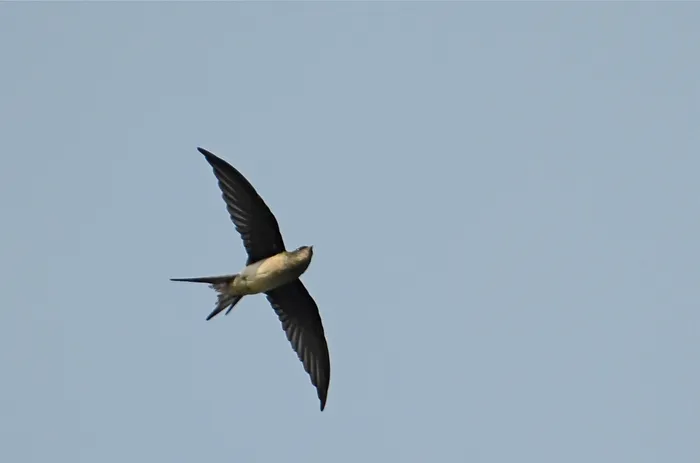
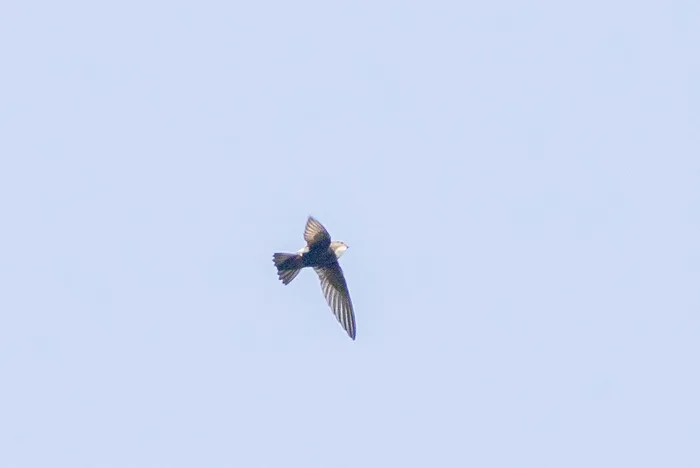
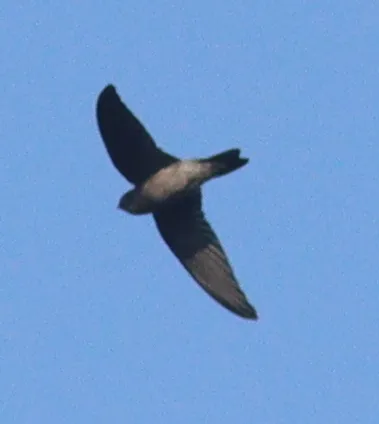
Cave Swiftlet (Collocalia linchi). This swiftlet occurs on Sumatra, Java and Bali; species accounts describe woodland foraging and cave nesting.
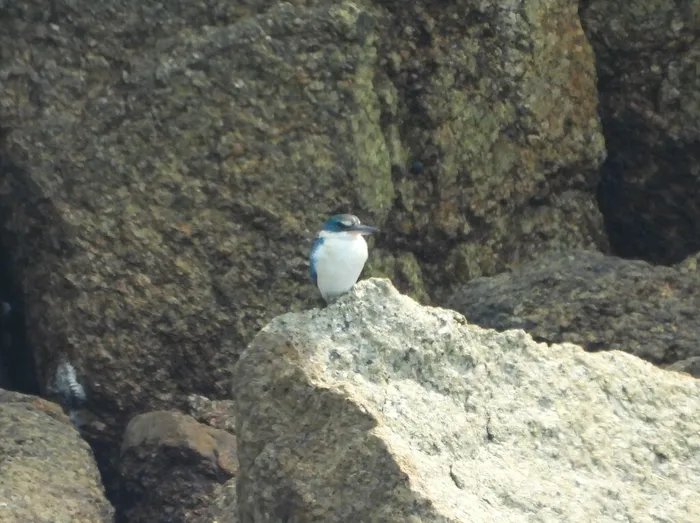
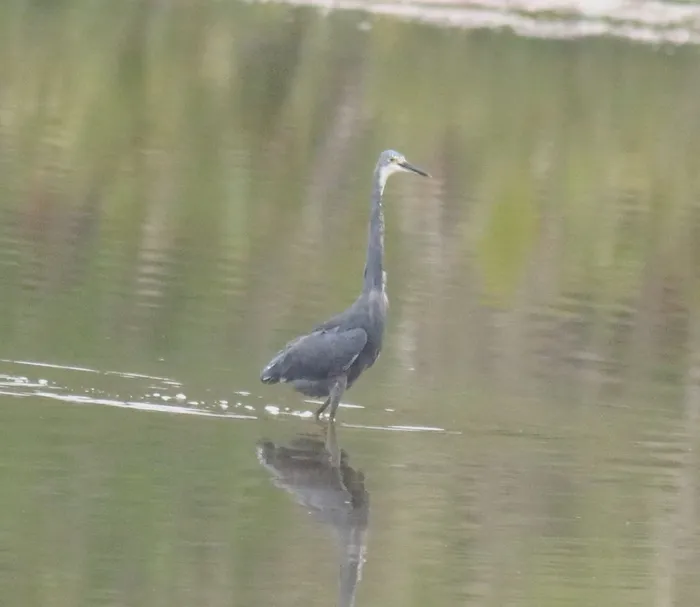
A blue-green kingfisher with a white collar, often seen in mangroves and on coasts. Numerous subspecies make older names worth checking carefully.
Common Four-clawed Gecko (Gehyra mutilata). The four-clawed gecko is widespread; its common name points to foot structure, while species identification still needs toe detail and locality.
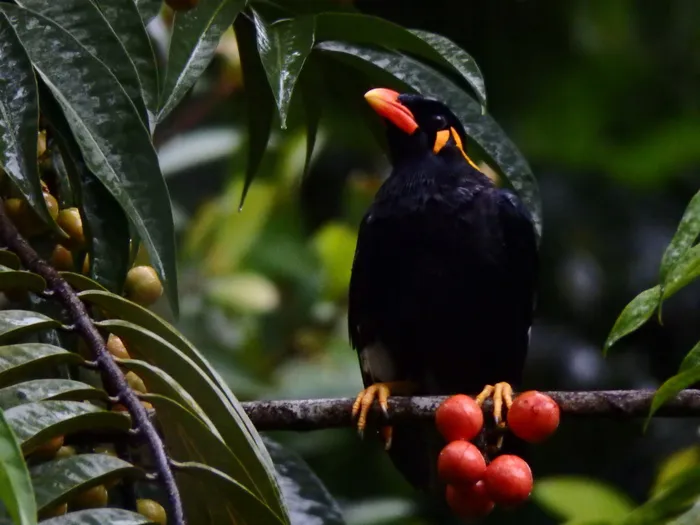
The common hill myna (Gracula religiosa) is a glossy black myna with yellow wattles, famous for its ability to mimic human speech.
Common Iora (Aegithina tiphia). The common iora uses scrub and forest edges; plumage varies among populations, so a photograph from one region may differ from another.
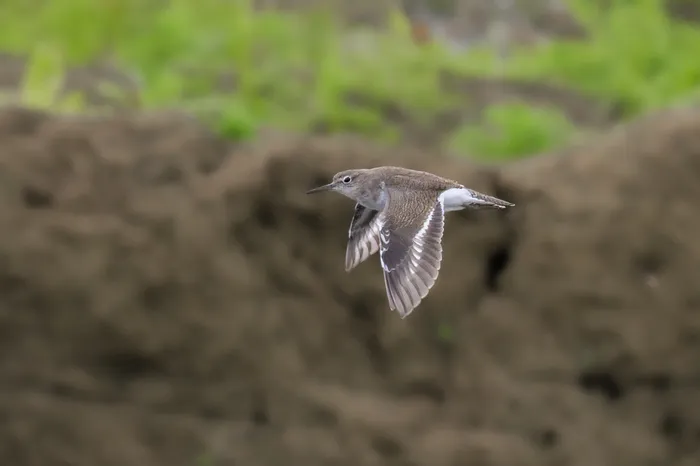
Common Sandpiper (Actitis hypoleucos). This small sandpiper uses water edges and moves between regions; an Indonesian sighting does not by itself indicate local breeding.
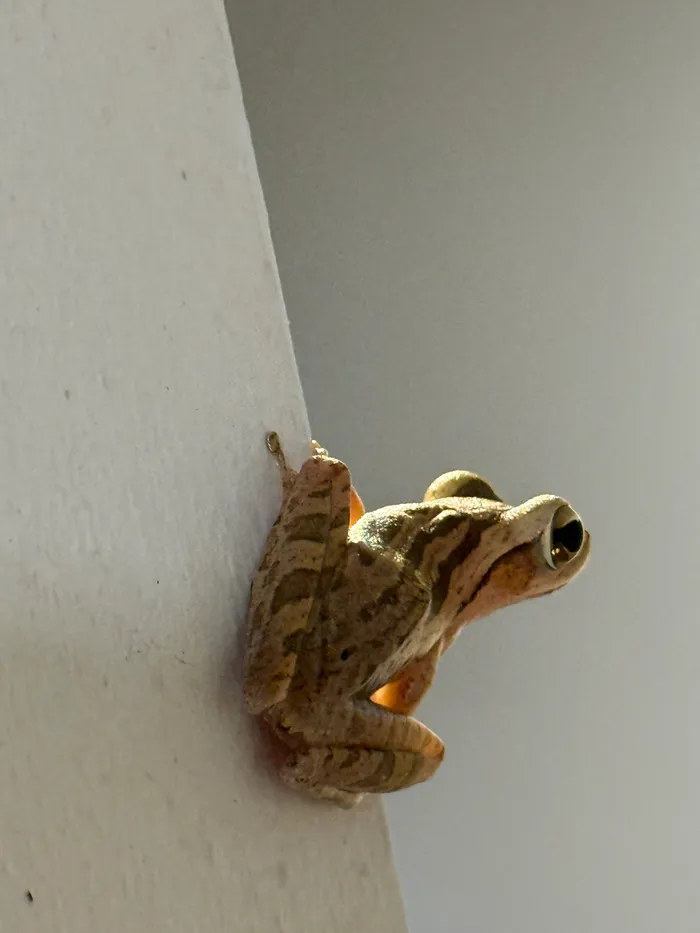
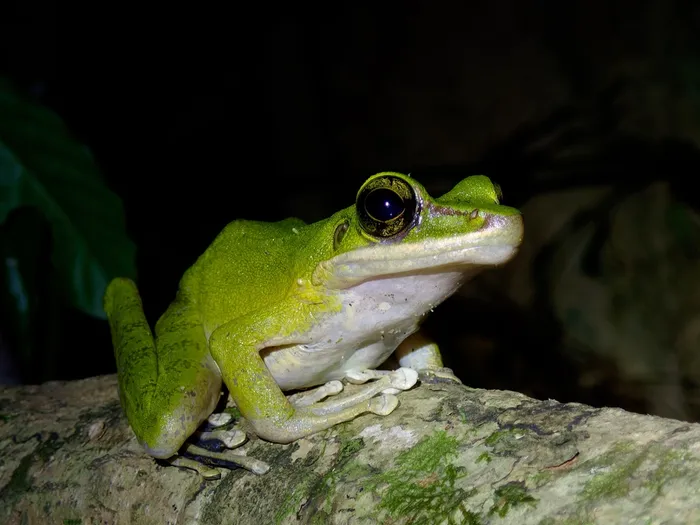
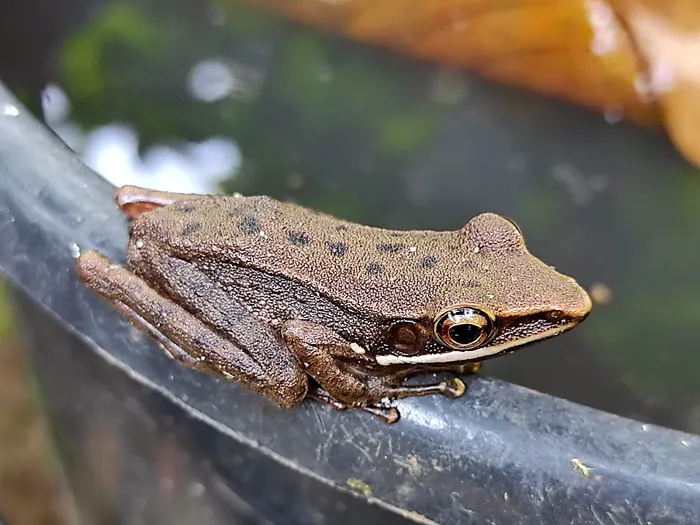
Common Southeast Asian Tree Frog (Polypedates leucomystax). The Southeast Asian tree frog builds foam nests near water for its eggs; a nest site should be left undisturbed.
Common Sun Skink (Eutropis multifasciata). The common sun skink uses open basking places; smooth scales and lengthwise pattern should be compared with other skinks.
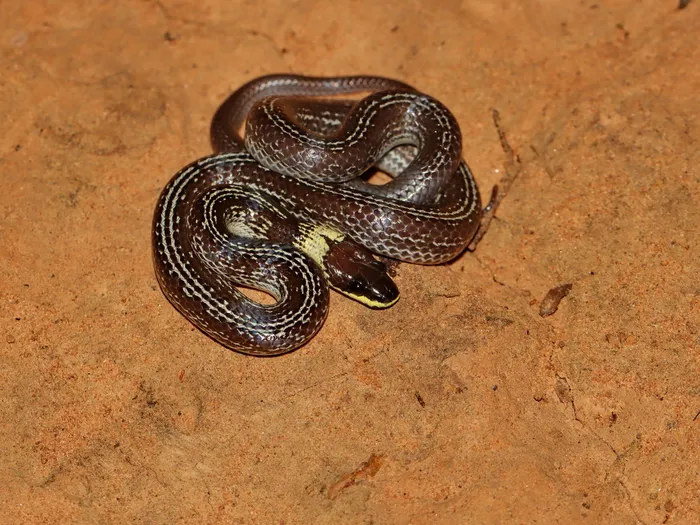
Common Wolf Snake (Lycodon capucinus). The common wolf snake is named for enlarged front teeth, not kinship with wolves; building encounters are often misidentified.
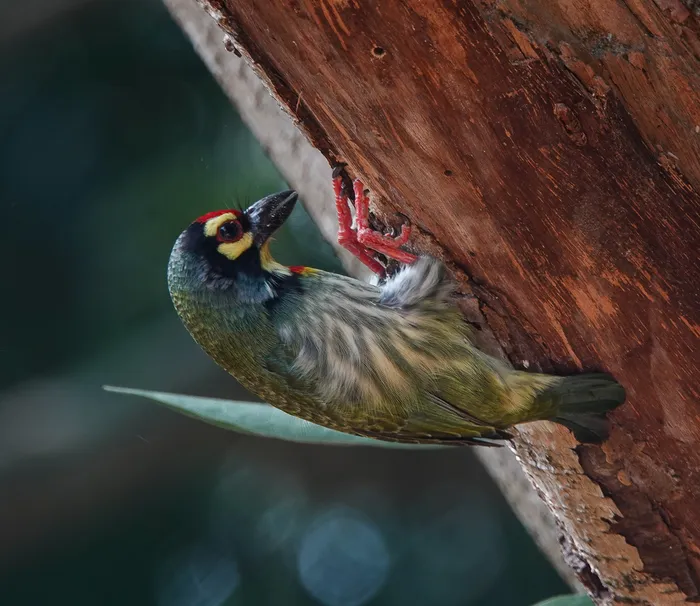
Coppersmith Barbet (Psilopogon haemacephalus). The coppersmith barbet has a red forehead and throat; its repeated metallic-sounding call may be noticed before the perched bird.
Crab-eating Frog (Fejervarya cancrivora). Crab-eating frogs use brackish habitats; salinity studies document tadpole tolerance, but laboratory limits do not justify moving animals into seawater.
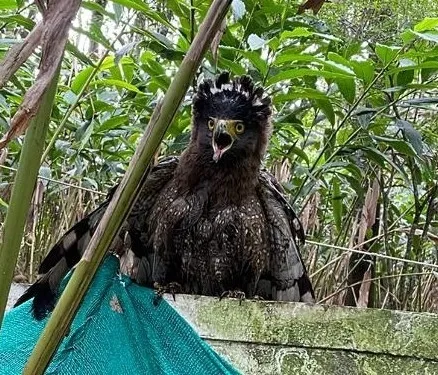
The crested serpent eagle (Spilornis cheela) is a snake-eating eagle of forest edges in Sumatra, Java, Bali and Borneo, and is protected in Indonesia.
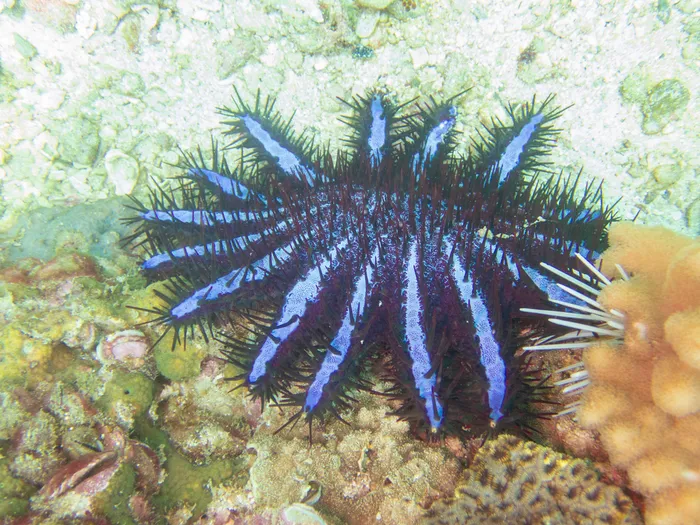
The crown-of-thorns starfish (Acanthaster) is a venomous, spiny, coral-eating starfish whose population outbreaks can devastate coral reefs.
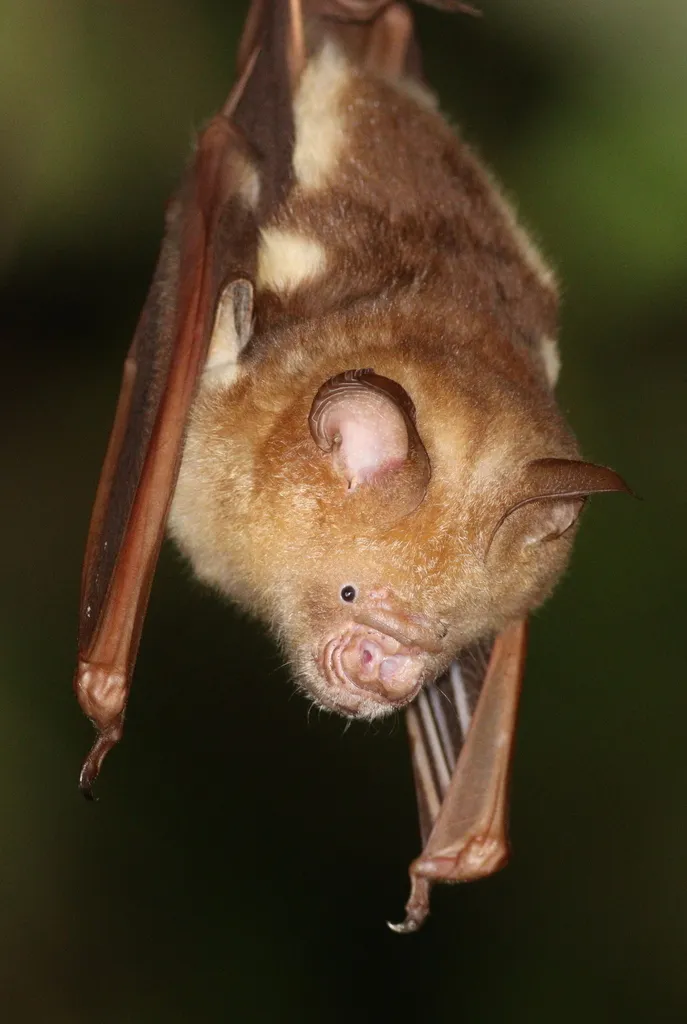
Diadem Roundleaf Bat (Hipposideros diadema). The diadem roundleaf bat belongs to Hipposideridae, not Rhinolophidae; nose shape matters, but a single photograph may not settle identification.
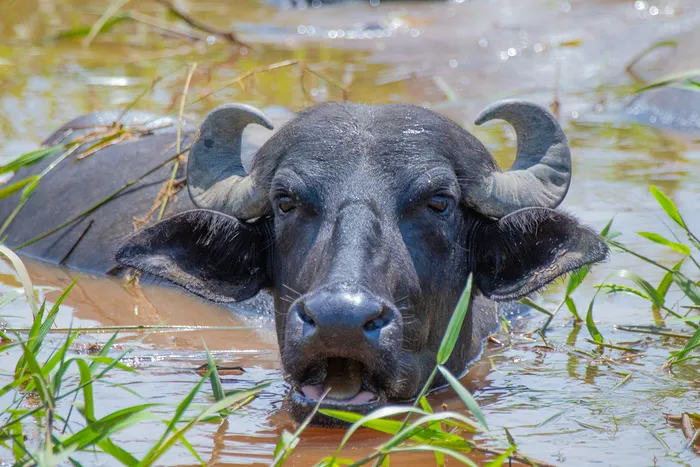
Domestic Water Buffalo (Bubalus bubalis). Water buffalo are domesticated bovids with a long Asian husbandry history; Indonesian records should not be mapped as an original wild-buffalo range.
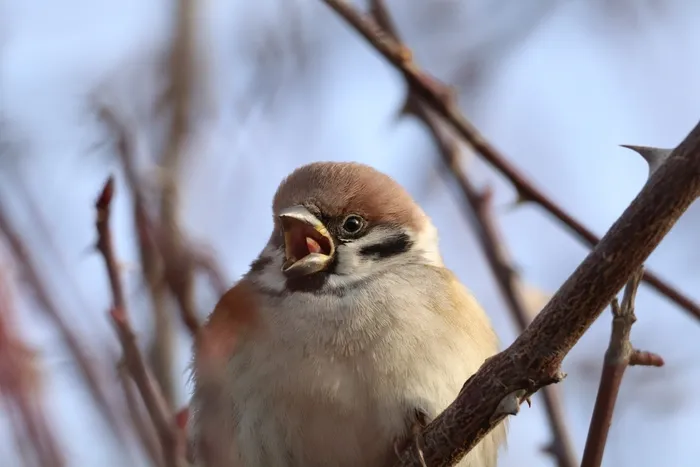
A small bird with a chestnut crown and a black spot on each white cheek. Its proximity to people makes it easy to notice, but sighting records do not measure its population.
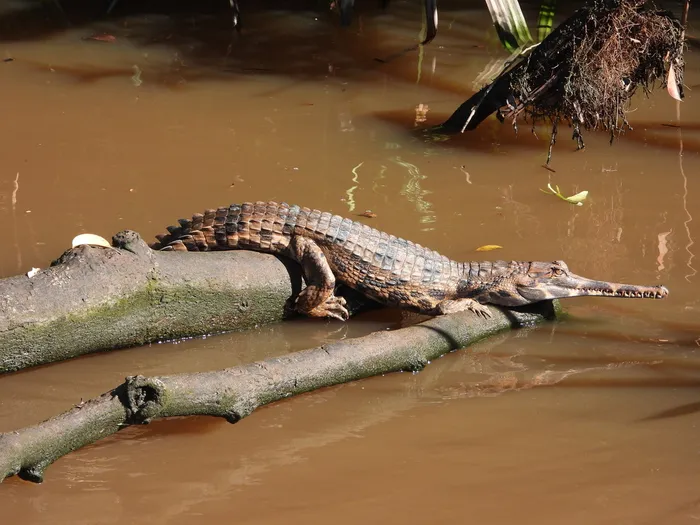
The false gharial (Tomistoma schlegelii) is a slender-snouted crocodilian of the peat swamps of Sumatra and Borneo, listed as Endangered by the IUCN.
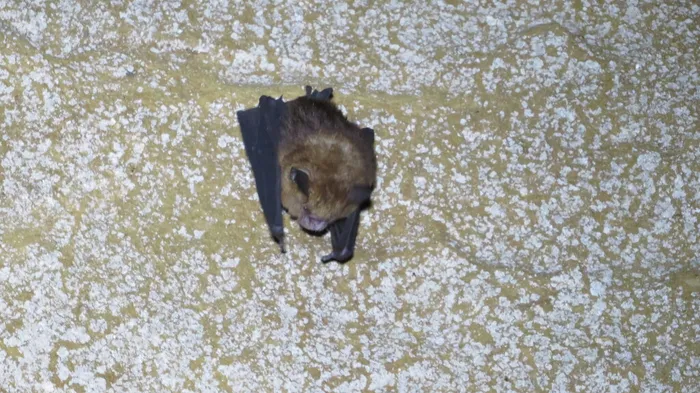
Fawn Roundleaf Bat (Hipposideros cervinus). The fawn roundleaf bat is a hipposiderid recorded across parts of Southeast Asia and Australia; colour alone is unreliable for similar bats.
Flat-tailed House Gecko (Hemidactylus platyurus). The flat-tailed house gecko has a noticeably flattened tail; tail and body form help distinguish it from other building-dwelling geckos.
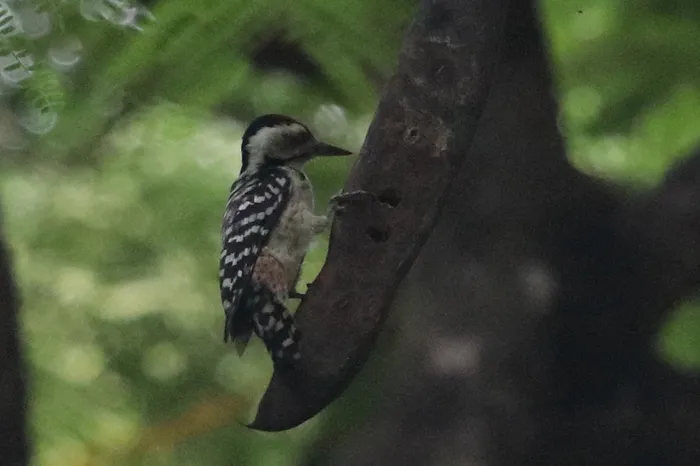
Freckle-breasted Woodpecker (Dendrocopos analis). The freckle-breasted woodpecker is a picid; Indonesian records should use head and wing pattern plus locality to distinguish lookalikes.
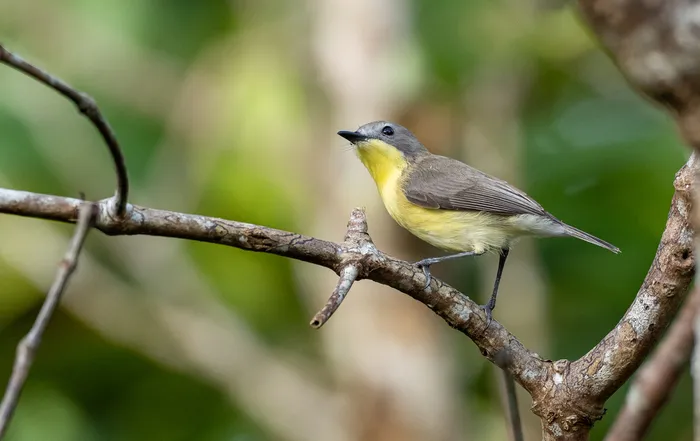
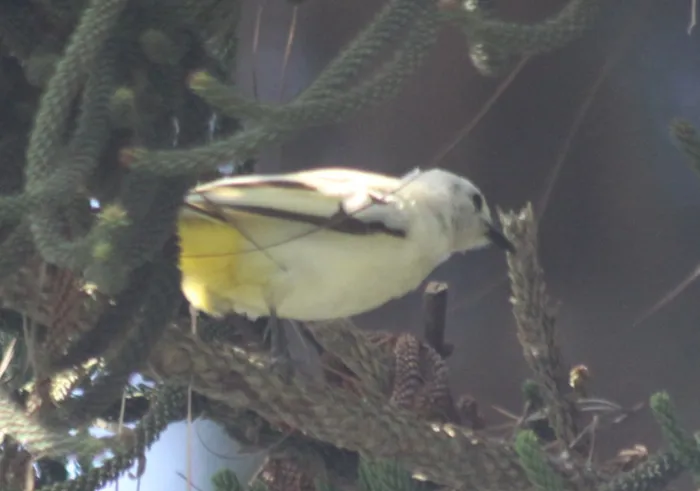
Golden-bellied Gerygone (Gerygone sulphurea). The golden-bellied gerygone is a small acanthizid occurring in Indonesia and other Southeast Asian countries; the English name describes its belly.
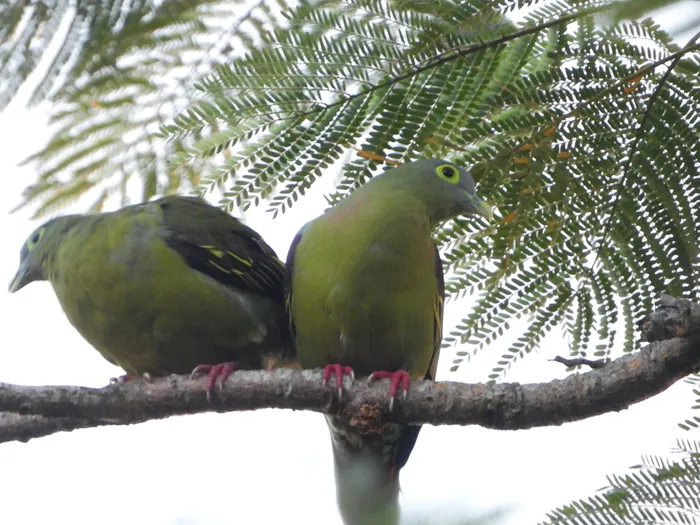
Gray-cheeked Green-Pigeon (Treron griseicauda). The grey-cheeked green-pigeon is Indonesian-endemic; cheek and nape colour help separate it from other green-pigeons in fruiting trees.
Gray-rumped Treeswift (Hemiprocne longipennis). The grey-rumped treeswift belongs to Hemiprocnidae rather than the true swift family and may be seen perched as well as flying.
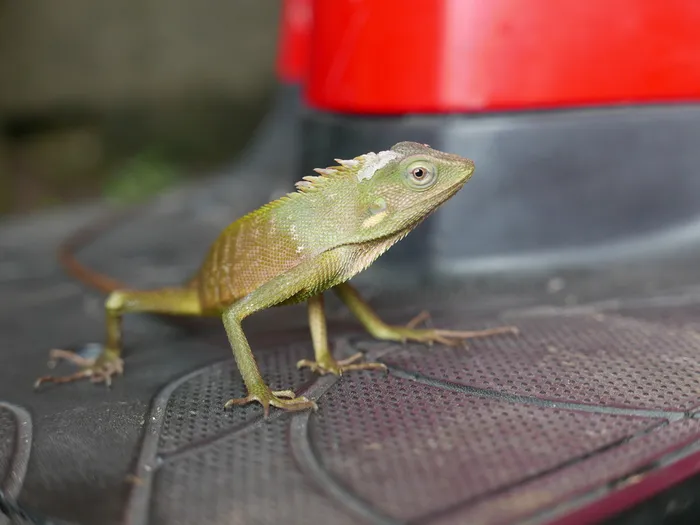
Great Crested Canopy Lizard (Bronchocela jubata). The maned forest lizard is a slender arboreal agamid with a crest along the neck and back; its local 'chameleon' label is not a taxonomic classification.
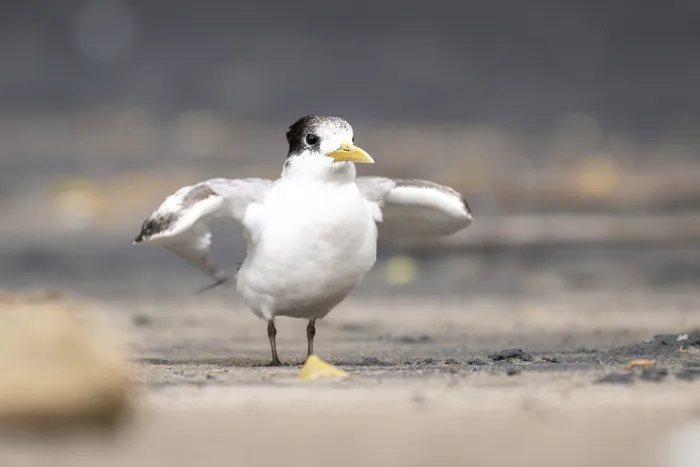
Great Crested Tern (Thalasseus bergii). The great crested tern forages over coastal sea and nests in colonies on coasts and islands; disturbance at a colony can affect many nests.
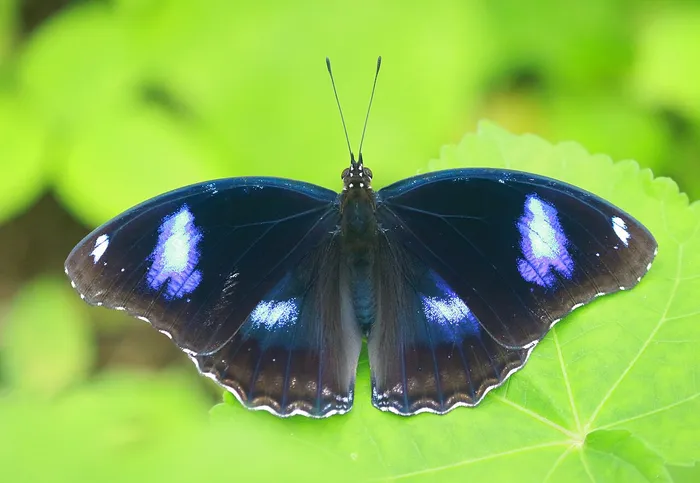
Great Eggfly (Hypolimnas bolina). Great eggflies show sex-linked differences in wing pattern; one photograph cannot represent all population variation.
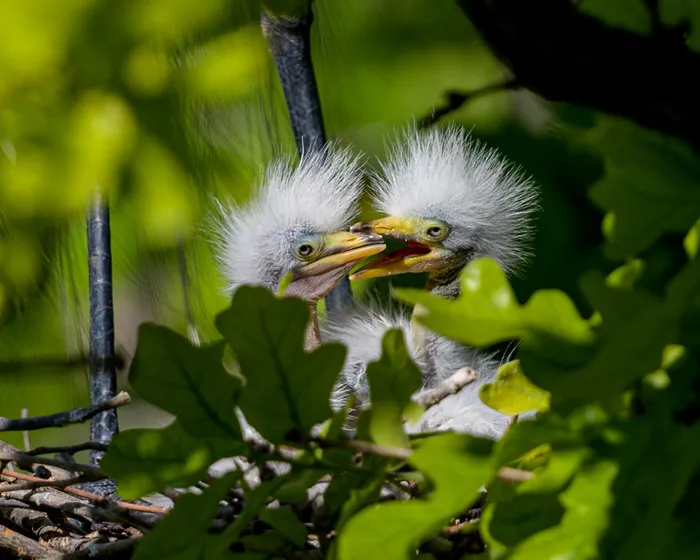
Great Egret (Ardea alba). The great egret is a widespread large white heron; compare body size, bill shape and leg colour with smaller egrets.
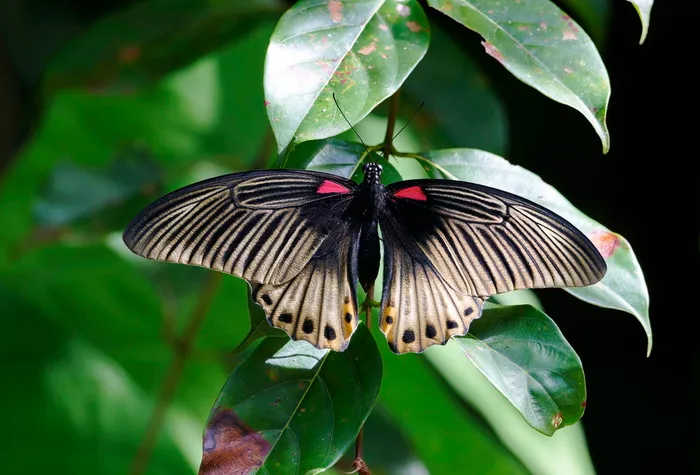
Great Mormon Swallowtail (Papilio memnon). Female great Mormon swallowtails occur in several colour forms, including mimics; these forms should not automatically be treated as different species.
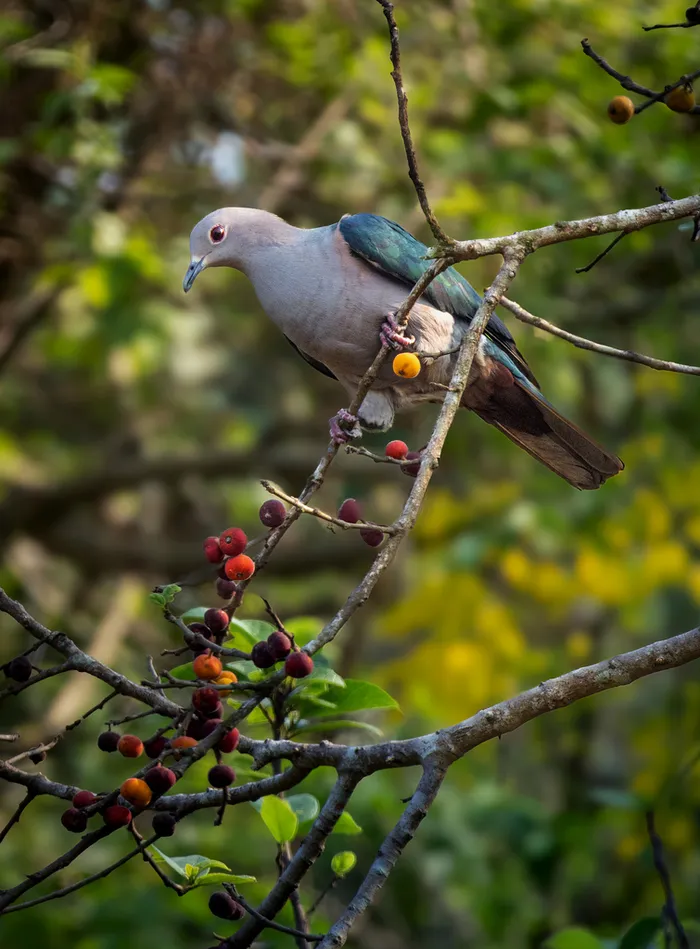
Green Imperial Pigeon (Ducula aenea). The green imperial pigeon is a large forest pigeon; its size and green wings help separate it from smaller green-pigeons.
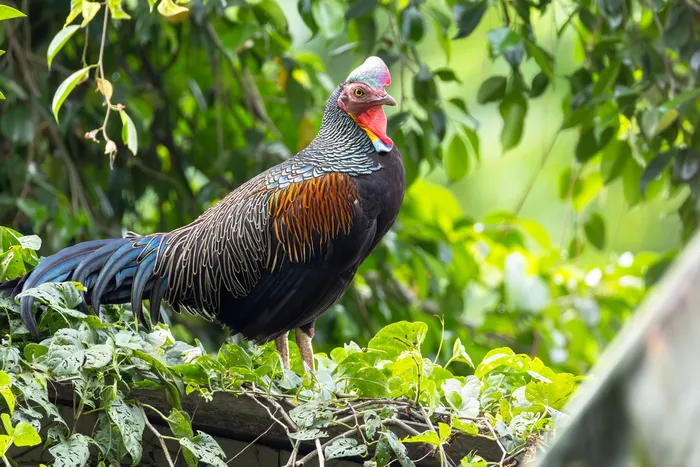
Green Junglefowl (Gallus varius). The green junglefowl is a Javan-region pheasant relative; males are more conspicuous than females, and domestic chickens should be distinguished.
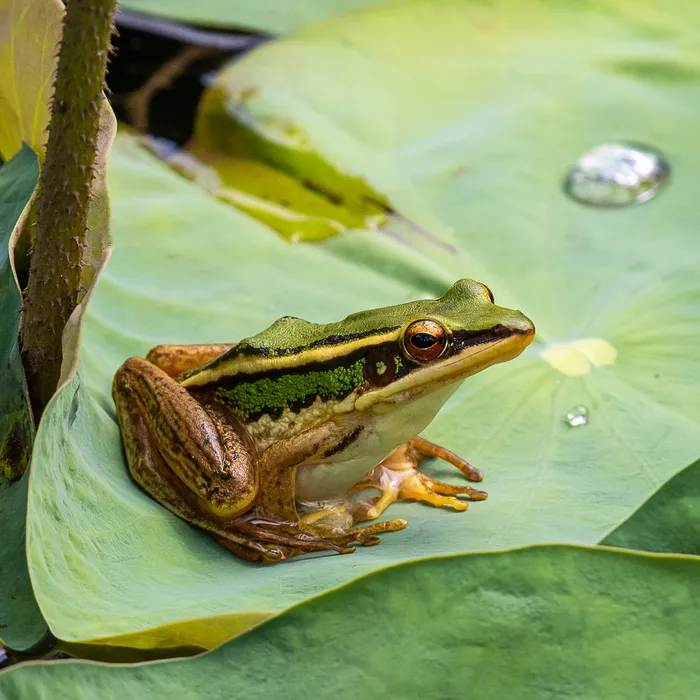
Green Paddy Frog (Hylarana erythraea). The green paddy frog occurs in Southeast Asia and formerly appeared under Rana; wetland observations do not measure local abundance or status.
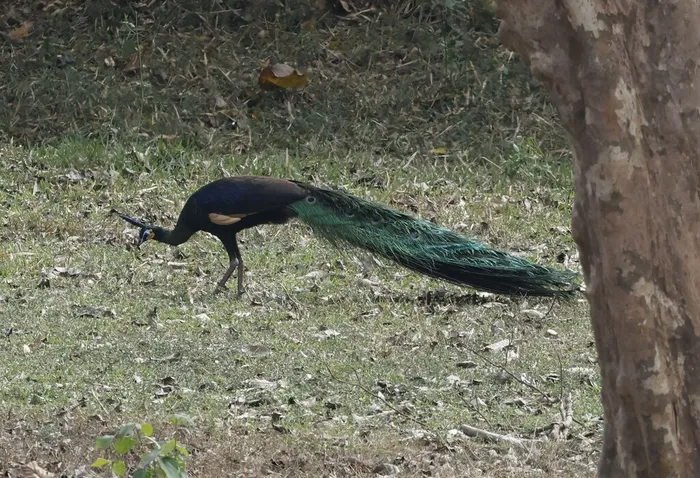
A large bird with a shimmering green neck that uses wooded landscapes and openings. Green peafowl are distinct from the blue peafowl often seen in captivity.
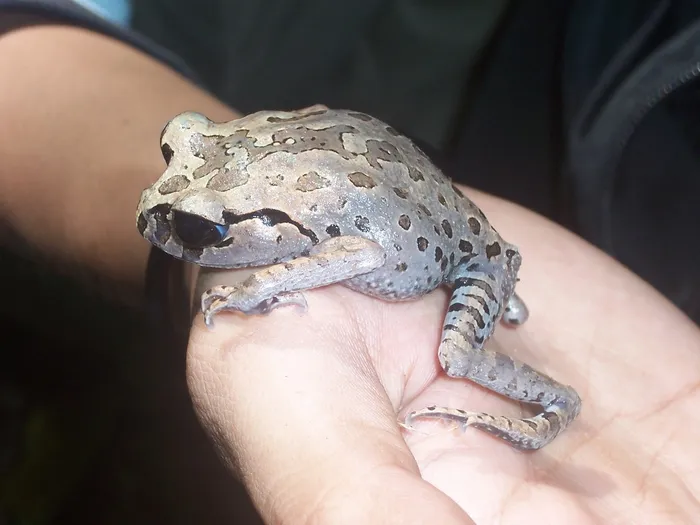
Hasselt's Toad (Leptobrachium hasseltii). Hasselt's litter frog was once a broad name for Southeast Asian populations; current taxonomy narrows confident identification and calls for comparison with relatives.
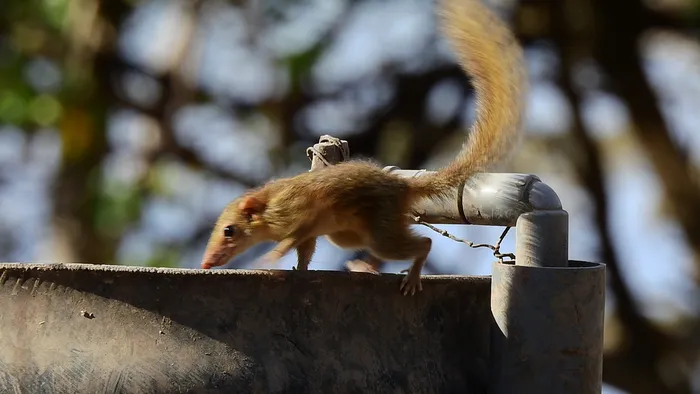
Horsfield's Treeshrew (Tupaia javanica). Horsfield's treeshrew belongs to Tupaiidae rather than the squirrel family and is reported from Sumatra, Java, Bali and Nias.
House Swift (Apus nipalensis). The house swift is an apodid spending much time on the wing; wing shape and nesting context are safer clues than unverified claims about flight physiology.
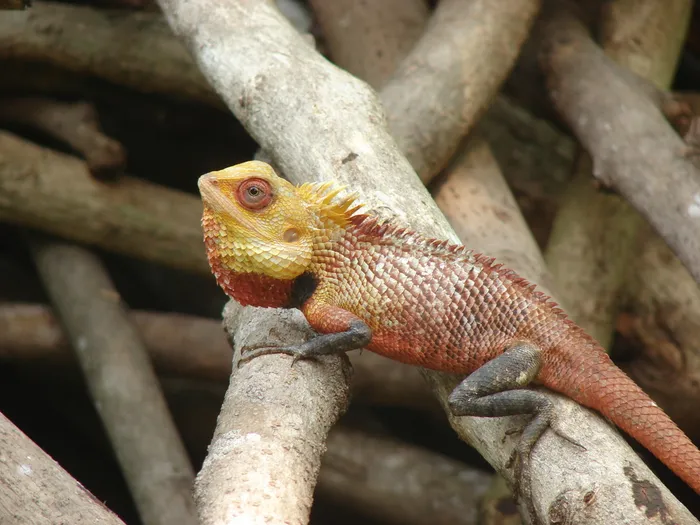
Indian Garden Lizard (Calotes versicolor). The oriental garden lizard can change colour with condition and behaviour; that does not make it a true chameleon.
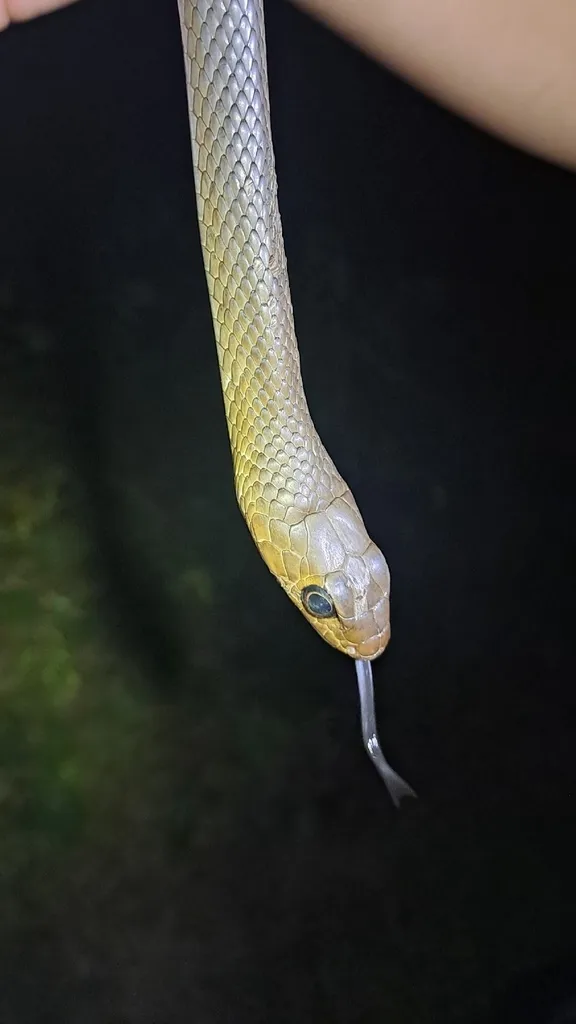
Indo-Chinese Rat Snake (Ptyas korros). The Indo-Chinese rat snake is a Southeast Asian ratsnake; the common name does not imply every individual eats only rodents.
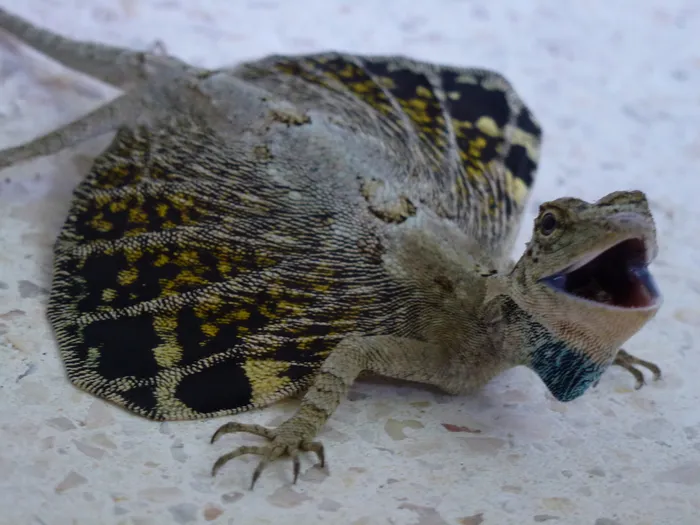
Javan Flying Dragon (Draco volans). The Javan flying dragon glides on rib-supported skin membranes; it has neither bird wings nor bat wings.
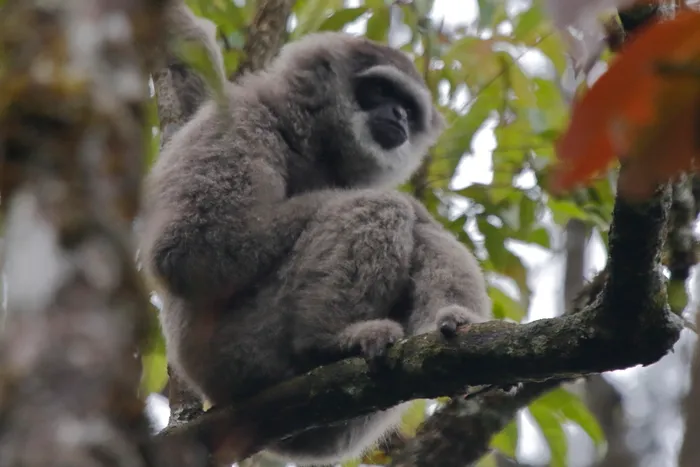
A silvery small ape dependent on Java’s forest canopy. Calls, family relationships, and routes through the trees shape its life.
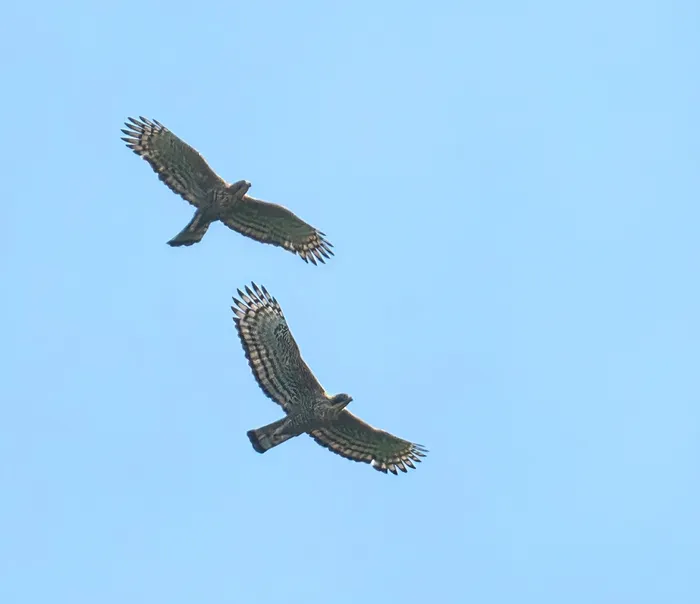
A crested eagle endemic to Java and dependent on forest. Nest trees, parental care, and movement space make its protection a long-term commitment.
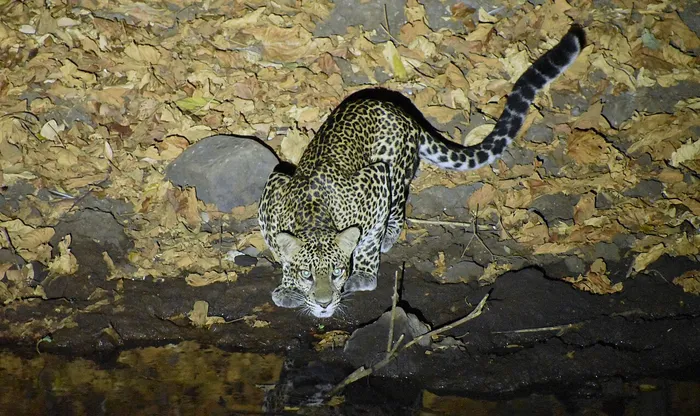
A big cat endemic to Java with spotted and black forms. Connected forests and careful management of human encounters matter for its survival.
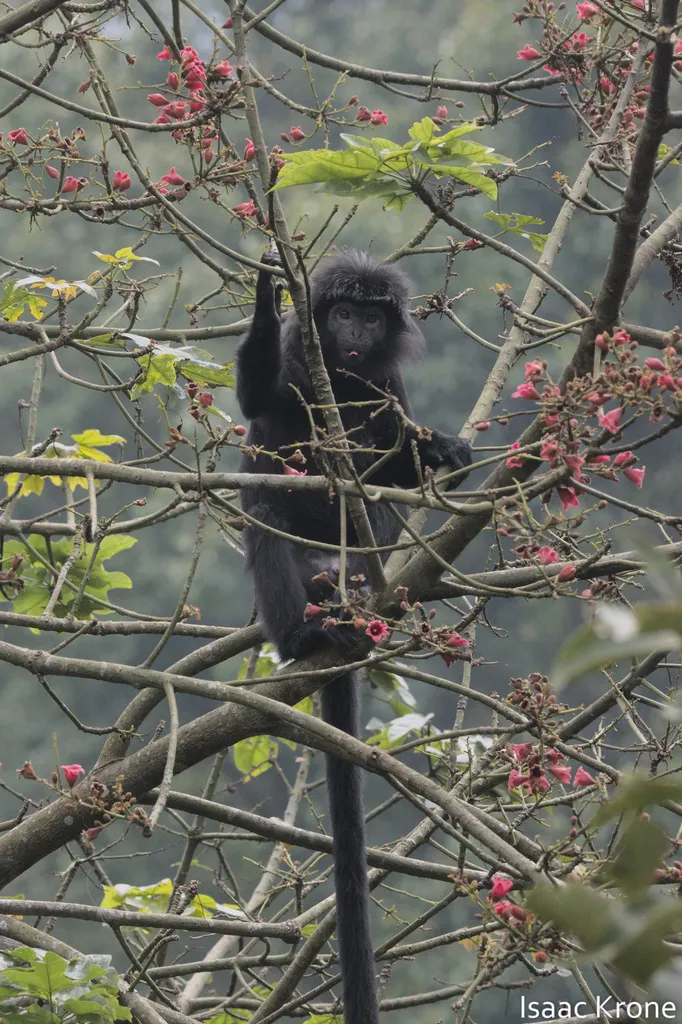
Javan Lutung (Trachypithecus auratus). Javan lutungs are usually glossy dark as adults, while young may be orange; age-related colour should not be mistaken for another species.
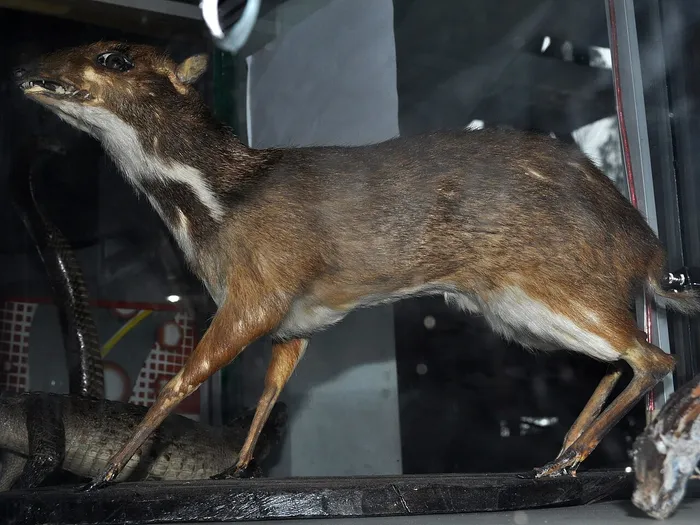
The Javan mouse-deer (Tragulus javanicus) is a tiny, antlerless chevrotain found only in the forests of Java, where it is a protected species.
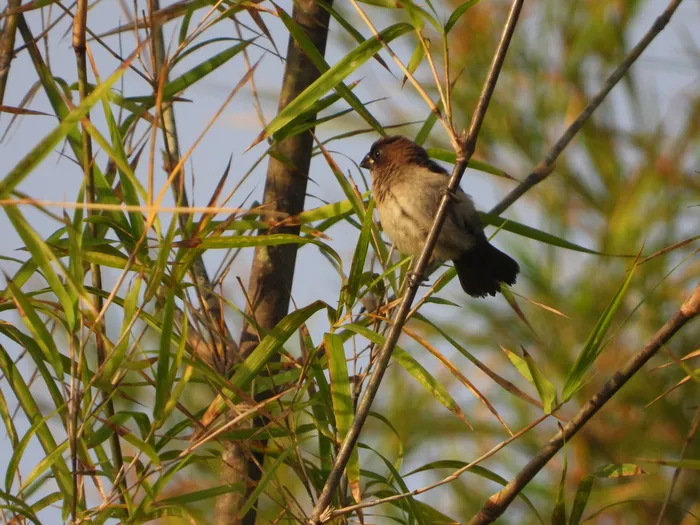
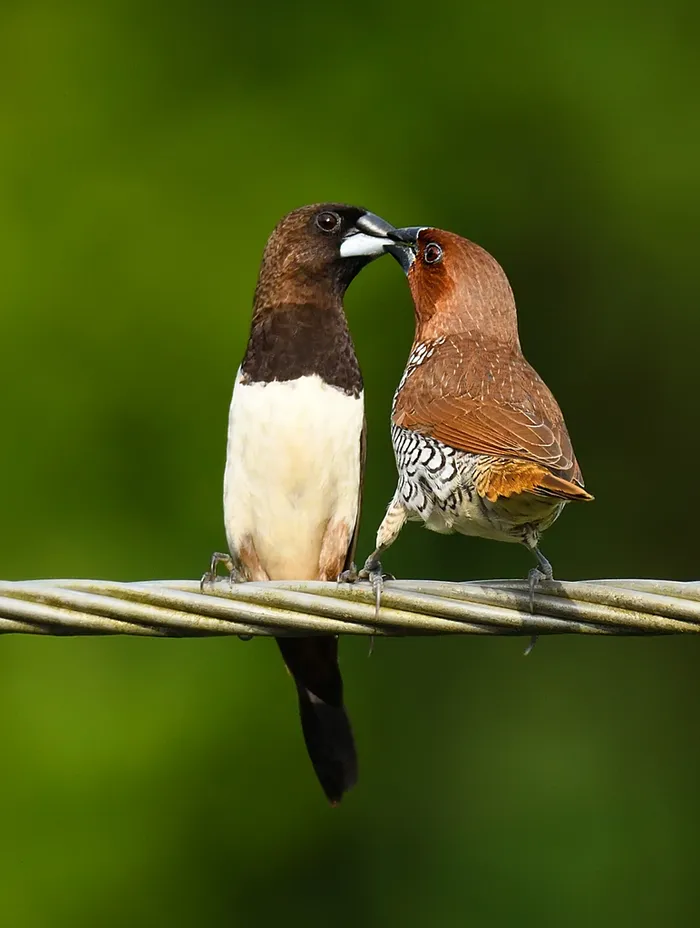
Javan Munia (Lonchura leucogastroides). The Javan munia occurs in southern Sumatra, Java, Bali and Lombok, while some populations elsewhere reflect human introduction.
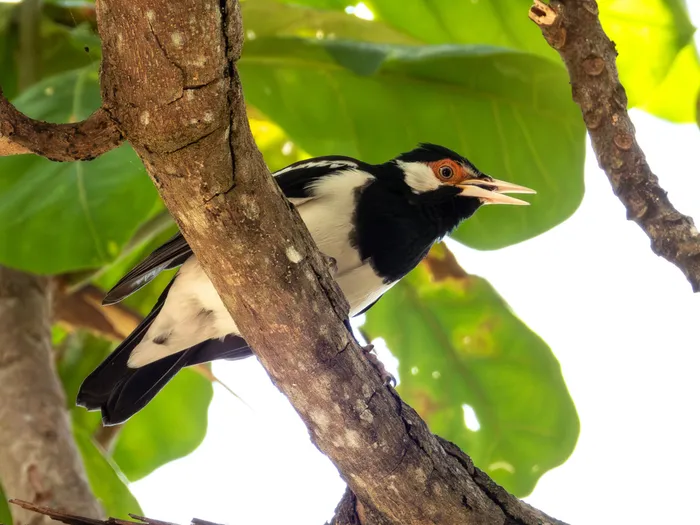
The Javan pied starling (Gracupica jalla) is a black-and-white starling of Java and Bali that may now be extinct in the wild because of the cagebird trade.
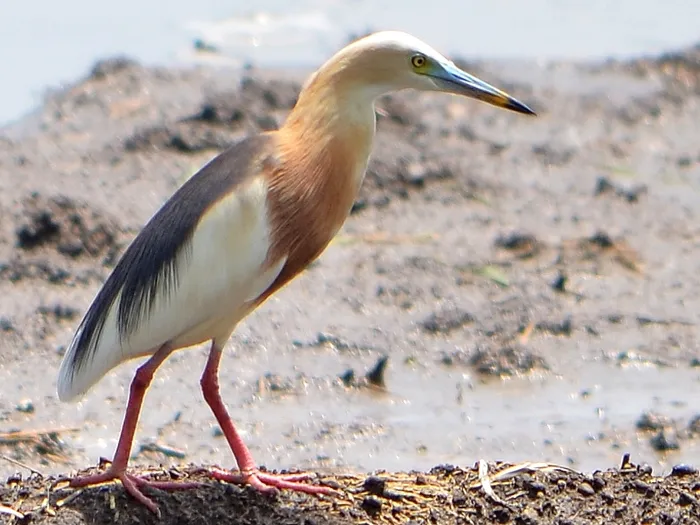
Javan Pond-Heron (Ardeola speciosa). The Javan pond-heron forages in shallow freshwater and coastal wetlands, taking small fish, insects and crabs.
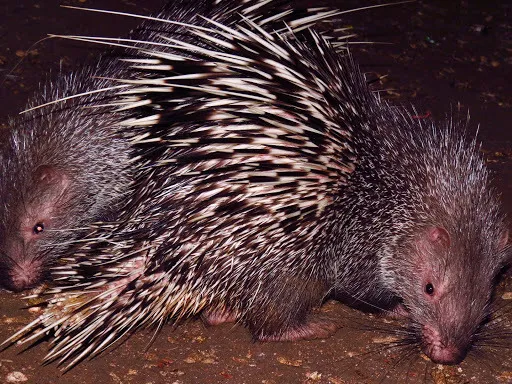
Javan Porcupine (Hystrix javanica). The Javan or Sunda porcupine is an Indonesian rodent with defensive quills; West Java research records secondary forest and land near farms.
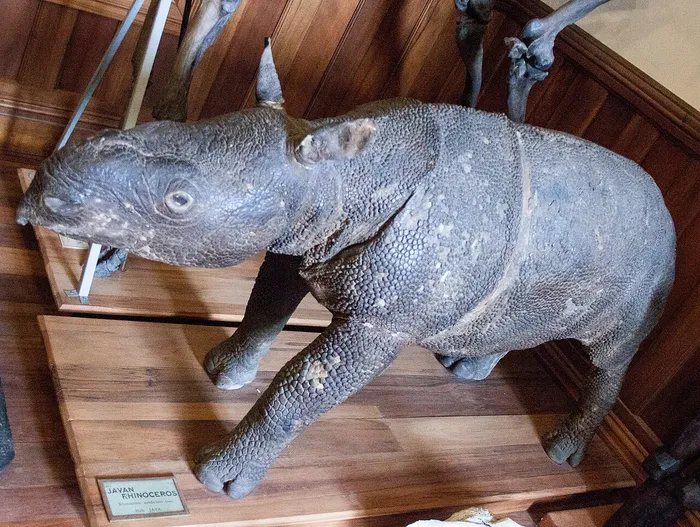
A one-horned rhinoceros with a single surviving wild population in Ujung Kulon. Strong protection and careful habitat management underpin its future.
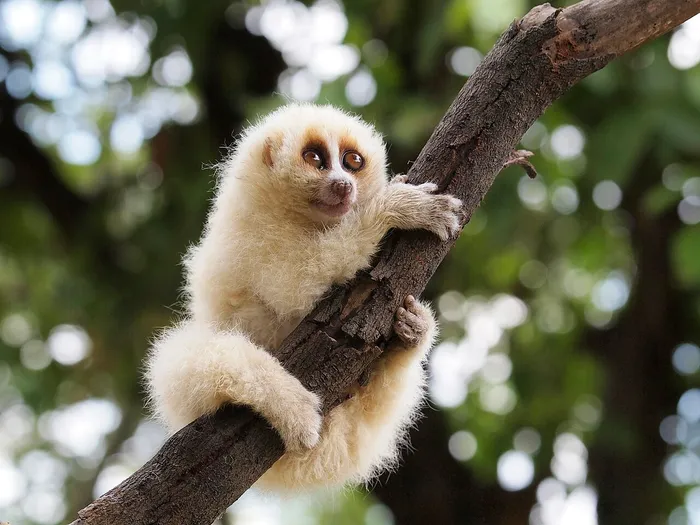
A nocturnal, tree-dwelling primate of Java threatened by wildlife trade. Understanding its behaviour helps turn curiosity into respectful observation.
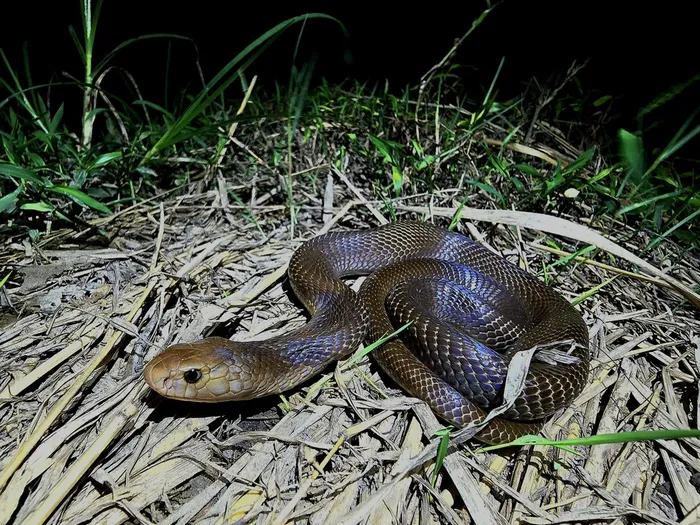
The Javan spitting cobra (Naja sputatrix) is a venomous spitting cobra of Java, Bali and Nusa Tenggara that often turns up around homes.
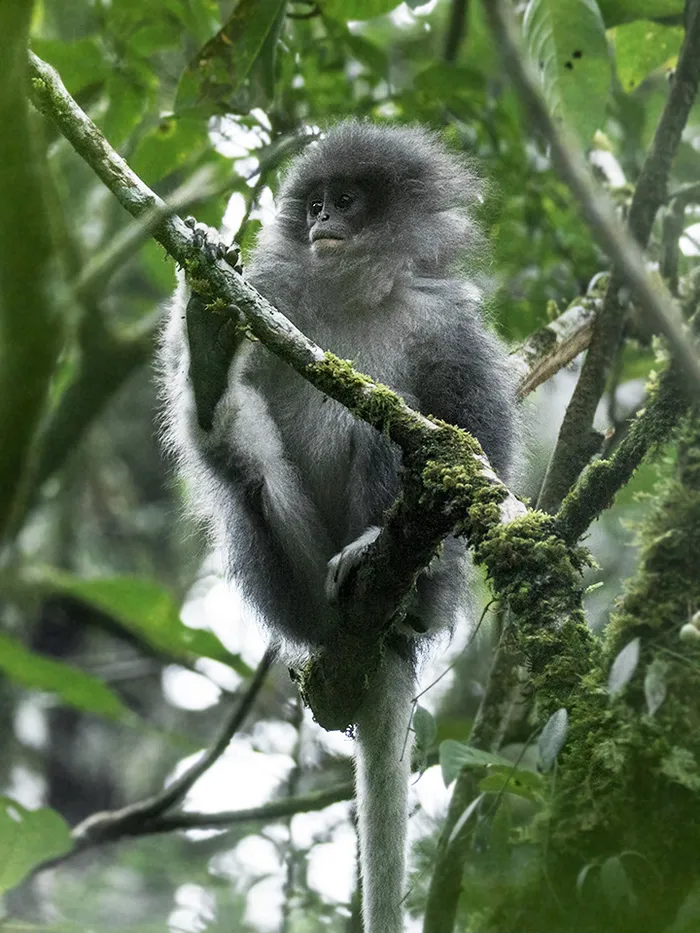
Javan Surili (Presbytis comata). The Javan surili is endemic to western Java; the word 'Javan' should not be read as an even range across the whole island.
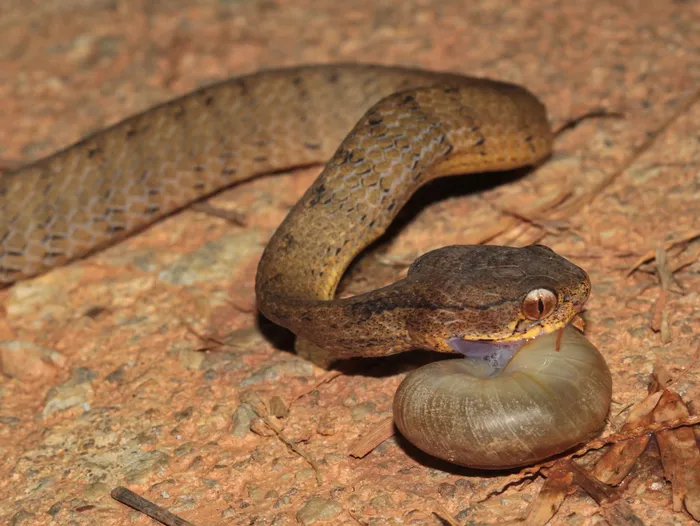
Keeled Slug Snake (Pareas carinatus). The keeled slug snake is a pareid associated with feeding on slugs and snails; a group name does not prove every individual meal.
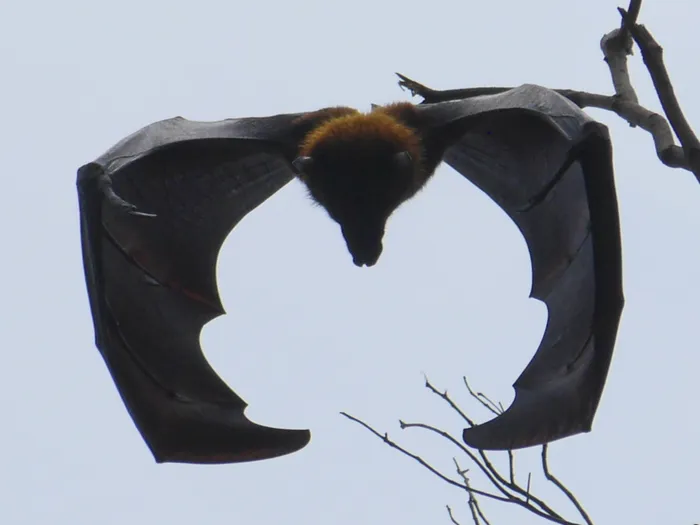
Large Flying-fox (Pteropus vampyrus). The large flying fox is a Southeast Asian fruit bat; its size and fruit-feeding ecology differ from many smaller insect-eating bats.
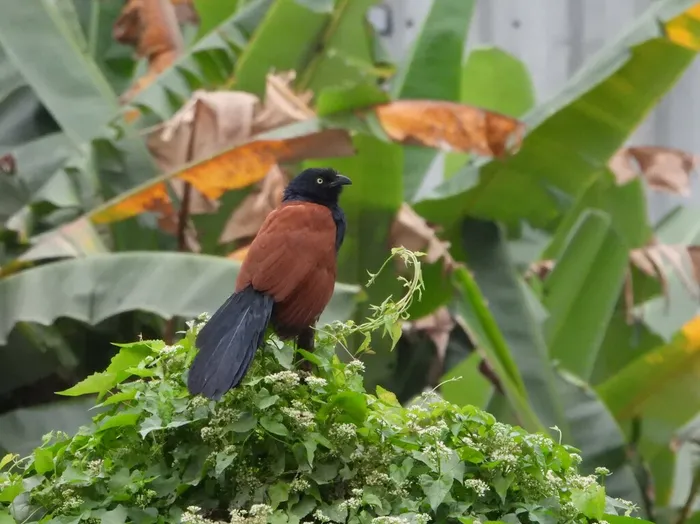
Lesser Coucal (Centropus bengalensis). The lesser coucal often uses dense low vegetation, including marsh edges; brief distant views can be confused with other coucals.
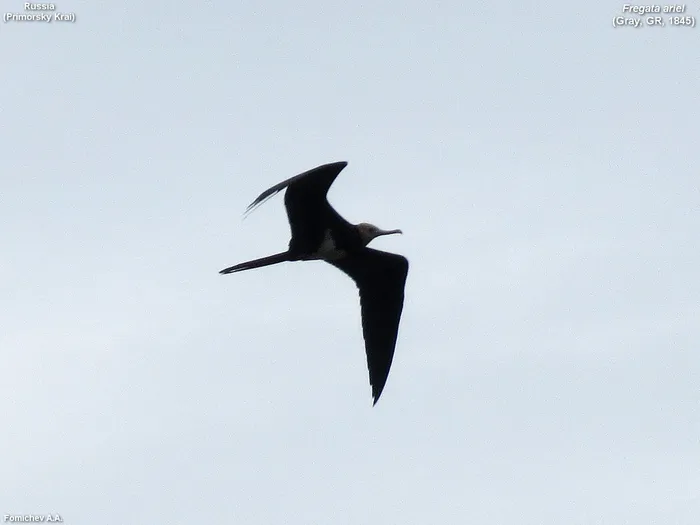
Lesser Frigatebird (Fregata ariel). The lesser frigatebird is relatively small for a frigatebird and spends much of its time airborne above tropical seas.
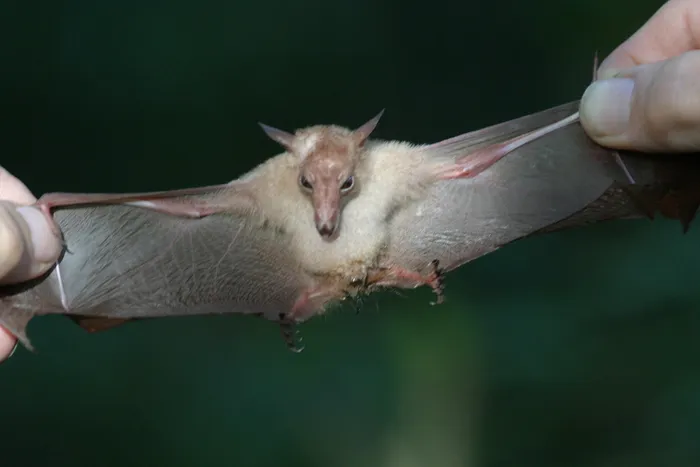
Lesser Long-tongued Fruit Bat (Macroglossus minimus). The lesser long-tongued fruit bat feeds at flowers and is much smaller than large flying foxes; size alone cannot identify it reliably.
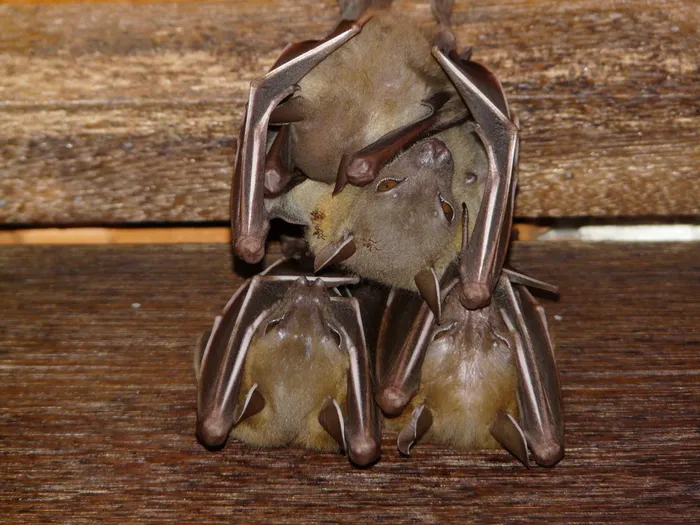
The lesser short-nosed fruit bat (Cynopterus brachyotis) is a common small fruit bat of Indonesian towns and forests that spreads seeds and pollinates flowers.
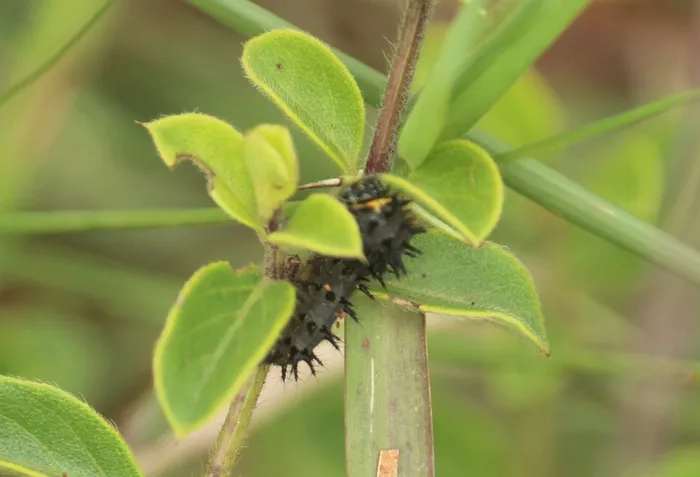
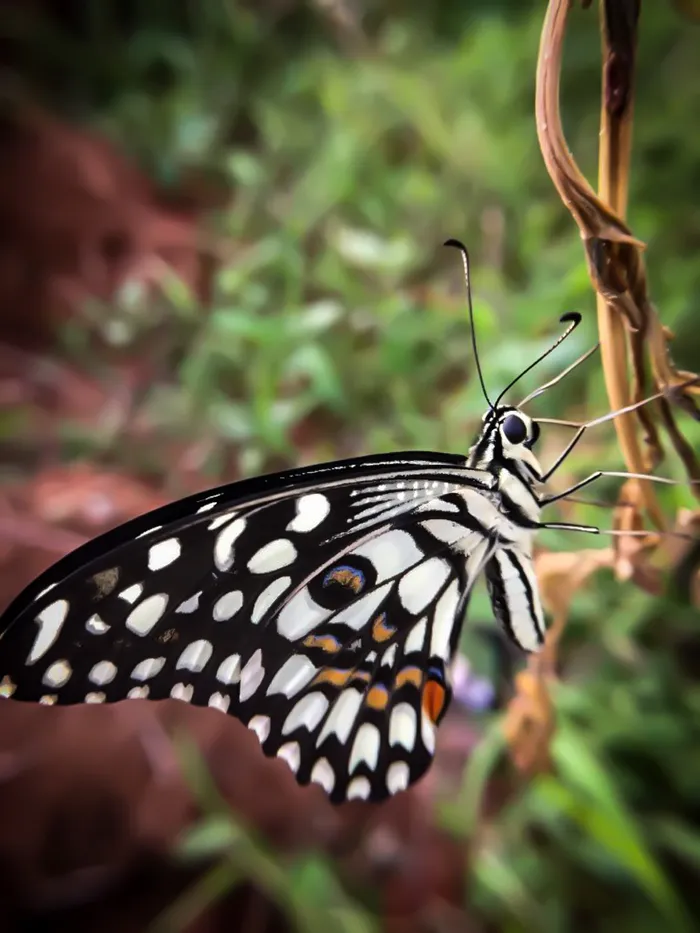
Lime Swallowtail (Papilio demoleus). Lime swallowtails use citrus among larval host plants; garden records should distinguish eggs, caterpillars and adult butterflies.
Little Egret (Egretta garzetta). The little egret is smaller than the great egret; wetland identification benefits from checking size, bill and leg characters together.
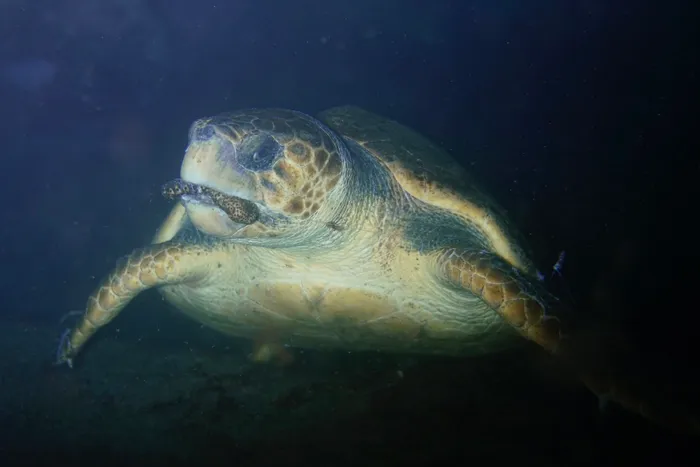
The loggerhead turtle (Caretta caretta) is a big-headed sea turtle that is very rare in Indonesian waters and fully protected by law.
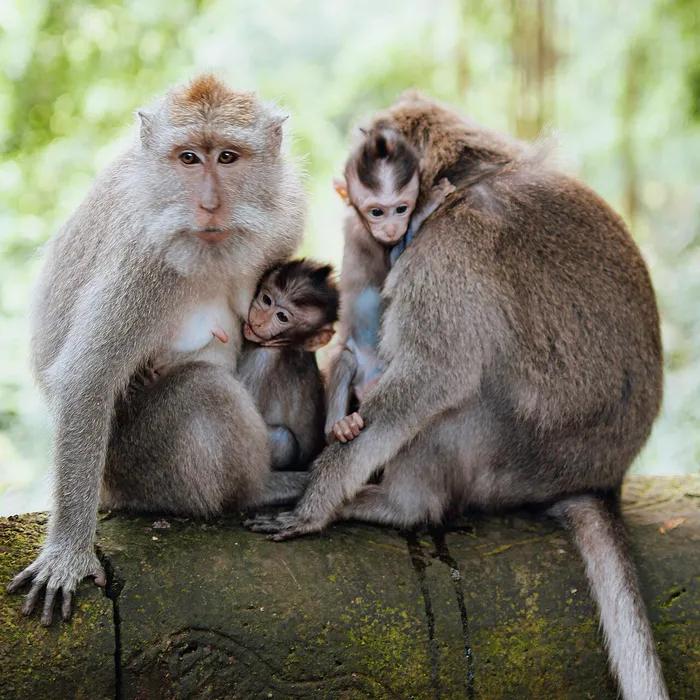
A social primate using forests, riversides, mangroves and settlement edges. Food and human encounters vary by place; frequent sightings do not describe the condition of the whole population.
The Malayan krait (Bungarus candidus) is a highly venomous black-and-white banded krait of Sumatra, Java and Bali that is active at night.
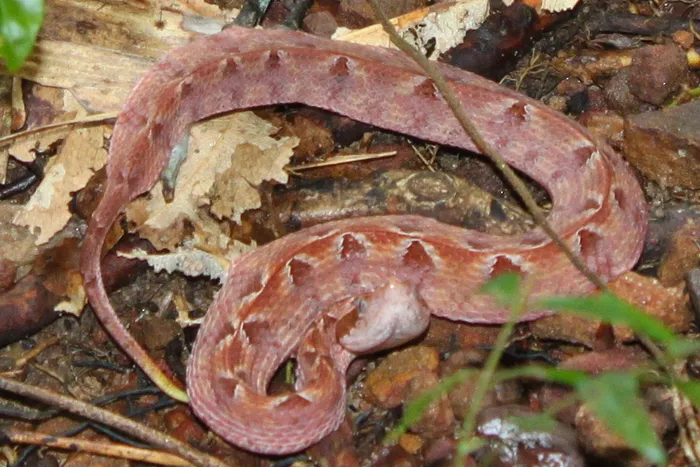
The Malayan pit viper (Calloselasma rhodostoma) is a haemotoxic viper of Java that hides in leaf litter and tends to stay still when approached.
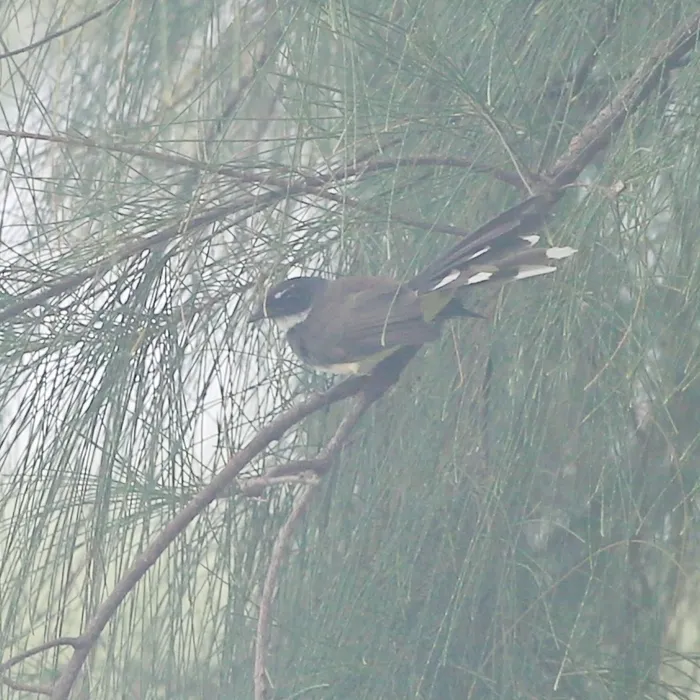
Malaysian Pied-Fantail (Rhipidura javanica). The Malaysian pied-fantail is a rhipidurid; a fanned tail and black-and-white pattern aid identification around forest edges and gardens.
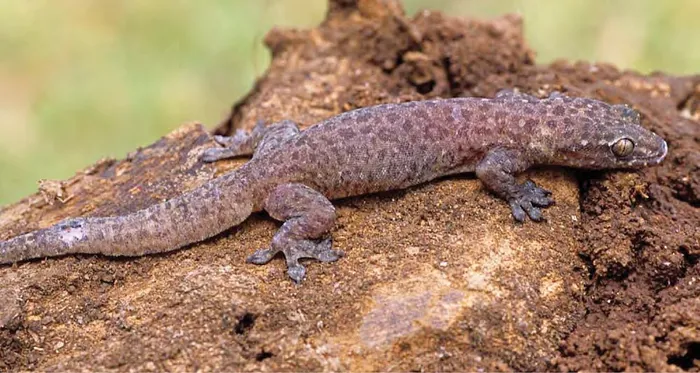
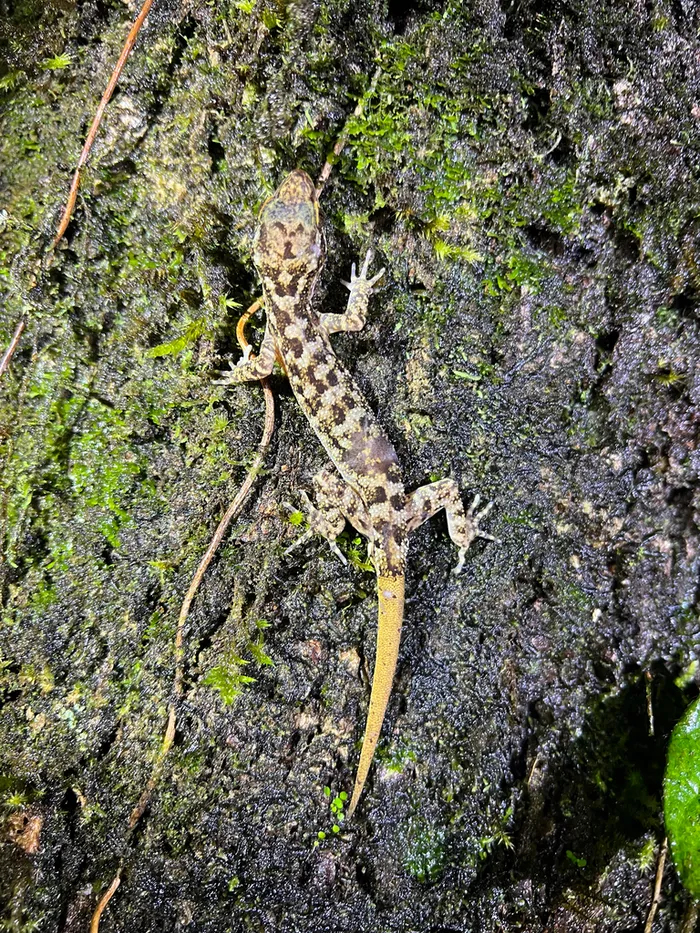
Marbled Bow-fingered Gecko (Cyrtodactylus marmoratus). The marbled bent-toed gecko occurs in Java and Southeast Asia; mottled pattern should be considered with toe shape and photo locality.
Muller's Narrowmouth Frog (Kaloula baleata). Müller's narrowmouth frog is a microhylid with a rounded body; skin condition and age can change its appearance.
Northern Palm Civet (Paradoxurus hermaphroditus). The Asian palm civet can use varied habitats; captivity and civet-coffee production should be distinguished from its wild behaviour.
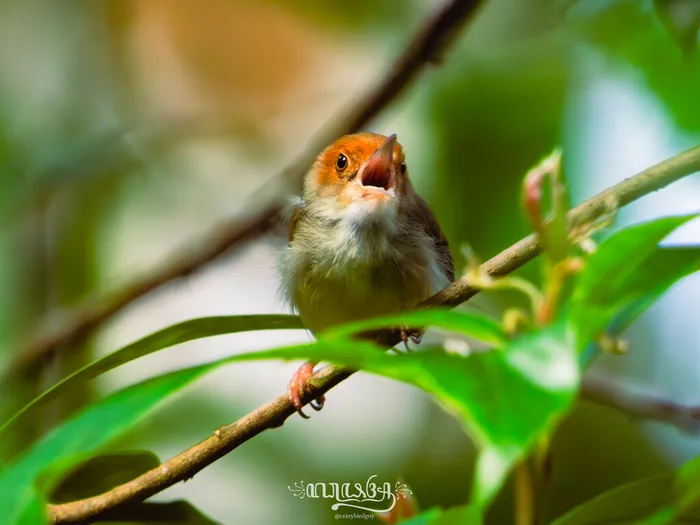
Olive-backed Tailorbird (Orthotomus sepium). The olive-backed tailorbird is now placed in Cisticolidae rather than the older broad Old World warbler grouping; names should follow current taxonomy.
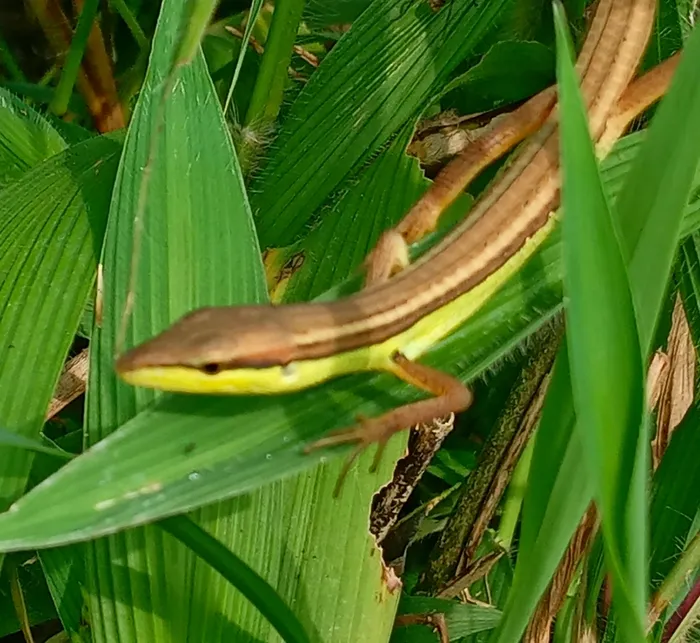
Oriental Long-tailed Grass Lizard (Takydromus sexlineatus). The long-tailed grass lizard often has a tail several times its body length; never pull it by the tail, which can be shed.
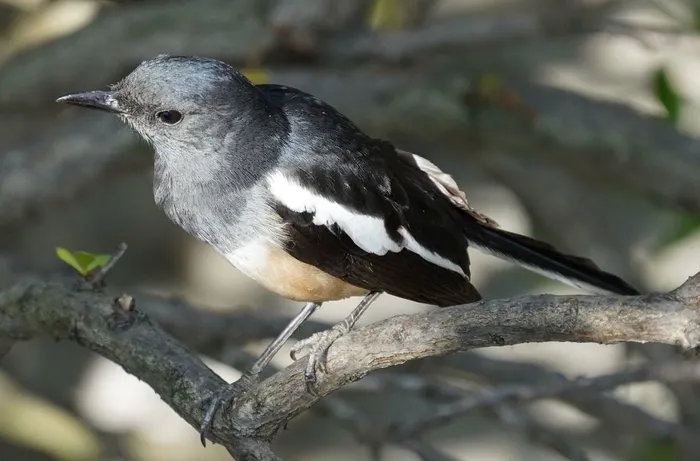
The oriental magpie-robin (Copsychus saularis) is a black-and-white songbird that was once common on Java but is now rare there because of trapping.
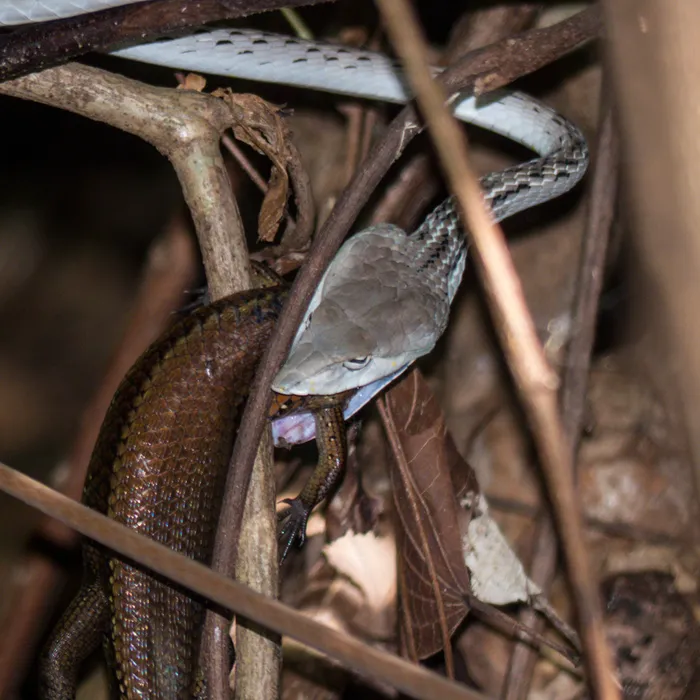
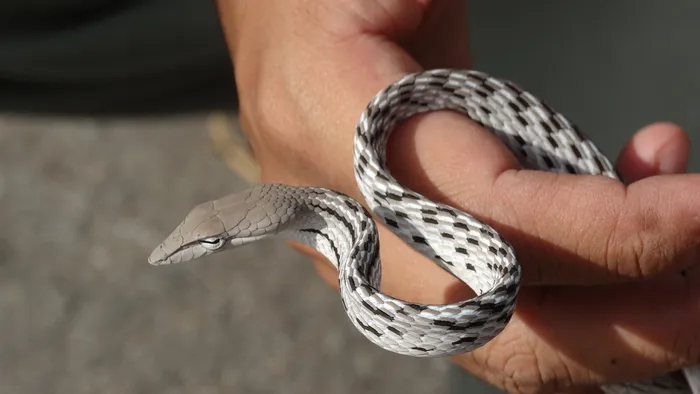
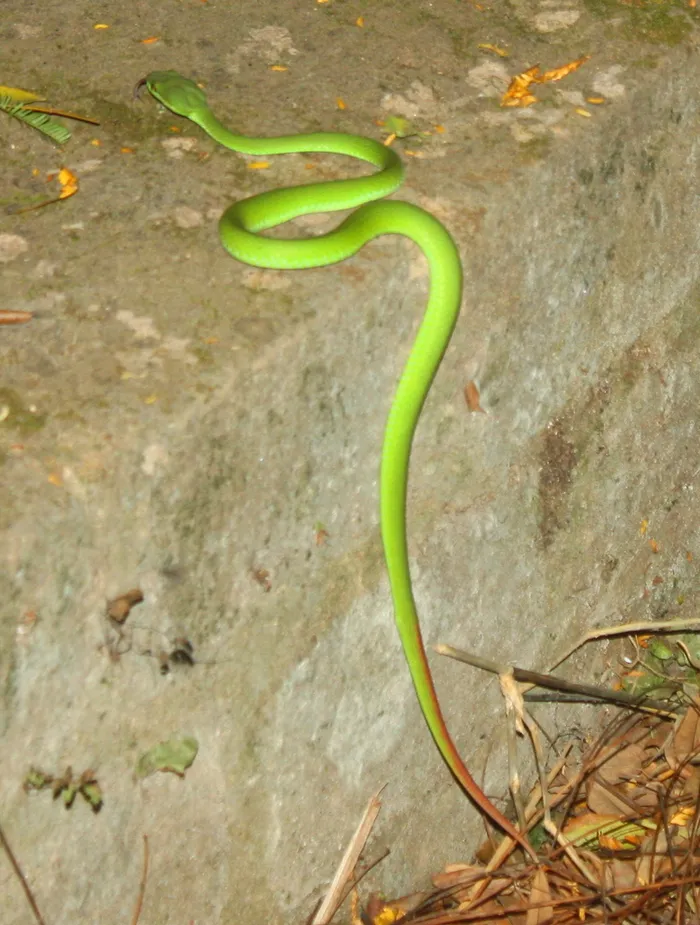
Oriental Whipsnake (Ahaetulla prasina). The oriental whipsnake is exceptionally slender and often found in vegetation; green colour alone cannot separate it from other tree snakes.
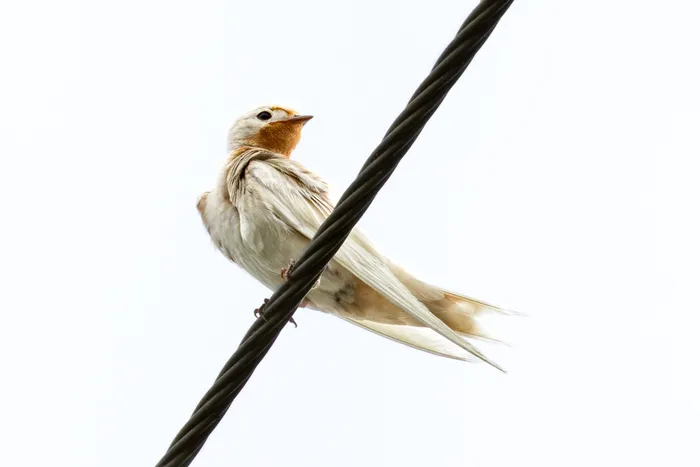
A small swallow that catches insects in flight and builds a mud nest. Its scientific name matters because Pacific swallow taxonomy has changed.
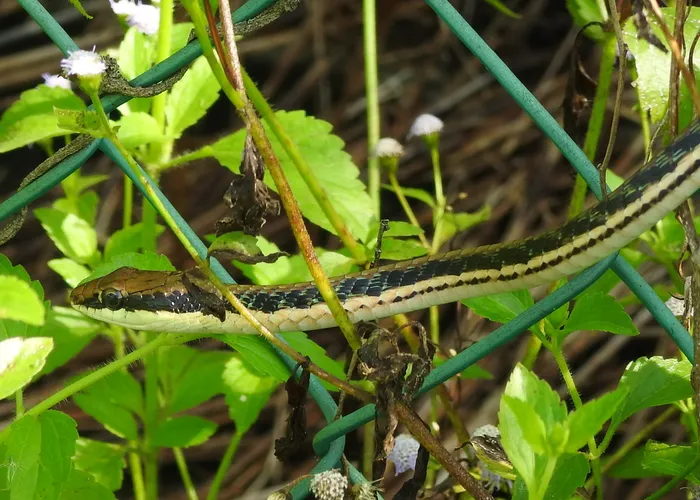
Painted Bronzeback (Dendrelaphis pictus). The painted bronzeback is a slender active snake ranging from South to Southeast Asia; side pattern must be checked with head shape.
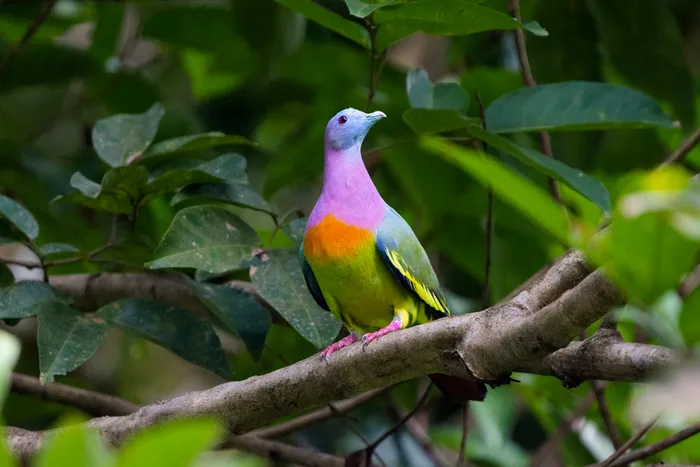
Pink-necked Green-Pigeon (Treron vernans). The pink-necked green-pigeon is a green pigeon often noticed in fruiting trees; its English name refers to the pink neck, not a parrot.
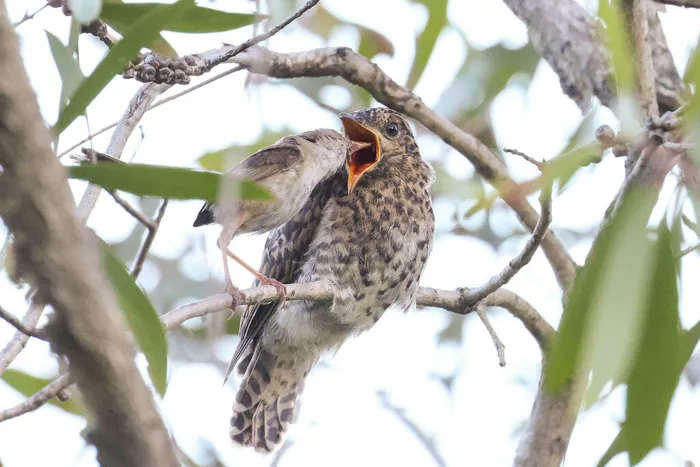
Plaintive Cuckoo (Cacomantis merulinus). The plaintive cuckoo is a widely distributed Asian cuckoo; voice and place are valuable because several small cuckoos look alike.
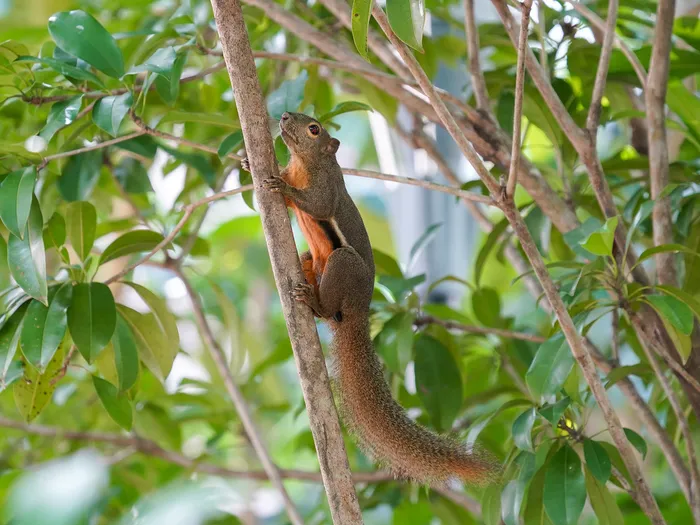
Plantain Squirrel (Callosciurus notatus). The plantain squirrel uses trees in Southeast Asian forests, gardens and settlements; body stripes and colour help separate similar squirrels.
Poisonous Rock Frog (Odorrana hosii). Hose's frog is associated with rocky stream settings in Southeast Asia; a common name is no reason to handle an unidentified frog.
Puff-faced Water Snake (Homalopsis buccata). The puff-faced water snake occurs in tropical South and Southeast Asian waters; head shape and wet habitat matter more than colour alone.
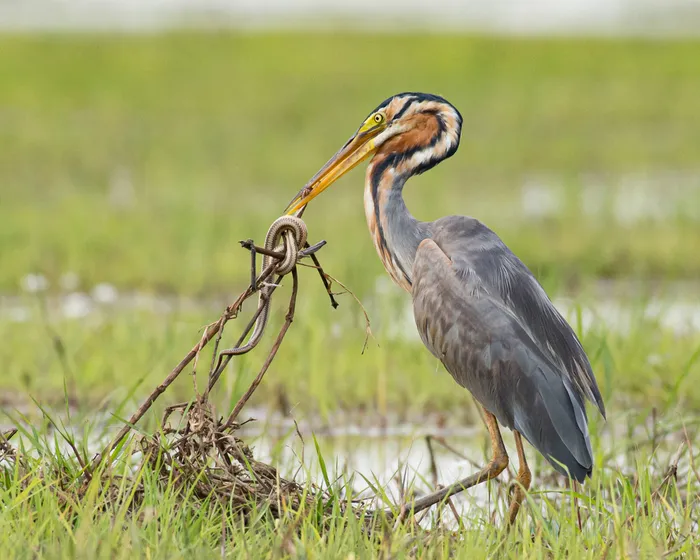
Purple Heron (Ardea purpurea). The purple heron is a long-necked heron associated with marsh vegetation; brownish colour alone is insufficient without checking shape.
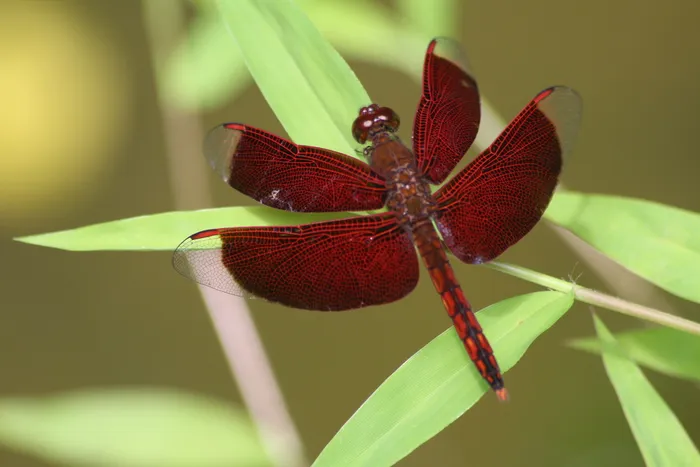
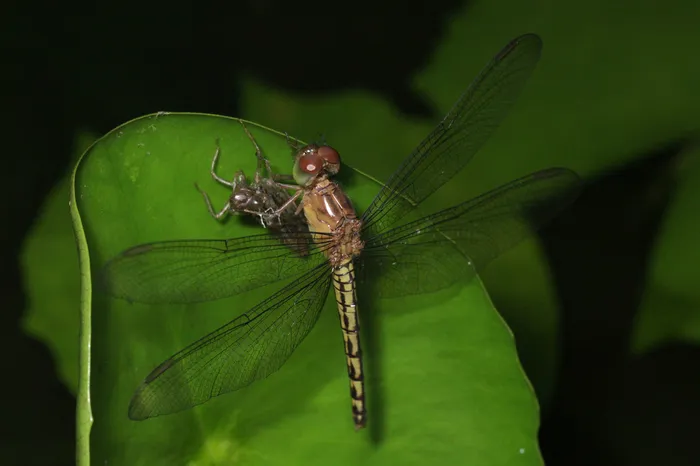
Red Percher (Neurothemis ramburii). Neurothemis ramburii is a libellulid; identification requires wing and body pattern rather than generic red colour.
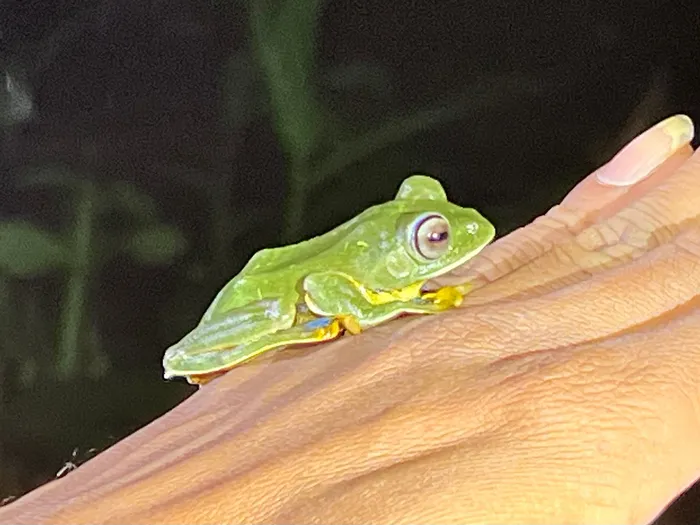
Reinwardt's flying frog (Rhacophorus reinwardtii) is a green, broadly webbed tree frog of the forests of Java and Sumatra that lays eggs in foam nests.
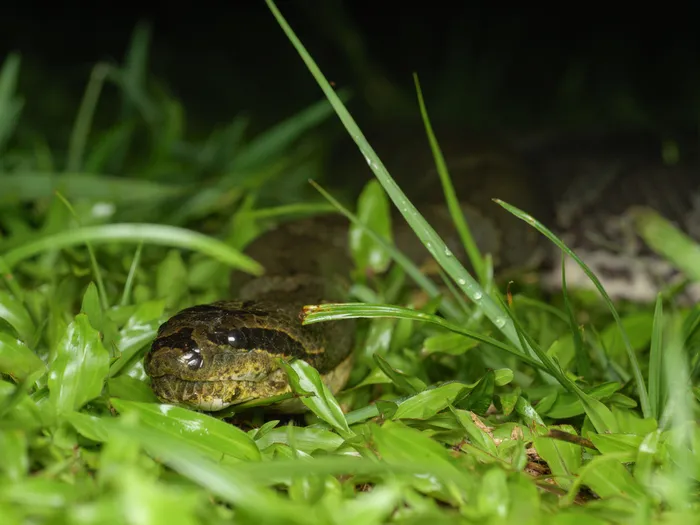
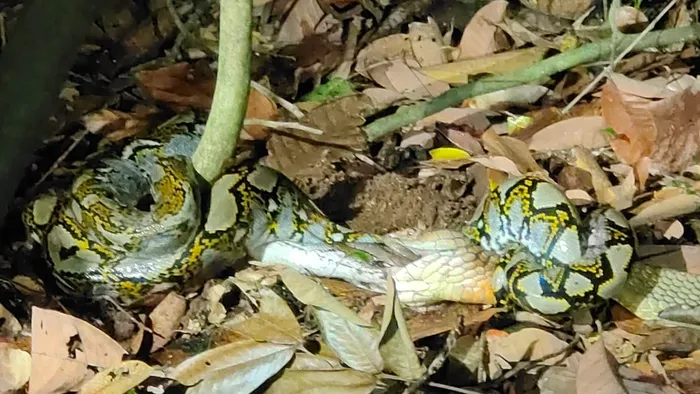
Reticulated Python (Malayopython reticulatus). The reticulated python can grow exceptionally long and subdues prey by constriction; it is nonvenomous but large animals still require distance.
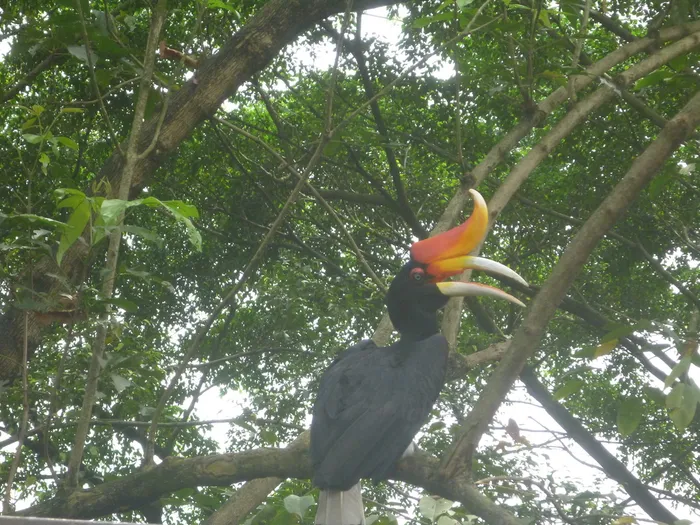
The rhinoceros hornbill (Buceros rhinoceros) is a large hornbill with an upturned orange-red casque, found in Sumatra, Java and Borneo; Vulnerable.
River Toad (Phrynoidis asper). The river toad is a Southeast Asian bufonid; 'giant' is a relative common name, not a fixed size for every individual.
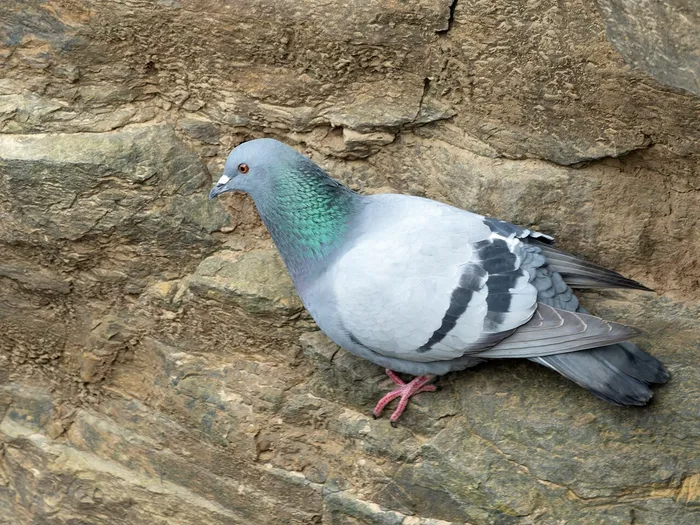
Rock Pigeon (Columba livia). Rock pigeons include wild-type birds and free-living domestic descendants; an urban record need not represent an original wild population.
Sahul Brush Cuckoo (Cacomantis variolosus). The Sahul brush cuckoo belongs to Cuculidae; voice, plumage and locality matter because common names and species limits in this group change.
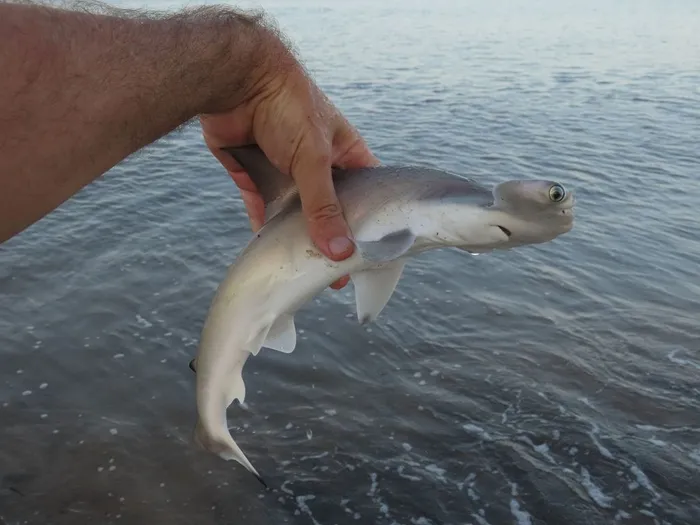
The scalloped hammerhead (Sphyrna lewini) is a hammer-headed shark with a notched snout, found across Indonesian seas and listed as Critically Endangered.
Scaly-breasted Munia (Lonchura punctulata). Adults show scale-like marks across the breast and belly, a brown back and a stout dark bill; young birds are plainer.
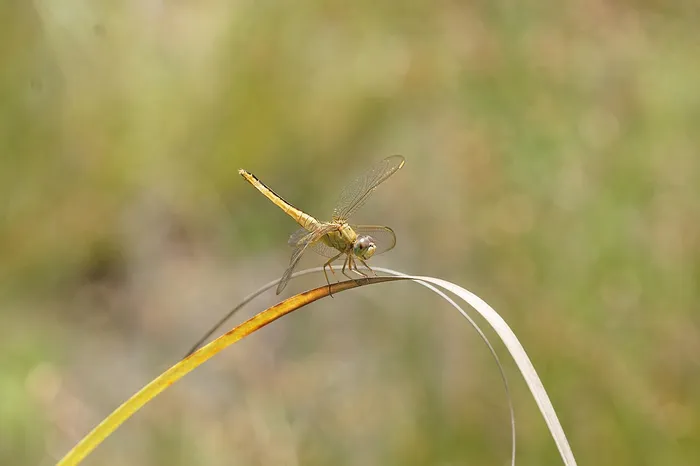
Scarlet Skimmer (Crocothemis servilia). Scarlet skimmers are native to East and Southeast Asia with introductions elsewhere; red males do not represent every age or sex.
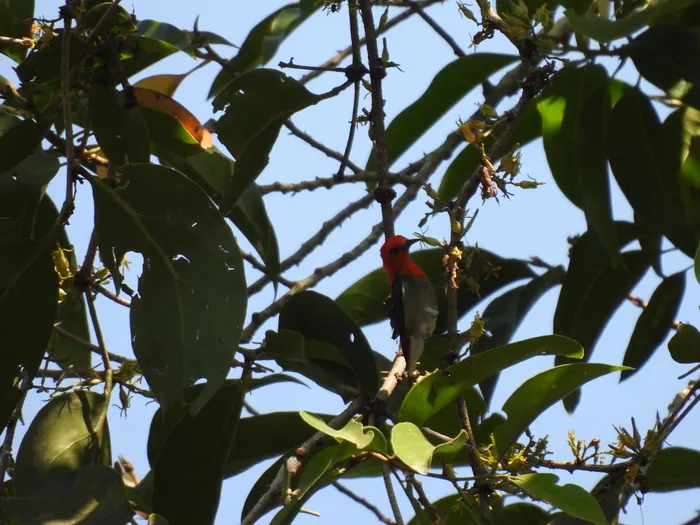
Scarlet-headed Flowerpecker (Dicaeum trochileum). The scarlet-headed flowerpecker is an Indonesian-endemic dicaeid; the male's red head is a clue, making sex and age relevant to identification.
Schlegel's Frog (Chalcorana chalconota). Schlegel's frog once covered stream-frog populations later split into other species; Sumatran and Javan identifications need current taxonomy.
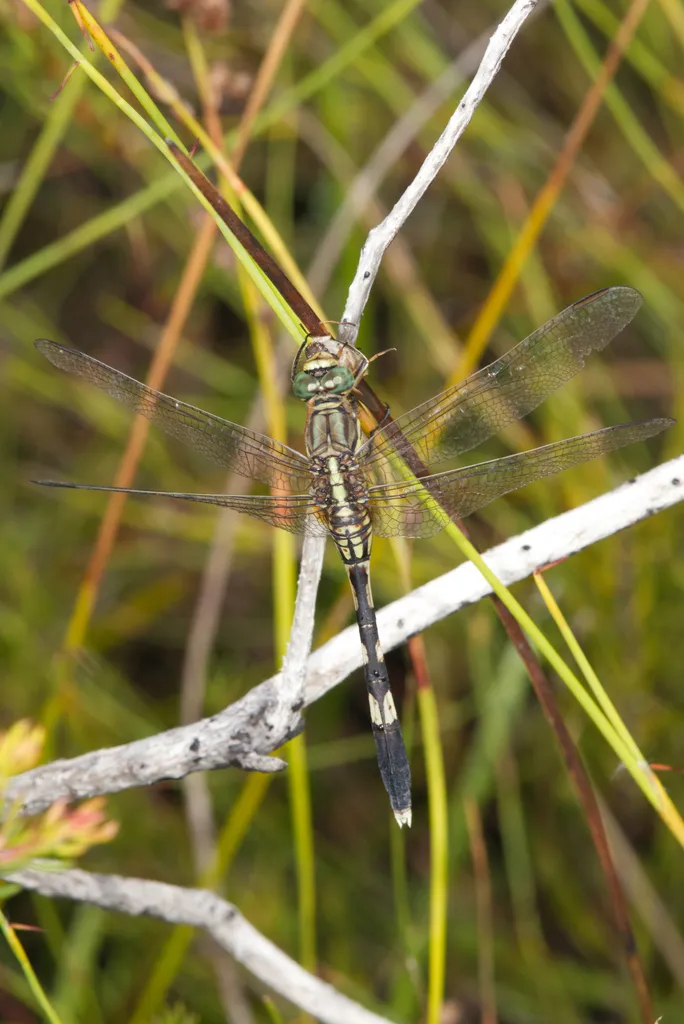
Slender Skimmer (Orthetrum sabina). The slender skimmer ranges widely from Asia to Australia; its green-and-black pattern and perching behaviour aid recognition.
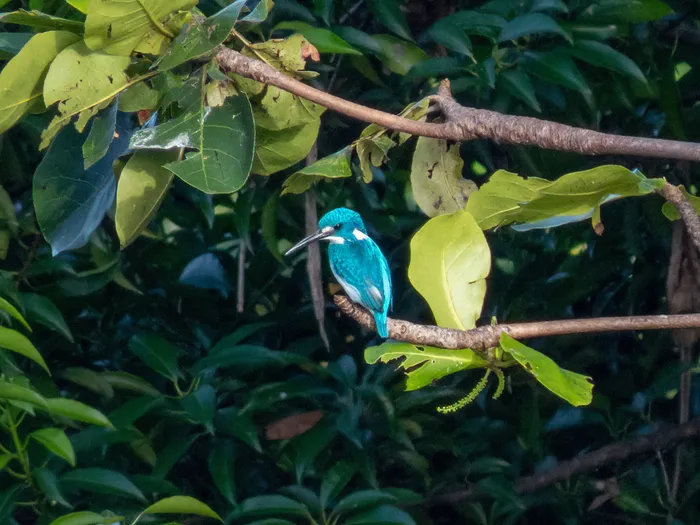
Small Blue Kingfisher (Alcedo coerulescens). This Indonesian kingfisher is metallic blue and white; size and pattern matter because other kingfishers also appear blue.
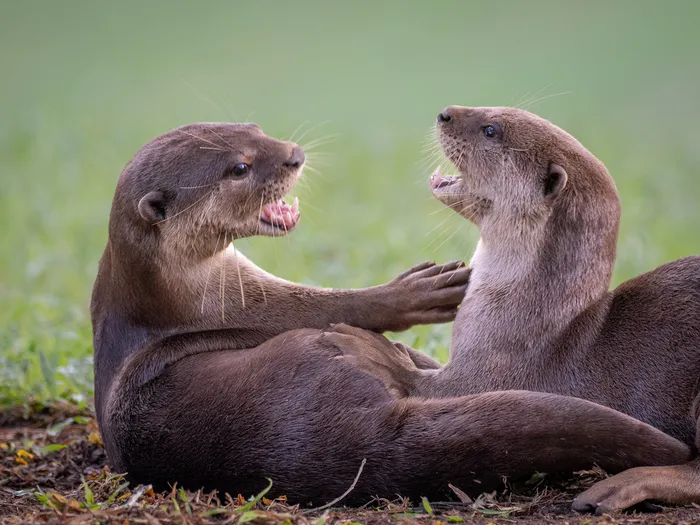
The smooth-coated otter (Lutrogale perspicillata) is Indonesia's largest otter, with short sleek fur, living in family groups in rivers, swamps and mangroves.
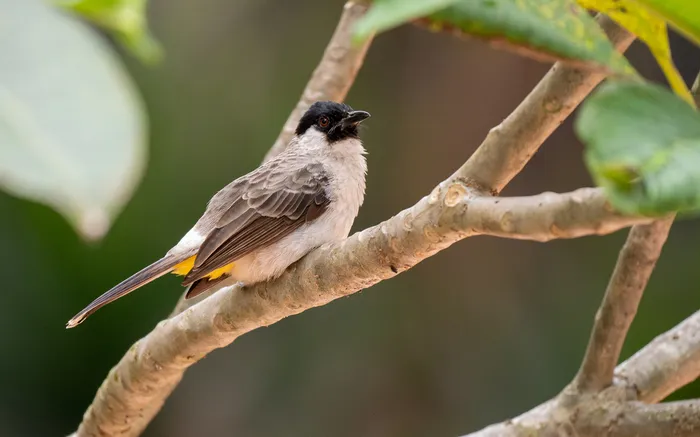
The sooty-headed bulbul (Pycnonotus aurigaster) is a black-capped bulbul native to Java and Bali, common in gardens and towns but widely trapped for sale.
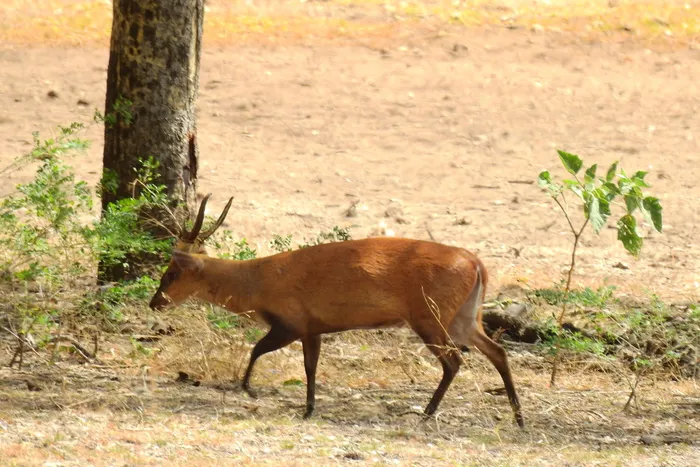
The southern red muntjac (Muntiacus muntjak) is a small deer with short antlers and tusks, found in Sumatra, Borneo, Java, Bali and Lombok.
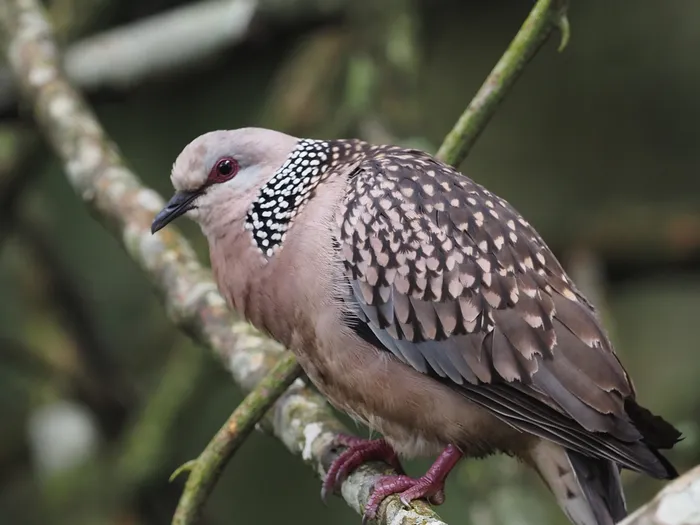
A small, long-tailed dove with white spots on a black neck patch. It uses open land, gardens and forest edges while searching for seeds.
Straight-edge Red Parasol (Neurothemis terminata). The straight-edge red parasol can use artificial wetlands and ranges from Southeast Asia towards the Lesser Sundas.
The straw-headed bulbul (Pycnonotus zeylanicus) is a large, straw-crowned bulbul now Critically Endangered because of trapping for the bird trade.
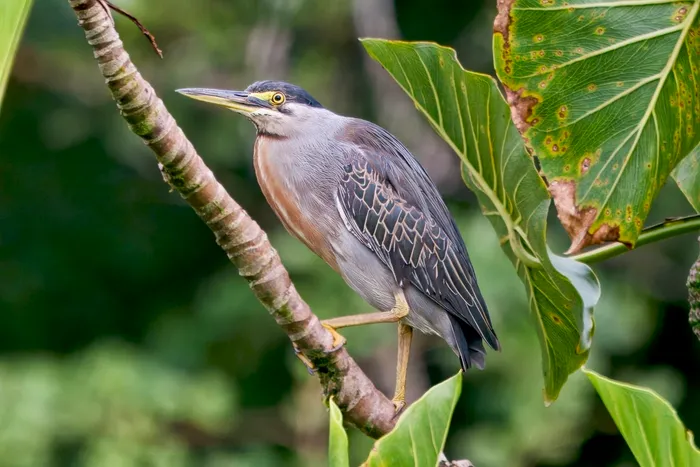
Striated Heron (Butorides striata). The striated heron is a small heron often using mangrove edges and shallow water; its current name distinguishes it from the American green heron.
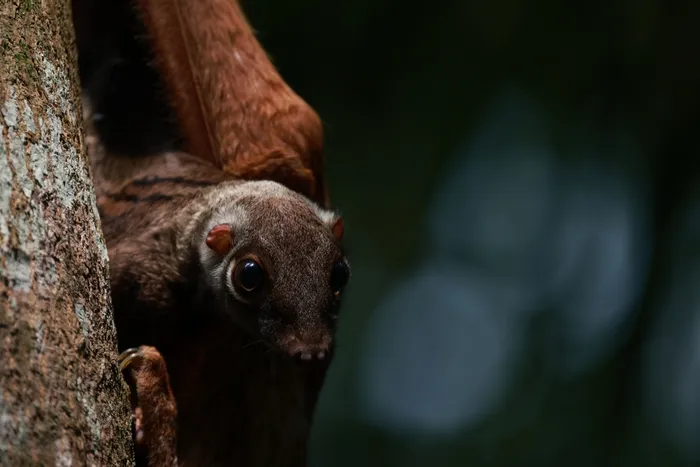
Sunda Colugo (Galeopterus variegatus). The Sunda colugo is neither lemur nor bat; a skin membrane between its limbs lets it glide between trees.
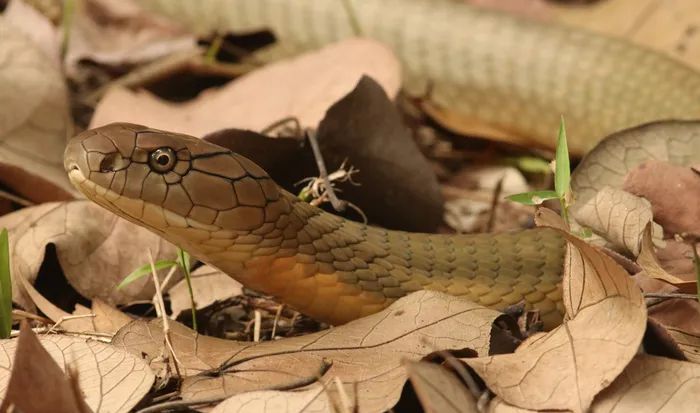
The Sunda king cobra (Ophiophagus bungarus) is a venomous snake-eater of Sumatra, Java, Borneo and Bali, separated from O. hannah in 2024.
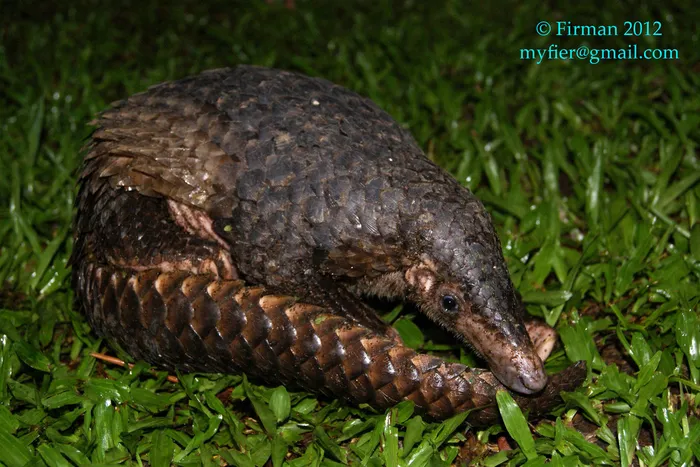
A scaled, ant- and termite-eating mammal threatened by illegal trade. Climbing and secretive behaviour make direct observation difficult.
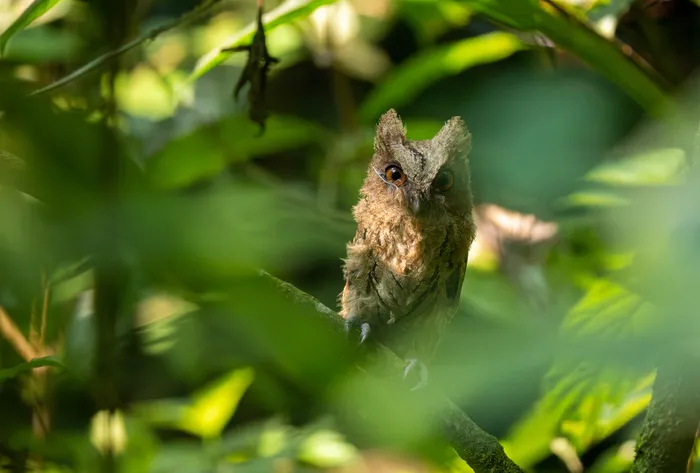
The Sunda scops owl (Otus lempiji) is a small owl with short ear tufts that lives in forest, gardens and wooded parks in Sumatra, Java, Borneo and Bali.
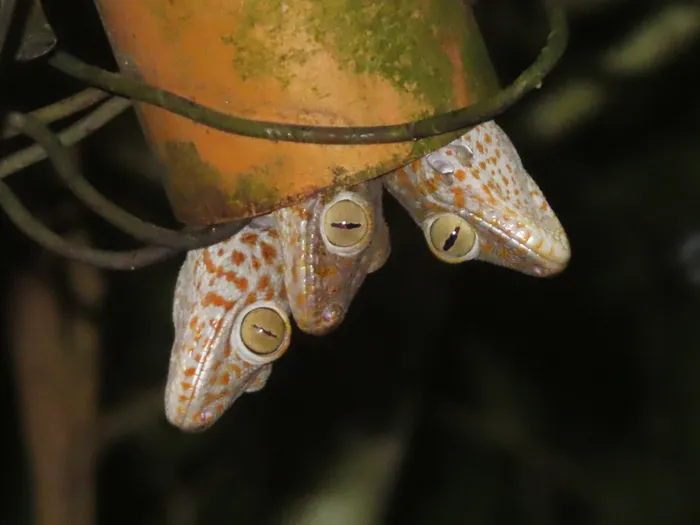
Tokay Gecko (Gekko gecko). The tokay gecko is a large mostly nocturnal tree gecko with a conspicuous call; a call need not reveal the animal's exact position.
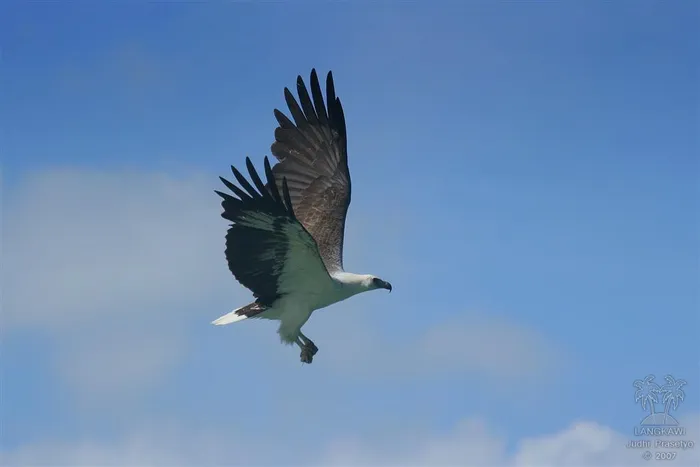
White-bellied Sea Eagle (Haliaeetus leucogaster). The white-bellied sea eagle has a white head, rump and underside with dark-grey upperwings; it uses coasts and major rivers.
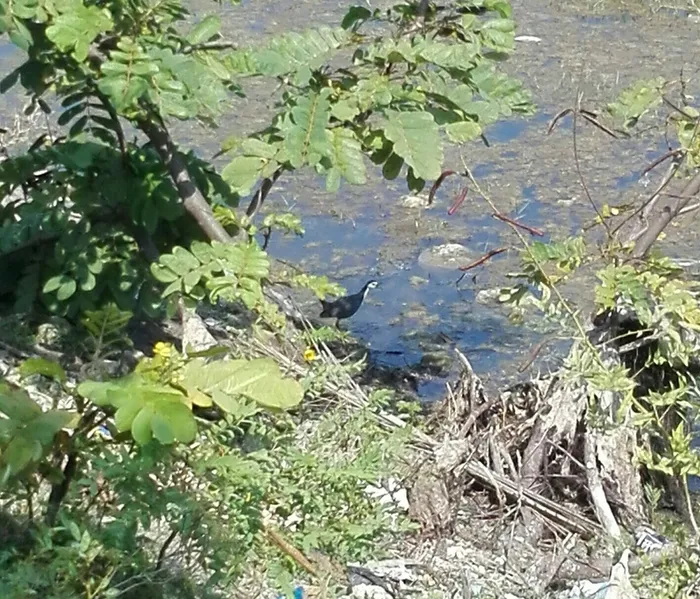
White-breasted Waterhen (Amaurornis phoenicurus). This waterhen has a dark body and conspicuously white face and breast; records should include the waterside vegetation where it was seen.
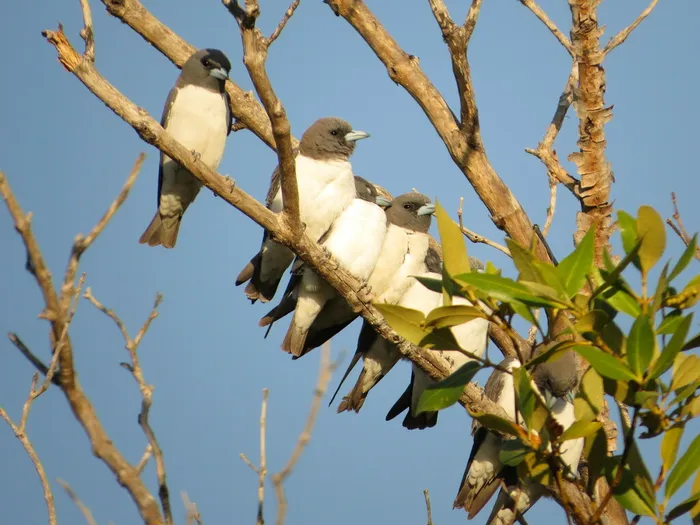
White-breasted Woodswallow (Artamus leucorhynchos). GBIF's spelling differs from the BirdLife Australia name for the white-breasted woodswallow; its white chest contrasts with a dark-grey head.
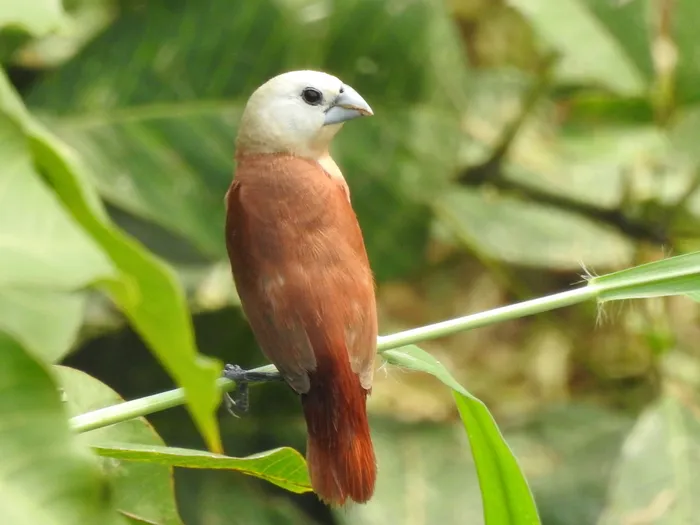
White-headed Munia (Lonchura maja). The white-headed munia uses wetlands and grassy places; the adult's white head helps identification, while young birds are harder to separate.
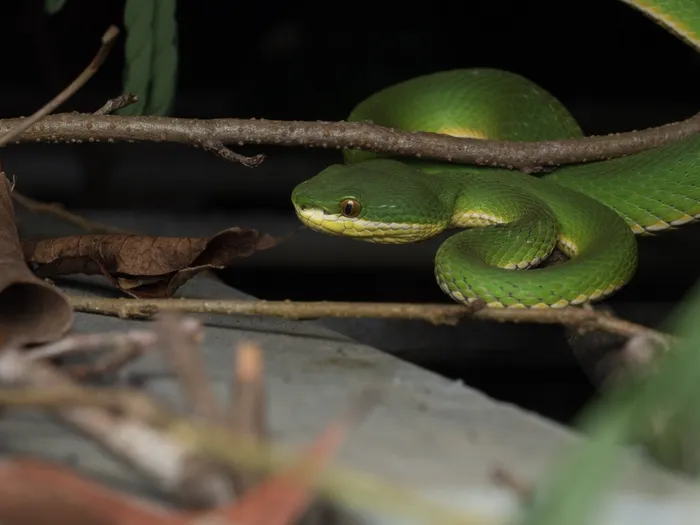
White-lipped Island Pitviper (Trimeresurus insularis). The Sunda island pitviper is venomous; older sources treated it as a white-lipped pitviper subspecies, so taxon names need checking.
White-lipped Pit Viper (Trimeresurus albolabris). The white-lipped pitviper is venomous and has lookalike relatives; safe-distance photographs and locality are better than handling for identification.
White-nest Swiftlet (Aerodramus fuciphagus). The edible-nest swiftlet makes a nest largely of hardened saliva; nest harvesting is a human activity separate from the bird's own life cycle.
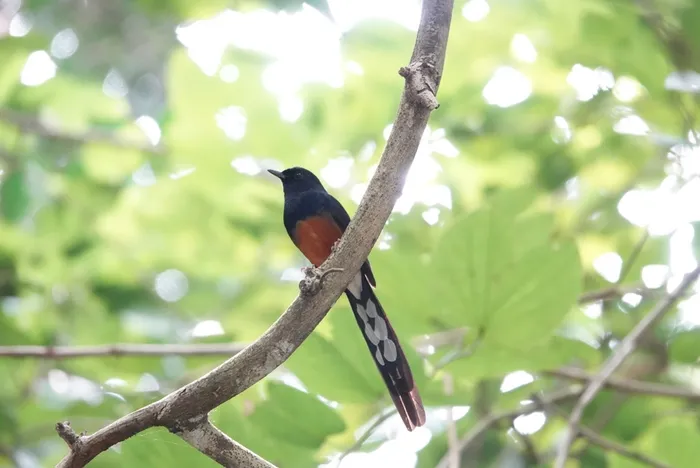
The white-rumped shama (Copsychus malabaricus) is a forest songbird with a rich song whose Indonesian populations have fallen through trapping for trade.
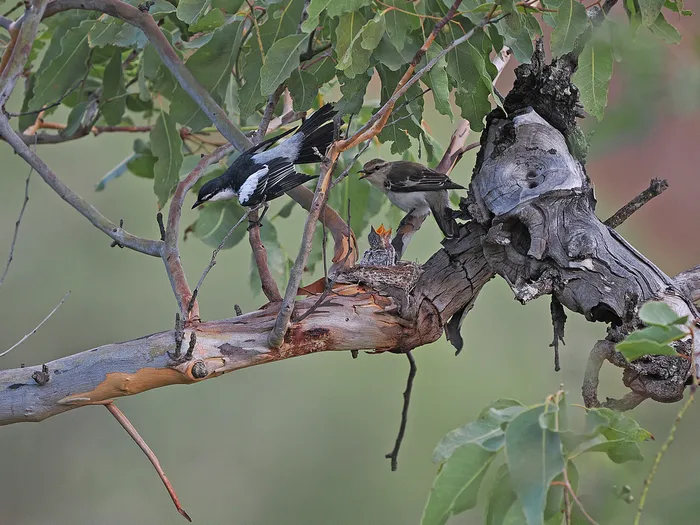
White-shouldered Triller (Lalage sueurii). The white-shouldered triller is a campephagid of Indonesia and Timor-Leste; its white wing markings should be read alongside body shape.
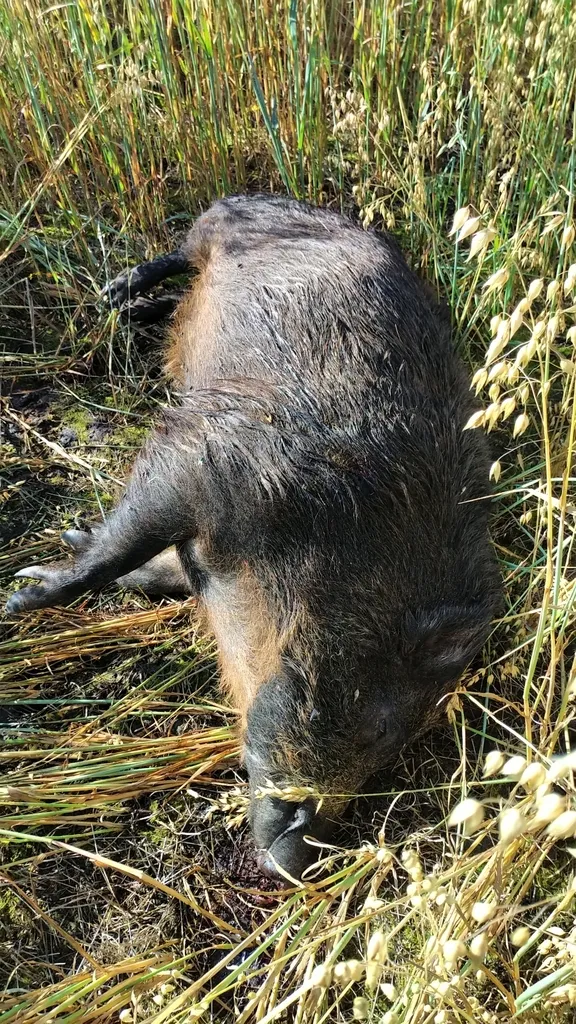
Wild Boar (Sus scrofa). Wild boar have both native and human-transported populations; wild, domestic and feral animals must not be combined into a single population claim.
A songbird with a conspicuous yellow vent that often uses gardens, parks and forest edges. Local studies document fruit and insect feeding.
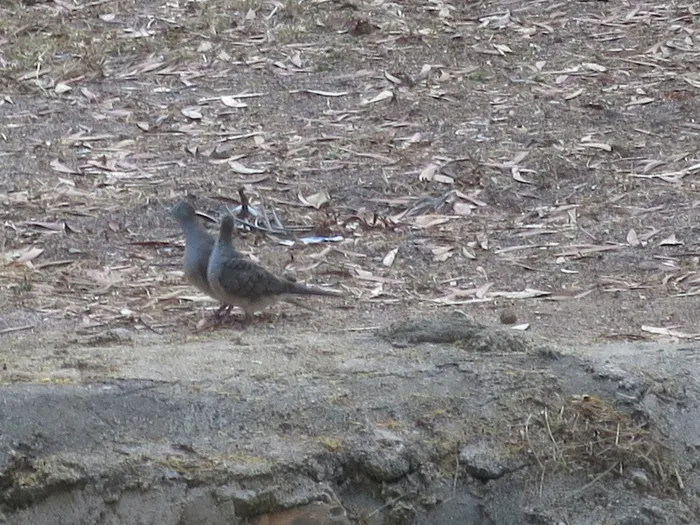
Zebra Dove (Geopelia striata). This small dove has a relatively long tail, fine black-and-white barring over grey-brown plumage and a soft repeated coo.
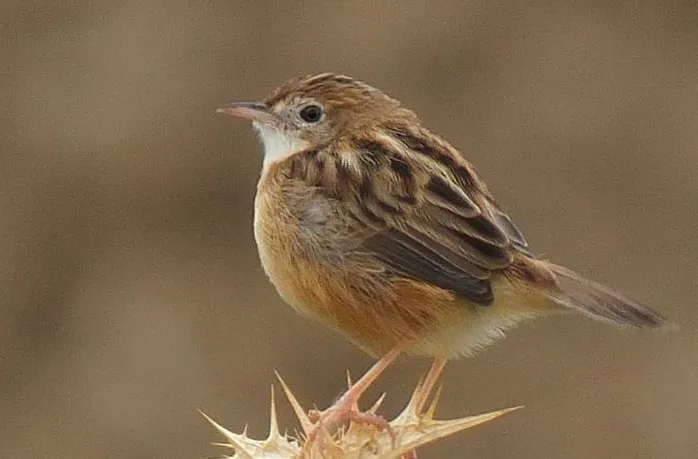
Zitting Cisticola (Cisticola juncidis). The zitting cisticola uses open grassy cover; its repeated short call in flight can reveal it before plumage details are clear.
| Name | Scientific name | Group | Conservation status |
|---|---|---|---|
| Ashy Drongo | Dicrurus leucophaeus | Birds | Least Concern |
| Asian Common Toad | Duttaphrynus melanostictus | Amphibians | Least Concern |
| Asian honey bee | Apis cerana | Invertebrates | Not recorded |
| Asian House Gecko | Hemidactylus frenatus | Reptiles | Not recorded |
| Asian house shrew | Suncus murinus | Mammals | Least Concern |
| Asian small-clawed otter | Aonyx cinereus | Mammals | Not recorded |
| Asian water monitor | Varanus salvator | Reptiles | Least Concern |
| Asian Weaver Ant | Oecophylla smaragdina | Invertebrates | Not recorded |
| Banded krait | Bungarus fasciatus | Reptiles | Least Concern |
| Banded Malaysian coral snake | Calliophis intestinalis | Reptiles | Least Concern |
| Banteng | Bos javanicus | Mammals | Critically Endangered |
| Barn owl | Tyto alba | Birds | Least Concern |
| Barn Swallow | Hirundo rustica | Birds | Least Concern |
| Binturong | Arctictis binturong | Mammals | Vulnerable |
| Black Giant Squirrel | Ratufa bicolor | Mammals | Near Threatened |
| Black rat | Rattus rattus | Mammals | Least Concern |
| Black-naped Fruit Dove | Ptilinopus melanospilus | Birds | Least Concern |
| Black-naped Monarch | Hypothymis azurea | Birds | Least Concern |
| Black-naped Oriole | Oriolus chinensis | Birds | Least Concern |
| Black-striped Squirrel | Callosciurus nigrovittatus | Mammals | Least Concern |
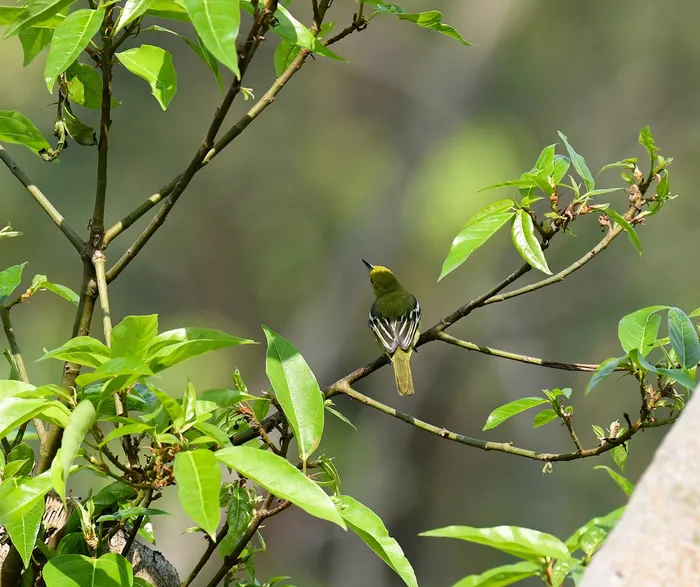
| Black-winged Flycatcher-shrike | Hemipus hirundinaceus | Birds | Least Concern |
| Black-winged myna | Acridotheres melanopterus | Birds | Endangered |
| Blue Pansy | Junonia orithya | Invertebrates | Least Concern |
| Blue-tailed Bee-eater | Merops philippinus | Birds | Least Concern |
| Brown Honeyeater | Lichmera indistincta | Birds | Least Concern |
| Brown rat | Rattus norvegicus | Mammals | Least Concern |
| Brown-throated Sunbird | Anthreptes malacensis | Birds | Least Concern |
| Cave Swiftlet | Collocalia linchi | Birds | Least Concern |
| Collared kingfisher | Todiramphus chloris | Birds | Least Concern |
| Common Four-clawed Gecko | Gehyra mutilata | Reptiles | Least Concern |
| Common hill myna | Gracula religiosa | Birds | Least Concern |
| Common Iora | Aegithina tiphia | Birds | Least Concern |
| Common Sandpiper | Actitis hypoleucos | Birds | Least Concern |
| Common Southeast Asian Tree Frog | Polypedates leucomystax | Amphibians | Least Concern |
| Common Sun Skink | Eutropis multifasciata | Reptiles | Least Concern |
| Common Wolf Snake | Lycodon capucinus | Reptiles | Least Concern |
| Coppersmith Barbet | Psilopogon haemacephalus | Birds | Least Concern |
| Crab-eating Frog | Fejervarya cancrivora | Amphibians | Least Concern |
| Crested serpent eagle | Spilornis cheela | Birds | Least Concern |
| Crown-of-thorns starfish | Acanthaster planci | Marine | Not recorded |
| Diadem Roundleaf Bat | Hipposideros diadema | Mammals | Least Concern |
| Domestic Water Buffalo | Bubalus bubalis | Mammals | Not recorded |
| Eurasian tree sparrow | Passer montanus | Birds | Least Concern |
| False gharial | Tomistoma schlegelii | Reptiles | Endangered |
| Fawn Roundleaf Bat | Hipposideros cervinus | Mammals | Least Concern |
| Flat-tailed House Gecko | Hemidactylus platyurus | Reptiles | Least Concern |
| Freckle-breasted Woodpecker | Dendrocopos analis | Birds | Least Concern |
| Golden-bellied Gerygone | Gerygone sulphurea | Birds | Least Concern |
| Gray-cheeked Green-Pigeon | Treron griseicauda | Birds | Not recorded |
| Gray-rumped Treeswift | Hemiprocne longipennis | Birds | Least Concern |
| Great Crested Canopy Lizard | Bronchocela jubata | Reptiles | Least Concern |
| Great Crested Tern | Thalasseus bergii | Birds | Least Concern |
| Great Eggfly | Hypolimnas bolina | Invertebrates | Not recorded |
| Great Egret | Ardea alba | Birds | Least Concern |
| Great Mormon Swallowtail | Papilio memnon | Invertebrates | Not recorded |
| Green Imperial Pigeon | Ducula aenea | Birds | Near Threatened |
| Green Junglefowl | Gallus varius | Birds | Least Concern |
| Green Paddy Frog | Hylarana erythraea | Amphibians | Least Concern |
| Green peafowl | Pavo muticus | Birds | Endangered |
| Hasselt's Toad | Leptobrachium hasseltii | Amphibians | Least Concern |
| Horsfield's Treeshrew | Tupaia javanica | Mammals | Least Concern |
| House Swift | Apus nipalensis | Birds | Least Concern |
| Indian Garden Lizard | Calotes versicolor | Reptiles | Least Concern |
| Indo-Chinese Rat Snake | Ptyas korros | Reptiles | Near Threatened |
| Javan Flying Dragon | Draco volans | Reptiles | Least Concern |
| Javan gibbon | Hylobates moloch | Mammals | Endangered |
| Javan hawk-eagle | Nisaetus bartelsi | Birds | Endangered |
| Javan leopard | Panthera pardus melas | Mammals | Endangered |
| Javan Lutung | Trachypithecus auratus | Mammals | Vulnerable |
| Javan mouse-deer | Tragulus javanicus | Mammals | Data Deficient |
| Javan Munia | Lonchura leucogastroides | Birds | Least Concern |
| Javan pied starling | Gracupica jalla | Birds | Not recorded |
| Javan Pond-Heron | Ardeola speciosa | Birds | Least Concern |
| Javan Porcupine | Hystrix javanica | Mammals | Least Concern |
| Javan rhinoceros | Rhinoceros sondaicus | Mammals | Critically Endangered |
| Javan slow loris | Nycticebus javanicus | Mammals | Critically Endangered |
| Javan spitting cobra | Naja sputatrix | Reptiles | Least Concern |
| Javan Surili | Presbytis comata | Mammals | Vulnerable |
| Keeled Slug Snake | Pareas carinatus | Reptiles | Least Concern |
| Large Flying-fox | Pteropus vampyrus | Mammals | Endangered |
| Lesser Coucal | Centropus bengalensis | Birds | Least Concern |
| Lesser Frigatebird | Fregata ariel | Birds | Least Concern |
| Lesser Long-tongued Fruit Bat | Macroglossus minimus | Mammals | Least Concern |
| Lesser short-nosed fruit bat | Cynopterus brachyotis | Mammals | Least Concern |
| Lime Swallowtail | Papilio demoleus | Invertebrates | Not recorded |
| Little Egret | Egretta garzetta | Birds | Least Concern |
| Loggerhead turtle | Caretta caretta | Marine | Vulnerable |
| Long-tailed macaque | Macaca fascicularis | Mammals | Endangered |
| Malayan krait | Bungarus candidus | Reptiles | Least Concern |
| Malayan pit viper | Calloselasma rhodostoma | Reptiles | Least Concern |
| Malaysian Pied-Fantail | Rhipidura javanica | Birds | Least Concern |
| Marbled Bow-fingered Gecko | Cyrtodactylus marmoratus | Reptiles | Least Concern |
| Muller's Narrowmouth Frog | Kaloula baleata | Amphibians | Least Concern |
| Northern Palm Civet | Paradoxurus hermaphroditus | Mammals | Least Concern |
| Olive-backed Tailorbird | Orthotomus sepium | Birds | Least Concern |
| Oriental Long-tailed Grass Lizard | Takydromus sexlineatus | Reptiles | Least Concern |
| Oriental magpie-robin | Copsychus saularis | Birds | Least Concern |
| Oriental Whipsnake | Ahaetulla prasina | Reptiles | Least Concern |
| Pacific swallow | Hirundo javanica | Birds | Least Concern |
| Painted Bronzeback | Dendrelaphis pictus | Reptiles | Least Concern |
| Pink-necked Green-Pigeon | Treron vernans | Birds | Least Concern |
| Plaintive Cuckoo | Cacomantis merulinus | Birds | Least Concern |
| Plantain Squirrel | Callosciurus notatus | Mammals | Least Concern |
| Poisonous Rock Frog | Odorrana hosii | Amphibians | Least Concern |
| Puff-faced Water Snake | Homalopsis buccata | Reptiles | Least Concern |
| Purple Heron | Ardea purpurea | Birds | Least Concern |
| Red Percher | Neurothemis ramburii | Invertebrates | Not recorded |
| Reinwardt's flying frog | Rhacophorus reinwardtii | Amphibians | Least Concern |
| Reticulated Python | Malayopython reticulatus | Reptiles | Least Concern |
| Rhinoceros hornbill | Buceros rhinoceros | Birds | Vulnerable |
| River Toad | Phrynoidis asper | Amphibians | Least Concern |
| Rock Pigeon | Columba livia | Birds | Least Concern |
| Sahul Brush Cuckoo | Cacomantis variolosus | Birds | Least Concern |
| Scalloped hammerhead shark | Sphyrna lewini | Marine | Critically Endangered |
| Scaly-breasted Munia | Lonchura punctulata | Birds | Least Concern |
| Scarlet Skimmer | Crocothemis servilia | Invertebrates | Least Concern |
| Scarlet-headed Flowerpecker | Dicaeum trochileum | Birds | Least Concern |
| Schlegel's Frog | Chalcorana chalconota | Amphibians | Least Concern |
| Slender Skimmer | Orthetrum sabina | Invertebrates | Least Concern |
| Small Blue Kingfisher | Alcedo coerulescens | Birds | Least Concern |
| Smooth-coated otter | Lutrogale perspicillata | Mammals | Vulnerable |
| Sooty-headed bulbul | Pycnonotus aurigaster | Birds | Least Concern |
| Southern red muntjac | Muntiacus muntjak | Mammals | Least Concern |
| Spotted dove | Spilopelia chinensis | Birds | Least Concern |
| Straight-edge Red Parasol | Neurothemis terminata | Invertebrates | Least Concern |
| Straw-headed bulbul | Pycnonotus zeylanicus | Birds | Critically Endangered |
| Striated Heron | Butorides striata | Birds | Least Concern |
| Sunda Colugo | Galeopterus variegatus | Mammals | Least Concern |
| Sunda king cobra | Ophiophagus bungarus | Reptiles | Not recorded |
| Sunda pangolin | Manis javanica | Mammals | Critically Endangered |
| Sunda scops owl | Otus lempiji | Birds | Least Concern |
| Tokay Gecko | Gekko gecko | Reptiles | Least Concern |
| White-bellied Sea Eagle | Haliaeetus leucogaster | Birds | Least Concern |
| White-breasted Waterhen | Amaurornis phoenicurus | Birds | Least Concern |
| White-breasted Woodswallow | Artamus leucorhynchos | Birds | Not recorded |
| White-headed Munia | Lonchura maja | Birds | Least Concern |
| White-lipped Island Pitviper | Trimeresurus insularis | Reptiles | Least Concern |
| White-lipped Pit Viper | Trimeresurus albolabris | Reptiles | Least Concern |
| White-nest Swiftlet | Aerodramus fuciphagus | Birds | Least Concern |
| White-rumped shama | Copsychus malabaricus | Birds | Least Concern |
| White-shouldered Triller | Lalage sueurii | Birds | Least Concern |
| Wild Boar | Sus scrofa | Mammals | Least Concern |
| Yellow-vented bulbul | Pycnonotus goiavier | Birds | Least Concern |
| Zebra Dove | Geopelia striata | Birds | Least Concern |
| Zitting Cisticola | Cisticola juncidis | Birds | Least Concern |
Search by name, habitat or island in the animal directory.