Felis catus
Understand cats at home and in your neighbourhood: safe spaces, suitable food, natural behaviour, and a lifelong responsibility for their care.
PANDUANHEWAN · INDONESIA
From forest dwellers to the companions at home. Discover animals, the places they call home, and how to protect their future.
40 animal guides
Understand cats at home and in your neighbourhood: safe spaces, suitable food, natural behaviour, and a lifelong responsibility for their care.
Dogs need social connection, space to rest, suitable exercise, and planned care. Understand the individual animal before making an adoption commitment.
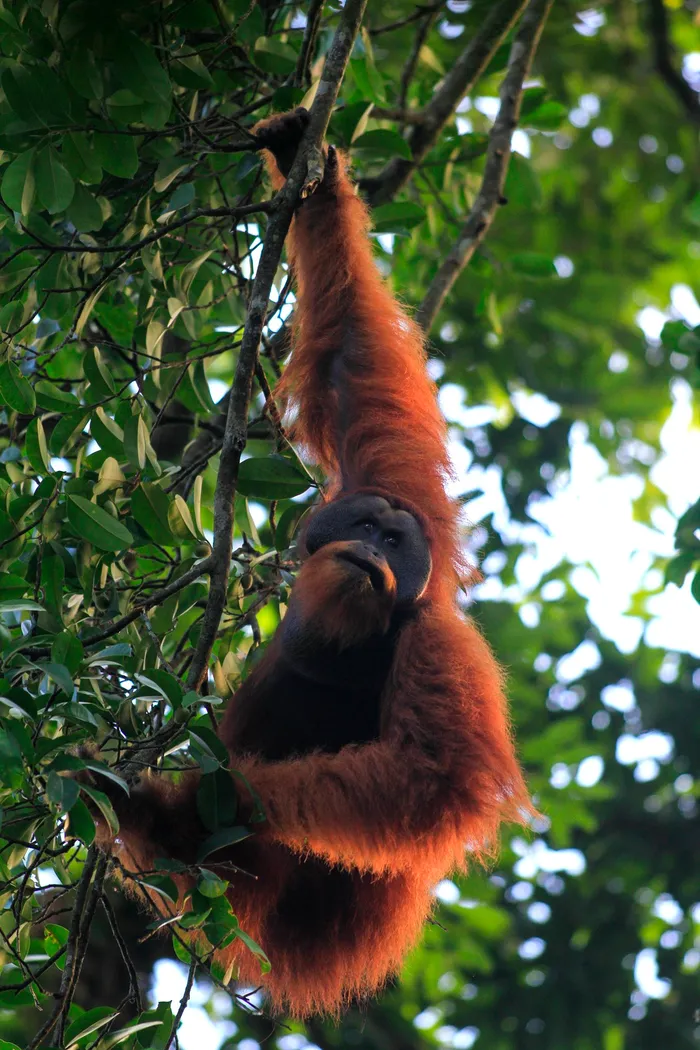
A great ape of northern Sumatra’s forest canopy. Its future depends on connected forests, regenerating trees, and safe coexistence with people.
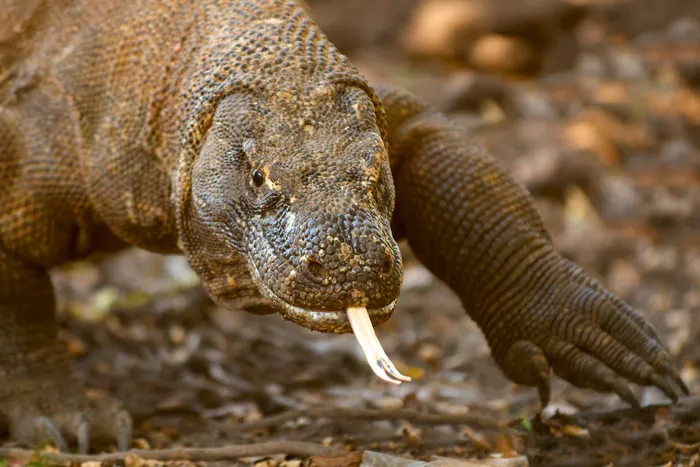
The largest living lizard, native to a small group of islands in East Nusa Tenggara. Explore its links with prey, dry habitats, and island-specific conservation.
The last surviving Sunda Island tiger population lives in Sumatra. Protecting forest, prey, and movement routes supports a whole living landscape.
A large herbivore that disperses seeds and shapes forests. Its conservation needs connected movement space and solutions developed with communities living nearby.
A one-horned rhinoceros with a single surviving wild population in Ujung Kulon. Strong protection and careful habitat management underpin its future.
A Borneo-endemic primate closely linked to river forests, mangroves, and swamps. The male’s large nose is only one of its distinctive adaptations.
A nocturnal, tree-dwelling primate of Java threatened by wildlife trade. Understanding its behaviour helps turn curiosity into respectful observation.
A forest bird of Raja Ampat whose males carry red plumes and two long tail ribbons. Its striking displays connect birdwatching with forest conservation.
A marine reptile connecting seagrass meadows, coastal waters, and nesting beaches. Global recovery does not remove the threats turtles face at individual sites.
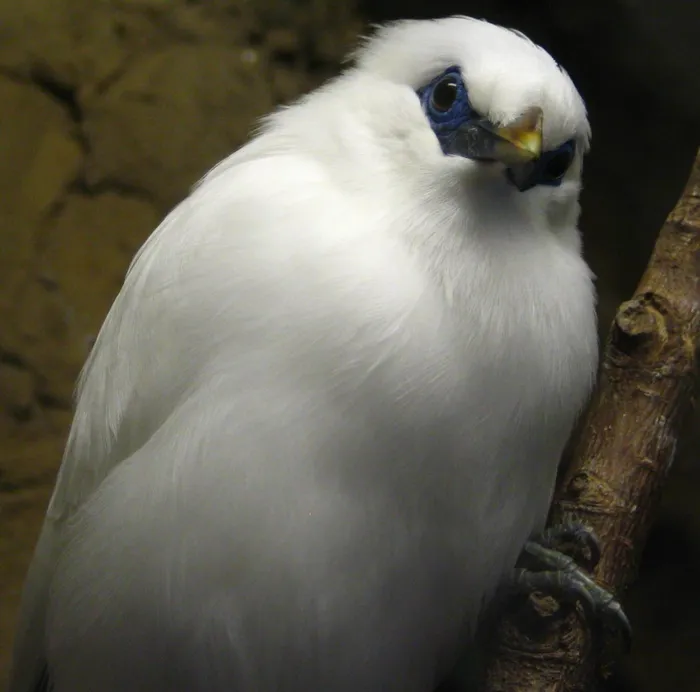
A distinctive white bird of Bali with blue skin around the eyes. Its story connects the bird trade, habitat, conservation breeding, and community stewardship.
A great ape of Borneo’s forests, including Kalimantan’s peat swamps. Population diversity and connections between habitats are central to its conservation.
An orangutan species described in 2017 from Batang Toru. Its exceptionally restricted range makes protection of remaining forest especially important.
The smallest living rhino and the only two-horned Asian rhino. Isolated populations make finding mates and protecting habitat particular challenges.
A small buffalo relative from Sulawesi and Buton. Forest life, water sources, and hunting pressures are central to the anoa’s conservation story.
A Sulawesi wild pig whose males have upper tusks curving through the snout’s skin. This profile distinguishes it from babirusas on other islands.
A silvery small ape dependent on Java’s forest canopy. Calls, family relationships, and routes through the trees shape its life.
The largest gibbon, with a throat sac that amplifies its calls. Group life connects communication, infant care, and connected forest.
The black-and-white tapir is Asia’s only tapir. Forest, water, and safe movement space support its life in Sumatra.
An Asian wild cattle species related to Bali cattle. Its global status changed to Critically Endangered in 2024, underlining the need to protect wild populations.
A plant-eating deer using grasslands and wooded areas. Population origins matter because people have introduced this species to many locations.
A big cat endemic to Java with spotted and black forms. Connected forests and careful management of human encounters matter for its survival.
A cloud-patterned forest cat from Sumatra and Borneo. Long-term research helps reveal the life of this rarely seen animal.
The world’s smallest bear climbs trees and uses varied forest foods. Its Indonesian name, honey bear, does not describe its entire diet.
A scaled, ant- and termite-eating mammal threatened by illegal trade. Climbing and secretive behaviour make direct observation difficult.
A seagrass-eating marine mammal dependent on healthy coastal waters. Dugong life connects seagrass meadows, sheltered bays, and human activity in shallow seas.
A profile of the Mahakam River dolphin population, rather than all Irrawaddy dolphins worldwide. Its future is connected to fish, wetlands, river traffic, and local livelihoods.
The largest living fish, with distinctive spots and filter-feeding behaviour. Its protection involves ocean movements, boats, fisheries, and tourism.
A large ray that filters zooplankton and uses coastal and reef areas. Learn its identity, feeding behaviour, and why observation needs to leave it space.
A pointed-beaked turtle closely associated with coral reefs. Shell trade, accidental capture, and habitat loss connect human choices with its future.
A relatively small turtle that travels through open seas and returns to beaches to nest. Not every population performs its famous mass-nesting behaviour.
A large reptile capable of using both salt and fresh water. Understanding its habitat and respecting its space matters for community safety and conservation.
A crested eagle endemic to Java and dependent on forest. Nest trees, parental care, and movement space make its protection a long-term commitment.
A Sulawesi bird that uses environmental heat to incubate its eggs. Its survival connects forest living areas with highly specialised nesting grounds.
A white, yellow-crested cockatoo whose island populations need careful distinction. Feeding, nesting, and roosting trees complement efforts to prevent harmful trade.
A large flightless bird that disperses seeds through its feeding. This profile concerns Casuarius casuarius, one of the cassowary species in the New Guinea region.
A large bird with a shimmering green neck that uses wooded landscapes and openings. Green peafowl are distinct from the blue peafowl often seen in captivity.
A forest hornbill with long central tail feathers and a solid casque. Hunting for casque trade makes habitat protection and reduced demand particularly important.
A tree-dwelling marsupial of Sulawesi. Leaves, connected canopy, and low human disturbance matter to this often slow-moving forest animal.
No matching results. Try another word or clear the filters.